


Nuclear Plant Generator Operators
Develop and provide proposed NPIRs, execute agreements with Transmission Entities, and coordinate operations and outages that affect NPIRs.

Your Trusted Partner in Electrical Engineering and Power Systems
At Keentel Engineering, we deliver electrical power engineering services built on 30 years of experience and a commitment to excellence. Our clients include utilities, developers, EPCs, and public agencies across the U.S.
Unlike firms that sacrifice technical depth to chase billable hours, we prioritize precision, compliance, and value engineering. From transmission services and relay modeling to winterization and SCADA planning, we never compromise on quality.

At Keentel Engineering, we take pride in being the go-to electrical power engineering firm for power and utility system planning, substation design, protection, control, and power system analysis. The following attributes distinguish our team in utility-grade substation engineering and compliance-driven project delivery.
With three decades of hands-on project delivery, we bring unmatched expertise in substation layout design, substation electrical and civil engineering, relay protection, and grid-tie solutions. Our experience includes projects in complex terrain, urban retrofit environments, and utility-scale renewable integrations.
Our engineering process applies AutoCAD 3D, BIM modeling, and system-level substation design practices to ensure accurate planning, reduced errors, and efficient coordination across all project stakeholders.
Our workflow includes 3D substation design, enabling clash-free coordination between structural, electrical, and civil disciplines.
From grounding grid studies to relay protection settings, we engineer every detail to improve system reliability, performance, and operational safety. Our rigorous QA/QC process ensures compliance with IEEE, NFPA, and ISO/TSO interconnection standards.
Among leading electrical substation design companies, Keentel Engineering stands out for 30+ years of proven high-voltage and utility-grade project delivery.
First name, email and what you're interested in are all we need to get moving. Everything else, including drawings or an RFP, is optional.
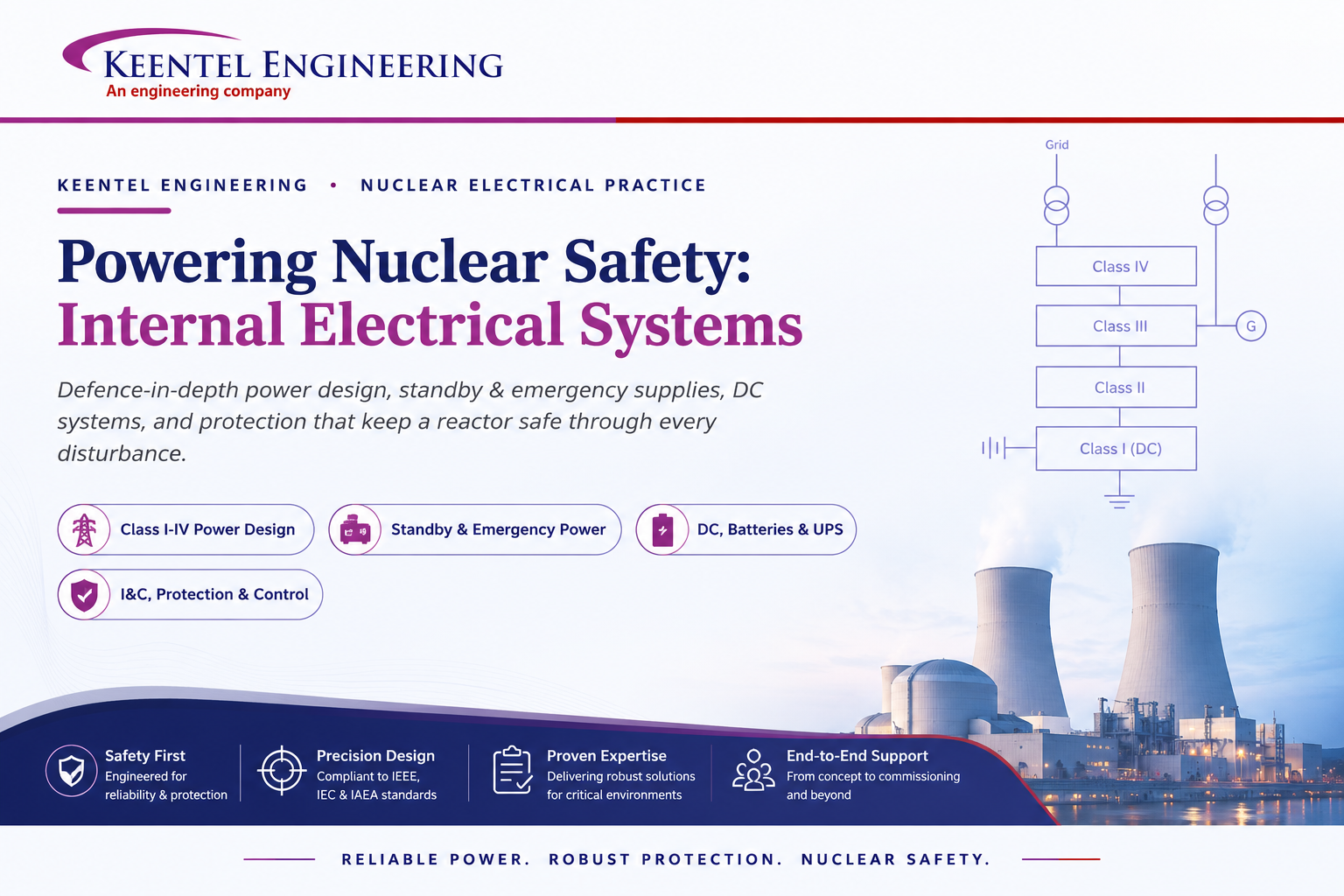
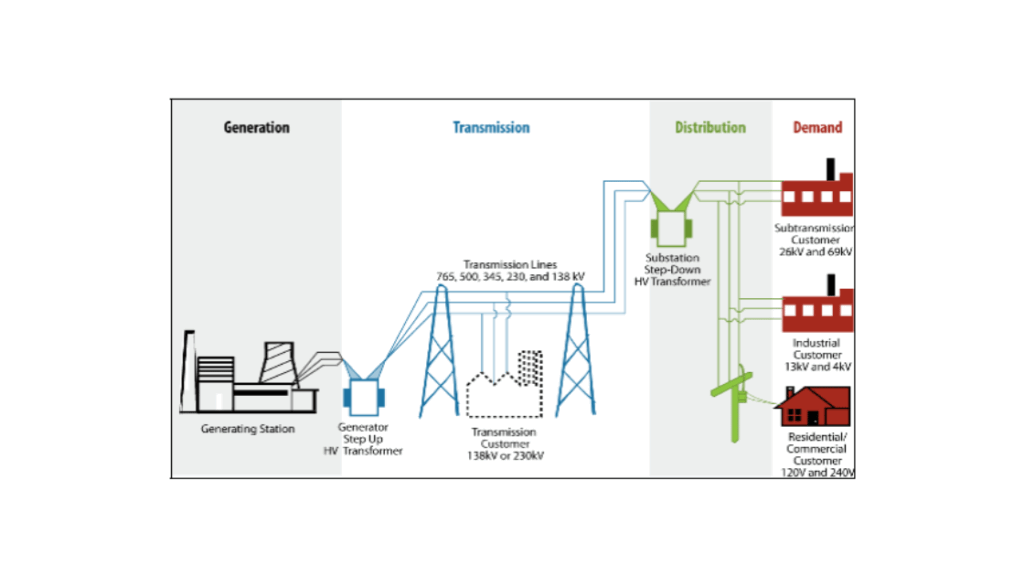
A nuclear power plant depends on the transmission system not only to deliver its output but also to supply reliable offsite power for its safety systems. The plant’s licensing basis assumes offsite power will be available within certain voltage and frequency ranges and after certain contingencies. If the grid cannot meet those assumptions, the plant’s operating margin — and potentially its ability to remain online — is affected.
NUC-001 closes that loop. The Nuclear Plant Generator Operator communicates its Nuclear Plant Interface Requirements to the Transmission Entities, and those entities incorporate the NPIRs into their planning analyses and operating analyses, coordinate the operation and maintenance that can affect them, and document the arrangement in agreements.

The NUC family consists of a single standard, NUC-001. Related standards that frequently intersect with NUC-001 obligations are listed for context. Standard IDs are shown without version suffixes — confirm the version in effect for your facility and audit period.
| Standard | Title / subject | Applicable functions | Typical evidence |
|---|---|---|---|
| NUC-001 | Nuclear Plant Interface Coordination | Nuclear Plant Generator Operator; Transmission Entities as defined in the standard and the applicable agreements (for example TO, TOP, TP, PC, RC, BA, TSP, DP, GO, GOP) | Proposed NPIRs in writing, executed agreements, planning and operating analyses incorporating NPIRs, communication and coordination records |
| Related: TPL-001 | Transmission System Planning Performance Requirements | PC, TP | Planning assessments whose contingency results inform NPIR evaluation |
| Related: TOP / IRO | Operational analyses and Real-time Assessments | TOP, RC | Operating analyses and assessments that consider NPIR limits |
| Related: EOP-005 | System Restoration from Blackstart Resources | TOP | Restoration plans that address offsite power to nuclear plants |
Develop and provide proposed NPIRs, execute agreements with Transmission Entities, and coordinate operations and outages that affect NPIRs.
Incorporate NPIRs into operating analyses, operate to them, communicate conditions that affect them, and coordinate maintenance and outages.
Incorporate NPIRs into planning analyses and communicate results to the nuclear plant.
Participate where the agreements identify them as Transmission Entities with a role in meeting NPIRs.

Keentel supports NUC-001 compliance with engineering analysis and documentation. Plant licensing decisions and the NPIRs themselves remain the responsibility of the nuclear plant operator.
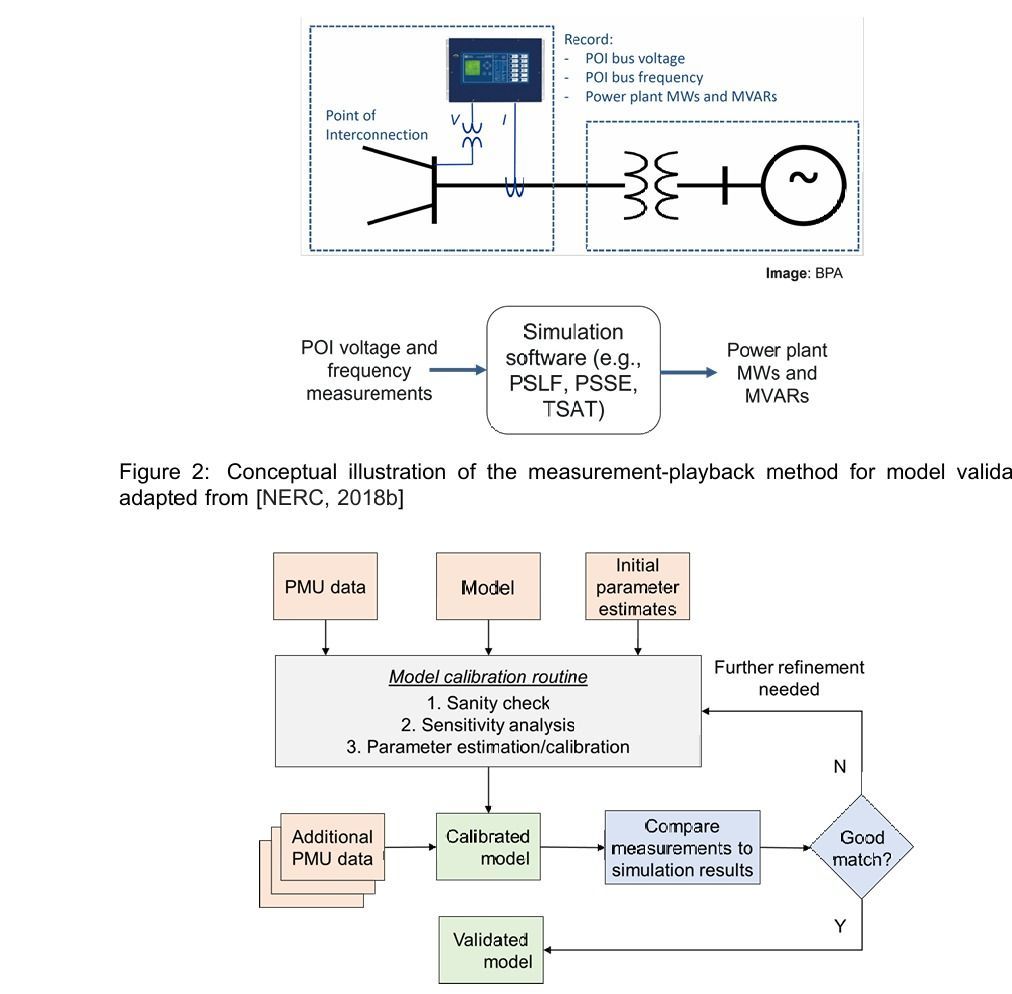
Steady-state and contingency analysis of the offsite power supply to the plant switchyard, performed in PSS®E or PSLF.
Evaluation of post-contingency switchyard voltage, voltage recovery and frequency behavior against proposed or agreed NPIR limits.
Integration of NPIR checks into planning assessments and interconnection studies, including new generation and load near the plant.
Study support for operating analyses, outage coordination and NPIR-related operating guides.
Review of NUC-001 agreements for completeness against the standard’s required elements, and alignment with current studies.
Assembling agreements, analyses and communications into an audit-ready evidence set for either side of the interface.
Gather the current NPIRs, executed agreements, plant electrical data and prior studies.
Confirm the transmission and plant switchyard model reflects current topology, generation and load.
Analyze switchyard voltage, voltage recovery and frequency under normal, contingency and outage conditions.
Identify conditions where the NPIRs may not be met and document margins.
Prepare study reports in a form both parties can reference in planning, operations and agreement updates.
Refresh studies when the grid around the plant changes and keep records aligned with the agreements.
| Deliverable | Purpose |
|---|---|
| Offsite power study report | Documented analysis of offsite power supply to the plant under the studied conditions |
| NPIR voltage and frequency assessment | Comparison of study results against NPIR limits, with identified margins and exceptions |
| Agreement gap review | Checklist review of NUC-001 agreements against the standard’s required elements |
| Planning and operating integration notes | How NPIRs are reflected in planning assessments and operating analyses |
| Evidence index and RSAW narratives | Organized evidence for audit or spot check on either side of the interface |
| Gap | Why it matters |
|---|---|
| Agreements not updated after grid changes | New lines, generation retirements or large loads nearby can change whether NPIRs are met. |
| NPIRs not carried into planning assessments | Transmission planners must incorporate NPIRs; evidence that they did so is often missing. |
| Studies not shared with the plant | Results that identify an NPIR concern must be communicated, and that communication must be evidenced. |
| Unclear Transmission Entity roles | Where several entities share responsibilities, agreements must make each role clear. |
| Outage coordination not documented | Transmission and plant maintenance that affects NPIRs needs recorded coordination. |
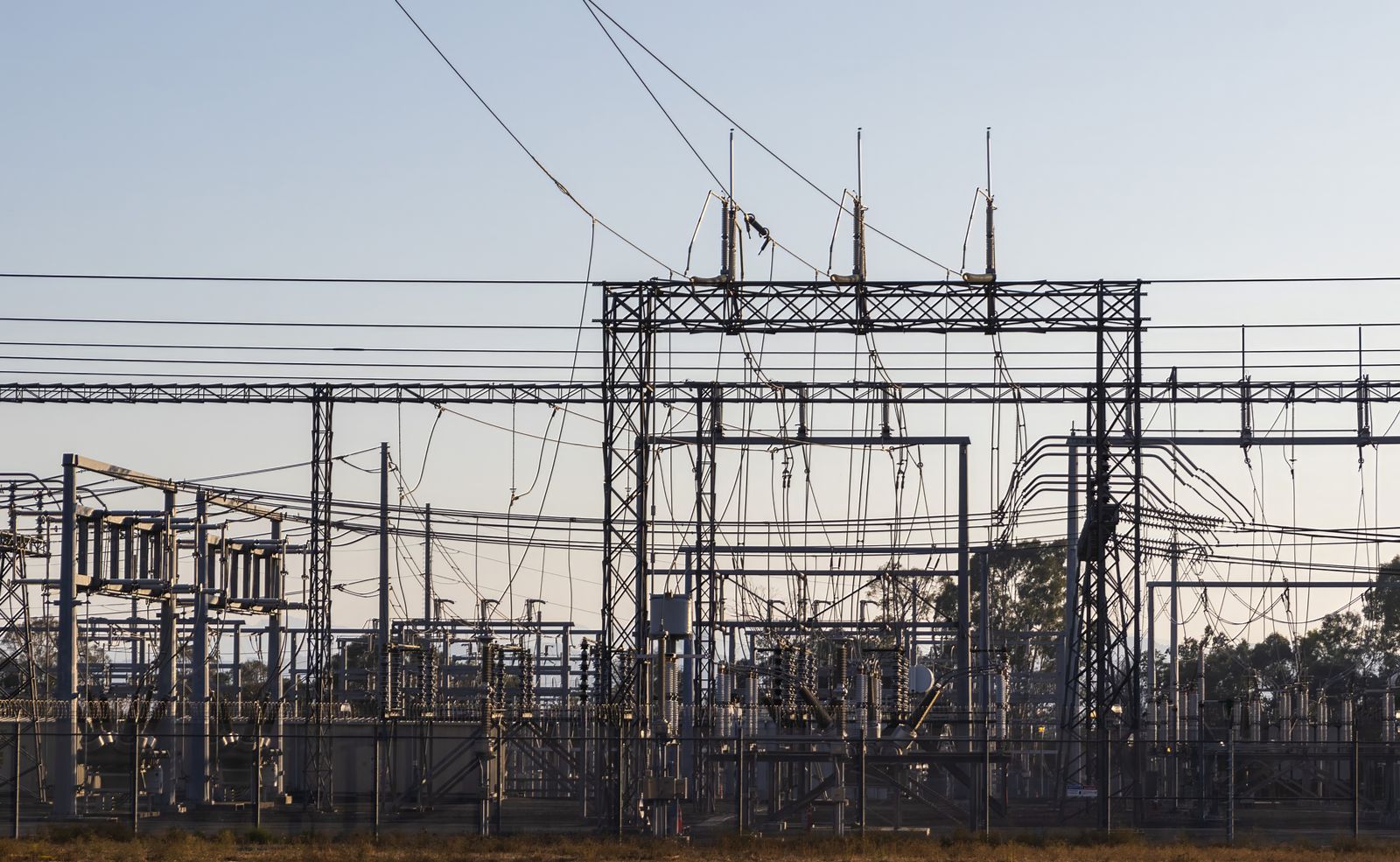
For broader nuclear plant electrical engineering — auxiliary power, station service and switchyard design — see Keentel’s Nuclear Power Plant Services: https://keentelengineering.com/service/nuclear-power-plant
We run the steady-state and contingency studies NPIR evaluation depends on, in PSS®E and PSLF.
We support nuclear operators and Transmission Entities alike, with documentation both can reference.
We know how NUC-001 evidence is sampled and what reviewers expect in agreements and analyses.
Our Nuclear Power Plant Services team supports plant electrical systems beyond the NERC interface.
Send us your NPIRs, agreements and latest studies. Keentel will check whether the analysis still reflects the grid around the plant — and document the results so both sides of the interface can rely on them.
Serving utilities, EPCs, developers, and infrastructure organizations supporting critical power systems nationwide.