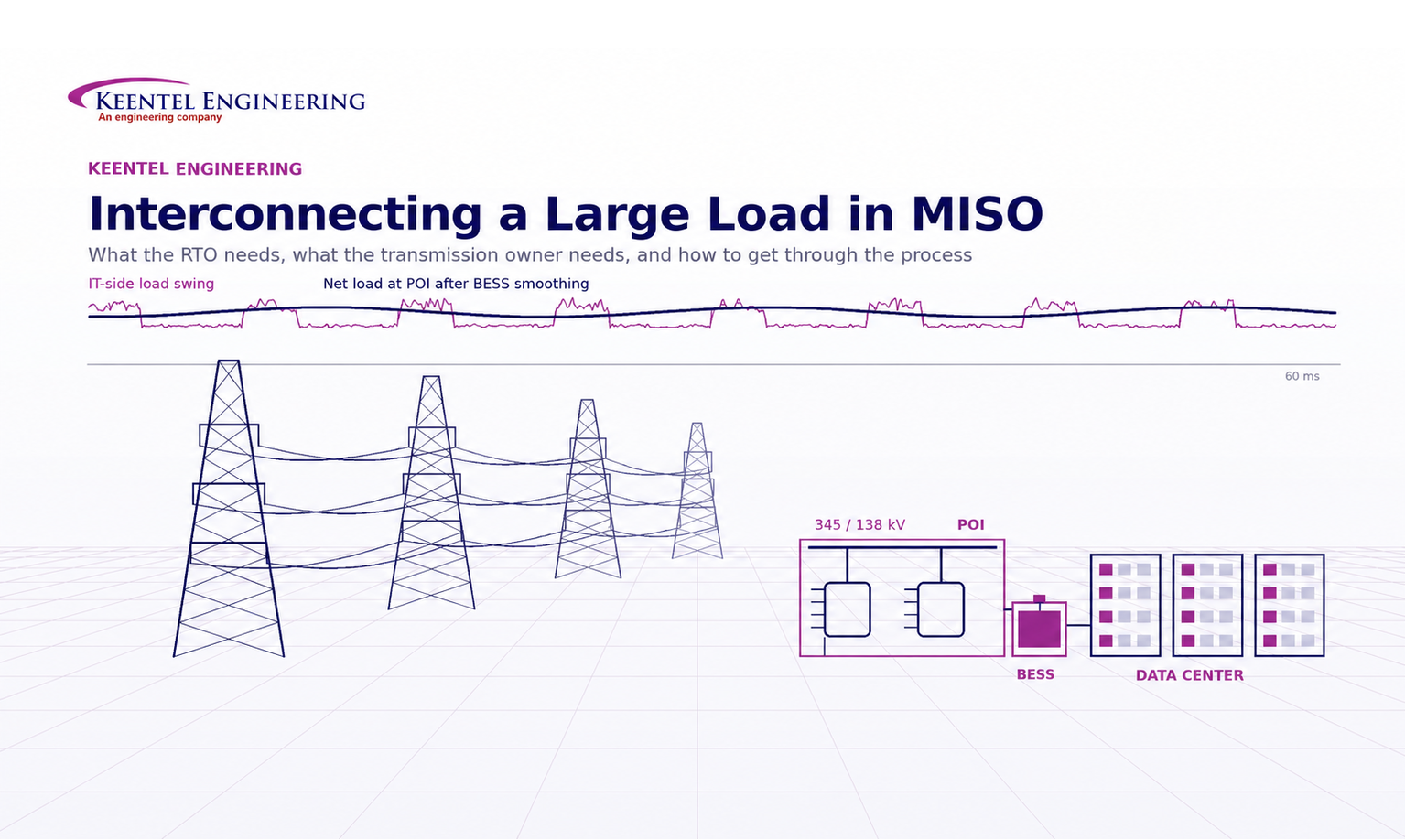

A Coordinated Electric System Interconnection Review—the utility’s deep-dive on technical and cost impacts of your project.

Challenge: Frequent false tripping using conventional electromechanical relays
Solution: SEL-487E integration with multi-terminal differential protection and dynamic inrush restraint
Result: 90% reduction in false trips, saving over $250,000 in downtime

How to Ensure Compliance with NERC O&P Standards

Calendar icon. D

January 29, 2025|Blog

Aerial view of a vast solar panel farm under a clear blue sky, rows of panels stretching to the horizon.

In the dynamic world of the North American power grid, ensuring power system reliability is a top priority. The North American Electric Reliability Corporation (NERC) plays a critical role in safeguarding the grid’s operations through its Operations and Planning (O&P) Standards. These guidelines are designed to ensure the bulk power system operates efficiently and remains secure against failures or unforeseen disruptions.


Understanding NERC O&P Standards

NERC’s O&P Standards govern two critical aspects of the electric power system:

  1. Operational Standards

These focus on real-time grid operations, emphasizing system monitoring, control, and communication protocols. They ensure utilities can respond effectively to changing conditions, emergencies, and routine demands.


  1. Planning Standards

These standards guide long-term system planning and development. They require utilities to assess their resources, forecast future demand, and mitigate potential reliability challenges.


Why Are NERC O&P Standards Important?

  • Reliability: These standards ensure uninterrupted electricity supply by mandating safe and effective grid operations.
  • Coordination: By fostering collaboration among entities like power plant operators and transmission owners, they promote system-wide efficiency.
  • Compliance: Adhering to these standards helps utilities avoid regulatory penalties while maintaining operational integrity​.

Steps for Achieving NERC Compliance

Achieving compliance with NERC O&P Standards involves a structured approach:

1. Understand Applicable Standards

Familiarize your organization with the relevant standards, such as BAL, COM, EOP, FAC, IRO, MOD, PRC, TOP, TPL, and VAR. Each of these addresses specific aspects of operations and planning​.

2. Conduct a Gap Analysis

Evaluate your current operations and identify areas where you fall short of compliance. A thorough analysis helps you prioritize corrective actions.

3. Develop a Compliance Program

Establish a compliance team and create a comprehensive program. This program should include:

  • Policies and procedures for maintaining compliance.
  • Roles and responsibilities for team members.
  • A schedule for audits and reviews.

4. Implement Monitoring and Reporting Tools

Use advanced tools to monitor grid operations and performance. Ensure robust reporting mechanisms are in place to document compliance activities.

5. Regular Training

Train your team on the latest NERC standards. Education ensures that all personnel understand their responsibilities and the importance of compliance.

6. Engage in Continuous Improvement

Regularly review and update your compliance program to align with evolving standards and industry practices​.


Common Pitfalls in NERC O&P Compliance

Even with a solid compliance program, organizations may encounter challenges. Here are some common pitfalls and how to address them:

  • Insufficient Documentation
  1. Issue: Poor record-keeping can result in compliance violations.
  2. Solution: Implement a robust documentation system to track all compliance-related activities and decisions.

  • Lack of Coordination
  1. Issue: Miscommunication between departments can lead to inconsistencies.
  2. Solution: Foster a culture of collaboration and ensure clear communication lines.

  • Failure to Stay Updated
  1. Issue: Standards evolve, and failure to adapt can cause non-compliance.
  2. Solution: Regularly review updates from NERC and adjust your processes accordingly.

  • Underestimating Training Needs
  1. Issue: Inadequate training leaves teams unprepared for audits.
  2. Solution: Make training an ongoing priority and tailor sessions to specific roles within your organization.

Best Practices for Maintaining Compliance

To ensure ongoing compliance with NERC O&P Standards, follow these best practices:

Adopt Advanced Technology

Use automation and analytics tools to monitor system performance in real time. These technologies can help detect anomalies early and prevent potential compliance violations.

Perform Routine Audits

Regular internal audits help identify and rectify issues before they escalate. To streamline this process, create a checklist based on NERC standards.

Collaborate with Experts

Partner with consultants who specialize in power system reliability. Their expertise can provide valuable insights and solutions tailored to your unique needs.

Develop a Culture of Compliance

Embed compliance into your organizational culture by aligning it with your mission and values. Encourage employees to take ownership of their roles in maintaining compliance.

Prepare for Emergencies

Develop contingency plans to handle unexpected events. Ensure your team is trained to act swiftly and effectively in crises​.


Partner with Keentel Engineering for Compliance Success

Compliance with NERC O&P Standards is not just about avoiding penalties—it’s about ensuring the safety, reliability, and efficiency of the power system. By understanding the standards, addressing common pitfalls, and implementing best practices, your organization can achieve and maintain compliance.

At Keentel Engineering, we specialize in power system planning, design, control, and analysis. With over two decades of experience, we have earned the trust of businesses seeking innovative solutions for power system reliability. Partner with us to ensure your compliance efforts are robust, effective, and future-ready.

Contact us today to discuss how we can support your compliance and engineering needs. Together, we can power your business to greater heights.


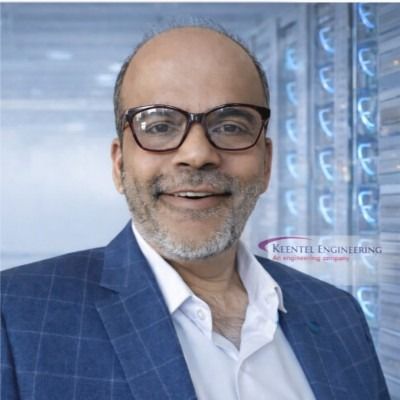
A smiling man with glasses and a beard wearing a blue blazer stands in front of server racks in a data center.

About the Author:

Sonny Patel P.E. EC

IEEE Senior Member

In 1995, Sandip (Sonny) R. Patel earned his Electrical Engineering degree from the University of Illinois, specializing in Electrical Engineering . But degrees don’t build legacies—action does. For three decades, he’s been shaping the future of engineering, not just as a licensed Professional Engineer across multiple states (Florida, California, New York, West Virginia, and Minnesota), but as a doer. A builder. A leader. Not just an engineer. A Licensed Electrical Contractor in Florida with an Unlimited EC license. Not just an executive. The founder and CEO of KEENTEL LLC—where expertise meets execution. Three decades. Multiple states. Endless impact.

Four workers in safety vests and helmets stand with arms crossed near wind turbines.

Let's Discuss Your Project

Let's book a call to discuss your electrical engineering project that we can help you with.

Man in a blazer and open shirt, looking at the camera, against a blurred background.

About the Author:

Sonny Patel P.E. EC

IEEE Senior Member

In 1995, Sandip (Sonny) R. Patel earned his Electrical Engineering degree from the University of Illinois, specializing in Electrical Engineering . But degrees don’t build legacies—action does. For three decades, he’s been shaping the future of engineering, not just as a licensed Professional Engineer across multiple states (Florida, California, New York, West Virginia, and Minnesota), but as a doer. A builder. A leader. Not just an engineer. A Licensed Electrical Contractor in Florida with an Unlimited EC license. Not just an executive. The founder and CEO of KEENTEL LLC—where expertise meets execution. Three decades. Multiple states. Endless impact.

Leave a Comment

Related Posts

ERCOT large load interconnection guide covering NPRR1234, PGRR115, and grid connection rules
By SANDIP R PATEL May 8, 2026
Learn ERCOT large load interconnection rules, LLIS requirements, and Texas grid compliance for data centers and industrial facilities.
NERC computational load risk infographic for AI data centers, grid reliability, and Level 3 complian
By SANDIP R PATEL May 8, 2026
Understand NERC large load compliance, EMT studies, and computational load modeling for AI data center reliability.
By SANDIP R PATEL May 4, 2026
Learn transmission injection and withdrawal studies, TIR & TWR, system impact studies, and grid analysis for solar, BESS, and HVDC. Discover more.
US Grid Code Requirements – Droop Control & Fast Frequency Response (FFR) | BESS IEEE 2800
By SANDIP R PATEL May 4, 2026
Learn how droop control and fast frequency response (FFR) enable IEEE 2800 compliance for BESS, solar, and wind in US grid interconnections.
ASPEN OneLiner V15 advanced protection system modeling white paper cover for relay coordination
By SANDIP R PATEL May 3, 2026
Master ASPEN OneLiner V15 for protection system modeling, relay coordination, and fault analysis. Learn advanced power system workflows today.
Texas Energy System Explained infographic showing ERCOT power market, Texas grid operations,
By SANDIP R PATEL May 3, 2026
Learn how ERCOT manages the Texas electricity grid, including LMP pricing, SCED dispatch, ancillary services, congestion, and wholesale power markets.
PJM Cycle 1 Interconnection Infographic: 220 GW Storage & Grid Update
By SANDIP R PATEL May 2, 2026
PJM's Cycle 1 reform brings a 220 GW storage-led pipeline. See how BESS and new modeling impact grid reliability.
Battery storage financing project with utility-scale BESS and solar farm infrastructure
By SANDIP R PATEL May 2, 2026
Explore battery storage financing strategies, tax credits, tariffs, and BESS revenue models. Learn how to optimize projects and maximize returns.
CAISO IPE 5.0 Cluster 16 deliverability and queue management infographic
By SANDIP R PATEL May 2, 2026
Discover CAISO IPE 5.0 interconnection updates, including queue reforms, deliverability changes, and Cluster 16 impacts. Learn how it affects your projects.