A Coordinated Electric System Interconnection Review—the utility’s deep-dive on technical and cost impacts of your project.
Challenge: Frequent false tripping using conventional electromechanical relays
Solution: SEL-487E integration with multi-terminal differential protection and dynamic inrush restraint
Result: 90% reduction in false trips, saving over $250,000 in downtime
NERC Compliance Services: The Complete Guide to PRC-004-6 Misoperations & MIDAS Reporting (Keentel Engineering)
November 15, 2025 | Blog
Executive Summary
Reliable protection systems are critical to North America’s Bulk Electric System (BES). When these systems misoperate—whether by tripping incorrectly, failing to trip during a fault, or operating out of sequence—the entire grid is exposed to unnecessary risk. To protect the grid, the North American Electric Reliability Corporation (NERC) requires strict monitoring, identification, correction, and reporting of protection system misoperations.
This comprehensive SEO-friendly guide from Keentel Engineering explains how NERC compliance services help utilities, renewable developers, industrial facilities, and transmission owners stay compliant with:
- NERC PRC-004-6 (Protection System Misoperation Identification and Correction)
- NERC MIDAS Reporting
(Misoperation Information Data Analysis System)
Whether your organization is preparing for a NERC audit, building a compliance program, or managing protection system assets, Keentel Engineering provides industry-leading NERC compliance services designed for utilities, renewable developers, and large power users.
1. Why NERC Compliance Services Are Essential for Grid Reliability
Misoperations are one of the top contributors to grid instability. NERC’s State of Reliability reports show that a majority of significant grid events involve at least one misoperation.
Keentel Engineering’s NERC compliance services focus on eliminating these risks by:
- Ensuring accurate identification of misoperations
- Supporting full compliance with PRC-004-6
- Providing engineering root-cause investigations
- Managing corrective action plans
- Completing MIDAS reporting with 100% accuracy
- Delivering audit-ready documentation
By partnering with Keentel Engineering, organizations reduce risk, improve system reliability, and avoid costly noncompliance penalties.
Read more about NERC compliance services
2. What Counts as a Misoperation? (PRC-004-6 Requirements
A misoperation occurs when a protection system:
- Operates when no fault exists
- Fails to operate when a fault exists
- Operates improperly
- Operates in an undesired manner
Keentel Engineering’s protection experts investigate each event to ensure correct classification, root cause identification, and accurate reporting.
3. How Keentel Engineering Helps You Meet PRC-004-6 Requirements
PRC-004-6 includes strict timelines. Missing these deadlines creates audit exposure and potential fines.
R1 — Identify Misoperations
Organizations must determine within 120 days whether the event was a misoperation.
Keentel Engineering performs:
- SER/oscillography analysis
- Relay logic investigation
- Fault evaluation
- Scheme coordination review
R2 — Determine the Cause
We identify the exact failure mode, whether settings, logic, wiring, environmental, or device failure.
R5/R6 — Corrective Action Plan(CAP)
If a CAP is required, Keentel Engineering creates:
- Immediate corrective actions
- Long-term mitigations
- Timeline documentation
- Evidence tracking
This ensures full PRC-004-6 compliance on every event.
4. Why MIDAS Reporting Matters for NERC Compliance
MIDAS is where NERC collects nationwide misoperation data. It feeds:
- Reliability assessments
- Protection scheme redesign
- Planning models
- Regional risk profiles
These models incorporate:
- Generation dispatch assumptions.
- Planned outages.
- Seasonal ratings.
- Transmission project in-service dates.
MIDAS required 3 documents every quarter:
- Composite Protection System Operation Summary
- Misoperation Entry Forms
- Opt-Out Waiver (if no events occurred)
Keentel Engineering ensures accurate, timely, and the fully compliant submission of all reports.
5. How Keentel Engineering Streamlines NERC MIDAS Reporting
Our experts handle all aspects of MIDAS compliance:
- Data compilation and validation
- Event classification
- Cause-code mapping (settings, hardware, communication, etc.)
- Tie-line fractional reporting (1/N method)
- MRRE coordination
- Quarterly audit-ready submissions
We ensure your organization is compliant every quarter—without internal confusion.
6. NERC PRC-004-6 & MIDAS Reporting: A Unified Compliance Approach
Unified NERC Compliance Services
- Protection event analysis
- Root-cause engineering
- Cause-code categorization
- Event reporting
- Corrective action plan creation
- CAP implementation tracking
- Audit document management
This integrated approach ensures consistent, accurate, and defensible NERC compliance.
7. Common Protection System Misoperation Causes (Based on NERC Data)
According to MIDAS examples and industry trends, the most common misoperation causes include:
1. Incorrect relay settings
Miscoordination, wrong CT ratio, incorrect logic.
2. DC control circuit issues
Blown fuses, wiring failures, moisture intrusion.
3. Communication failures
Fiber outages, carrier equipment issues, weak signal paths.
4. CT/PT failures
Secondary wiring issues, open circuits, polarity problems.
5. Environmental issues
Rodents, water ingress, ice damage.
6. Human error
Incorrect installation, testing mistakes, wiring errors.
Keentel Engineering provides corrective engineering services to eliminate these root causes.
8. Tie-Line Reporting & Multi-Owner Equipment (MIDAS Appendix E)
Many utilities own shared transmission lines. To prevent double counting, NERC uses the 1/N method.
Example:
3 owners on a 230 kV tie-line → each reports ⅓ of all operations
Keentel Engineering manages:
- Multi-owner coordination
- Reporting reconciliation
- Annual rounding consistency
- Regional entity communication
This ensures correct data submission and avoids compliance findings.
9. Multi-Region Registered Entity (MRRE) Support
If your facilities fall under multiple NERC Regions, reporting becomes more complex.
Keentel Engineering handles:
Multi-region misoperation coordination
- Region-specific reporting requirements
- Local vs. remote terminal misoperation classification
- Audit evidence alignment
Our expertise eliminates common MRRE reporting errors.
10. Exclusions: What Is NOT Considered a Misoperation
Keentel Engineering helps classify events correctly and avoid over-reporting.
Not considered misoperations:
- Voltage regulator control actions
- FACTS/SVC control not responding to electrical faults
- Generator shutdown logic
- Normal switching events
- Synch-check reclose blocking
- Transformer tap-changer control actions
Correct classification protects your audit posture.
11. Keentel Engineering’s End-to-End NERC Compliance Services
Keentel Engineering delivers a turnkey solution for NERC protection-related compliance:
PRC-004-6 Misoperation Compliance
Event analysis, cause identification, CAP creation, evidence documentation.
MIDAS Reporting
Quarterly submissions, cause coding, tie-line calculations.
Protection System Engineering
- Relay setting review
- System coordination studies
- Logic audits
- Control circuit evaluations
NERC Audit Preparation
- Evidence preparation
- Mock audits
- Compliance gap assessments
Corrective Engineering
- Relay replacements
- Setting updates
- Scheme redesign
- Testing and commissioning
BES Cyber & Physical Security Integration
- Ensuring protection systems are secure and reliable.
12. Why Choose Keentel Engineering for NERC Compliance Services?
Industry Expertise
30 years of combined utility and renewable experience.
Technical Depth
Expertise in SEL, GE, ABB, Siemens protection systems.
Accuracy & Speed
Rapid turnaround of event analysis and reporting.
Audit-Ready Documentation
Every compliance requirement tracked and documented.
Full-Service Capability
From engineering root cause to final MIDAS entry—Keentel does it all.
13. Conclusion: Protect Your System & Stay Fully Compliant with Keentel Engineering
Protection systems are complex. NERC standards are rigorous.
Misoperations are costly.
Reporting is mandatory.
Keentel Engineering delivers a seamless, engineered, audit-ready solution to manage all aspects of NERC compliance services.
By partnering with us, you ensure:
- Full PRC-004-6 compliance
- Accurate MIDAS reporting
- Reduced misoperations
- Improved system reliability
- Peace of mind during audits
Keentel Engineering is your trusted partner for NERC protection compliance.
Frequently Asked Questions
1. What are NERC compliance services?
Professional support for meeting NERC reliability standards, including PRC-004-6 and MIDAS reporting.
2. Why do utilities need PRC-004-6 compliance?
To prevent misoperations that can destabilize the grid.
3. What does Keentel Engineering include in NERC compliance services?
Event analysis, reporting, CAP creation, relay engineering, documentation.
4. What qualifies as a protection system misoperation?
Unnecessary trip, failure to trip, or incorrect operation.
5. How does MIDAS reporting work?
Quarterly submission of operations and misoperations data to NERC.
6. Can Keentel Engineering perform misoperation root-cause analysis?
Yes — full engineering analysis is included.
7. What happens if a utility misses a PRC-004-6 deadline?
It may result in a compliance violation with financial penalties.
8. Are relay setting errors the main cause of misoperations?
Yes — one of the top causes industry-wide.
9. Does Keentel Engineering support renewable developers?
Absolutely — including BESS and solar/wind facilities.
10. What is a Corrective Action Plan in PRC-004-6?
A documented plan to fix the root cause of a misoperation.
11. How often is MIDAS reporting completed?
Quarterly.
12. Does Keentel manage tie-line reporting requirements?
Yes — including the 1/N fractional reporting method.
13. What is MRRE reporting?
Reporting for entities operating in multiple NERC regions.
14. Do all operations get reported to MIDAS?
Yes — both correct and incorrect.
15. Can Keentel audit my protection system settings?
Yes — relay setting audits are a core service.
16. What protection systems are included in NERC compliance?
Relays, CT/PT circuits, communications, breaker trip circuits, DC control systems.
17. What causes slow relay operation misoperations?
Incorrect settings, logic errors, or communication delay.
18. Does Keentel Engineering offer CAP implementation support?
Yes — from engineering to commissioning.
19. Can Keentel train my staff on NERC standards?
Yes — custom training is available.
20. What documentation is required for a PRC-004-6 audit?
Event analysis, cause reports, CAPs, evidence logs, timelines.
21. What happens if no misoperations occur?
Submit a MIDAS Opt-Out Waiver.
22. Do generator protection misoperations count?
Yes — if they affect the BES.
23. Can Keentel help reduce misoperations?
Yes — through engineering design, settings correction, and scheme refinement.
24. Are communication failures considered misoperations?
Yes — if they cause incorrect protection operation.
25. Why choose Keentel Engineering for NERC compliance services?
Experience, accuracy, engineering depth, and full-service compliance support

About the Author:
Sandip "Sonny" R. Patel, P.E.
IEEE Senior Member · Founder & CEO, Keentel Engineering
In 1995, Sonny Patel earned his Electrical Engineering degree from the University of Illinois. But degrees don't build legacies — action does.
For three decades, he has worked the power industry from every side of the table: 16 years as a utility engineer at Exelon/Commonwealth Edison; generation leadership across hydroelectric, industrial steam turbine, and a 9 GW renewable fleet; NERC Regional Entity Senior Compliance Engineer and Audit Team Lead, auditing some of the nation's largest utilities; and testing and commissioning lead on equipment up to 765 kV — the very top of the North American grid.Utility. Generator. Regulator. Consultant. Few engineers have seen all four seats. Fewer still have sat in them.
His experience spans nuclear, hydro, conventional generation, renewables, oil and gas, mining — and today's data centers, where he is authoring a three-book series on data center design. He is a Licensed Professional Engineer in six states and a Licensed Electrical Contractor in Florida (Unlimited EC) — he doesn't just design the work; he's qualified to stand behind its execution.Today, as Founder and CEO of Keentel Engineering, Sonny leads a nationwide team of engineers delivering substation design, power system studies, NERC compliance, and commissioning — done right, coast to coast.Three decades. Every side of the table. One standard: accountable engineering.
Services

Let's Discuss Your Project
Let's book a call to discuss your electrical engineering project that we can help you with.
About the Author:
Sandip "Sonny" R. Patel, P.E.
IEEE Senior Member · Founder & CEO, Keentel Engineering
In 1995, Sonny Patel earned his Electrical Engineering degree from the University of Illinois. But degrees don't build legacies — action does.
For three decades, he has worked the power industry from every side of the table: 16 years as a utility engineer at Exelon/Commonwealth Edison; generation leadership across hydroelectric, industrial steam turbine, and a 9 GW renewable fleet; NERC Regional Entity Senior Compliance Engineer and Audit Team Lead, auditing some of the nation's largest utilities; and testing and commissioning lead on equipment up to 765 kV — the very top of the North American grid.
Utility. Generator. Regulator. Consultant. Few engineers have seen all four seats. Fewer still have sat in them.
His experience spans nuclear, hydro, conventional generation, renewables, oil and gas, mining — and today's data centers, where he is authoring a three-book series on data center design. He is a Licensed Professional Engineer in six states and a Licensed Electrical Contractor in Florida (Unlimited EC) — he doesn't just design the work; he's qualified to stand behind its execution.
Today, as Founder and CEO of Keentel Engineering, Sonny leads a nationwide team of engineers delivering substation design, power system studies, NERC compliance, and commissioning — done right, coast to coast.Three decades. Every side of the table. One standard: accountable engineering.
Leave a Comment
Thank you for contacting us.
We will get back to you as soon as possible.
We will get back to you as soon as possible.
Oops, there was an error sending your message.
Please try again later.
Please try again later.
Related Posts
By SANDIP R PATEL
•
October 3, 2026
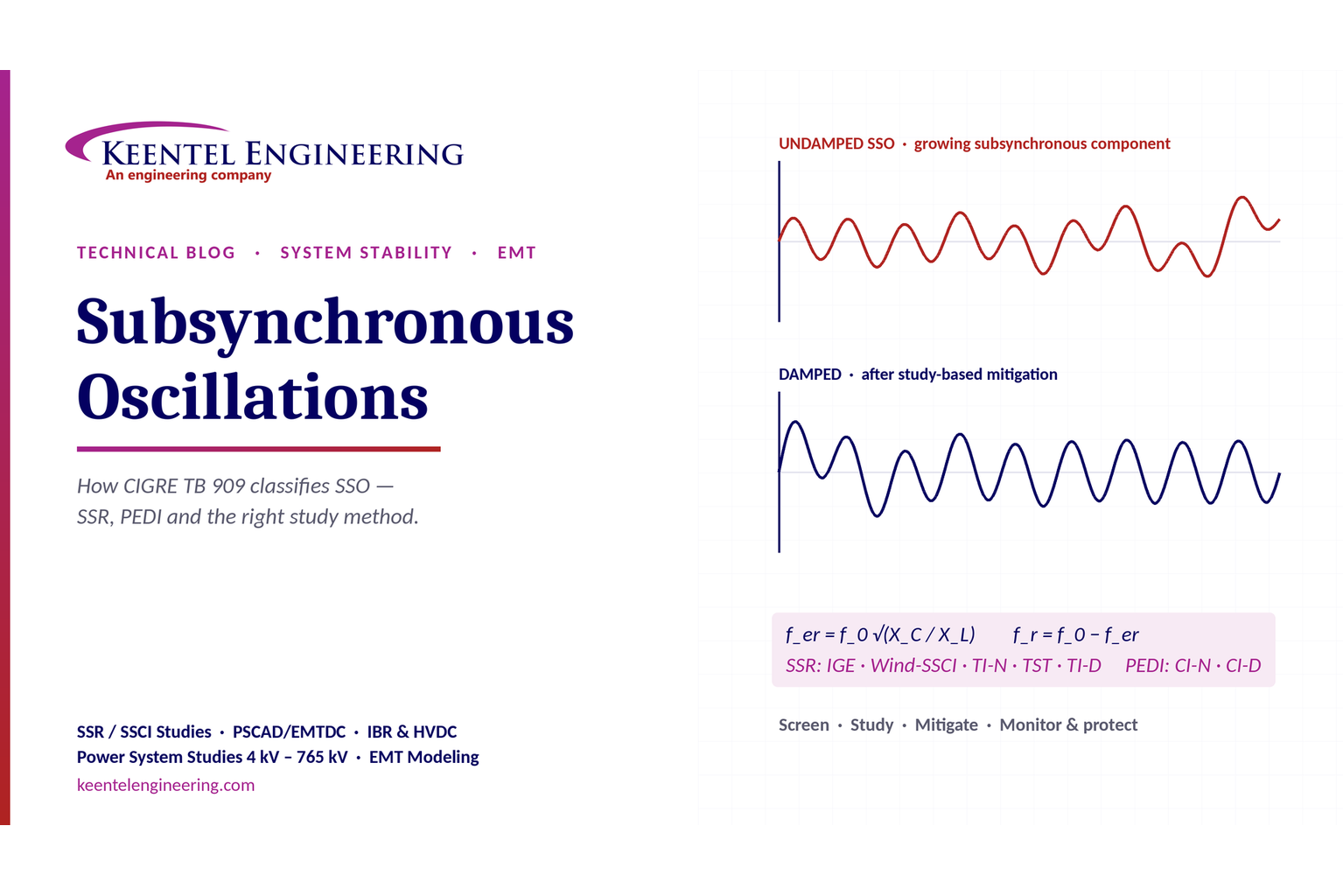
A practical guide to SSO classification, SSR, PEDI, Wind-SSCI, EMT analysis, mitigation and protection based on CIGRE TB 909.
By SANDIP R PATEL
•
September 30, 2026
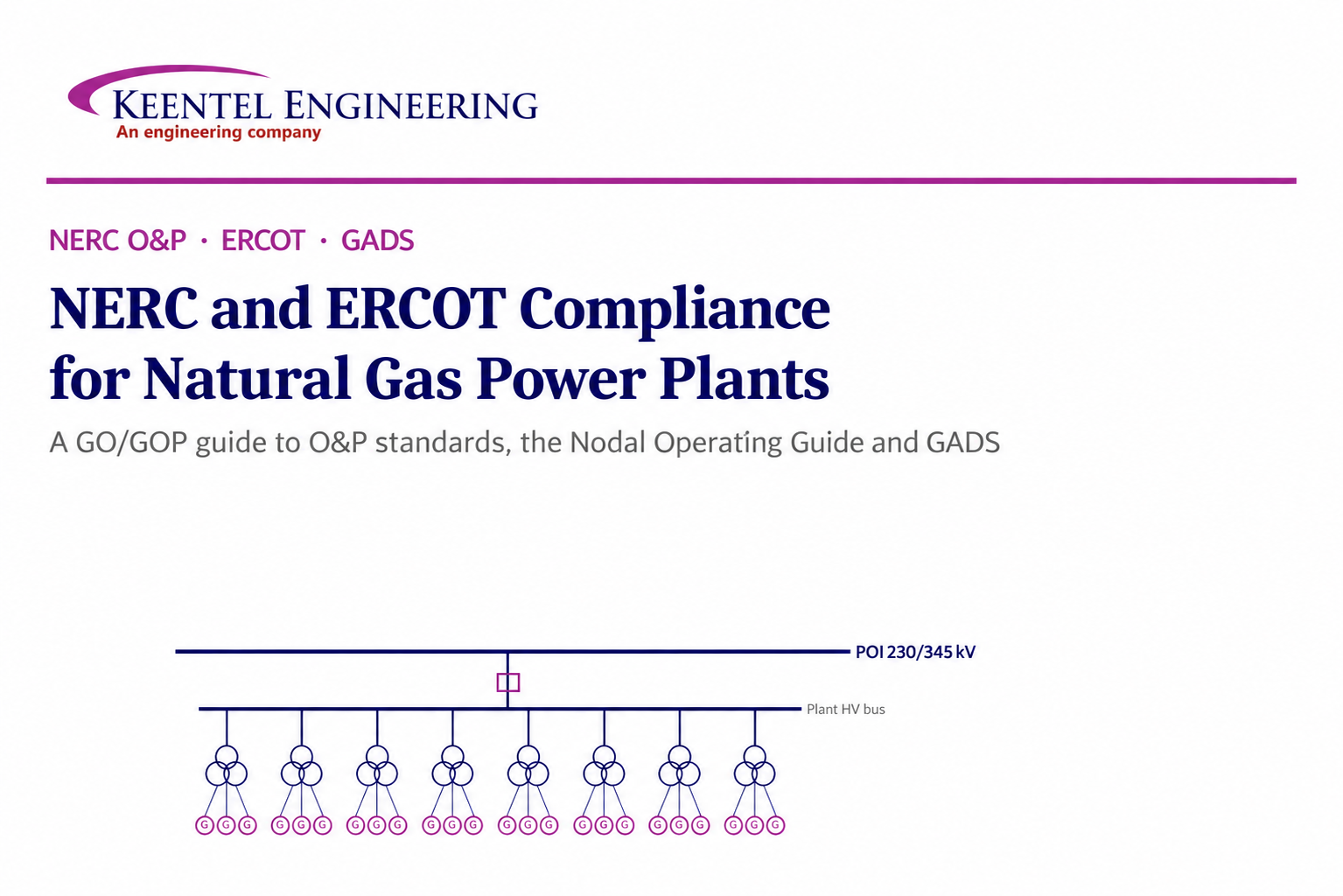
Learn NERC and ERCOT compliance requirements for natural gas power plants, including GO/GOP obligations, O&P standards, GADS reporting, and audits.
By SANDIP R PATEL
•
September 26, 2026
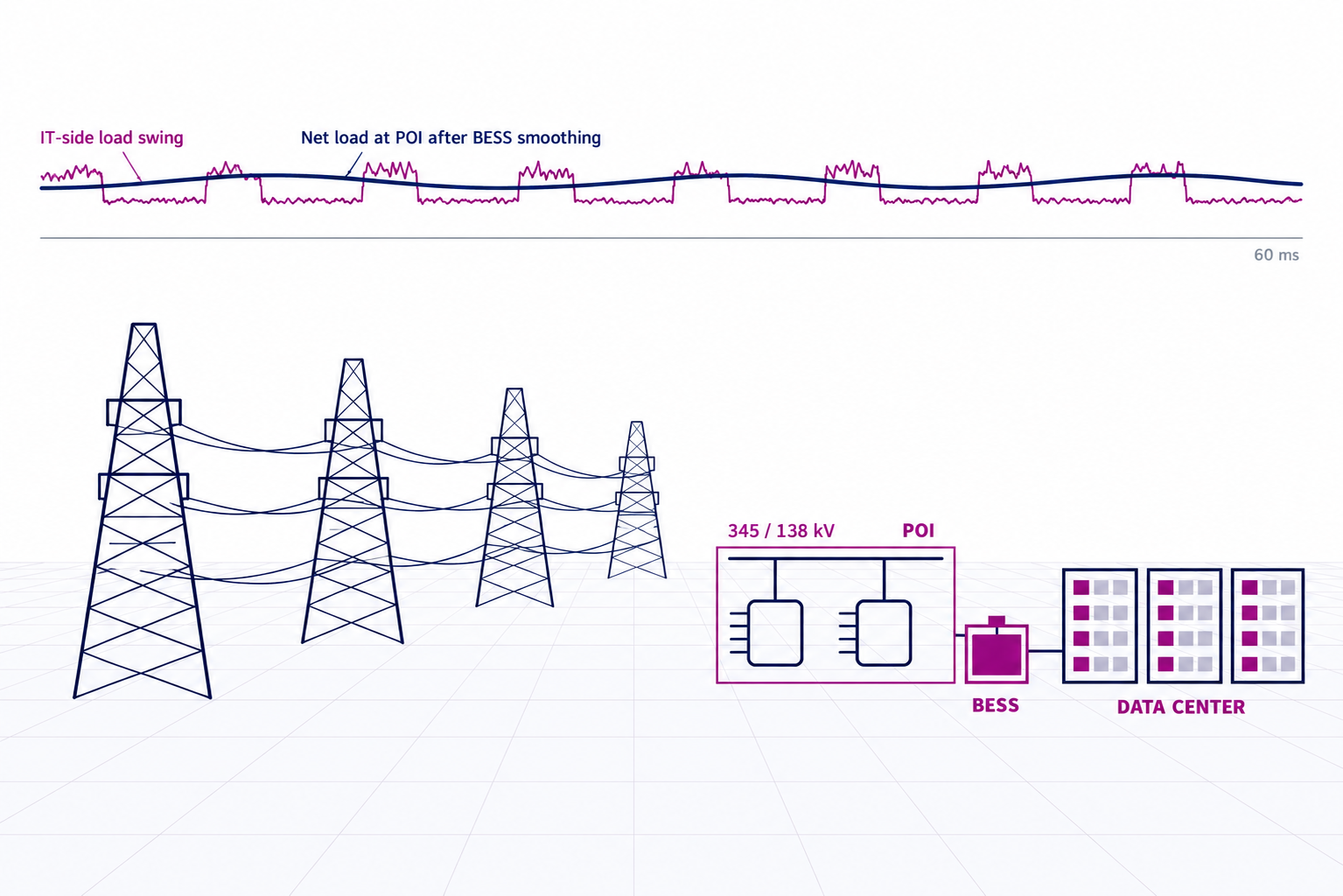
Learn how to prepare a MISO large-load interconnection package, including PSS®E models, BESS smoothing, harmonic data and transmission-owner requirements.
By SANDIP R PATEL
•
September 26, 2026
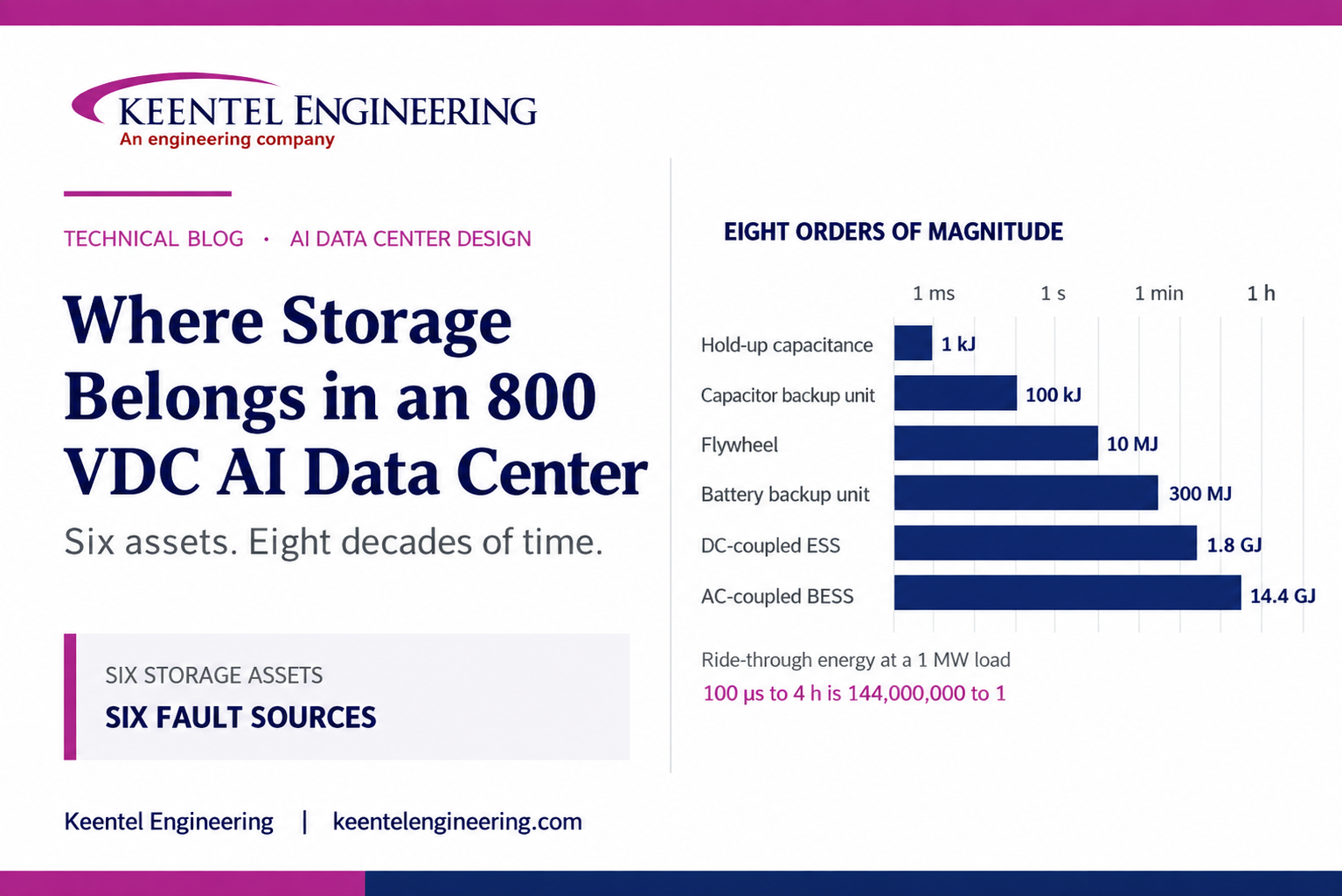
Learn where storage belongs in an 800 VDC AI data center, including capacitors, flywheels, BESS, fault current, protection, grounding, and EMT design.
By SANDIP R PATEL
•
September 26, 2026
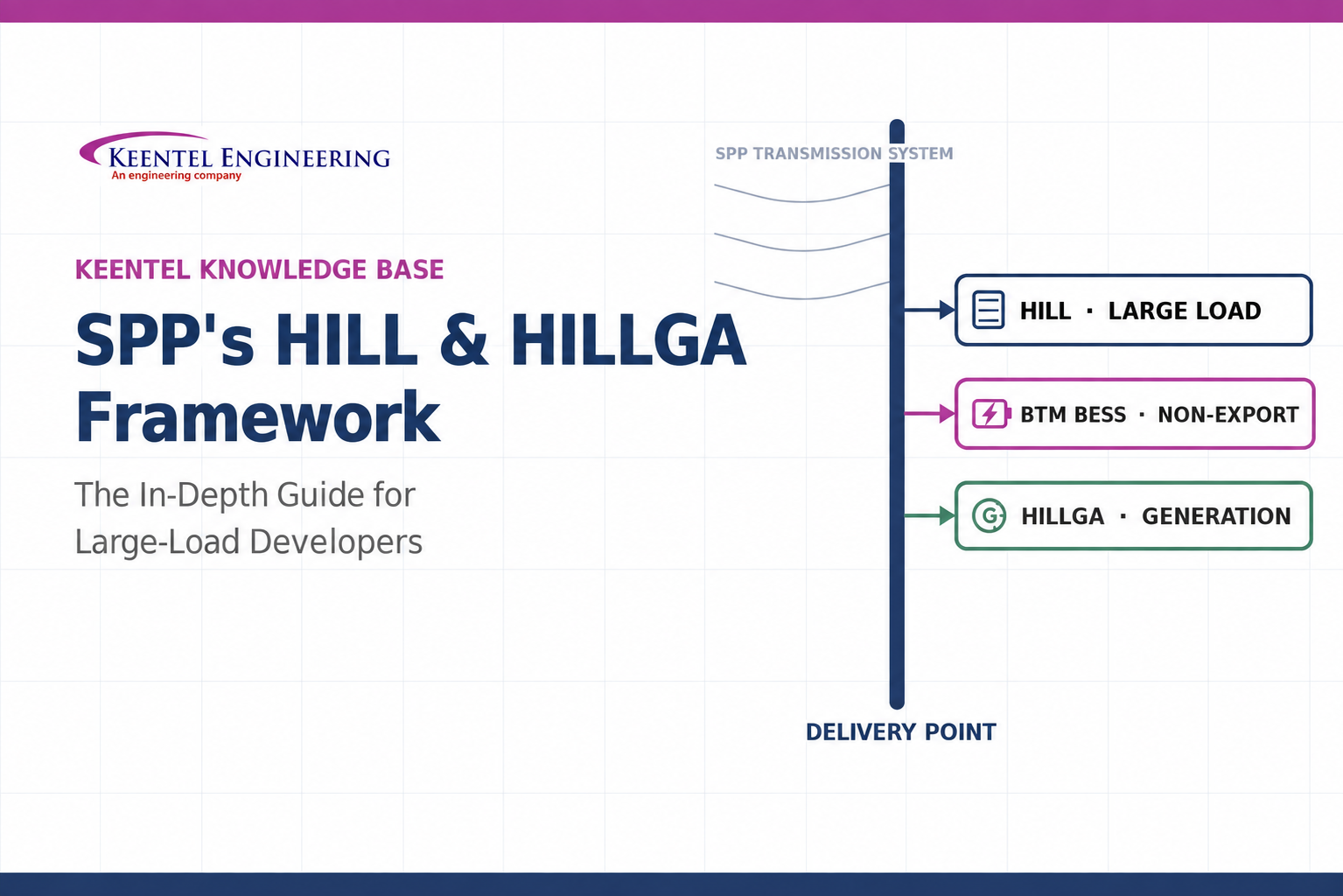
Learn how SPP’s HILL and HILLGA framework works for large-load projects, including studies, BTM generation, modeling, EMT requirements, and firm service.
By SANDIP R PATEL
•
September 25, 2026
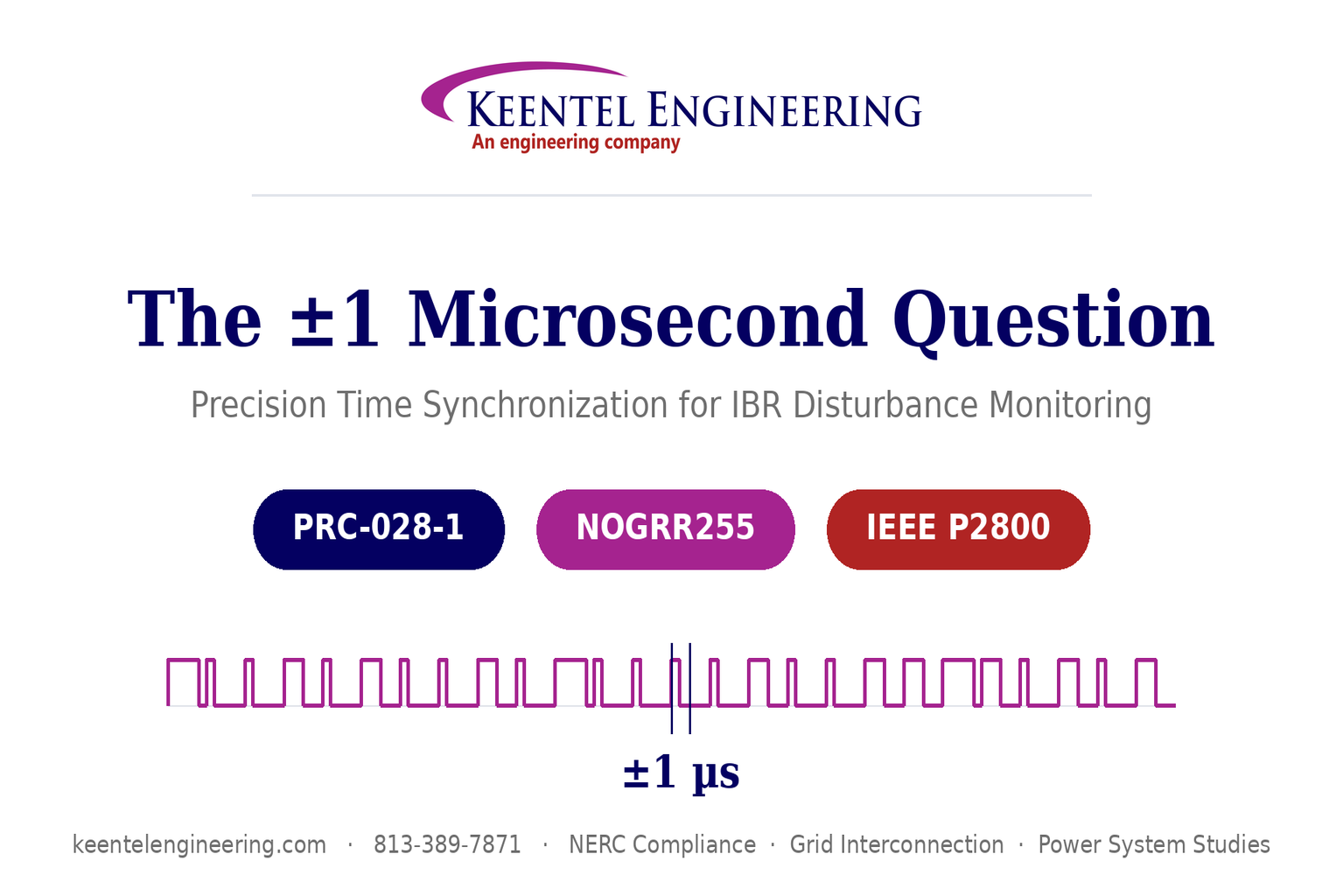
Learn how IBR time synchronization, IEEE 2800, IRIG-B verification, and PTP solutions help meet disturbance monitoring compliance requirements.
By SANDIP R PATEL
•
September 24, 2026
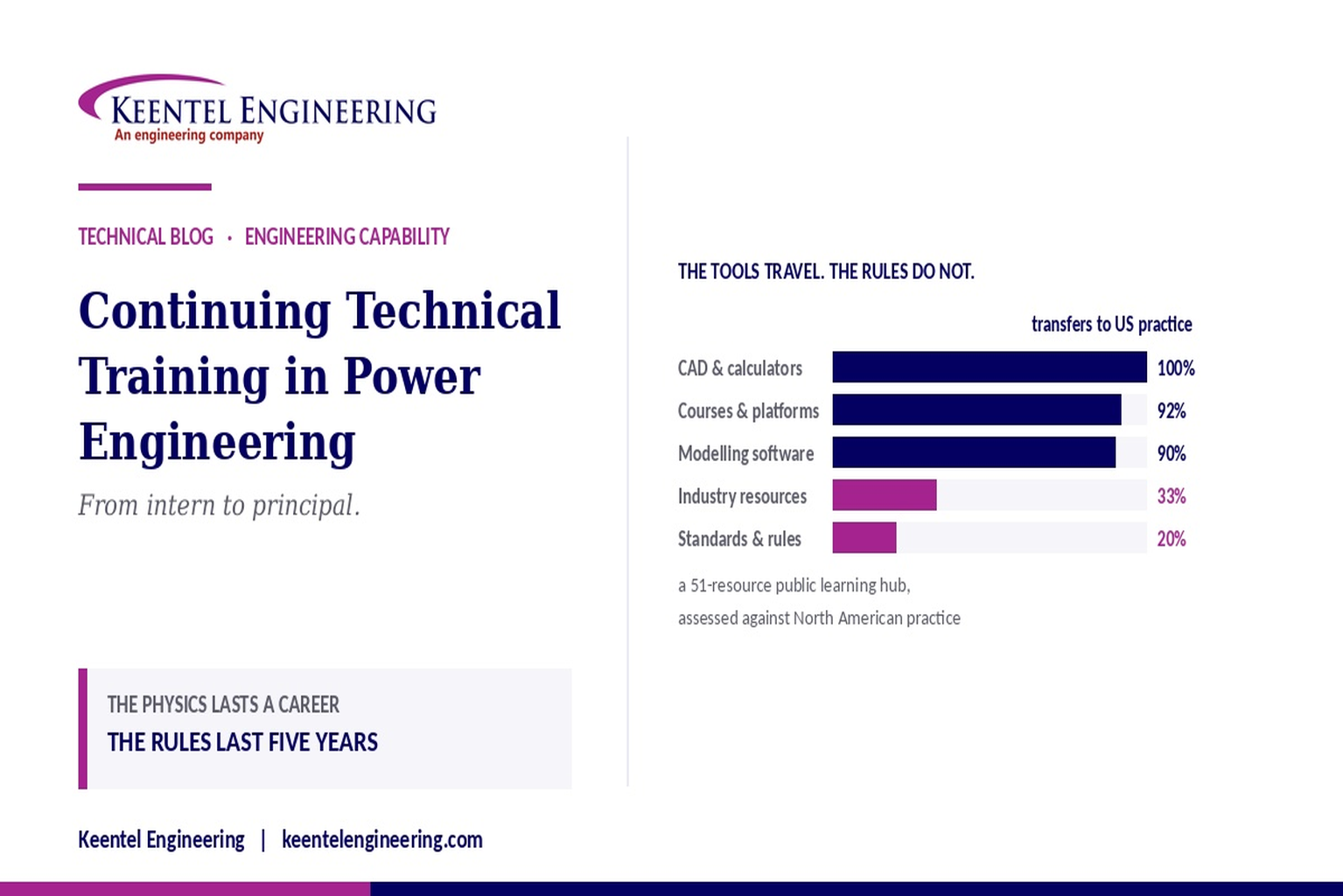
Learn why continuing technical training matters in power engineering, including standards, software skills, PDH requirements, and career growth.
By SANDIP R PATEL
•
September 22, 2026
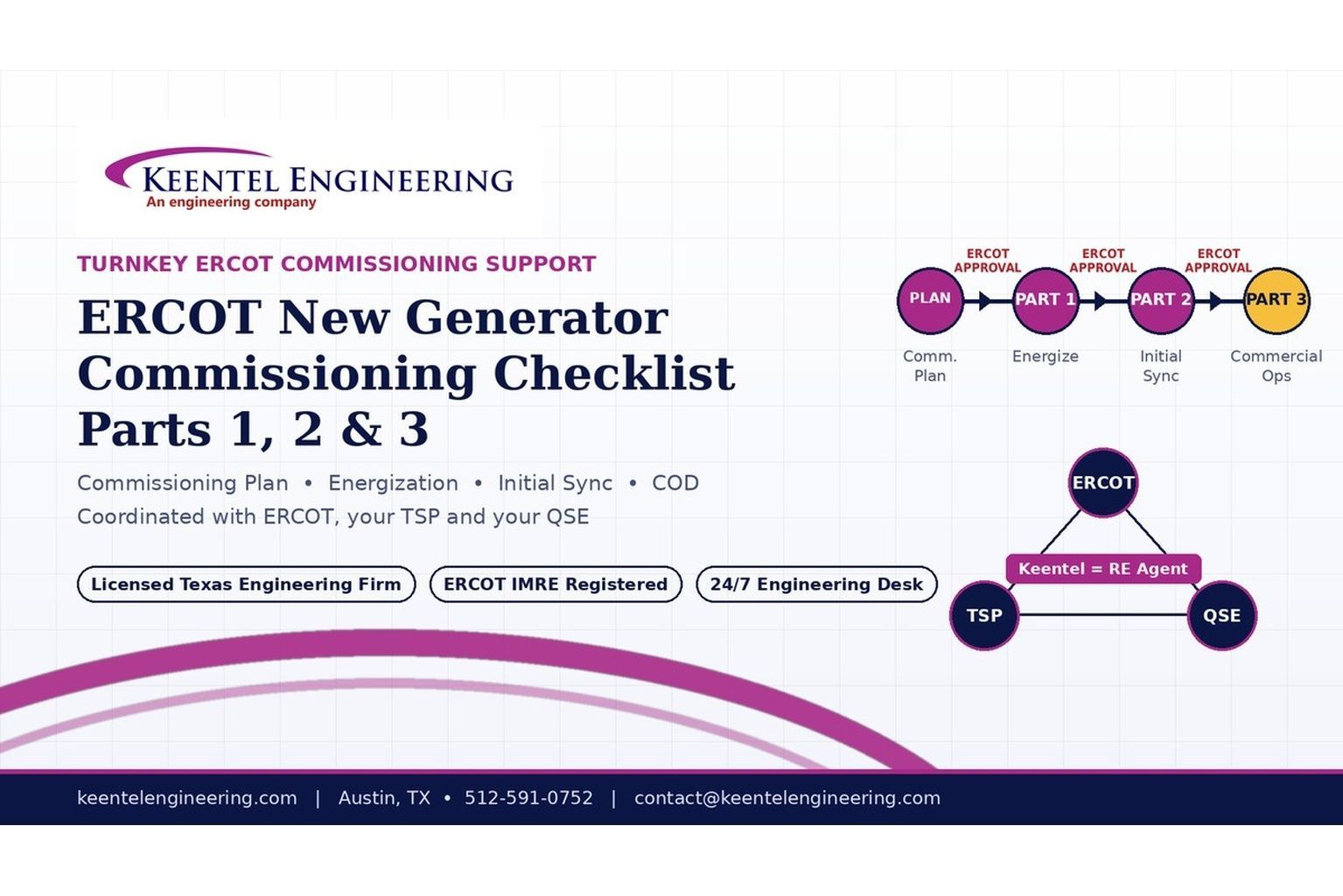
2026 ERCOT commissioning guide covering the Commissioning Plan, Checklist Parts 1–3, BESS requirements, TSP/QSE coordination, field testing and COD.
By SANDIP R PATEL
•
September 22, 2026
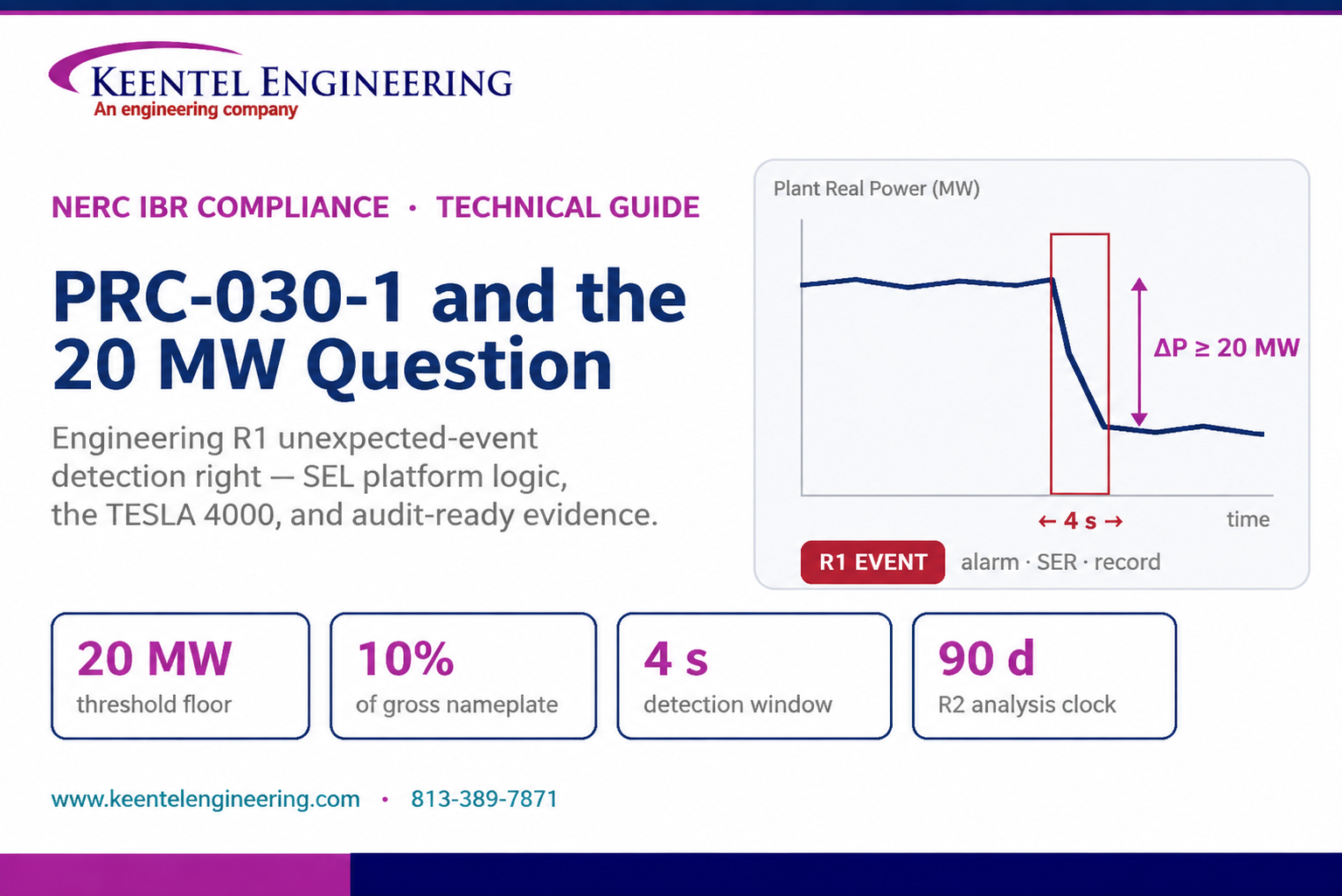
Learn PRC-030-1 R1 event detection requirements for inverter-based resources, SEL platforms, disturbance monitoring, and audit-ready compliance.