A Coordinated Electric System Interconnection Review—the utility’s deep-dive on technical and cost impacts of your project.
Challenge: Frequent false tripping using conventional electromechanical relays
Solution: SEL-487E integration with multi-terminal differential protection and dynamic inrush restraint
Result: 90% reduction in false trips, saving over $250,000 in downtime
| Category | Metric |
|---|---|
| VPP capacity (Lunar Energy) | 650 MW |
| Lunar funding raised | US$232 million |
| Data center BESS example | 31 MW / 62 MWh |
| ERCOT grid-scale batteries | 15+ GW |
| LDES tenders (H1 2026) | Up to 9.3 GW |
| Lithium-ion share of LDES by 2030 | 77% |
| FEOC initial threshold | 55% |
| BESS tariff rate (2026) | ~55% |
| Capacity gain from analytics | 5–15% |
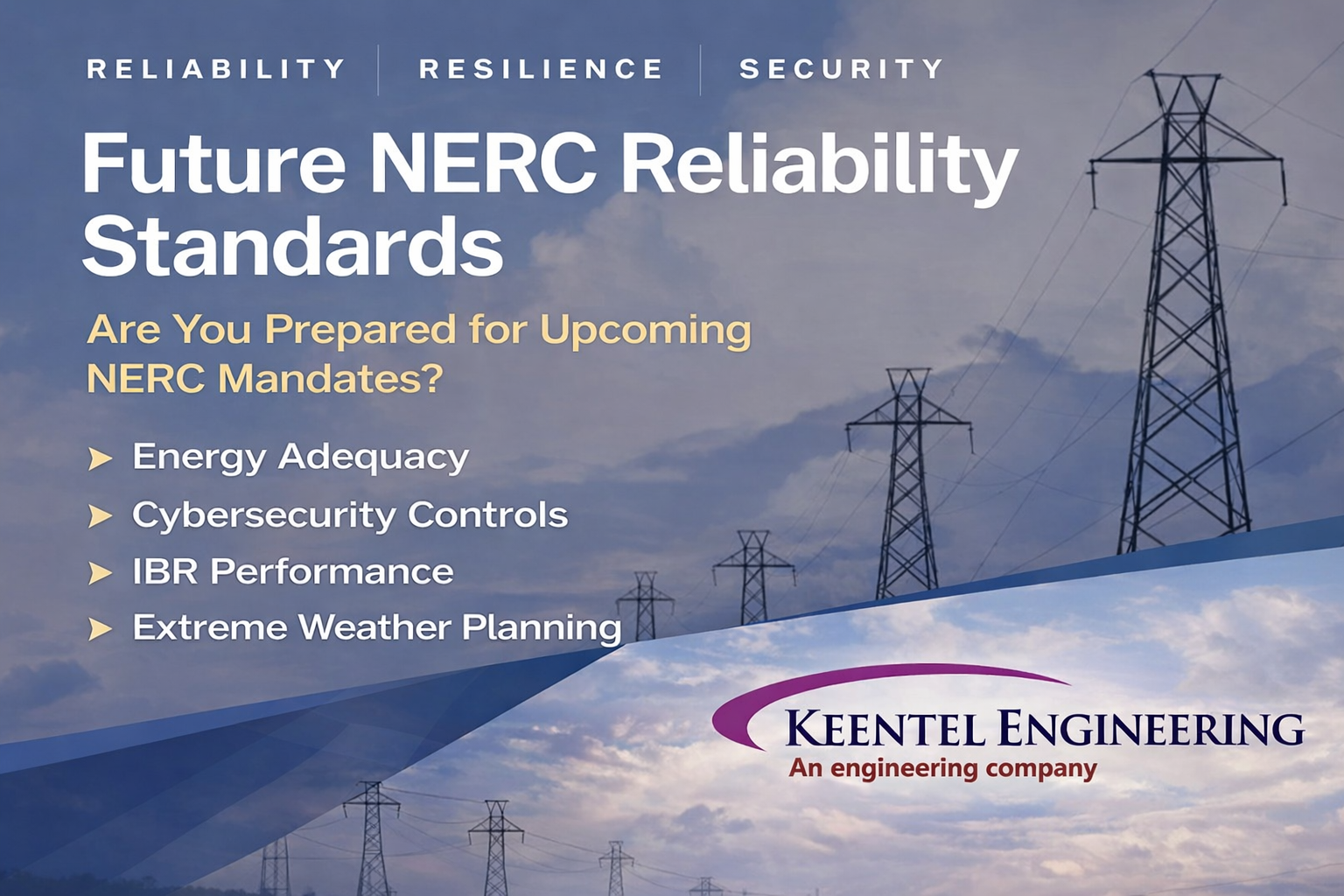
Future NERC Reliability Standards: What Utilities, Developers, and Engineers Must Prepare for (2026–2029)
Mar 31, 2026 | blog
Introduction: The Next Evolution of Grid Reliability
The North American power grid is undergoing a fundamental transformation driven by inverter-based resources (IBRs), energy-constrained generation, cyber threats, and extreme weather events. In response, NERC is introducing a suite of future Reliability Standards (2026–2029 enforcement) that significantly expand expectations for:
- Energy adequacy (not just capacity)
- Cybersecurity for low-impact BES systems
- High-fidelity modeling and validation
- IBR performance and disturbance mitigation
- Extreme weather planning
These standards are not incremental updates they represent a paradigm shift in how reliability is defined, assessed, and enforced.
Key Themes Across Future NERC Standards
1. Shift from Capacity-Based to Energy-Based Reliability (BAL-007-1)
Historically, system reliability relied heavily on capacity adequacy. However, with increasing dependence on:
- Solar and wind variability
- Fuel supply constraints (gas, coal logistics)
- Demand volatility
NERC is transitioning to energy sufficiency analysis.
BAL-007-1 introduces Energy Reliability Assessments (ERA):
- Evaluate energy availability over 5 days to 6 weeks
- Identify energy deficiencies before real-time operations
- Enable long-lead mitigation actions (fuel procurement, outage rescheduling)
According to the technical rationale, traditional methods fail to capture time-dependent risks, especially for fuel-limited and variable resources .
ERAs explicitly require modeling:
- Fuel limitations
- Variable generation (wind/solar)
- Transmission constraints
- Inter-area energy transfers
This fundamentally changes planning philosophy from:
- “Do we have enough MW?” → “Do we have enough MWh over time?”
2. Cybersecurity Expansion to Low-Impact BES Systems (CIP-003-9, CIP-012-2, CIP-015-1)
Cyber risk is no longer limited to high/medium impact assets.
CIP-003-9 Key Shift
Focuses on low-impact BES Cyber Systems with external connectivity, especially:
- Vendor remote access
- Supply chain vulnerabilities
- Malicious communications detection
NERC identified that ~66% of low-impact BES systems have external connectivity, increasing attack surface risk .
New Requirements Include
- Detect inbound/outbound malicious traffic
- Monitor vendor remote access sessions
- Disable vendor access when necessary
This introduces a major operational burden:
- Logging & monitoring infrastructure
- Vendor access governance
- Cyber incident response integration
3. Modeling Accuracy and Validation Becomes Critical (MOD-026-2, MOD-032-2, MOD-033-3)
With increasing penetration of IBRs, system behavior is more complex and less predictable.
These standards collectively require:
- Accurate dynamic models (MOD-026-2)
- Comprehensive data reporting (MOD-032-2)
- Ongoing validation processes (MOD-033-3)
The intent is to ensure models truly represent real-world equipment behavior, including:
- IBR controls
- HVDC systems
- Dynamic reactive devices
This aligns directly with:
- NERC high-fidelity modeling initiatives
- Increasing scrutiny in interconnection studies (PSSE / PSCAD / TSAT)
We ensure accurate system representation through our
power system studies services for dynamic modeling and validation compliance.
4. Inverter-Based Resource (IBR) Reliability Enforcement (PRC-024-4, PRC-029-1, PRC-030-1)
IBRs are now the central reliability concern.
Key Requirements:
PRC-029-1 (Ride-Through)
- IBRs must remain connected during disturbances
- Prevent widespread tripping during voltage/frequency excursions
PRC-030-1 (Event Mitigation)
- Identify and mitigate unexpected power output changes
- Focus on real-world disturbances (e.g., solar tripping events)
PRC-024-4
- Align generator protection settings with system needs
These standards are a direct response to:
- California solar disturbances
- WECC and ERCOT IBR performance issues
5. Data Transparency and Coordination (TOP-003-7 / TOP-003-8, IRO-010-6)
Future reliability depends on data availability and coordination.
Key Changes:
- Expanded data requirements for:
- Balancing Authorities (BA)
- Transmission Operators (TOP)
- Reliability Coordinators (RC)
BAL-007-1 explicitly links to TOP-003:
- BAs must define data specifications for ERAs
- Other entities must provide required data
This creates:
- Stronger inter-entity dependency
- Increased compliance scope
6. Extreme Weather Planning (TPL-008-1)
Extreme weather is now a planning requirement not just an operational concern.
TPL-008-1 mandates:
- Planning for extreme heat and cold scenarios
- Ensuring system performance under climate-driven stress conditions
This reflects:
- Winter Storm Uri (ERCOT)
- Western heat waves
- Fuel supply failures
Explore how weather impacts reliability in our
five phenomena that can collapse an entire power system explained.
Why These Standards Matter (Big Picture)
These upcoming NERC standards collectively address four major grid risks:
| Risk Area | Addressed By |
|---|---|
| Energy shortages | BAL-007-1 |
| Cyber threats | CIP-003-9, CIP-012-2, CIP-015-1 |
| Modeling inaccuracies | MOD-026-2, MOD-033-3 |
| IBR instability | PRC-029-1, PRC-030-1 |
| Data gaps | TOP-003, IRO-010 |
| Extreme weather | TPL-008-1 |
The result:
A transition toward a data-driven, predictive, and resilient grid architecture
Implementation Challenges for Industry
1. Modeling Complexity
- EMT vs RMS model validation
- Vendor model transparency issues
- TSAT / PSCAD requirements
2. Data Management Burden
- Increased reporting
- Data accuracy validation
- Cross-entity coordination
3. Cybersecurity Overhaul
- Vendor access monitoring
- Network anomaly detection
- Low-impact asset compliance
4. IBR Performance Compliance
- Ride-through testing
- Event analysis
- Controller tuning
5. Operational Planning Transformation
- ERA development
- Fuel risk modeling
- Scenario-based planning
How Keentel Engineering Can Support
Keentel Engineering is uniquely positioned to support compliance across all future standards:
Power System Studies
- PSS®E, PSCAD, TSAT, PowerFactory
- IBR dynamic modeling & validation
NERC Compliance
- MOD, PRC, BAL compliance programs
- Documentation and audit readiness
Cybersecurity (CIP)
- Vendor access risk assessments
- Network monitoring strategy
Planning & Reliability
- Energy Reliability Assessments (ERA)
- Extreme weather scenario studies
Case Study 1: Preventing Energy Deficiency Using BAL-007-1 ERA Framework
Client: Confidential Balancing Authority (Southwest U.S.)
Scope: BAL-007-1 Readiness & Energy Reliability Assessment (ERA) Implementation
Challenge:
The client operated a grid with:
- 45% solar + wind penetration
- Heavy dependence on natural gas (just-in-time fuel)
- Limited fuel storage
During summer peak forecasts, the client identified:
- Potential energy shortfall over 3–5 days
- Not captured in traditional capacity-based planning
This aligns with NERC’s concern that traditional methods fail to capture time-dependent energy risks
Keentel Engineering Approach:
Keentel Engineering Approach:
1. Developed ERA Model (BAL-007-1 compliant)
- Time horizon: 14-day rolling assessment
- Tools: PSS®E + Python-based energy simulation
- Inputs:
- Solar/wind variability scenarios
- Gas supply constraints
- Load forecast uncertainty
2. Modeled Key Risk Factors
- Fuel depletion curves
- Renewable intermittency
- Transmission constraints
- Interchange limitations
3. Scenario-Based Analysis
- High heatwave + low wind scenario
- Gas supply disruption scenario
- Forced outage + peak load coincidence
Solution Implemented:
- Developed Operating Plans per BAL-007-1:
- Gas pre-scheduling strategy
- Battery dispatch optimization
- Demand response activation thresholds
- Integrated ERA outputs into:
- Day-ahead planning
- Real-time EMS dashboards
Results:
- Identified 1200 MWh energy deficiency risk 4 days in advance
- Avoided emergency load shedding
- Reduced reliance on real-time market purchases
Key Takeaway:
BAL-007-1 ERA implementation enabled proactive reliability management, shifting from reactive operations to predictive energy planning.
Case Study 2: Securing Low-Impact BES Systems under CIP-003-9
Client: Confidential Utility (Midwest U.S.)
Scope: CIP-003-9 Compliance & Cybersecurity Enhancement
Challenge:
The utility had:
- 200+ low-impact BES Cyber Systems
- Extensive vendor remote access (VPN-based)
- Minimal monitoring of:
- Remote sessions
- Data flows
NERC identified that ~66% of low-impact systems have external connectivity, creating major risk exposure
Keentel Engineering Approach:
1. Risk Assessment
- Identified:
- Unmonitored vendor access
- Shared credentials
- Lack of session tracking
2. Architecture Redesign
- Implemented:
- Jump server architecture
- Multi-factor authentication (MFA)
- Role-based access control
3. Monitoring & Detection
- Deployed:
- IDS/IPS for inbound/outbound traffic
- SIEM integration
- Real-time session logging
Solution Implemented:
- Developed CIP-003-9 compliant policies:
- Vendor access approval workflow
- Automatic session termination
- Malicious communication detection
Results:
- 100% visibility of vendor sessions
- Reduced unauthorized access risk by 85%
- Passed internal compliance audit with zero findings
Key Takeaway:
- CIP-003-9 transforms low-impact assets into actively monitored cyber environments, closing a major security gap.
Case Study 3: IBR Ride-Through Compliance (PRC-029-1 / PRC-024-4)
Client: Confidential Solar + BESS Developer (ERCOT)
Scope: IBR Compliance & Dynamic Model Validation
Challenge:
During a grid disturbance:
- 300 MW solar plant experienced partial tripping
- Root cause:
- Inverter protection settings too sensitive
- Non-compliant ride-through behavior
Keentel Engineering Approach:
1. Disturbance Analysis
- Used:
- PSCAD EMT simulations
- Fault replay modeling
2. Model Validation (MOD-026/033 aligned)
- Verified:
- Inverter control logic
- Voltage/frequency response
3. Protection Coordination Study
- Compared:
- PRC-024 curves vs inverter settings
Solution Implemented:
- Adjusted:
- Voltage ride-through curves
- Frequency protection thresholds
- Updated:
- Dynamic models submitted to ISO
Results:
- Achieved full compliance with PRC-029-1
- Eliminated nuisance tripping during faults
- Improved grid stability contribution
Key Takeaway:
- IBR compliance is not just regulatory it directly impacts system stability during disturbances.
Case Study 4: Control Center Communication Security (CIP-012-2)
Client: Confidential Transmission Operator
Scope: Secure Control Center Communications
Challenge:
The client had:
- Multiple control centers exchanging:
- Real-time SCADA data
- EMS telemetry
Risks identified:
- No encryption on legacy links
- No redundancy for communication loss
CIP-012-2 requires protection against:
- Unauthorized disclosure
- Data modification
- Loss of availability
Keentel Engineering Approach:
1. Communication Path Mapping
- Identified all:
- Control center links
- Protocols (DNP3, ICCP, etc.)
2. Risk-Based Design
- Evaluated:
- Cyber threats
- Failure scenarios
3. Security Architecture
- Implemented:
- End-to-end encryption (IPSec)
- Redundant communication paths
- Failover mechanisms
Solution Implemented:
- Developed CIP-012-2 compliant plan:
- Encryption + authentication
- Availability recovery procedures
- Responsibility matrix (multi-entity)
Results:
- Achieved secure, redundant communications
- Reduced cyber vulnerability exposure
- Improved system resilience
Key Takeaway:
- CIP-012-2 ensures real-time operational data remains secure and available, which is critical for grid reliability.
Case Study 5: Extreme Weather Planning (TPL-008-1)
Client: Confidential Utility (Texas Region)
Scope: Extreme Weather Reliability Study
Challenge:
Following winter storm impacts:
- Generation outages due to:
- Fuel freezing
- Equipment failure
- Load surged beyond forecast
Keentel Engineering Approach:
1. Scenario Development
- Extreme cold weather modeling
- Fuel supply disruption modeling
2. System Simulation
- Load flow + contingency analysis
- Generation derating scenarios
3. Risk Identification
- Critical failure points:
- Gas supply dependency
- Transmission congestion
Solution Implemented:
- Developed:
- Extreme weather mitigation plans
- Fuel diversification strategy
- Load shedding prioritization
Results:
- Reduced risk of cascading outages
- Improved winter readiness
- Enhanced regulatory compliance
Key Takeaway:
- TPL-008-1 forces utilities to plan for worst-case weather scenarios—not average conditions.
Summary of Case Study Impact
| Standard | Value Delivered |
|---|---|
| 1 | Anne |
| 2 | Bill |
| 3 | Candice |
| 4 | Dave |
Conclusion
The future NERC standards represent the most significant evolution in grid reliability in decades.
They move the industry toward:
- Energy-aware planning
- Cyber-resilient infrastructure
- Accurate digital twins of the grid
- IBR-dominant system stability
Organizations that act early will not only achieve compliance but gain a competitive advantage in grid reliability and operational excellence.
25 Technical FAQs (Detailed Answers)
1. What is BAL-007-1 and why is it important?
BAL-007-1 introduces Energy Reliability Assessments (ERA) to evaluate energy sufficiency over time, addressing risks not captured by traditional capacity-based planning.
2. What is an Energy Reliability Assessment (ERA)?
An ERA evaluates whether sufficient energy (not just capacity) is available to meet demand and reserves over a defined period (5 days to 6 weeks) .
3. How does BAL-007-1 differ from TOP-002?
TOP-002 focuses on short-term (day-ahead), while BAL-007-1 extends analysis to weeks, enabling earlier mitigation.
4. Why are energy-constrained resources a concern?
Fuel limitations and variability can lead to energy shortages even when capacity appears sufficient.
5. What industries are most impacted by BAL-007-1?
Balancing Authorities, ISOs/RTOs, large utilities, and renewable-heavy regions.
6. What is the biggest change in CIP-003-9?
It expands cybersecurity controls to low-impact BES systems, especially vendor access.
7. Why is vendor remote access a major risk?
It introduces supply chain vulnerabilities and external attack vectors.
8. What new cybersecurity capabilities are required?
- Traffic monitoring
- Access tracking
- Remote access disabling
9. What is CIP-015-1 focused on?
Internal network monitoring to detect anomalous or malicious activity.
10. What does MOD-026-2 require?
Verification that dynamic models accurately represent real equipment.
11. Why is model validation critical now?
IBRs introduce nonlinear, fast-response behavior that must be accurately modeled.
12. What is MOD-033-3?
A standard requiring continuous validation of system models.
13. What is PRC-029-1?
A ride-through requirement ensuring IBRs stay online during disturbances.
14. Why are IBRs causing reliability issues?
They can trip unexpectedly due to control settings or protection misalignment.
15. What is PRC-030-1?
A standard to mitigate unexpected IBR output changes.
16. What is the purpose of PRC-024-4?
Ensure generator protection does not cause unnecessary tripping.
17. How does TOP-003 support BAL-007?
It ensures required data is available for energy reliability assessments.
18. What is IRO-010-6?
Defines data requirements for Reliability Coordinators.
19. What is TPL-008-1?
A planning standard for extreme temperature events.
20. Why is extreme weather now a planning requirement?
Recent events have shown weather-driven failures can collapse systems.
21. What tools are required for compliance?
- PSSE + TSAT
- PSCAD
- PowerFactory
- EMS/SCADA analytics
22. How do these standards impact renewable projects?
They significantly increase modeling, compliance, and performance requirements.
23. What is the biggest compliance challenge?
Integration of modeling, operations, and cybersecurity across organizations.
24. When do these standards become enforceable?
Between 2026 and 2029, depending on the standard.
25. How should companies prepare now?
- Conduct gap assessments
- Upgrade modeling capabilities
- Improve cybersecurity posture
- Develop ERA processe

About the Author:
Sandip "Sonny" R. Patel, P.E.
IEEE Senior Member · Founder & CEO, Keentel Engineering
In 1995, Sonny Patel earned his Electrical Engineering degree from the University of Illinois. But degrees don't build legacies — action does.
For three decades, he has worked the power industry from every side of the table: 16 years as a utility engineer at Exelon/Commonwealth Edison; generation leadership across hydroelectric, industrial steam turbine, and a 9 GW renewable fleet; NERC Regional Entity Senior Compliance Engineer and Audit Team Lead, auditing some of the nation's largest utilities; and testing and commissioning lead on equipment up to 765 kV — the very top of the North American grid.Utility. Generator. Regulator. Consultant. Few engineers have seen all four seats. Fewer still have sat in them.
His experience spans nuclear, hydro, conventional generation, renewables, oil and gas, mining — and today's data centers, where he is authoring a three-book series on data center design. He is a Licensed Professional Engineer in six states and a Licensed Electrical Contractor in Florida (Unlimited EC) — he doesn't just design the work; he's qualified to stand behind its execution.Today, as Founder and CEO of Keentel Engineering, Sonny leads a nationwide team of engineers delivering substation design, power system studies, NERC compliance, and commissioning — done right, coast to coast.Three decades. Every side of the table. One standard: accountable engineering.
Services

Let's Discuss Your Project
Let's book a call to discuss your electrical engineering project that we can help you with.
About the Author:
Sandip "Sonny" R. Patel, P.E.
IEEE Senior Member · Founder & CEO, Keentel Engineering
In 1995, Sonny Patel earned his Electrical Engineering degree from the University of Illinois. But degrees don't build legacies — action does.
For three decades, he has worked the power industry from every side of the table: 16 years as a utility engineer at Exelon/Commonwealth Edison; generation leadership across hydroelectric, industrial steam turbine, and a 9 GW renewable fleet; NERC Regional Entity Senior Compliance Engineer and Audit Team Lead, auditing some of the nation's largest utilities; and testing and commissioning lead on equipment up to 765 kV — the very top of the North American grid.
Utility. Generator. Regulator. Consultant. Few engineers have seen all four seats. Fewer still have sat in them.
His experience spans nuclear, hydro, conventional generation, renewables, oil and gas, mining — and today's data centers, where he is authoring a three-book series on data center design. He is a Licensed Professional Engineer in six states and a Licensed Electrical Contractor in Florida (Unlimited EC) — he doesn't just design the work; he's qualified to stand behind its execution.
Today, as Founder and CEO of Keentel Engineering, Sonny leads a nationwide team of engineers delivering substation design, power system studies, NERC compliance, and commissioning — done right, coast to coast.Three decades. Every side of the table. One standard: accountable engineering.
Leave a Comment
Thank you for contacting us.
We will get back to you as soon as possible.
We will get back to you as soon as possible.
Oops, there was an error sending your message.
Please try again later.
Please try again later.
Related Posts
By SANDIP R PATEL
•
September 26, 2026
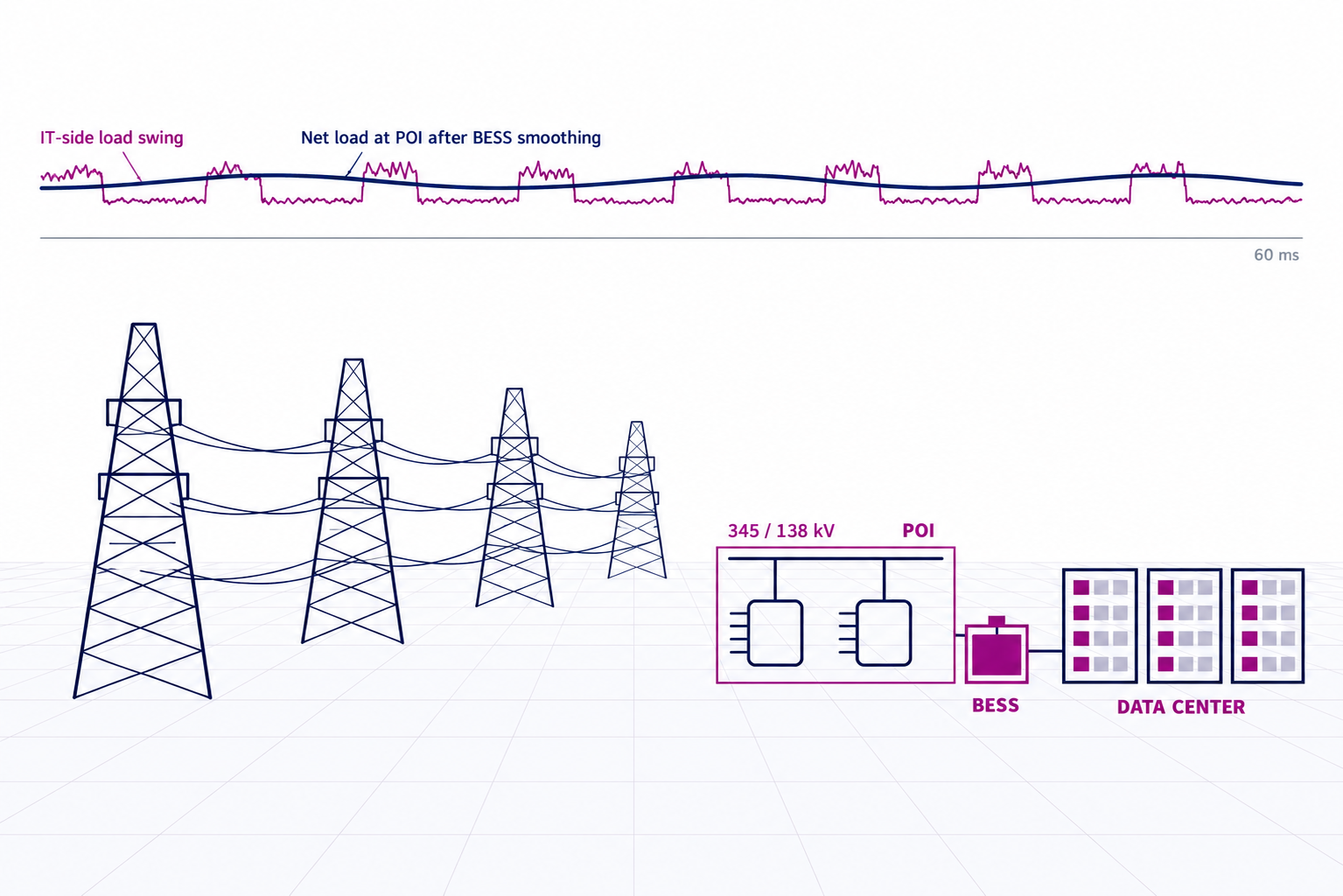
Learn how to prepare a MISO large-load interconnection package, including PSS®E models, BESS smoothing, harmonic data and transmission-owner requirements.
By SANDIP R PATEL
•
September 26, 2026
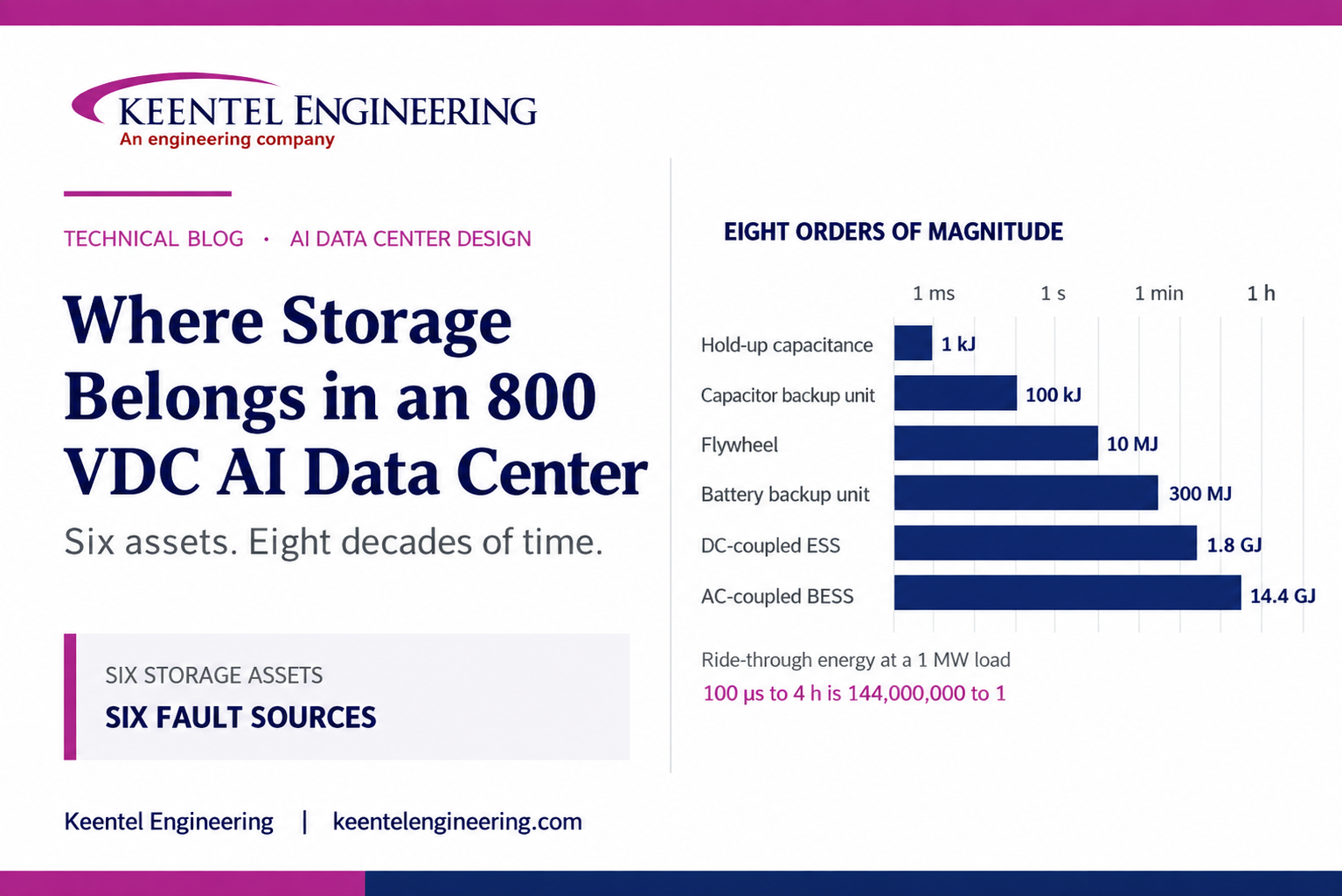
Learn where storage belongs in an 800 VDC AI data center, including capacitors, flywheels, BESS, fault current, protection, grounding, and EMT design.
By SANDIP R PATEL
•
September 26, 2026
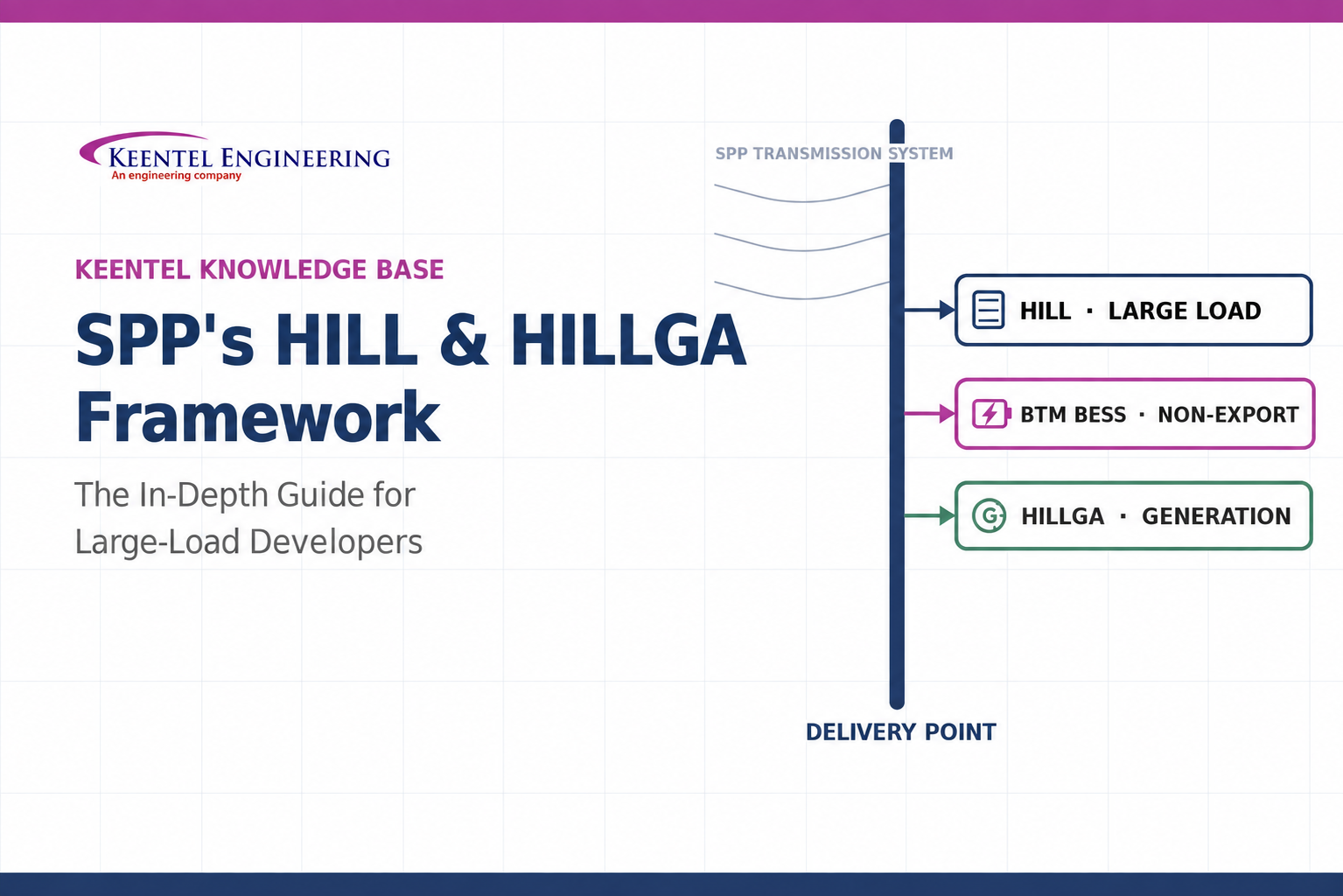
Learn how SPP’s HILL and HILLGA framework works for large-load projects, including studies, BTM generation, modeling, EMT requirements, and firm service.
By SANDIP R PATEL
•
September 25, 2026
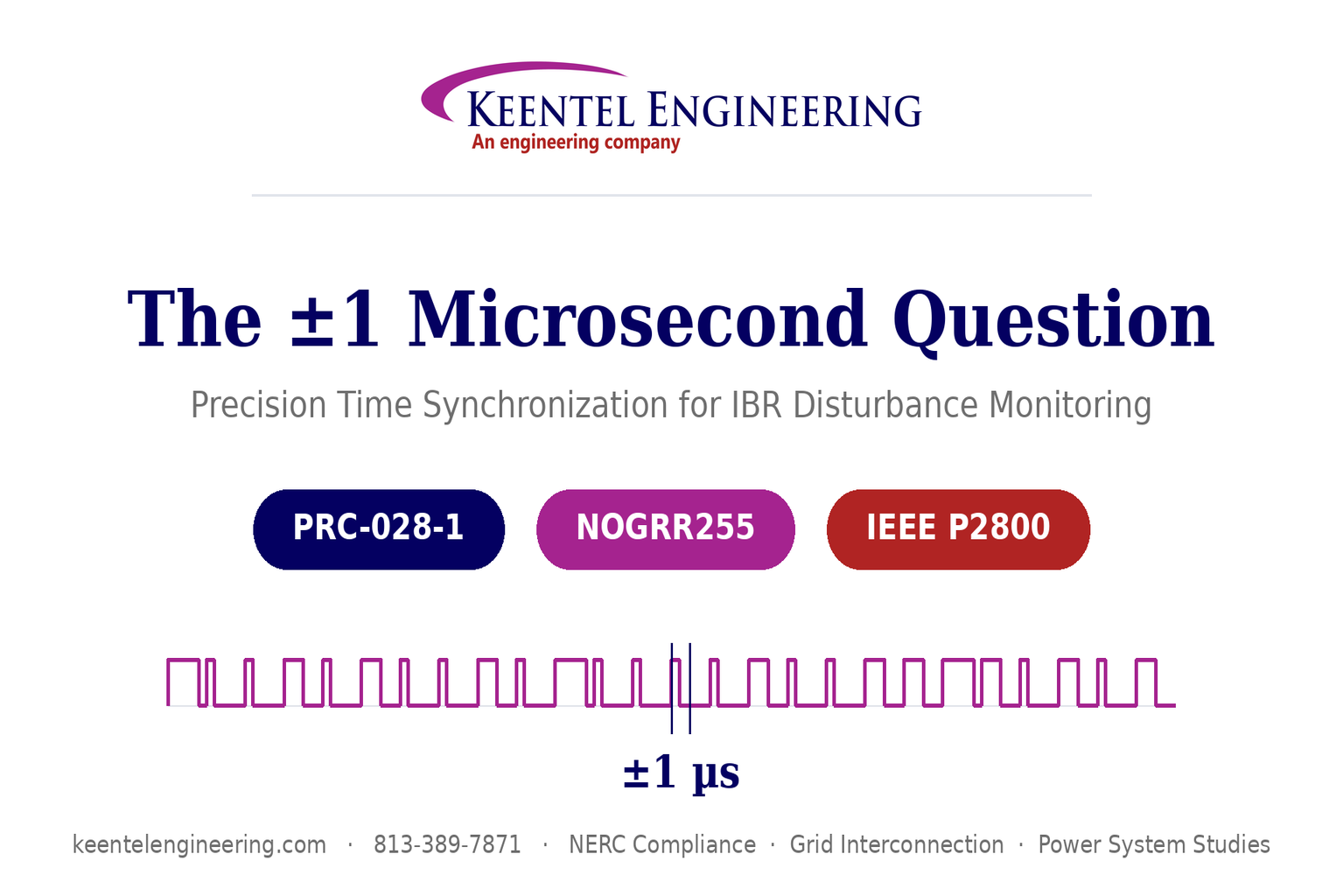
Learn how IBR time synchronization, IEEE 2800, IRIG-B verification, and PTP solutions help meet disturbance monitoring compliance requirements.
By SANDIP R PATEL
•
September 24, 2026
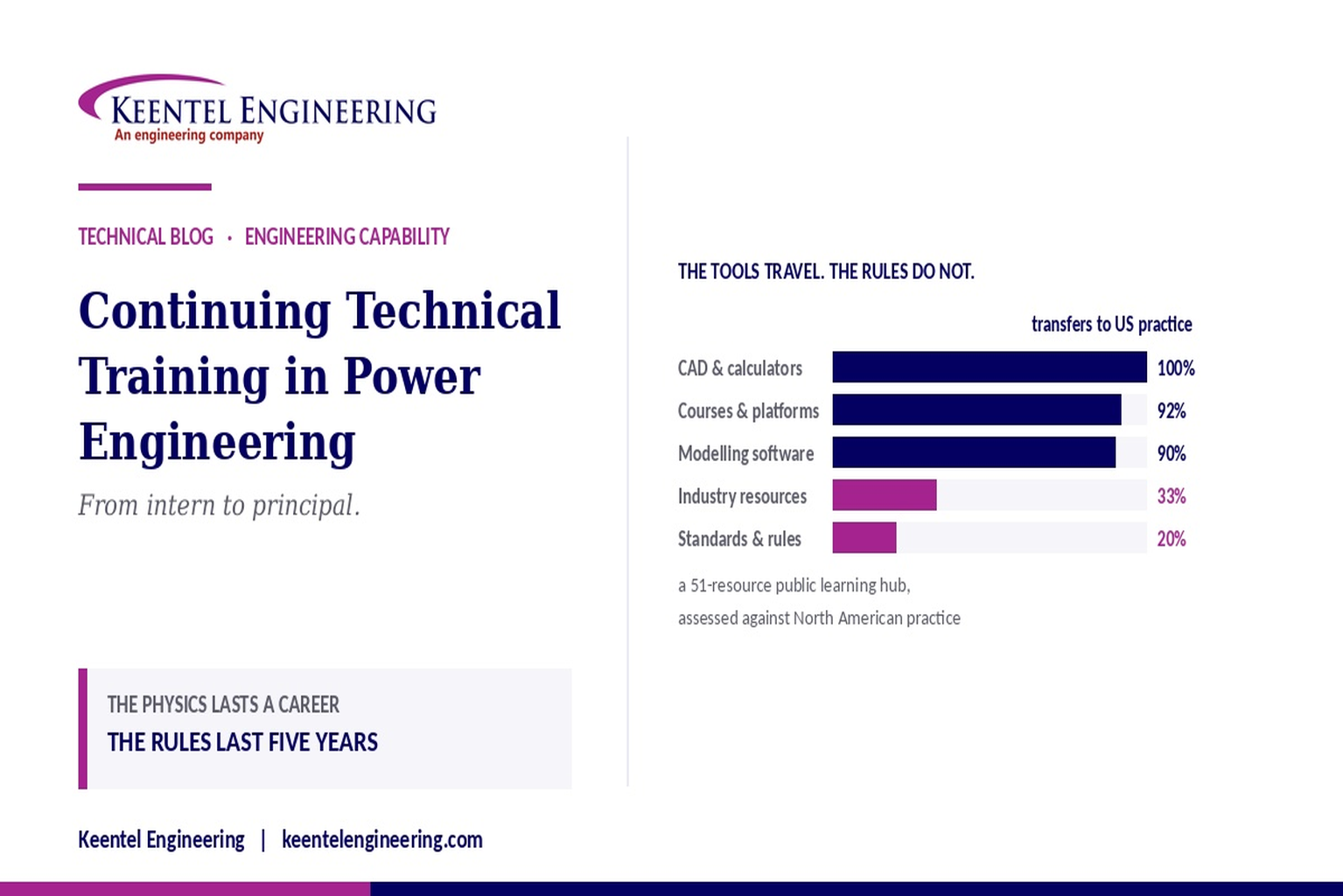
Learn why continuing technical training matters in power engineering, including standards, software skills, PDH requirements, and career growth.
By SANDIP R PATEL
•
September 22, 2026
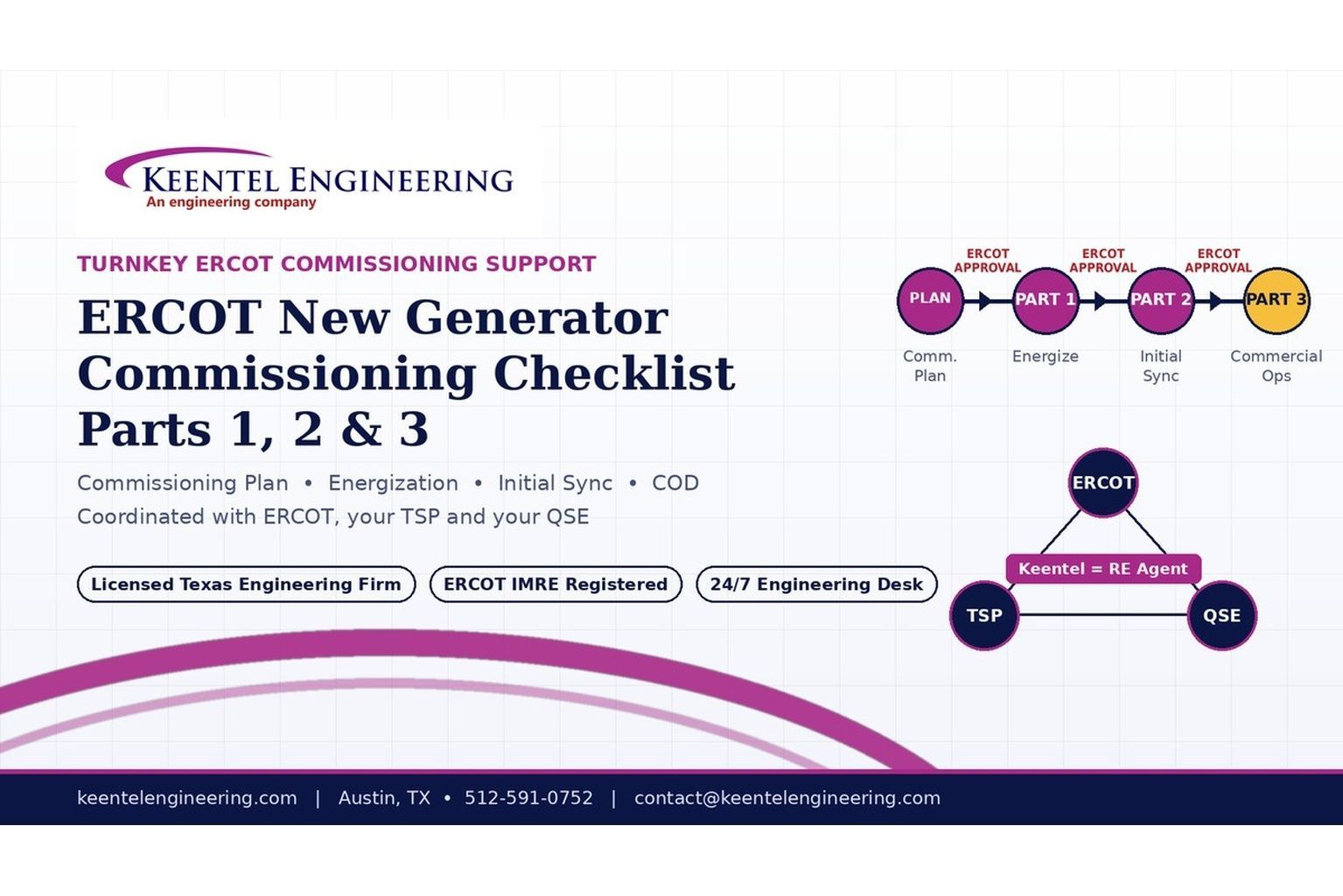
2026 ERCOT commissioning guide covering the Commissioning Plan, Checklist Parts 1–3, BESS requirements, TSP/QSE coordination, field testing and COD.
By SANDIP R PATEL
•
September 22, 2026
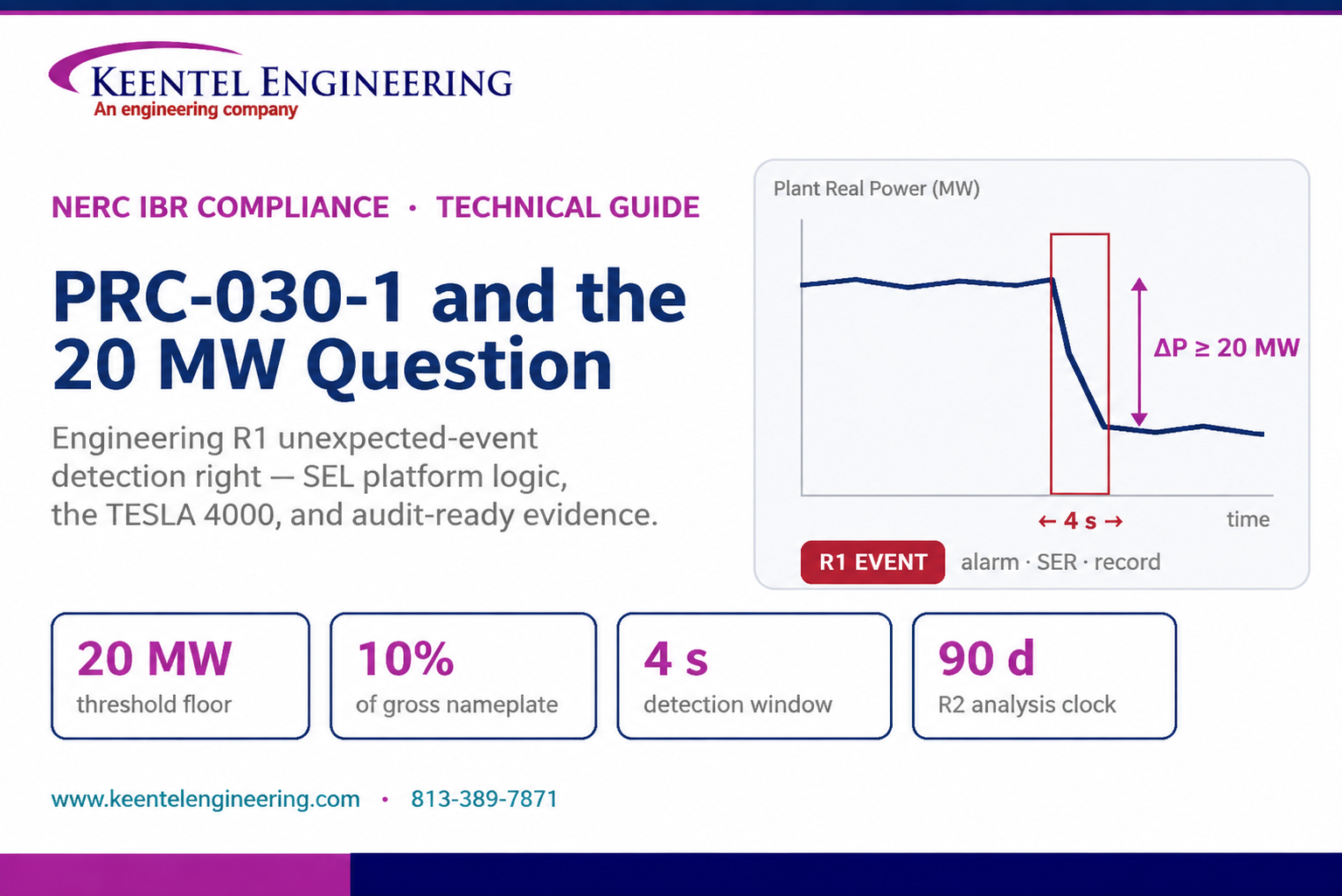
Learn PRC-030-1 R1 event detection requirements for inverter-based resources, SEL platforms, disturbance monitoring, and audit-ready compliance.
By SANDIP R PATEL
•
September 22, 2026
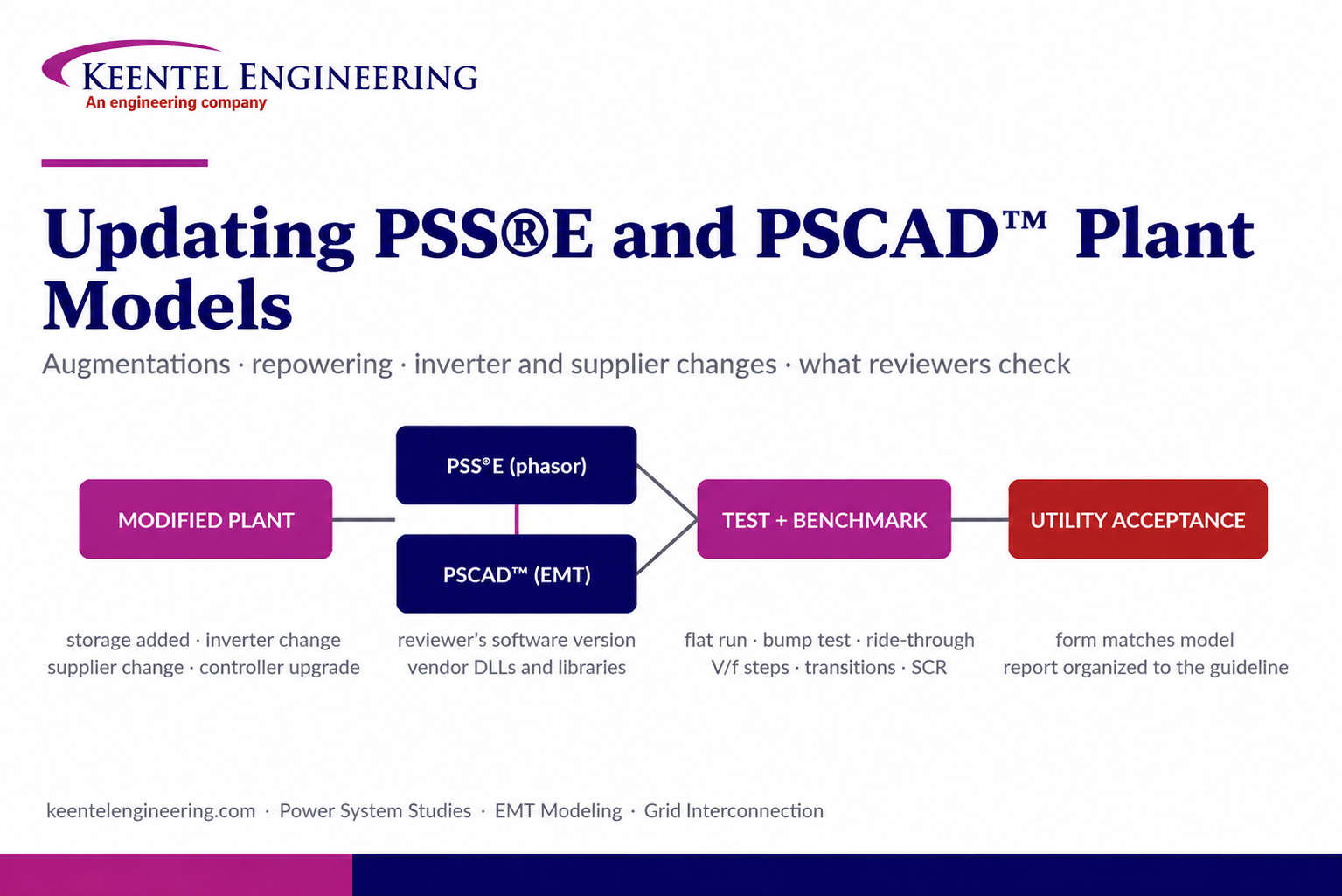
Learn how PSS®E and PSCAD™ model updates support plant augmentations, repowering, equipment changes, testing, benchmarking, and grid compliance.
By SANDIP R PATEL
•
September 20, 2026
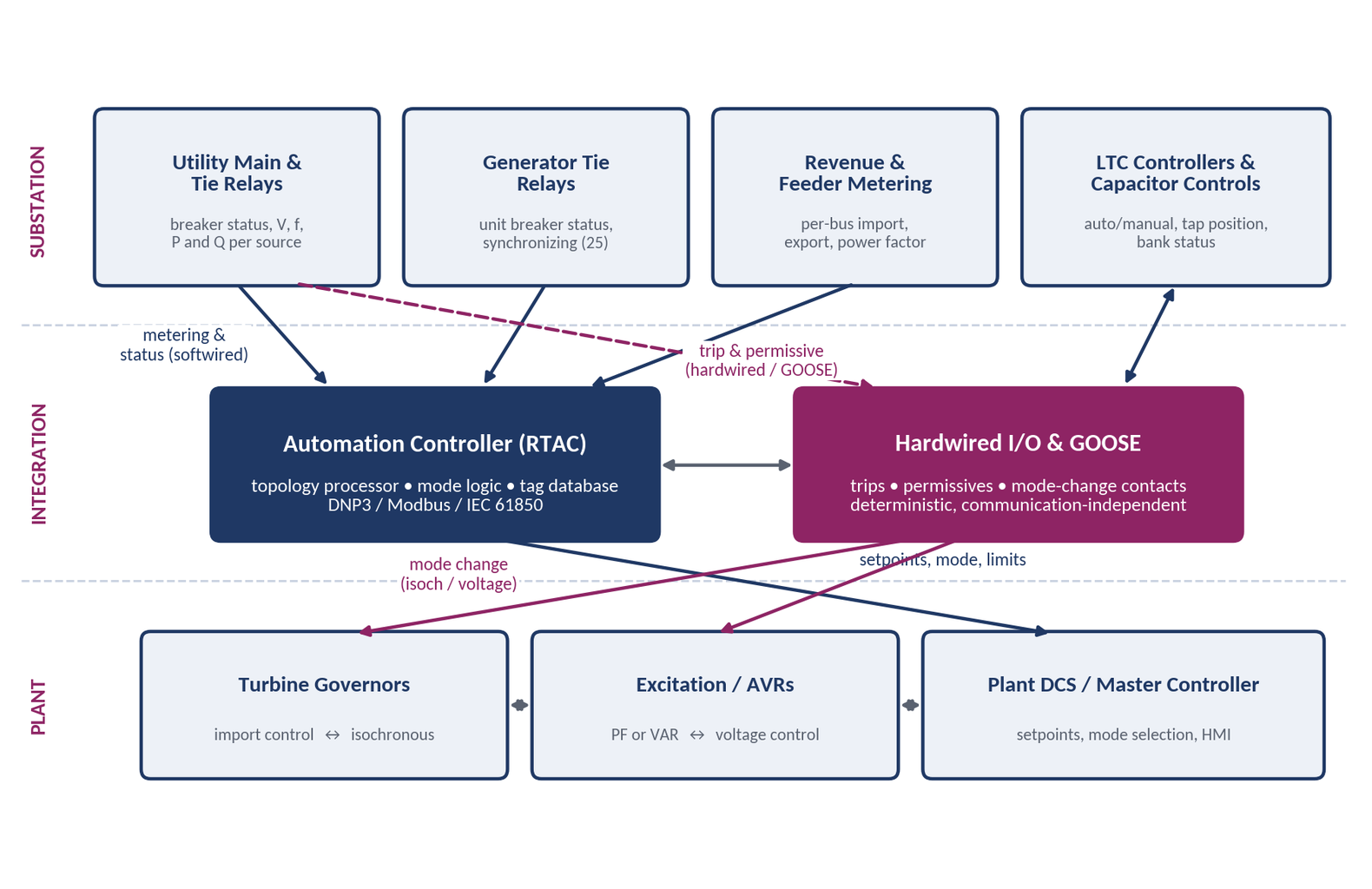
Learn CHP load following and island detection engineering for campus plants, including protection, controls, power studies, and grid transition design.