Utility-Scale BESS Design & ERCOT Modeling
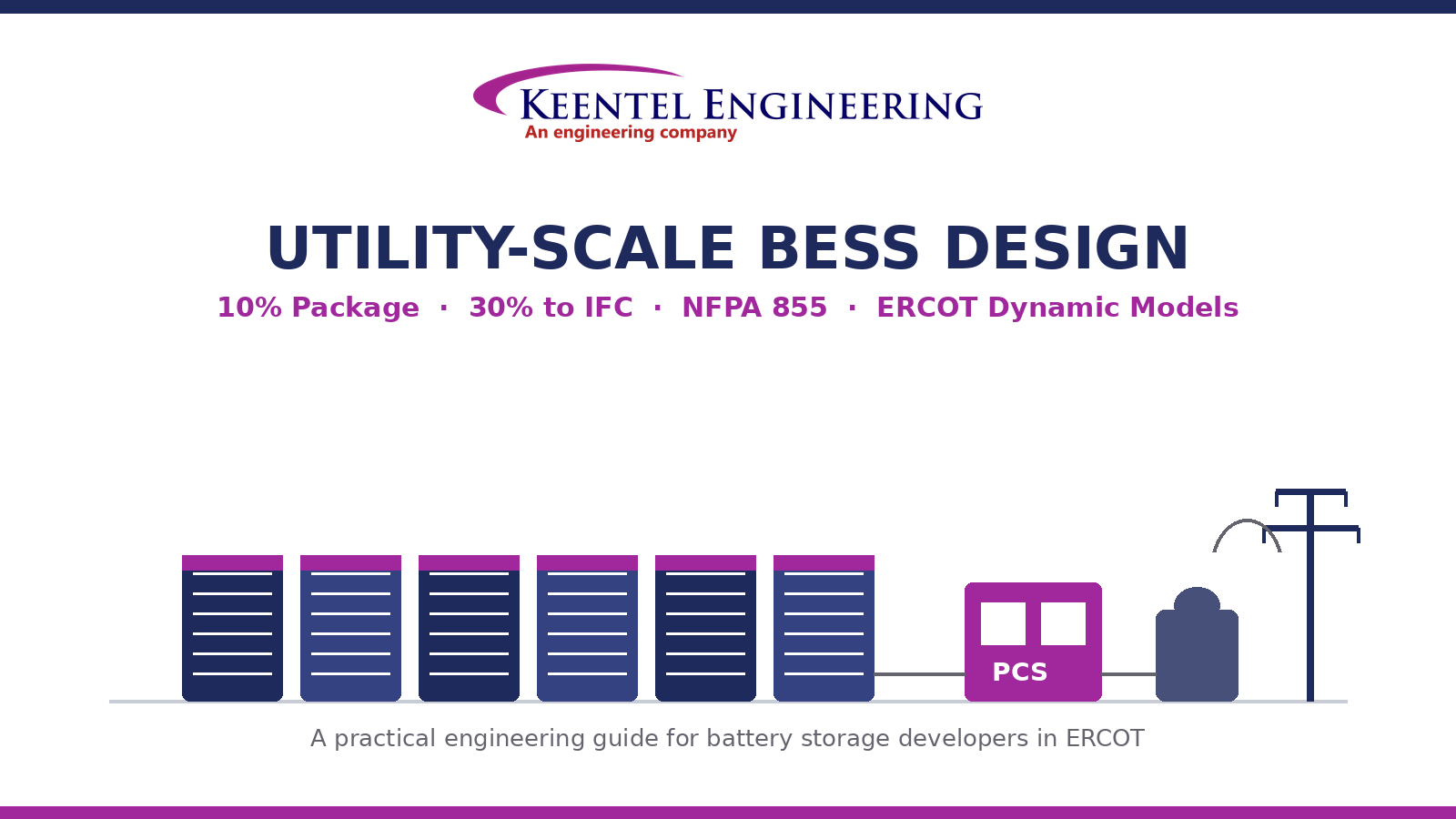
BESS electrical design, grid modeling, interconnection studies, and utility-scale energy-storage engineering considerations.

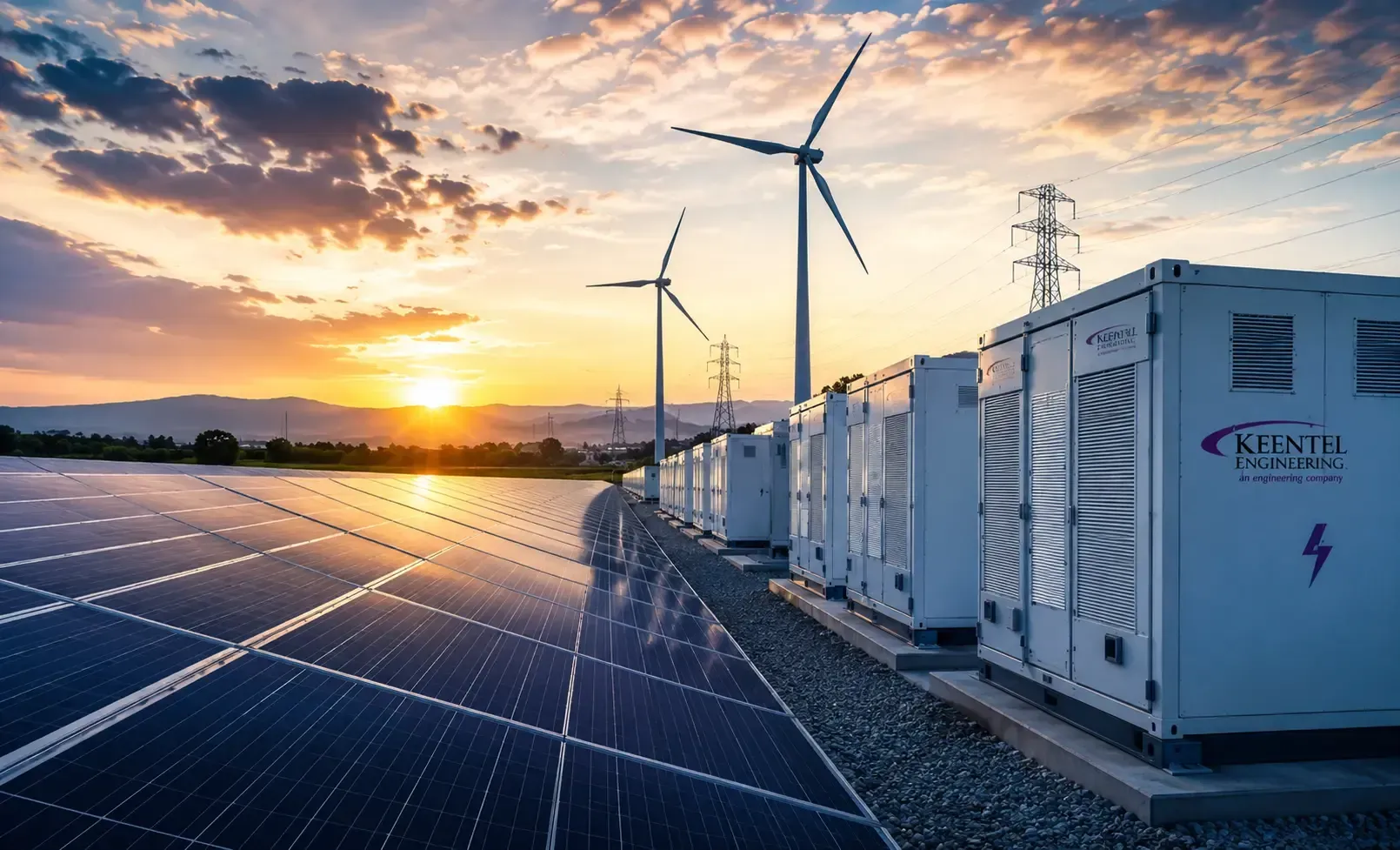
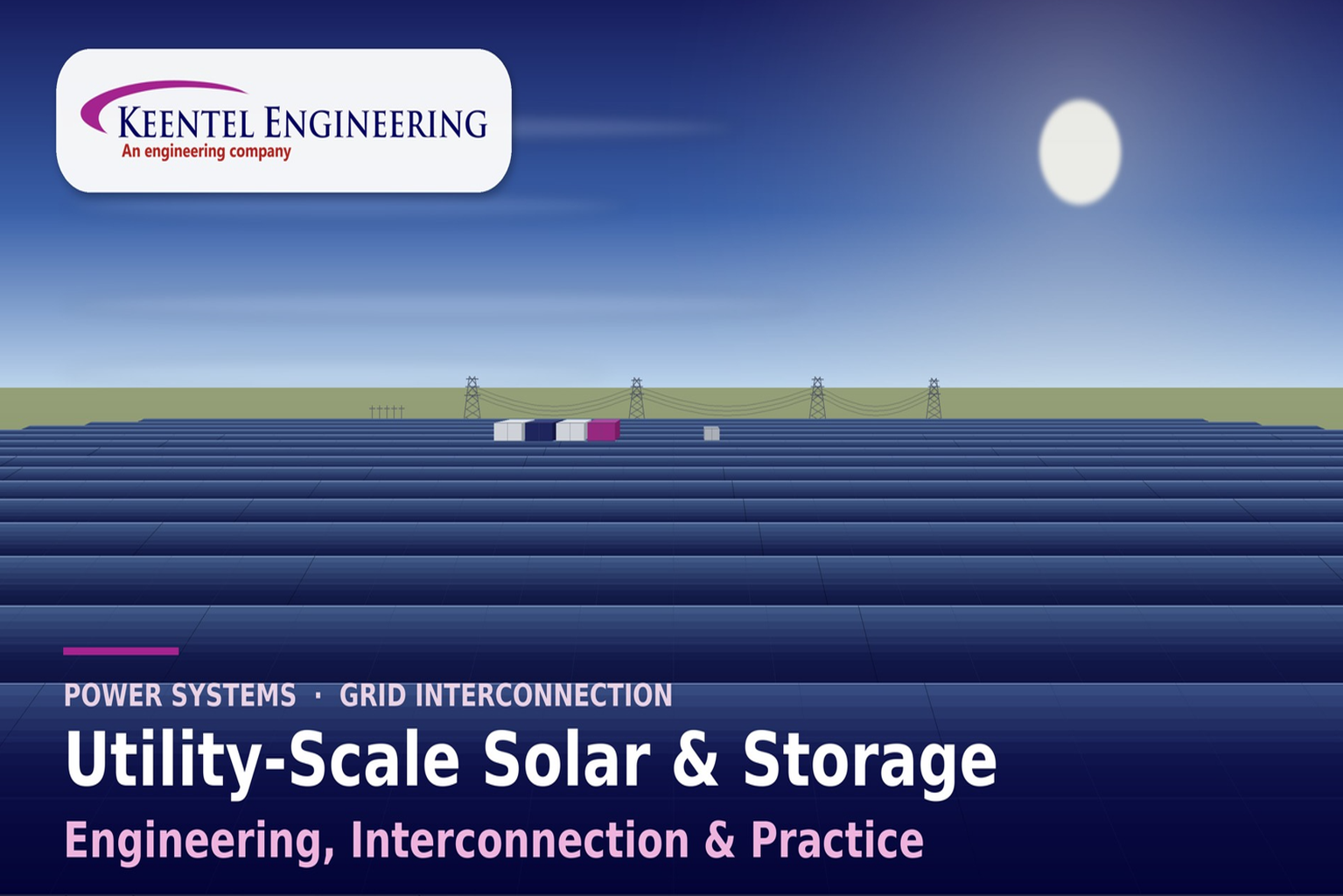
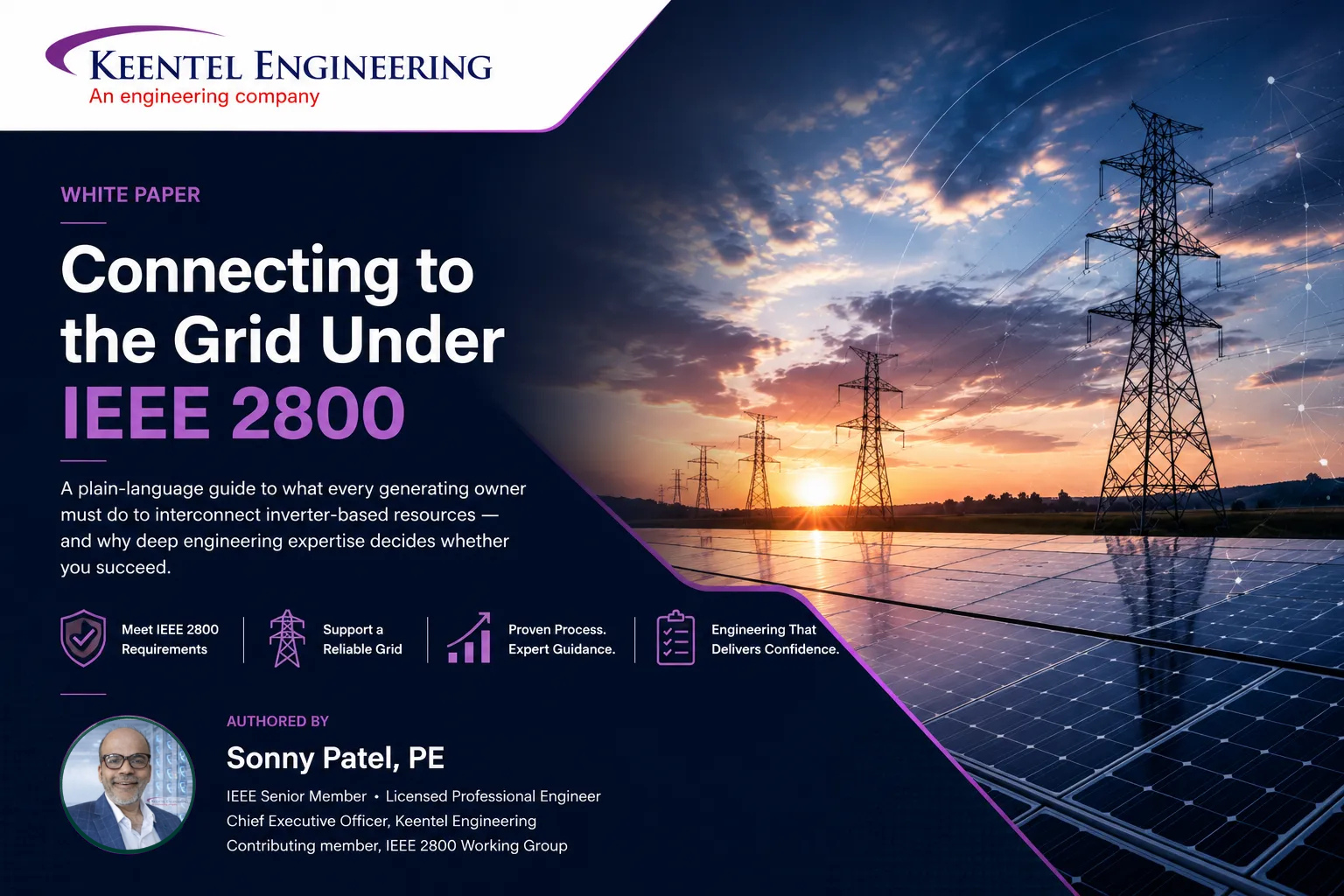
Engineering support for solar, wind, and BESS projects — from POI studies and IEEE 2800 compliance to grid integration and NERC reliability support.
Utility-scale renewable energy projects require advanced power system engineering to ensure reliable and compliant grid integration. Keentel Engineering supports solar, wind, and BESS developers with POI interconnection studies, IEEE 2800 compliance, dynamic modeling, and NERC reliability support.

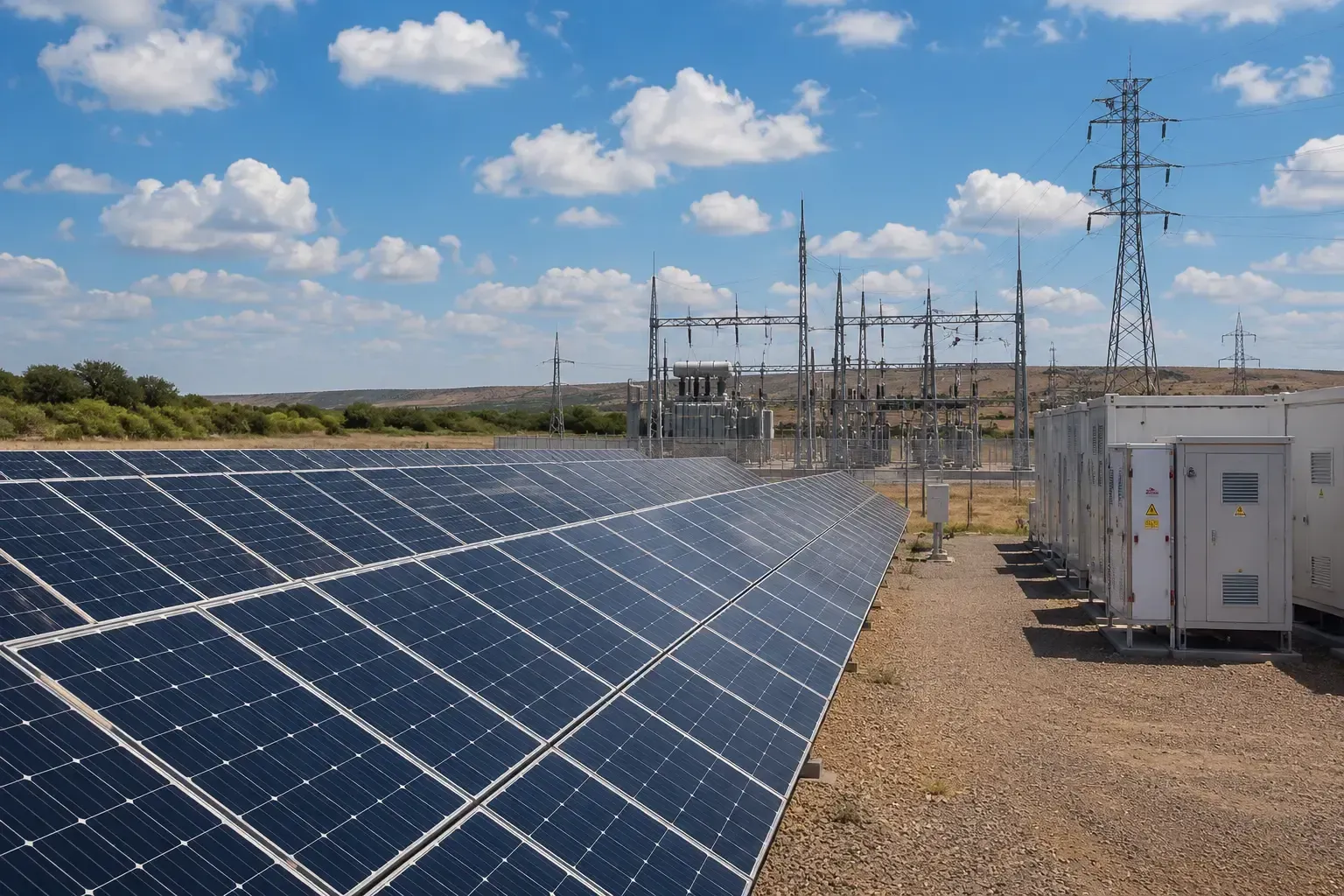
Keentel Engineering supports solar farm projects with
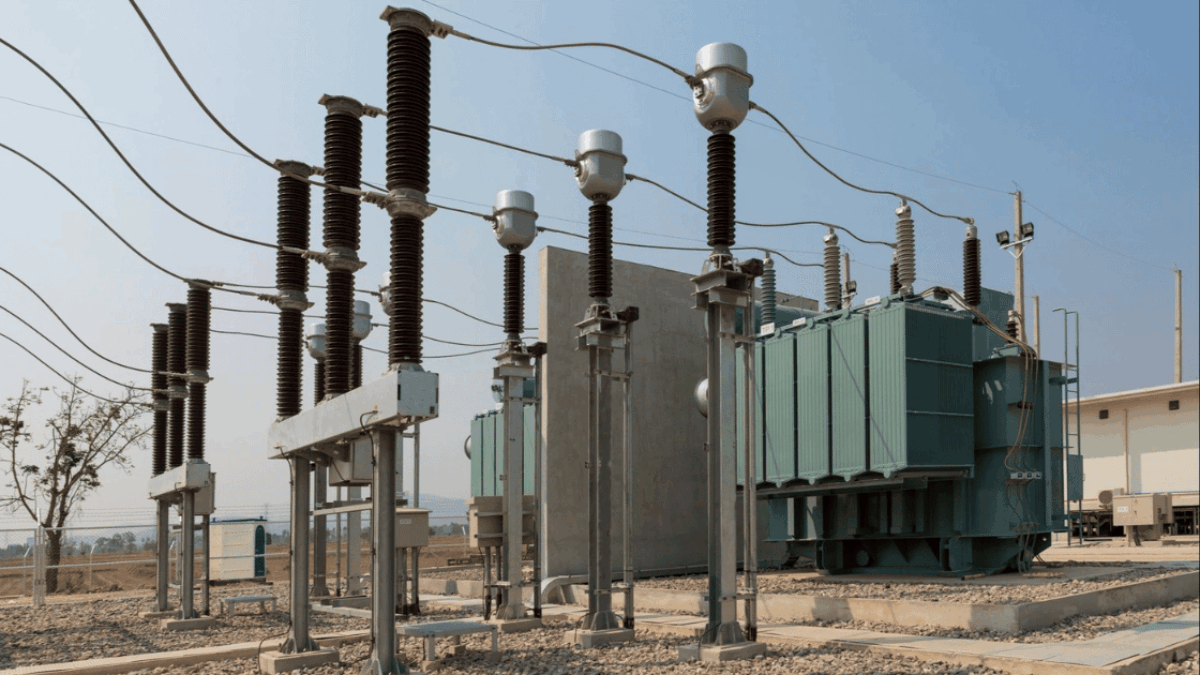
POI interconnection studies, IEEE 2800 compliance, harmonic analysis, short-circuit studies, protection coordination, and NERC PRC-024/PRC-029 support. We help validate safe grid integration and stable inverter performance.

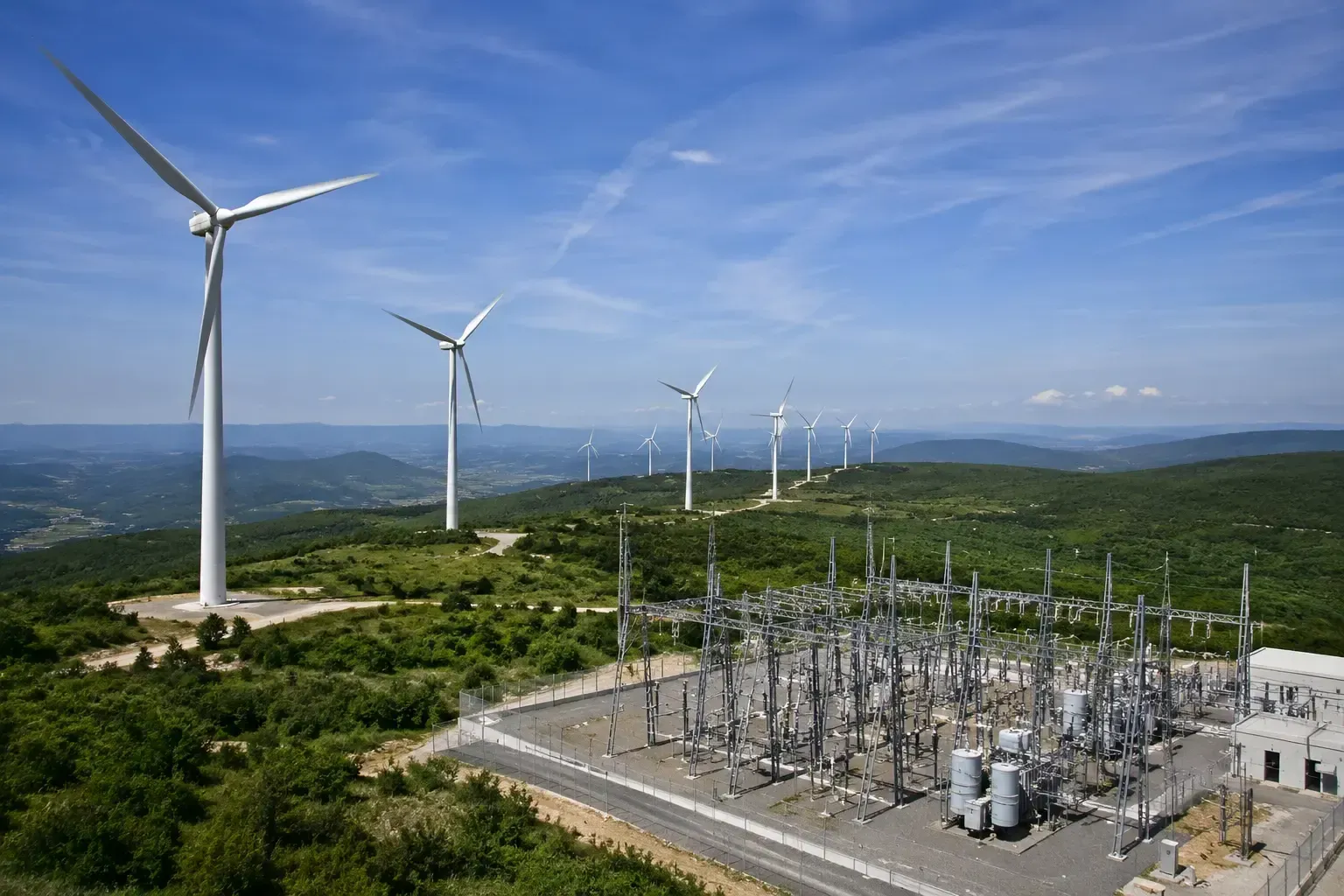
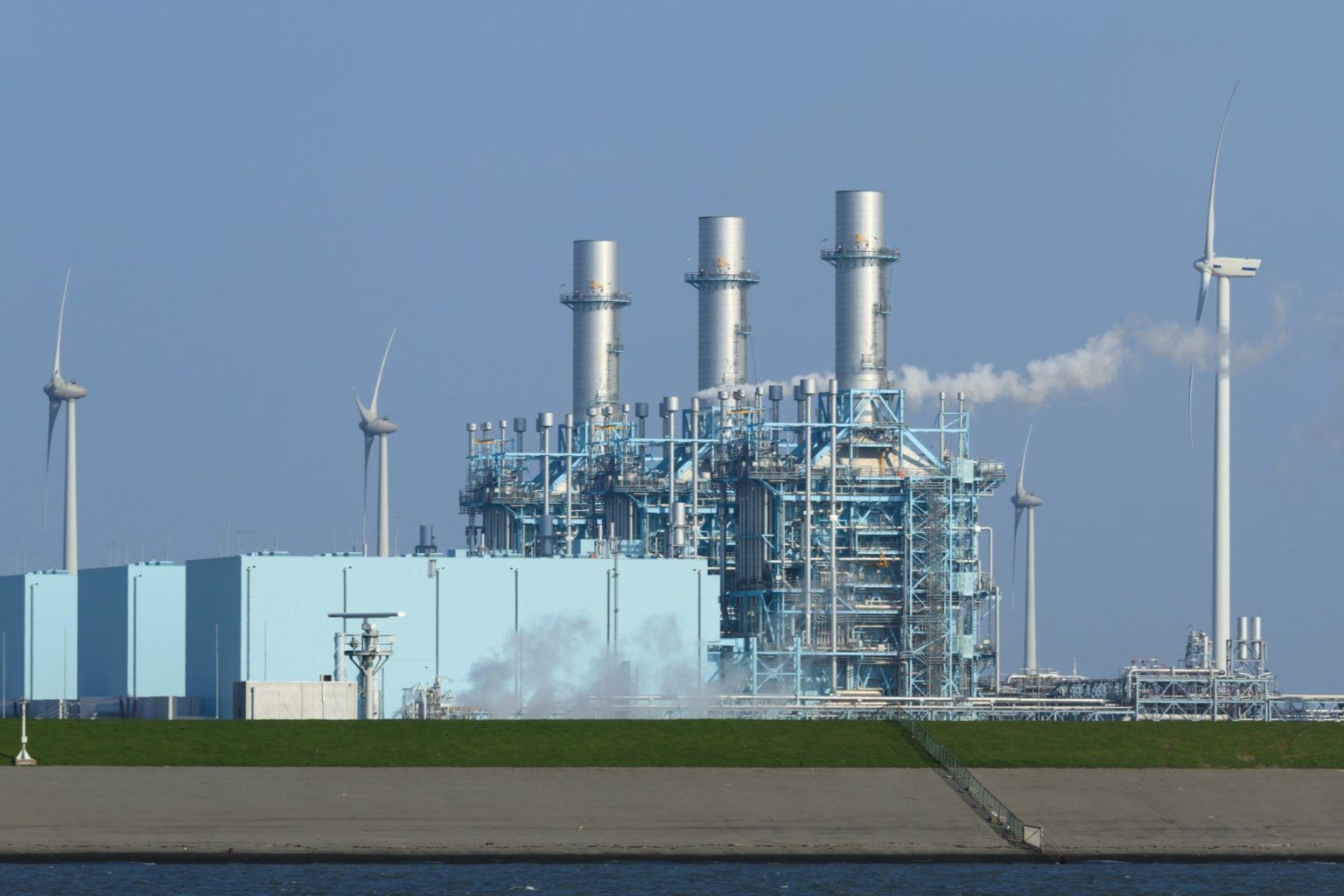
We provide wind farm engineering for Type 3 and Type 4 turbine systems, dynamic stability, weak grid analysis, synthetic inertia, subsynchronous oscillation studies, IEEE 2800 validation, and transmission planning support.

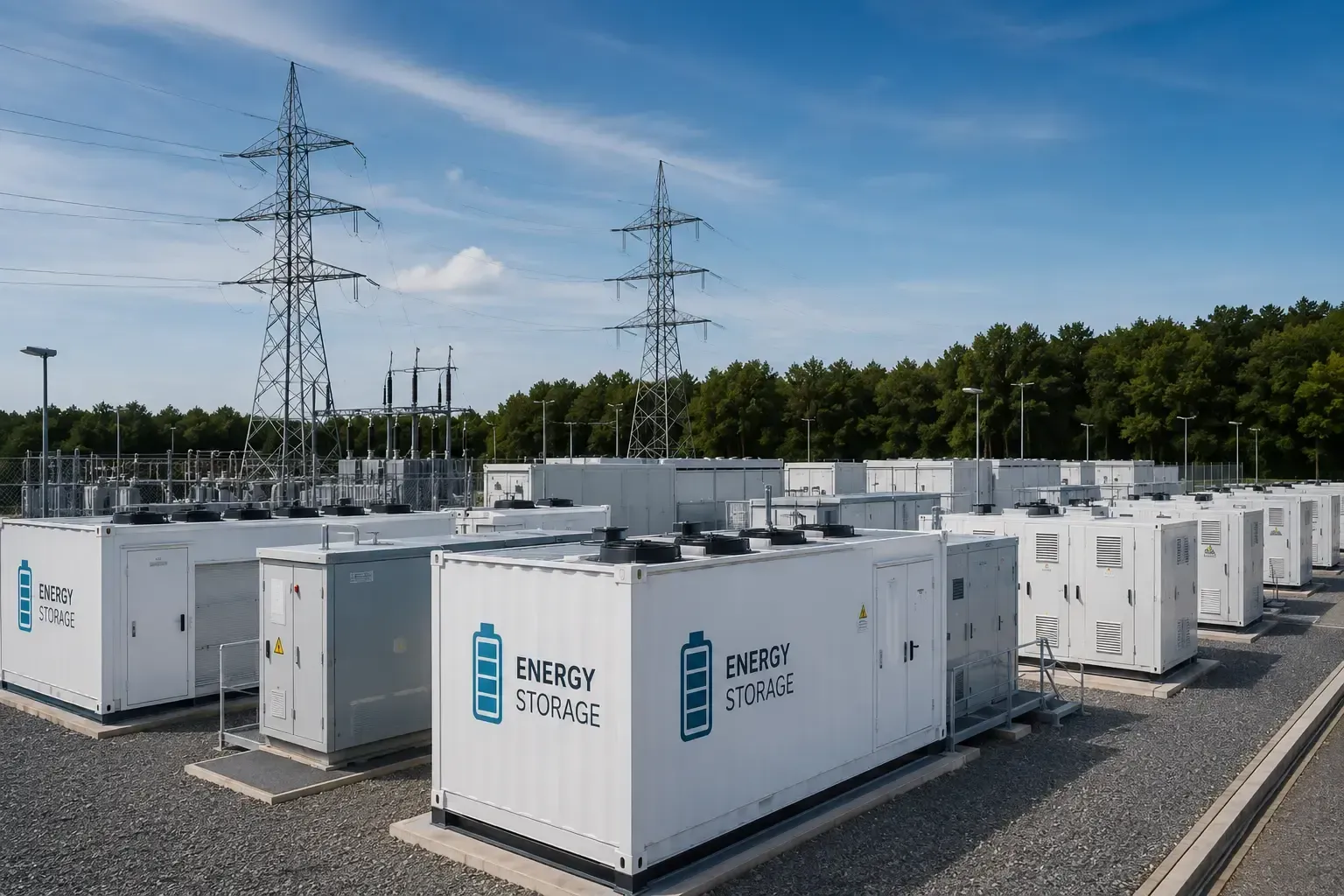
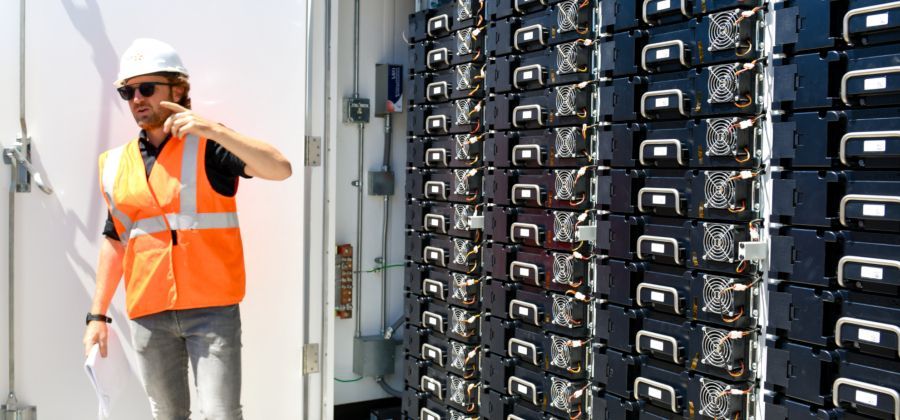
Our BESS engineering services cover grid-forming and grid-supporting inverter controls, frequency response studies, harmonic analysis, fault contribution review, protection coordination, and energy management system validation.
Solar, wind, and BESS projects operate differently from traditional power plants. These inverter-based resources rely on software controls, fast response times, and detailed
grid modeling to remain stable.
we help developers Address:
We ensure IEEE 2800 and NERC PRC-024/PRC-029 compliance so your project gets approved and operates reliably.

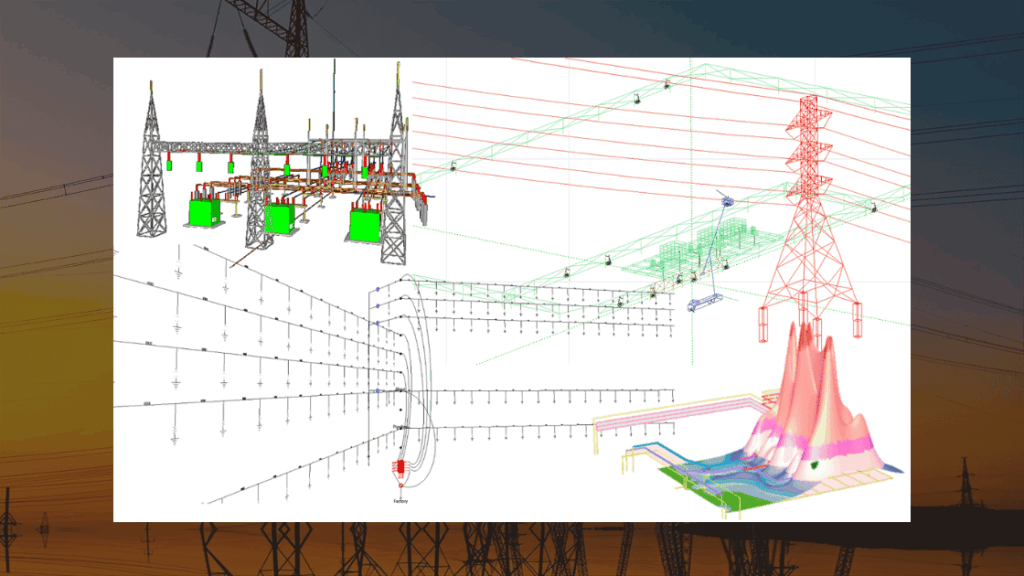
Keentel Engineering uses advanced power system simulation platforms to support utility-scale solar, wind, and BESS projects — including POI interconnection studies, dynamic stability analysis, harmonic studies, EMT modeling, and IEEE 2800 compliance validation.


PSS®E
ETAP
PSCAD
PowerWorld
SKM PTW
Define applicable standards, project scope, technical requirements, and compliance objectives.
Develop steady-state and dynamic models to establish the baseline power system performance.
Perform interconnection studies and validate compliance with utility and regulatory requirements.
Identify technical risks, recommend mitigation measures, and prepare supporting documentation.
Support operational planning, grid operator coordination, and final project readiness.
Technical guidance from Keentel Engineering covering utility-scale solar, wind and BESS engineering, inverter-based resource modeling, plant testing, grid integration, dynamic performance, and NERC and grid-code compliance.
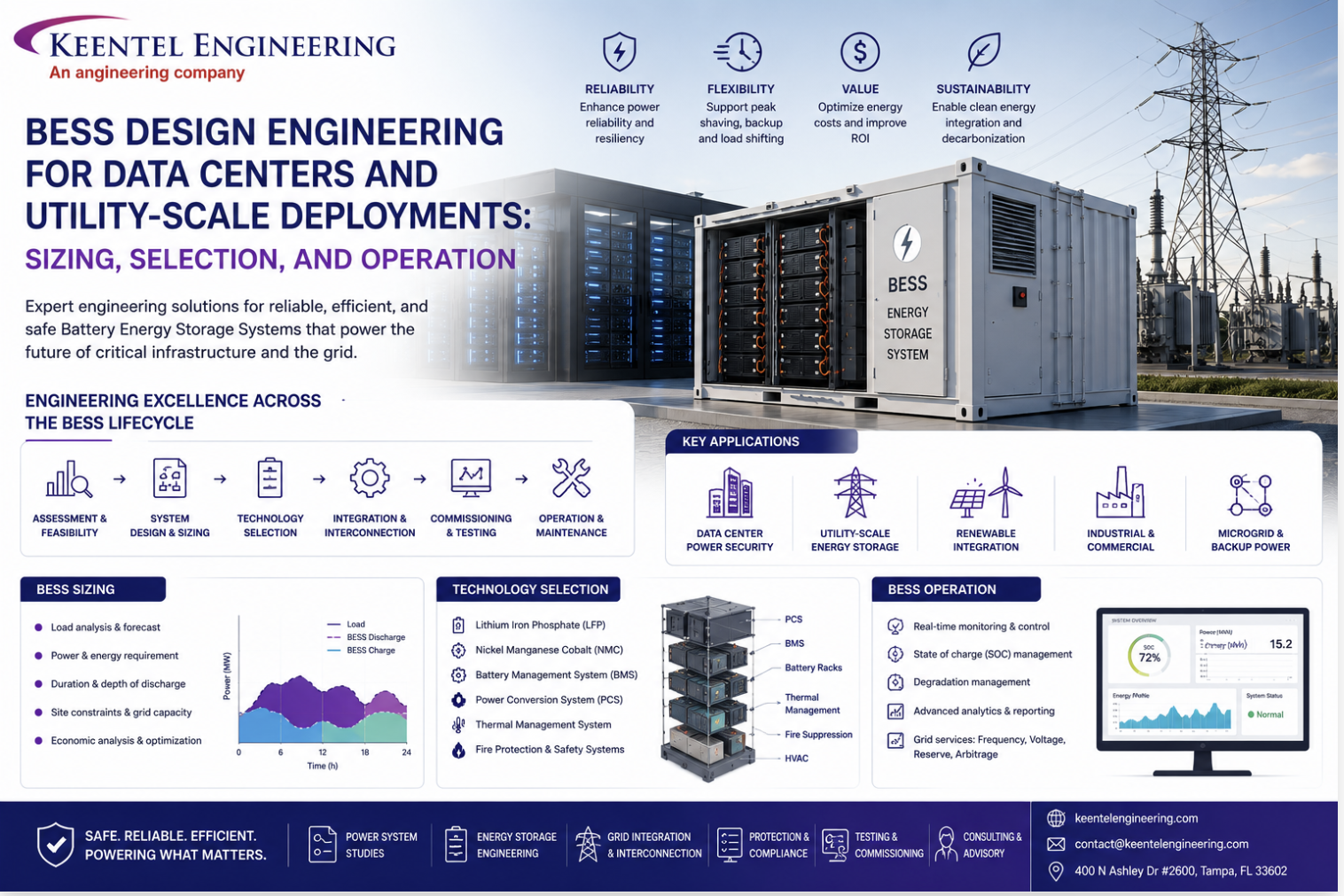
BESS electrical design, grid modeling, interconnection studies, and utility-scale energy-storage engineering considerations.
Core BESS equipment, power-conversion systems, controls, protection, and integration within utility-scale renewable plants.
Compare inverter control modes, dynamic response, voltage-frequency support, and stability behavior in IBR plants.
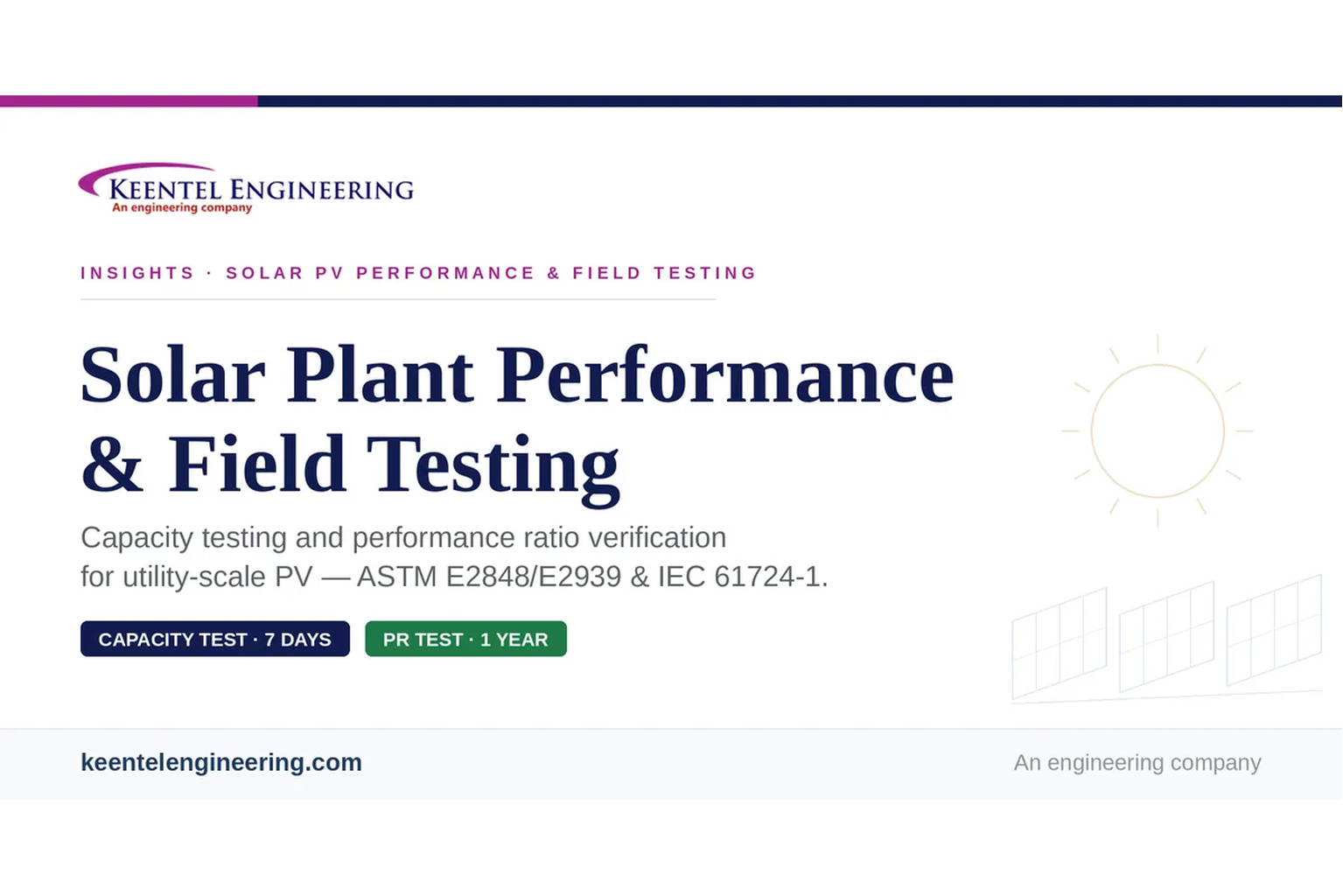
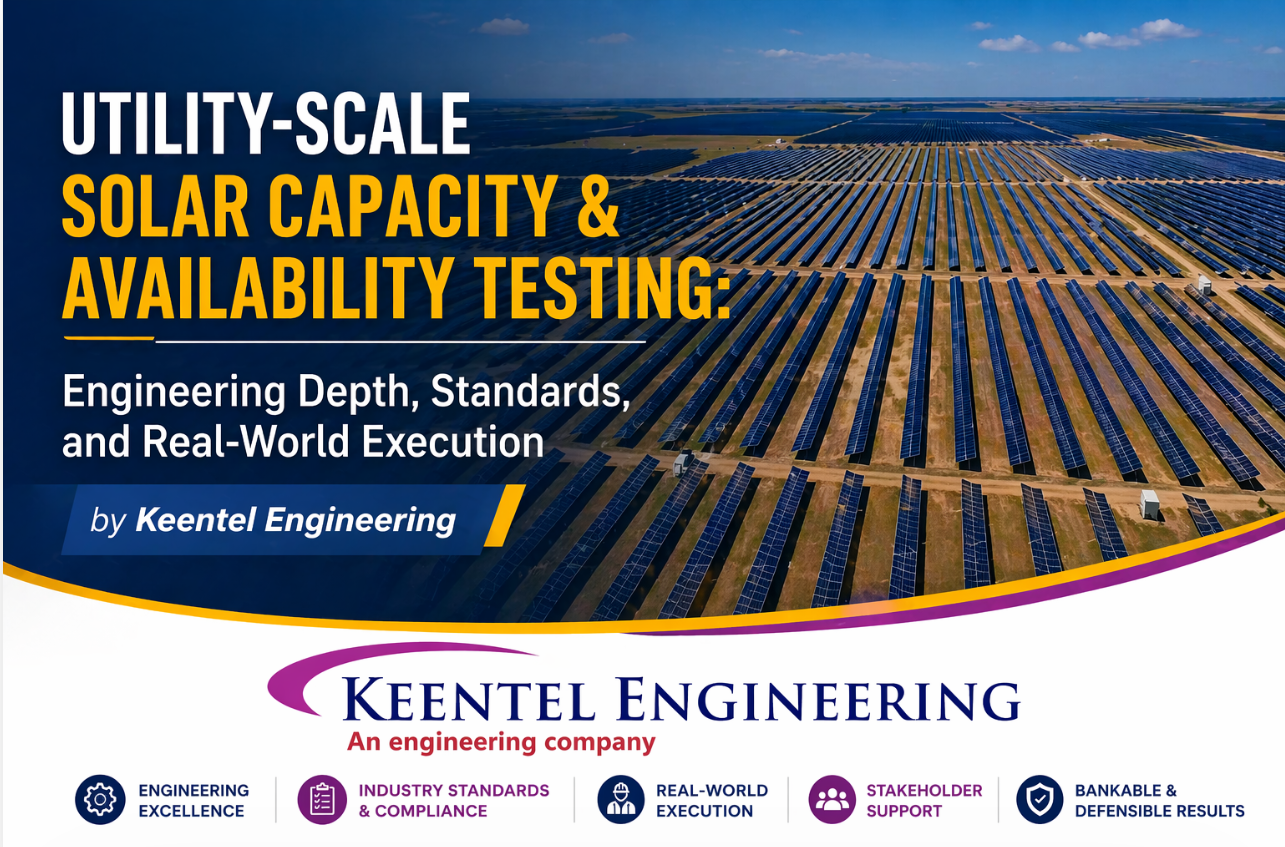
Utility-scale PV capacity verification, performance-ratio testing, plant acceptance, and operational performance evaluation.
Electrical verification and commissioning checks for utility-scale solar plants before energization and commercial operation.
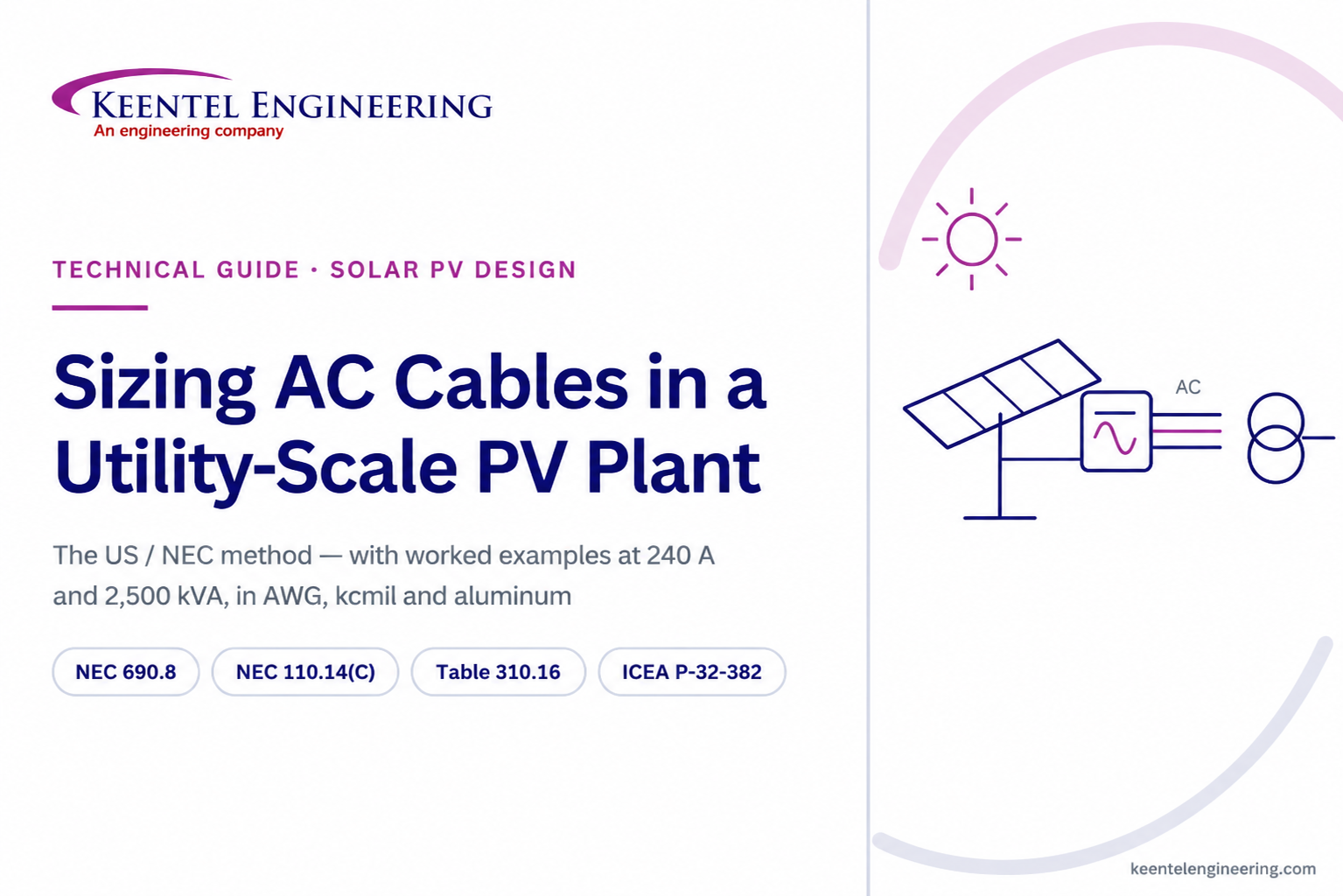
Cable ampacity, voltage drop, thermal limits, and electrical design considerations for utility-scale photovoltaic plants.
Reverse-current behavior in PV systems, protection requirements, equipment impacts, and renewable-plant design considerations.
Understand BESS energy ratings, usable capacity, performance guarantees, and project-level sizing considerations.
Protection and performance requirements affecting inverter-based solar, wind, and BESS resources under NERC reliability standards.
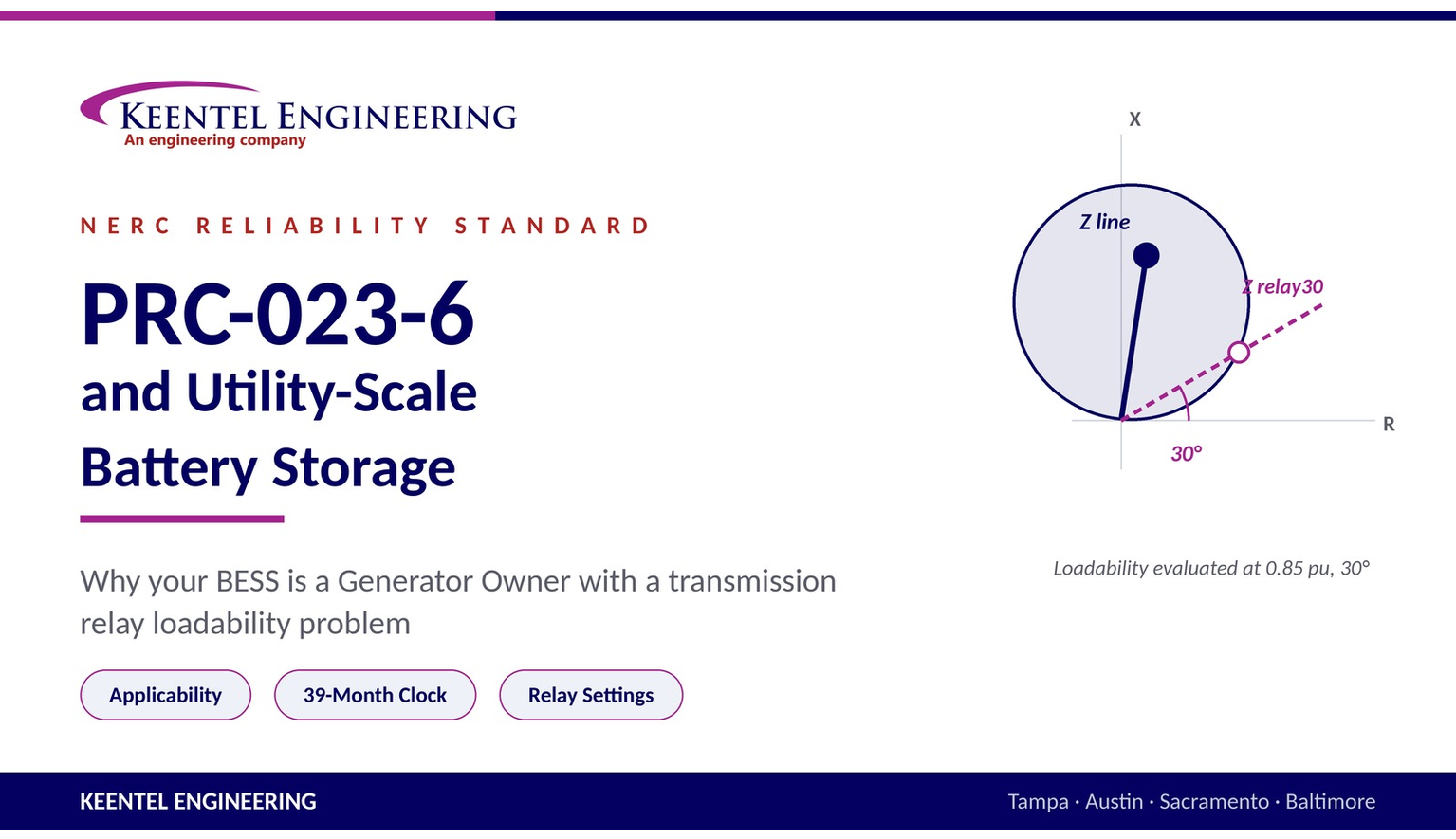
Relay-loadability and protection compliance considerations for transmission-connected battery energy storage projects.
Registration and reliability requirements for inverter-based solar, wind, and battery energy storage facilities.
Dynamic-model review, validation, and grid-code expectations for inverter-based renewable and energy-storage resources.
Our engineers help developers, utilities, and EPC teams reduce technical risk, validate grid performance, and move renewable projects toward safe, compliant interconnection.
Our engineers offer:
Let's Discuss How to Optimize Your Next Project
Need Renewable Engineering Support?
Contact Keentel Engineering to discuss your solar, wind, BESS, or interconnection project.
A utility-scale solar farm is a large solar power generation facility designed to produce significant amounts of electricity, typically in the range of several megawatts (MW) to gigawatts (GW). These solar farms are connected directly to the electrical grid and supply power to utilities, industries, or large-scale consumers. They typically consist of thousands of solar panels, inverters, and associated infrastructure spread across large areas of land.
Engineering plays a critical role in the success of a utility-scale solar farm. Proper design and planning ensure that the system is efficient, reliable, and cost-effective. Engineering services are essential for optimizing energy production, ensuring compliance with grid codes, addressing safety concerns, and minimizing operational costs. A well-engineered solar farm also ensures long-term performance and sustainability.
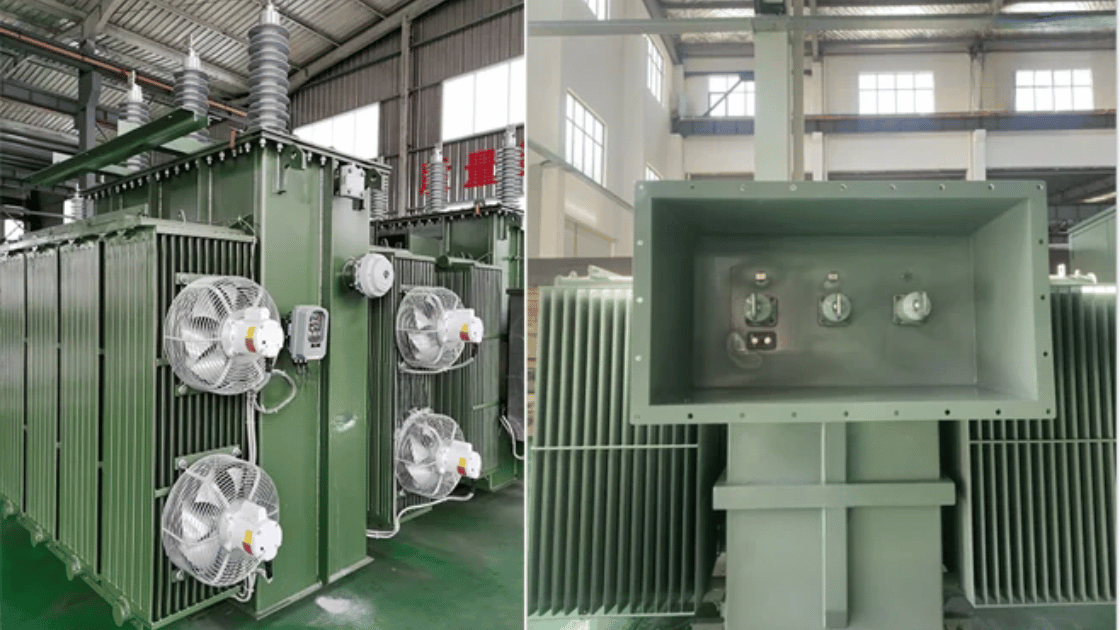
The cost of our utility-scale solar farm engineering services varies depending on the size and complexity of the project. We offer customized pricing based on the scope of work, including design, permitting, construction management, and commissioning. We provide cost-effective solutions tailored to your project’s specific needs while ensuring the highest quality and compliance standards
A utility-scale wind farm is a large-scale wind power generation facility designed to produce significant amounts of electricity, typically ranging from tens of megawatts (MW) to hundreds of megawatts. These wind farms are connected to the electrical grid and supply power to utilities, industries, or large consumers. They consist of multiple wind turbines, substations, and electrical infrastructure, spread over large land areas.
Engineering is crucial for the success of a utility-scale wind farm because it ensures the project is designed for maximum efficiency, reliability, and safety. Proper engineering helps optimize turbine placement, integrate the system with the grid, minimize environmental impacts, and ensure that the farm operates within regulatory guidelines. Well-engineered systems reduce downtime, extend the life of equipment, and maximize energy production.
The cost of our utility-scale wind farm engineering services depends on the size and complexity of the project. We offer customized pricing based on the scope of work, including site assessment, design, construction, and commissioning. We work with clients to provide cost-effective solutions that maximize energy production while ensuring quality and regulatory compliance
Wake loss happens when one turbine blocks or disturbs the airflow to another, reducing overall efficiency. We use advanced modeling to optimize turbine layouts and minimize wake effects, maximizing energy production across the site.
Accurate wind measurement is crucial. We help deploy LiDAR, SODAR, or meteorological towers to collect data on wind speed, direction, and turbulence. This information guides turbine placement, foundation design, and overall project feasibility.
The cost of our utility-scale battery storage engineering services depends on the scope and complexity of the project. We offer customized pricing based on the size of the battery storage system, the technology selected, and the specific engineering services required. Our goal is to provide cost-effective solutions that maximize energy storage efficiency while meeting grid integration and regulatory requirements.
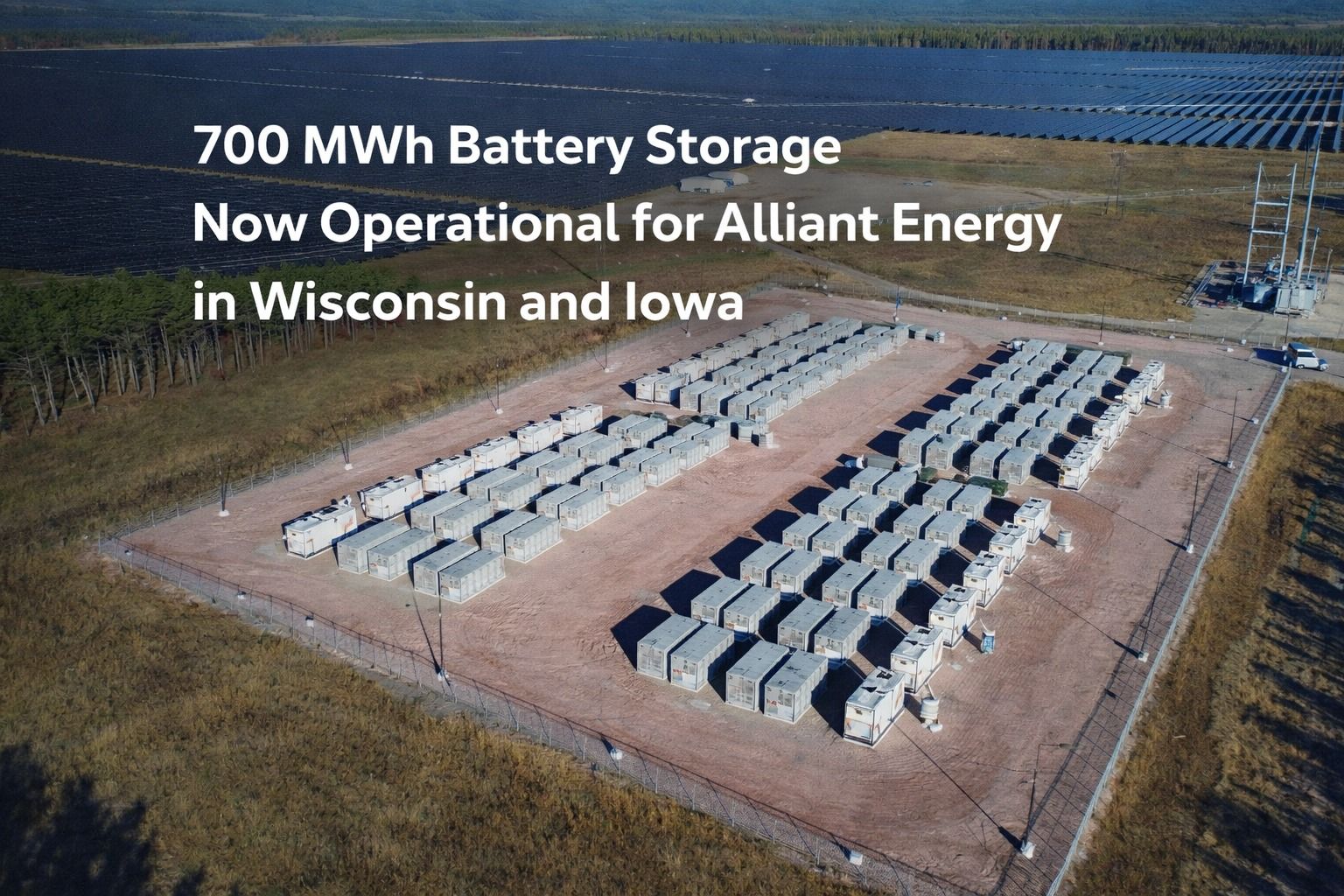
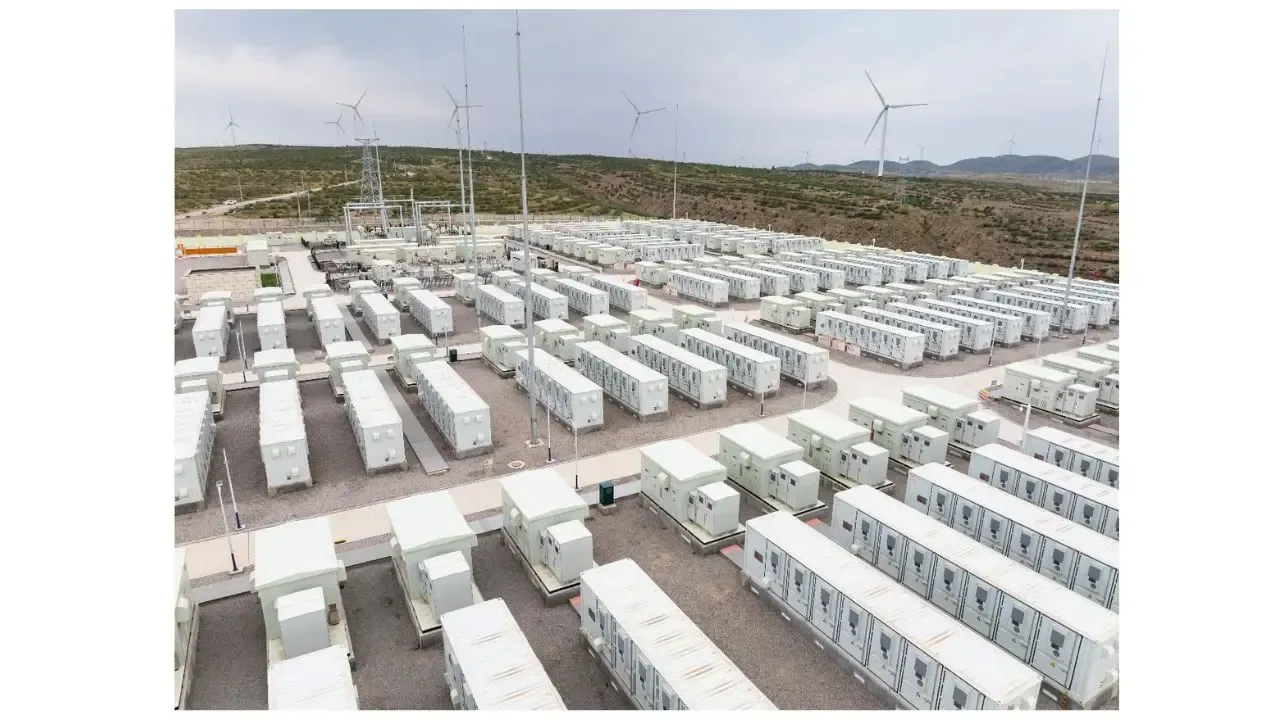
Utility-scale BESS are large-scale battery storage systems typically rated in megawatts (MW) and designed to support the electrical grid, renewable energy integration, and peak load management. In contrast, commercial battery systems serve individual facilities or campuses and are usually smaller in capacity, focusing on energy savings and backup power rather than grid-level applications.
A utility-scale battery energy storage system helps stabilize the grid by instantly discharging stored electricity during peak demand, frequency fluctuations, or outages. This prevents grid overload, supports black start capabilities, and ensures uninterrupted power supply during critical situations.
Lithium-ion batteries—particularly LFP (Lithium Iron Phosphate)—are the most common choice for utility-scale BESS due to their high cycle life, fast response time, and safety profile. Other technologies like flow batteries and sodium-ion systems are also emerging for long-duration storage needs.
Post-commissioning, BESS optimization includes monitoring charge/discharge patterns, performing predictive maintenance, updating EMS/SCADA configurations, and adjusting algorithms to enhance round-trip efficiency, demand response capabilities, and asset longevity.
Safety protocols include compliance with UL 9540A testing, implementation of fire suppression systems, thermal runaway detection, proper enclosure ventilation, and regular risk assessments. Keentel ensures full adherence to NFPA 855 and other site-specific safety codes.
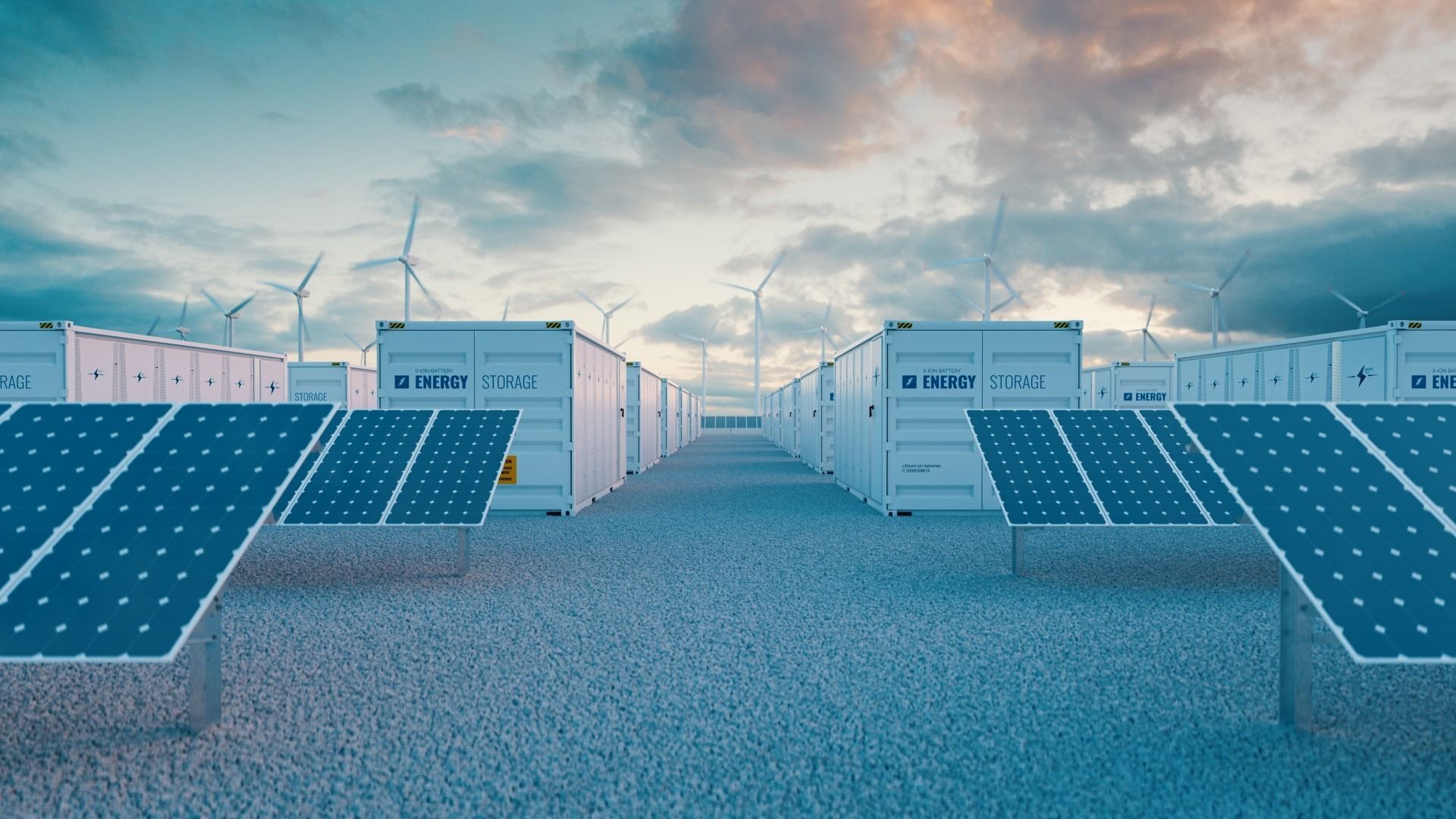
Yes, utility-scale BESS are commonly co-located with solar or wind farms to store excess generation and discharge during low production or peak demand. This enhances renewable energy utilization, smooths intermittency, and provides firm capacity to the grid.


Serving for more than two decades, we are a name you can trust and count on for your power system and engineering support needs. We can provide innovative solutions to take your business to greater heights.
State of Florida — Registry No. 36853, KEENTEL LLC, DBA: KEENTEL ENGINEERING
Copyright 1995-2026 Keentel Engineering All Rights Reserved
add a title
Add a link
Add a link
Add a link
add a title
Add a link
Add a link
Add a link
add a title
Add a link