Reliability Coordinators
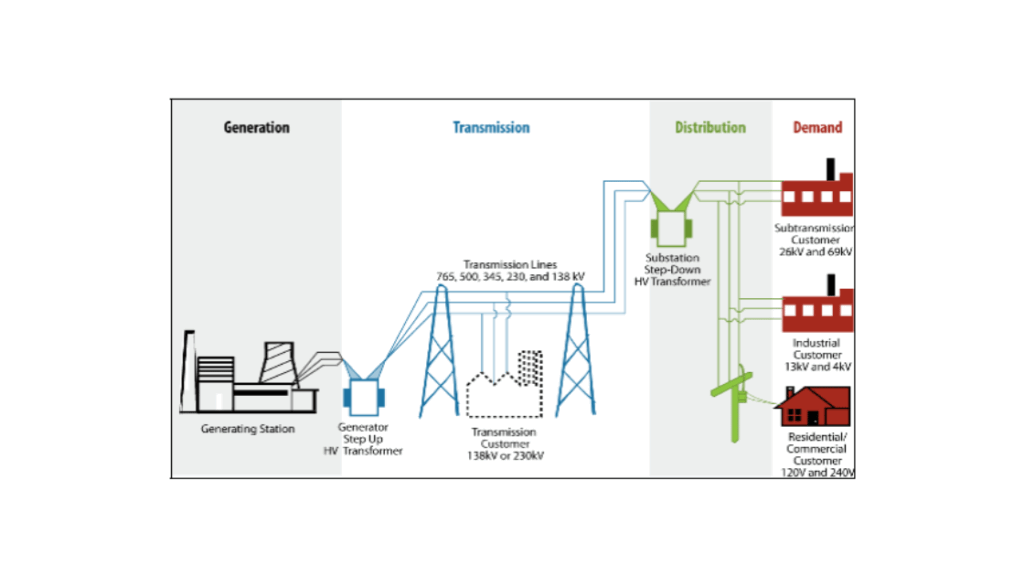
The primary applicable entity for monitoring, analysis, IROL management, RC-to-RC coordination and Real-time monitoring capabilities.

Your Trusted Partner in Electrical Engineering and Power Systems
At Keentel Engineering, we deliver electrical power engineering services built on 30 years of experience and a commitment to excellence. Our clients include utilities, developers, EPCs, and public agencies across the U.S.
Unlike firms that sacrifice technical depth to chase billable hours, we prioritize precision, compliance, and value engineering. From transmission services and relay modeling to winterization and SCADA planning, we never compromise on quality.

At Keentel Engineering, we take pride in being the go-to electrical power engineering firm for power and utility system planning, substation design, protection, control, and power system analysis. The following attributes distinguish our team in utility-grade substation engineering and compliance-driven project delivery.
With three decades of hands-on project delivery, we bring unmatched expertise in substation layout design, substation electrical and civil engineering, relay protection, and grid-tie solutions. Our experience includes projects in complex terrain, urban retrofit environments, and utility-scale renewable integrations.
Our engineering process applies AutoCAD 3D, BIM modeling, and system-level substation design practices to ensure accurate planning, reduced errors, and efficient coordination across all project stakeholders.
Our workflow includes 3D substation design, enabling clash-free coordination between structural, electrical, and civil disciplines.
From grounding grid studies to relay protection settings, we engineer every detail to improve system reliability, performance, and operational safety. Our rigorous QA/QC process ensures compliance with IEEE, NFPA, and ISO/TSO interconnection standards.
Among leading electrical substation design companies, Keentel Engineering stands out for 30+ years of proven high-voltage and utility-grade project delivery.



First name, email and what you're interested in are all we need to get moving. Everything else, including drawings or an RFP, is optional.
The Reliability Coordinator is the entity with the widest view of the Bulk Electric System. The IRO standards give it the authority to act, the analysis it must perform, and the data it needs to do so. That authority only works if every entity in its footprint responds to Operating Instructions, supplies accurate data and coordinates planned outages.
For the Reliability Coordinator itself, IRO is a core operating obligation. For everyone else, IRO arrives as a set of incoming requirements: an Operating Instruction that must be followed and recorded, a data specification that must be met, an outage coordination process that must be honored. Those incoming obligations are easy to overlook because they are written into standards whose titles do not mention your function.
The ERO has identified IRO-001 — alongside COM-002 operating communications — as a 2026 Compliance Monitoring and Enforcement Program focus area. Entities that receive RC Operating Instructions should expect questions about how those instructions are received, acted on, and documented.

Standard IDs are shown without version suffixes. Confirm the version in effect for your facility and audit period, and check whether a regional variance applies in your Interconnection.
| Standard | Title / subject | Applicable functions | Typical evidence |
|---|---|---|---|
| IRO-001 | Reliability Coordination — Responsibilities (Operating Instructions) | RC; TOP, BA, GOP and DP receiving RC Operating Instructions | Operating Instruction procedures, voice recordings and logs, records of instructions that could not be followed and notification to the RC |
| IRO-002 | Reliability Coordination — Monitoring and Analysis | RC | Data exchange capabilities, monitoring scope, analysis tool availability and redundancy records |
| IRO-006 | Reliability Coordination — Transmission Loading Relief (with Eastern, Texas and WECC regional variants) | RC, BA, TOP (per applicable variant) | Congestion management and relief procedures, curtailment and redispatch records |
| IRO-008 | Reliability Coordinator Operational Analyses and Real-time Assessments | RC | Operational Planning Analyses, Real-time Assessment records, notifications of identified issues |
| IRO-009 | Reliability Coordinator Actions to Operate Within IROLs | RC | IROL action plans, exceedance records and mitigation actions |
| IRO-010 | Reliability Coordinator Data Specification and Collection | RC; BA, GO, GOP, TOP, TO and DP receiving a data specification | The RC’s documented specification, dated data submissions, format and periodicity records, resolution of data conflicts |
| IRO-014 | Coordination Among Reliability Coordinators | RC | Operating procedures and agreements with neighboring RCs, coordination records |
| IRO-017 | Outage Coordination | RC, PC, TP, TOP, BA, TO (per requirement) | Outage coordination process, outage submissions, planning assessments of outage impacts, jointly developed solutions |
| IRO-018 | Reliability Coordinator Real-time Reliability Monitoring and Analysis Capabilities | RC | Data quality and analysis quality procedures, alarm processes for monitoring tools |
IRO applicability is broader than the family name suggests. Many entities that never operate a control room still receive IRO obligations through Operating Instructions and data specifications.
The primary applicable entity for monitoring, analysis, IROL management, RC-to-RC coordination and Real-time monitoring capabilities.
Receive and must follow RC Operating Instructions, provide data per the RC’s specification and participate in outage coordination.
Follow RC Operating Instructions, participate in congestion relief and supply data to the RC’s specification.
Follow RC Operating Instructions (unless safety, equipment, regulatory or statutory limits apply) and supply operational data when specified.
Supply data under IRO-010 when the RC’s specification names them — often facility parameters, outage information or ratings-related data.
Follow RC Operating Instructions and supply data when the RC’s specification requires it.

Keentel does not perform the Reliability Coordinator function. We support the engineering, data, procedures and evidence that registered entities — including RCs and the entities in their footprints — need to demonstrate compliance.
Procedures that define how RC Operating Instructions are received, repeated back where required, executed or declined, and how the RC is notified when an instruction cannot be followed.
Mapping the RC’s specification to your facilities, identifying the source of each data item, and building a repeatable submission package with dated records.
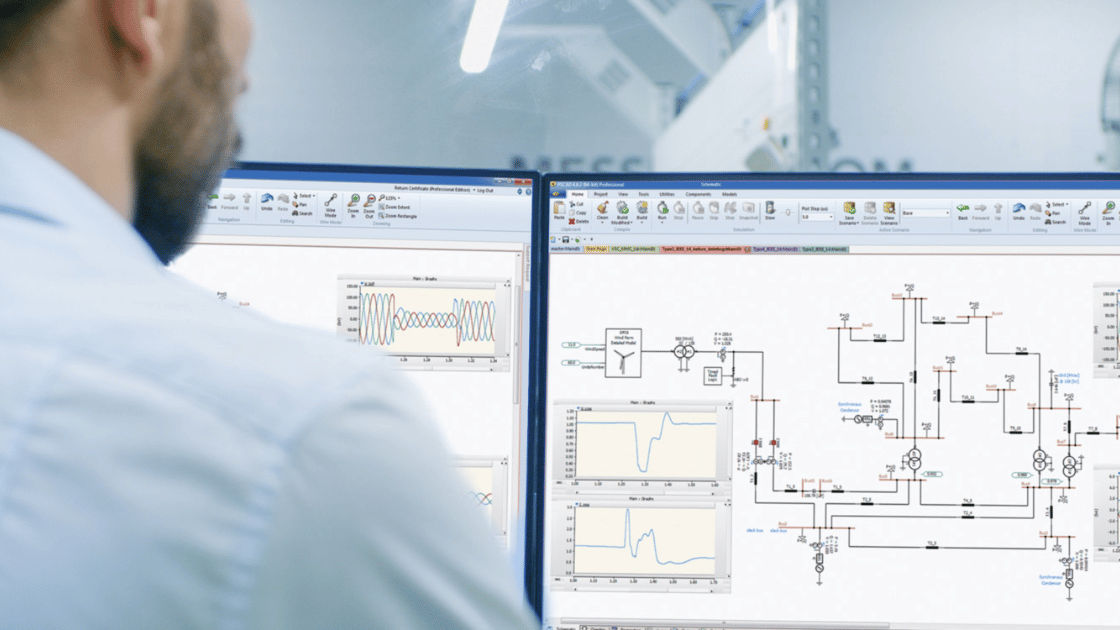
Power flow, contingency and stability analysis in PSS®E and PSLF supporting operational planning analyses, Real-time Assessment inputs and IROL-related studies.
Documenting your outage submission process, supporting outage-impact studies and assembling evidence of coordination with the RC and planners.
Reviewing logs, recordings, procedures and data submissions against the RSAW before an audit or spot check.
Aligning Operating Instruction procedures with three-part communication protocols so both standards are evidenced consistently.
Identify every IRO requirement that reaches your registered functions, including data specifications and Operating Instruction obligations from your RC.
Gather the RC’s data specification, outage coordination process, reliability plan references and communication protocols that apply to you.
Assign each data item, instruction pathway and outage submission to a named role and system of record.
Provide missing study results, model data or facility parameters the RC specification calls for.
Produce procedures that match how your control room and field staff actually work, and that generate evidence as a by-product.
Sample logs, recordings and submissions against the RSAW, and correct gaps before your audit period closes.
| Deliverable | Purpose |
|---|---|
| IRO applicability matrix | Requirement-level view of which IRO obligations apply to each registered function and facility |
| Operating Instruction procedure | How RC Operating Instructions are received, executed or declined, and documented |
| IRO-010 data specification crosswalk | Each specified data item mapped to its source, owner, format, periodicity and submission record |
| Study and model support reports | Documented analysis and model data supporting operational planning and IROL-related work |
| Outage coordination process documentation | Your outage submission and coordination steps aligned with the RC’s process |
| Evidence binder and RSAW narratives | Organized evidence and draft narratives ready for audit or self-certification |
| Gap | Why it matters |
|---|---|
| GOPs and DPs unaware they are IRO-applicable | Operating Instruction obligations reach them even though they never operate a transmission control room. |
| No record of instructions that could not be followed | When safety, equipment, regulatory or statutory limits prevent compliance, the RC must be informed — and that notification needs evidence. |
| Data specification treated as an informal request | IRO-010 submissions must meet the RC’s documented format, content and schedule; ad hoc emails rarely prove that. |
| GO and TO data owners not identified | Specified data often lives with engineering or asset management, not operations, and submissions stall. |
| Stale facility data sent to the RC | Ratings, parameters or configurations that no longer match the installed equipment undermine the RC’s analysis. |
| Procedures misaligned with COM-002 | Inconsistent communication protocols make both IRO-001 and COM-002 evidence harder to defend. |
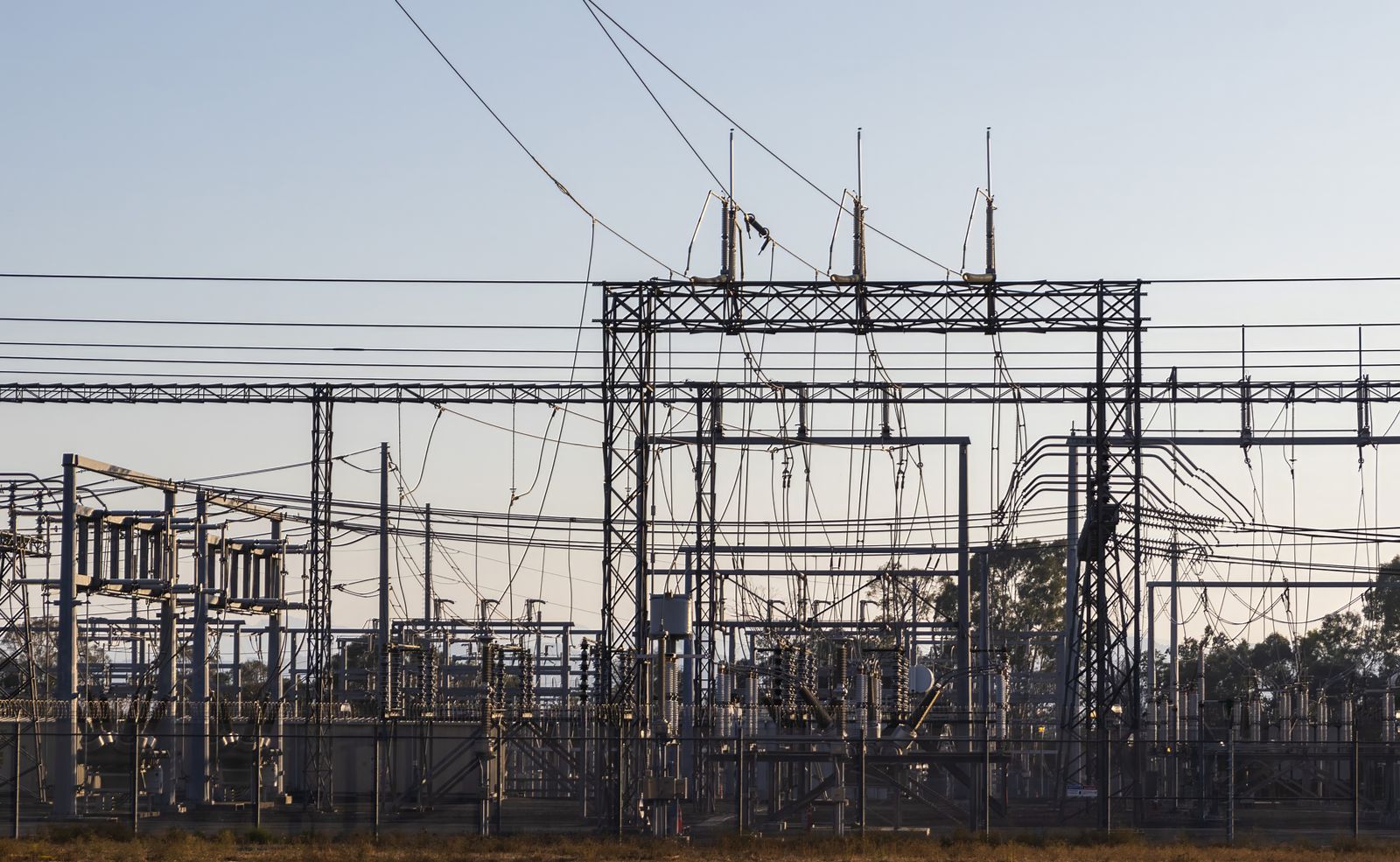
IRO rarely stands alone. The same Operating Instructions, data flows and studies are evidence for several families, so they should be managed together.
Our team includes former audit-team leaders and subject-matter experts who know how IRO evidence is sampled and tested.
We run the power flow, contingency and stability studies that operating analyses depend on, in PSS®E and PSLF.
Support across MRO, NPCC, ReliabilityFirst, SERC, Texas RE and WECC — and the RCs operating within them.
We support RCs and the entities in their footprints with engineering and evidence; we do not take on the RC function itself.
 COM – Communications Compliance
 Balancing Authority & Reliability Coordinator Support
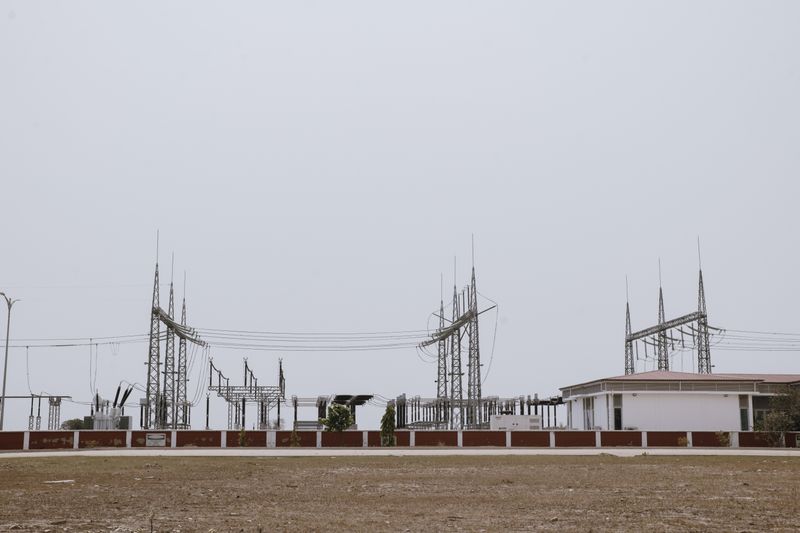 Transmission Owner & Transmission Operator Compliance
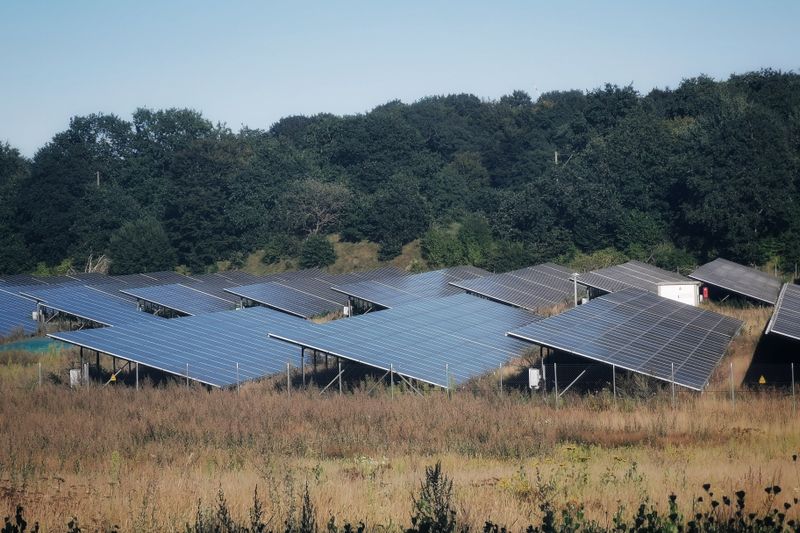 Generator Owner & Generator Operator Compliance
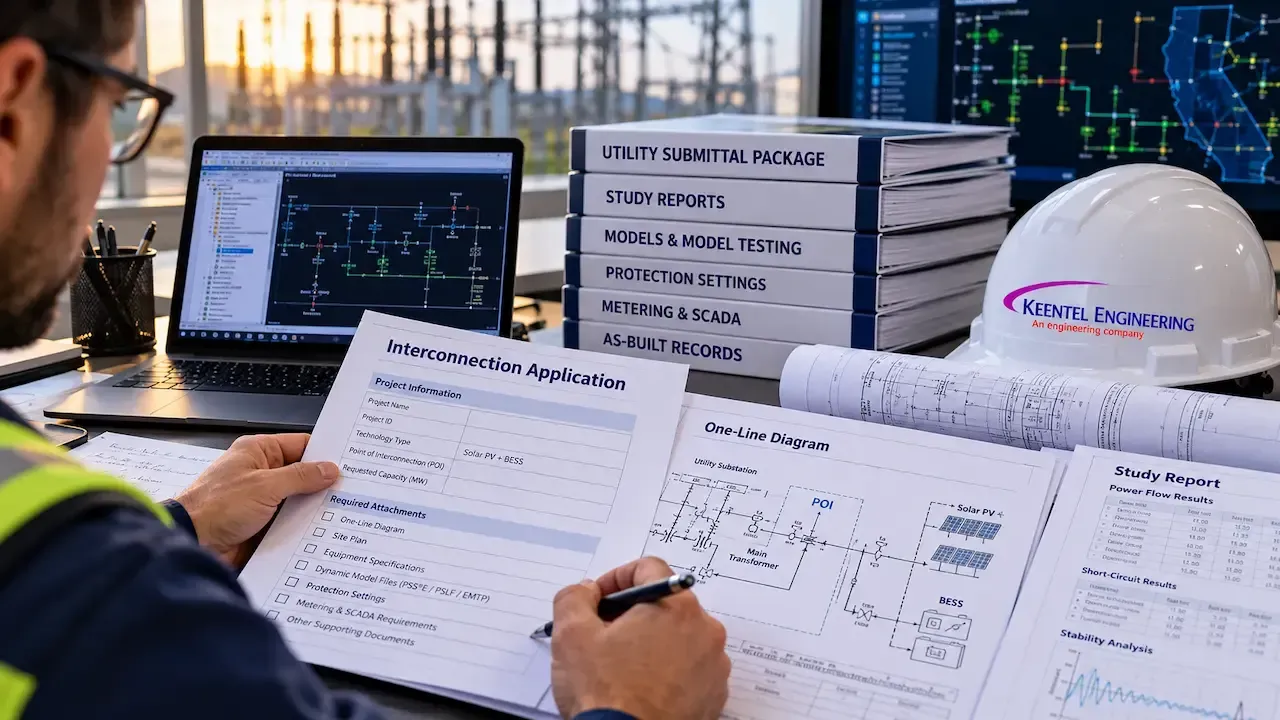 MOD – Modeling, Data & Analysis Compliance
 RSAW Evidence Preparation
 Planning & Studies Compliance Engineering
 NERC O&P Compliance Services
Send us your RC’s data specification, outage coordination process and your current Operating Instruction procedure. Keentel will map every IRO obligation to an owner and show you where the evidence is thin.
Serving utilities, EPCs, developers, and infrastructure organizations supporting critical power systems nationwide.