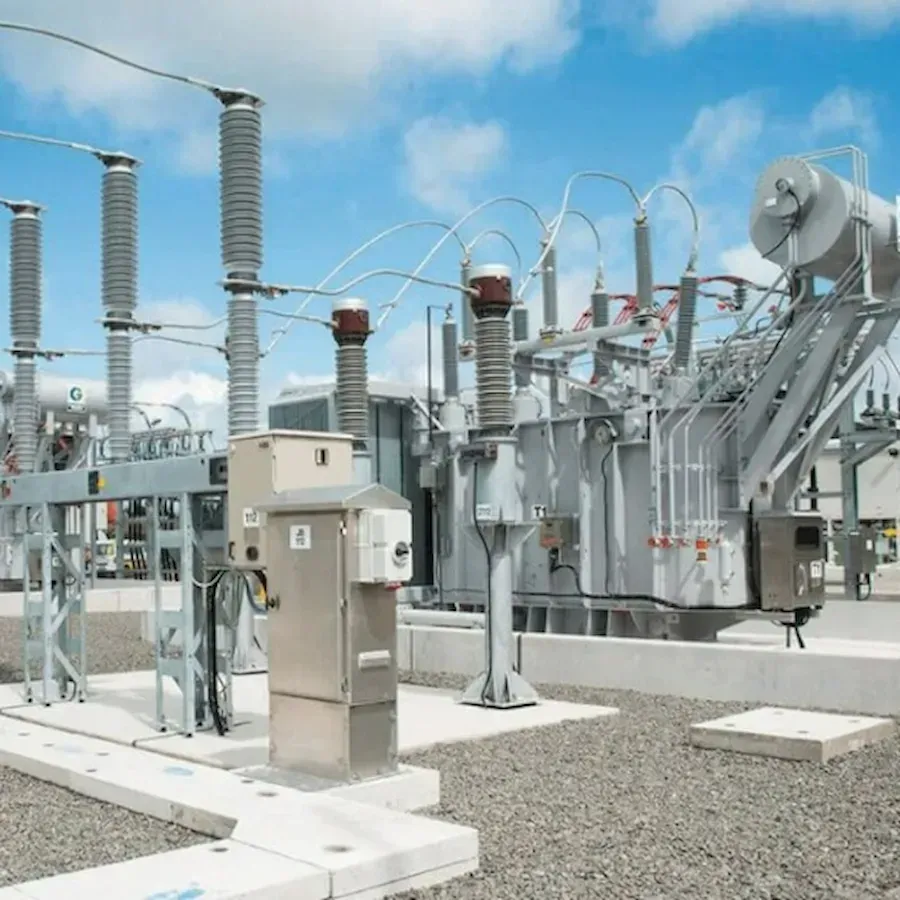
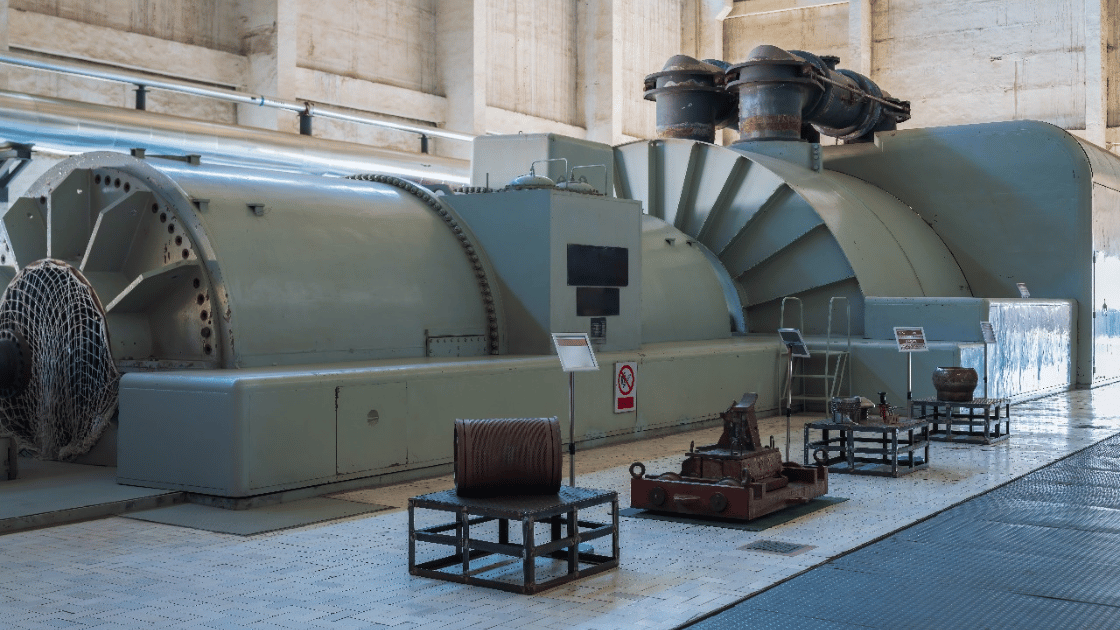
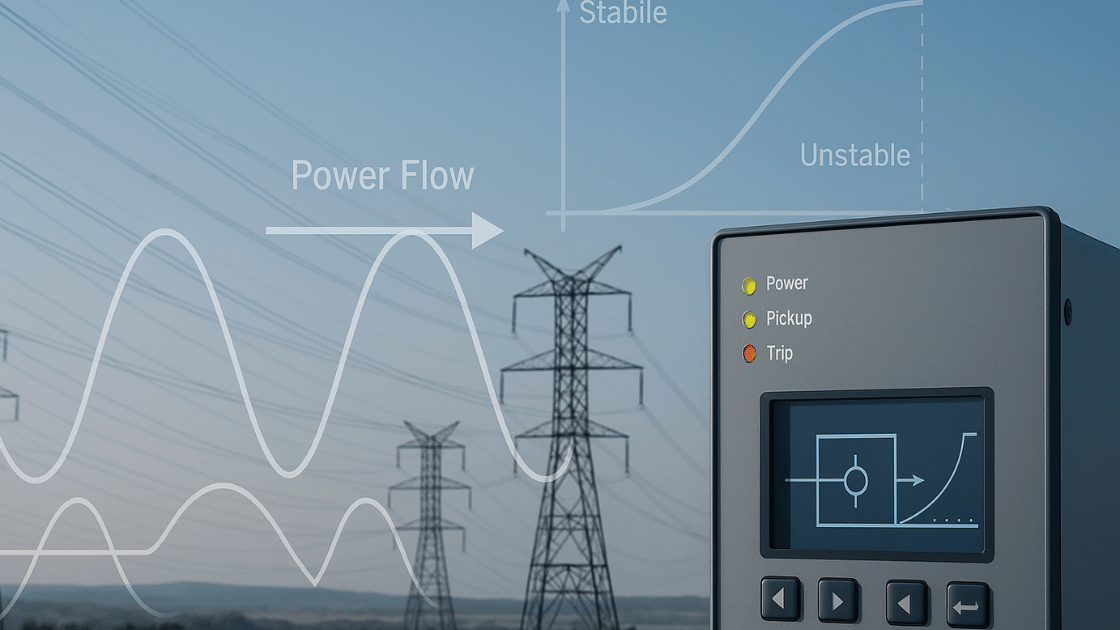
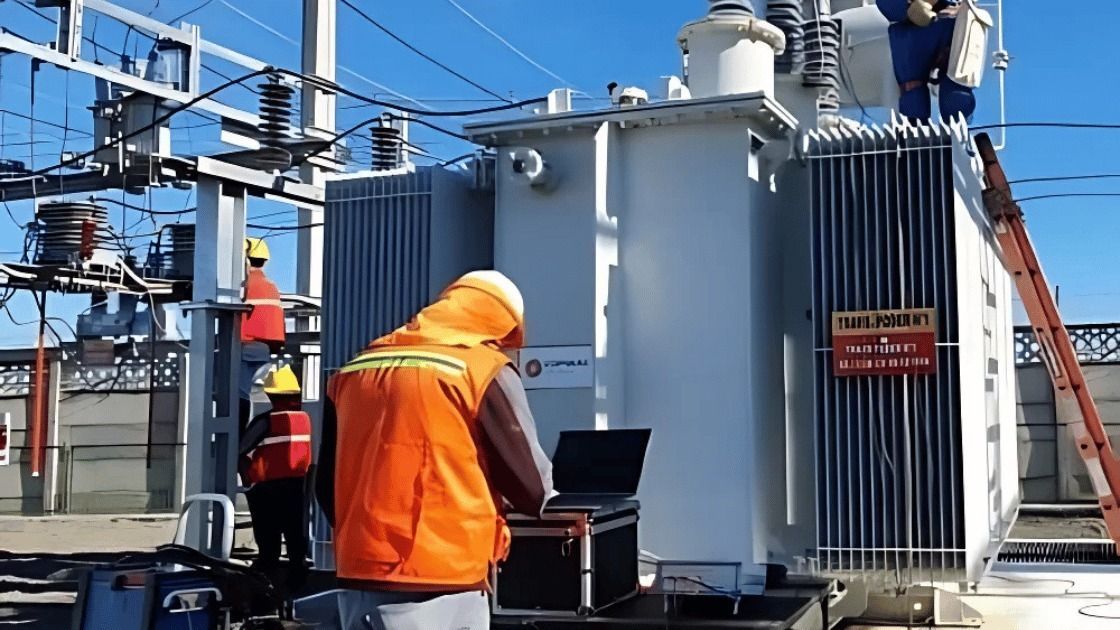
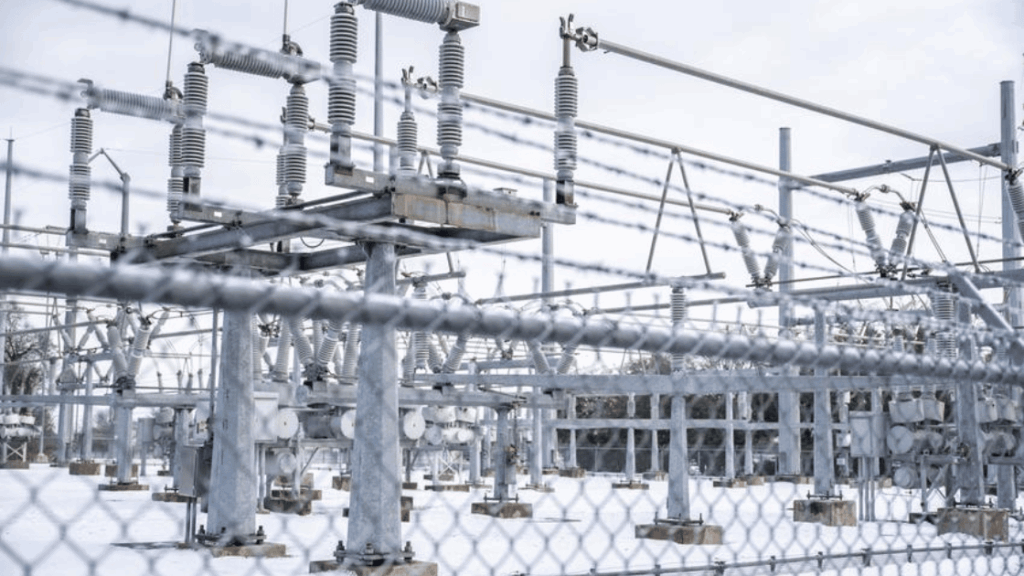
Synchronous generation: evidence centers on relay settings and excitation-system limiters that sit together on one machine — PRC-019, PRC-024 and PRC-025 are usually evaluated as a set.
PRC – Protection & Control Compliance
The Protection and Control family is where NERC asks registered entities to prove that relays, control systems and monitoring equipment will do the right thing on the worst day. This hub maps every PRC standard we support to the functions and facilities it reaches, so you can see your obligations on one page.
Use it to find the standard page you need, check which requirements land on your registered functions, understand what the FERC Order No. 901 inverter-based resource standards change, and decide what to tackle first.
- A single directory of the PRC standards with applicable functions and the evidence each one typically needs
- Applicability explained for synchronous generation, inverter-based resources and transmission facilities
- What is new: PRC-028, PRC-029 and PRC-030 for inverter-based resources
- A recurring-activity view to plan PRC work across the year and the audit cycle
3
New IBR PRC standards under Order No. 901
6
Regional Entities supported
4 kV–765 kV
Facility voltage range
30+ yrs
Power-system engineering experience
About Keentel Engineering
Your Trusted Partner in Electrical Engineering and Power Systems
At Keentel Engineering, we deliver electrical power engineering services built on 30 years of experience and a commitment to excellence. Our clients include utilities, developers, EPCs, and public agencies across the U.S.
Unlike firms that sacrifice technical depth to chase billable hours, we prioritize precision, compliance, and value engineering. From transmission services and relay modeling to winterization and SCADA planning, we never compromise on quality.

Why Choose Keentel Engineering?
Client-Focused Work Approach
At Keentel Engineering, we take pride in being the go-to electrical power engineering firm for power and utility system planning, substation design, protection, control, and power system analysis. The following attributes distinguish our team in utility-grade substation engineering and compliance-driven project delivery.
30 Years of Experience
With three decades of hands-on project delivery, we bring unmatched expertise in substation layout design, substation electrical and civil engineering, relay protection, and grid-tie solutions. Our experience includes projects in complex terrain, urban retrofit environments, and utility-scale renewable integrations.
Quality with Innovation
Our engineering process applies AutoCAD 3D, BIM modeling, and system-level substation design practices to ensure accurate planning, reduced errors, and efficient coordination across all project stakeholders.
Our workflow includes 3D substation design, enabling clash-free coordination between structural, electrical, and civil disciplines.
Attention to Detail
From grounding grid studies to relay protection settings, we engineer every detail to improve system reliability, performance, and operational safety. Our rigorous QA/QC process ensures compliance with IEEE, NFPA, and ISO/TSO interconnection standards.
Among leading electrical substation design companies, Keentel Engineering stands out for 30+ years of proven high-voltage and utility-grade project delivery.
Keentel Engineering video
Accreditations and memberships


Contact details
Tell Us About Your Project
1 business day replyFirst name, email and what you're interested in are all we need to get moving. Everything else, including drawings or an RFP, is optional.
How to Use the PRC Family Hub
The PRC family is broad. Some standards govern a single relay element; others govern an entire program, such as maintenance, misoperation review or load shedding. A Generator Owner with one solar plant and a Transmission Owner with hundreds of line terminals will read the same family very differently.
This page is organized for navigation. First find the standards that reach your registered functions and technology. Then check what is changing. Then use the prioritization and calendar views to put the work in order. Each standard links to its own Keentel page for the detailed requirements and engineering approach.
If you want to understand how Keentel produces protection evidence — calculations, justification records and coordination studies — see our Protection & Settings pillar page.
Applicability is the first compliance decision. Before any study is scoped, confirm which PRC standards, and which version of each, apply to your facilities for the audit period in question.

PRC Standards at a Glance
Standard IDs are shown without version suffixes. Confirm the version in effect for your facility and audit period, and read Section 4 (Applicability) of that version for facility-level criteria — voltage thresholds, generator size and interconnection details all matter. Regional standards, such as PRC-006-NPCC, may also apply.
| Standard (Keentel page) | Title | Applicable functions | Typical evidence |
|---|---|---|---|
| PRC-002 | Disturbance Monitoring and Reporting Requirements | TO, GO; PC/RC roles for dynamic disturbance recording | Monitored-location lists, recorder configuration, time-sync records, data-retention and provision records |
| PRC-004 | Protection System Misoperation Identification and Correction | TO, GO, DP | Operation review logs, cause analyses, Corrective Action Plans and their completion records |
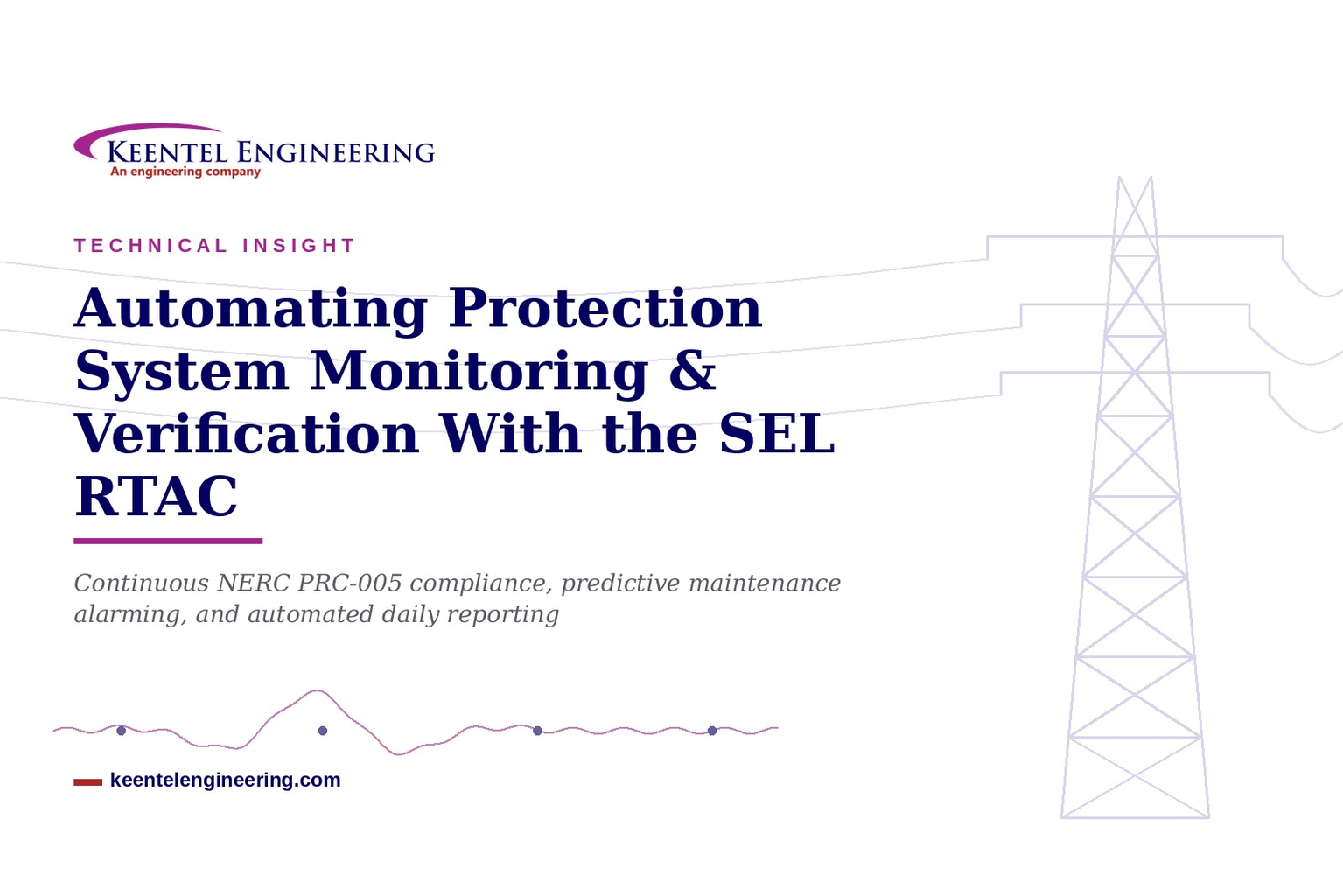
| PRC-005 | Protection System, Automatic Reclosing and Sudden Pressure Relaying Maintenance | TO, GO, DP | Component inventory, maintenance program, interval tracking, test and inspection records |
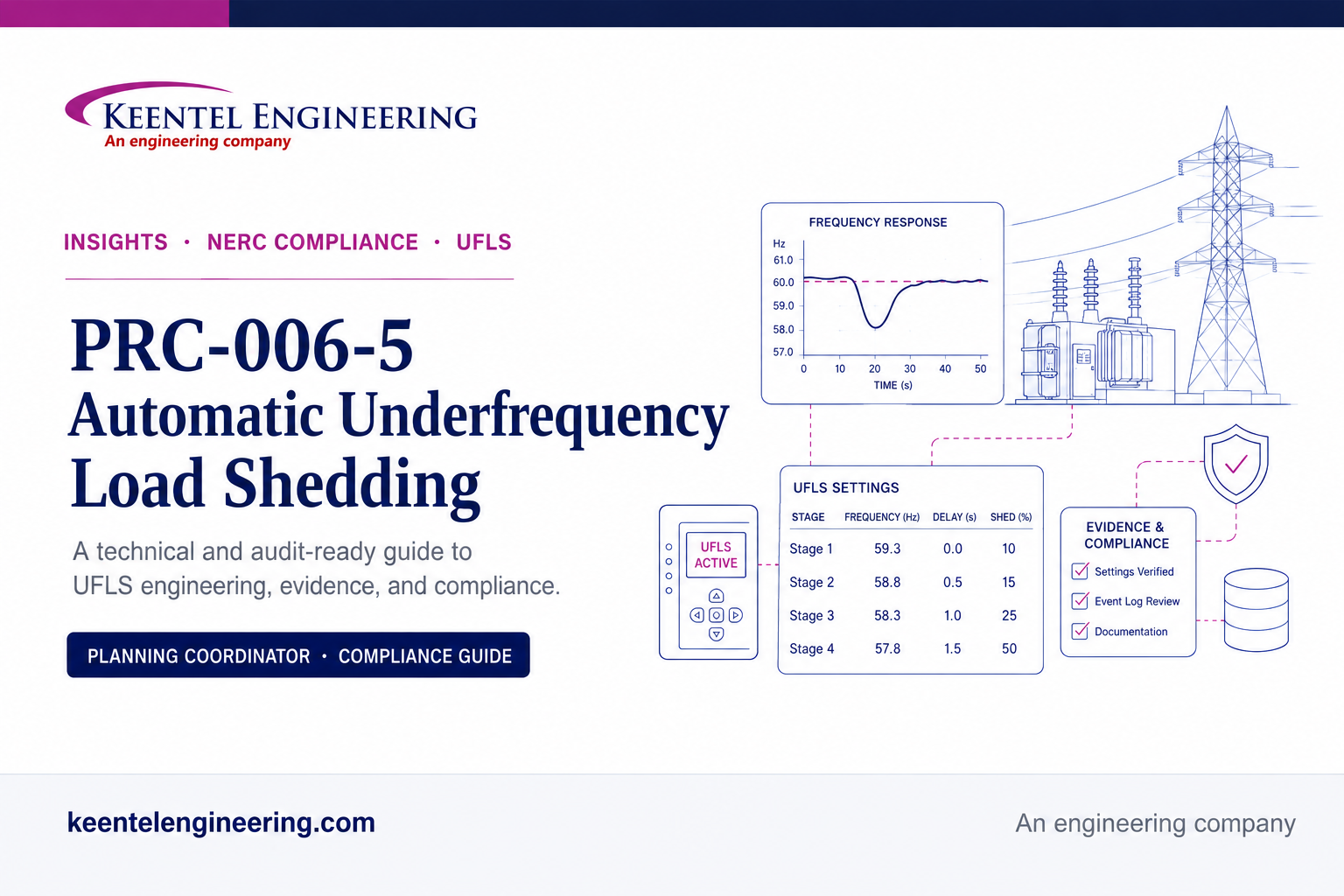
| PRC-006 | Automatic Underfrequency Load Shedding | PC, UFLS entities (TO, DP) | UFLS program, design assessment, relay settings, load-block data, data provided to the PC |
| PRC-010 | Undervoltage Load Shedding | PC, TP, UVLS entities | UVLS program evaluation, settings and data exchange records |
| PRC-012 | Remedial Action Schemes | RC, PC, RAS-entity | RAS design and review records, evaluations, functional tests and misoperation analyses |
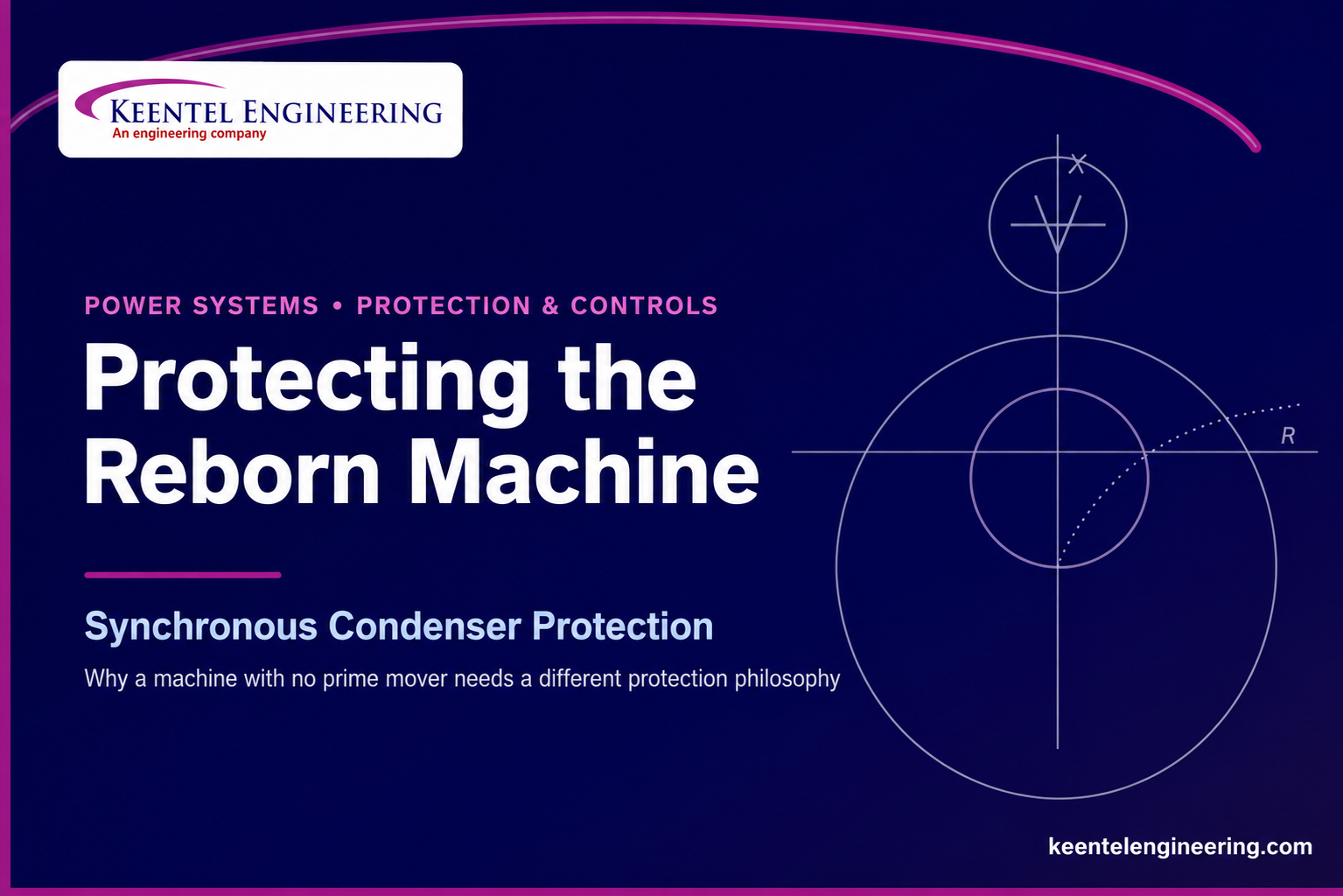
| PRC-019 | Coordination of Generating Unit or Plant Voltage Regulating Controls, Limiters, Equipment Capabilities and Protection | GO; TO with synchronous condensers | Coordination study with capability and protection overlays, limiter and V/Hz settings |
| PRC-023 | Transmission Relay Loadability | TO, GO, DP, PC | Loadability calculations for each load-responsive element, PC circuit list |
| PRC-024 | Frequency and Voltage Protection Settings for Generating Resources | GO | Setting evaluation against the no-trip zones, documented equipment limitations |
| PRC-025 | Generator Relay Loadability | GO, TO, DP | Calculations under the applicable option in the standard's attachment |
| PRC-026 | Relay Performance During Stable Power Swings | PC, TO, GO | PC notifications, element evaluations, Corrective Action Plans |
| PRC-027 | Coordination of Protection Systems for Performance During Faults | TO, GO, DP | Documented coordination process, fault and coordination studies, periodic review records |
| PRC-028 | Disturbance Monitoring and Reporting Requirements for Inverter-Based Resources | GO (IBR) | Recording capability at the plant and inverter level, configuration and data-retention records |
| PRC-029 | Frequency and Voltage Ride-through Requirements for Inverter-Based Resources | GO (IBR) | Ride-through capability documentation, settings evidence, any documented equipment exemption |
| PRC-030 | Unexpected Inverter-Based Resource Event Mitigation | GO (IBR) | Event identification, analysis of unexpected output reductions, Corrective Action Plans |

Function abbreviations: GO Generator Owner · GOP Generator Operator · TO Transmission Owner · DP Distribution Provider · PC Planning Coordinator · TP Transmission Planner · RC Reliability Coordinator.
A single directory of the PRC standards with applicable functions and the evidence each one typically needs.
PRC Applicability by Registered Function
The table below is a starting map, not an applicability determination. Facility characteristics — voltage, generator rating, whether a relay is load-responsive, whether a scheme is a RAS — decide the final list.
| Registered function | PRC standards most often in scope | What drives the evidence |
|---|---|---|
| Generator Owner — synchronous | PRC-004, PRC-005, PRC-019, PRC-024, PRC-025, PRC-026, PRC-027; PRC-002 where recording locations are assigned | Generator, excitation and GSU protection; limiter coordination; relay test records |
| Generator Owner — inverter-based | PRC-028, PRC-029, PRC-030 plus PRC-004, PRC-005, PRC-019, PRC-025 and others as facilities qualify | Inverter and plant controller settings, recording capability, event performance |
| Transmission Owner | PRC-002, PRC-004, PRC-005, PRC-023, PRC-026, PRC-027; PRC-006 and PRC-012 where schemes exist | Line, bus and transformer protection, fault models, loadability margins, maintenance intervals |
| Distribution Provider | PRC-004, PRC-005, PRC-023, PRC-027 for applicable Protection Systems; PRC-006 where it owns UFLS | UFLS and BES-connected protection, maintenance and load-block data |
| Planning Coordinator / Transmission Planner | PRC-006, PRC-010, PRC-012, PRC-023, PRC-026 | Program design, element identification, scheme evaluations and notifications |
| Reliability Coordinator | PRC-012; PRC-002 roles for dynamic recording | RAS review and coordination records |
Inverter-based resources: a large share of the protective behavior lives in inverter firmware and the power plant controller, so the evidence depends on OEM data as much as relay files.
Transmission: evidence depends on an accurate short-circuit model and current equipment data across many terminals, so data management is as important as the calculations.
Newly registered Category 2 GO/GOP IBRs should treat PRC applicability as part of registration readiness, following the implementation plans in each standard.

Order No. 901 and the New Inverter-Based Resource Standards
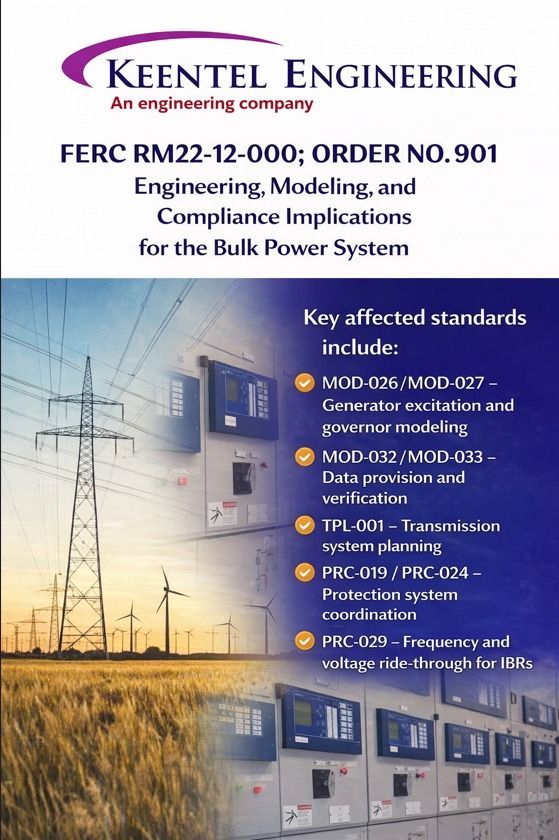
In FERC Order No. 901, the Commission directed NERC to develop Reliability Standards addressing inverter-based resource performance in several areas, delivered in phases. The first phase produced three new PRC standards, which together change how IBR owners prove their plants behave during grid disturbances.
- PRC-028 — sets disturbance-monitoring expectations specifically for inverter-based resources, so plant behavior can be reconstructed after an event.
- PRC-029 — establishes frequency and voltage ride-through requirements for IBRs. As it takes effect, IBR ride-through moves out of PRC-024, which continues to apply to other generating resources.
- PRC-030 — requires IBR owners to identify, analyze and correct unexpected reductions in plant output during system events.
- Later Order No. 901 phases address IBR data sharing, model validation and planning and operational studies, so changes will also reach the MOD, TOP and TPL families.
- Implementation is phased. Each new standard has its own implementation plan; confirm effective dates for your facilities before building a schedule.
For IBR owners, the practical challenge is data. Ride-through, monitoring and event-analysis evidence all depend on inverter and plant controller settings that many owners have never received from the OEM or EPC. Requesting them early is the single most useful step.
Where to Start When Everything Looks Urgent
PRC work competes for the same protection engineers, outage windows and OEM contacts. We help entities rank it using four questions:
Is it already enforceable, and is evidence missing?
Gaps in effective requirements carry immediate exposure and come first.
Is a deadline tied to an implementation plan?
New IBR standards and revised versions often phase in by percentage of facilities or by date, and early work is cheaper than late work.
Does one data set serve several standards?
Settings files, capability curves and short-circuit models support PRC-019, PRC-024, PRC-025, PRC-027 and PRC-029 at once; collecting them once saves time everywhere.
What changed since the last study?
New generation, equipment replacement and setting changes invalidate earlier evaluations; those facilities move up the list.
What does the audit history say?
Prior findings, open mitigation and upcoming audits or spot checks shape the order.
Map Your PRC Obligations in One Pass
A PRC View of the Compliance Year
PRC obligations are a mix of fixed intervals, periodic reviews and event-driven work. The cadence below is general; exact intervals and timelines come from the standard and your own program documents. See Compliance Calendar & Evidence Management for how we build and maintain the calendar.
| Activity | Typical cadence | Standards |
|---|---|---|
| Maintenance and testing against program intervals | Continuous — driven by the intervals in your maintenance program | PRC-005 |
| Review of Protection System operations | Event-driven, within the timelines set in the standard | PRC-004 |
| IBR event identification and analysis | Event-driven | PRC-030 |



| Coordination review of Protection Systems | Periodic and after system or setting changes, as the standard specifies | PRC-027 |
| Generator coordination and loadability re-evaluation | After equipment or setting changes, and on any periodic cycle the standard sets | PRC-019, PRC-024, PRC-025, PRC-029 |
| Transmission loadability and power-swing evaluations | After setting or system changes, and on PC notification | PRC-023, PRC-026 |
| UFLS and UVLS program assessments and data | Periodic, as established by the PC and the standard | PRC-006, PRC-010 |
| RAS evaluations and functional tests | Periodic, per the standard | PRC-012 |
| Disturbance-monitoring data provision | On request, within the timelines in the standard | PRC-002, PRC-028 |
A recurring-activity view to plan PRC work across the year and the audit cycle.
How Keentel Supports PRC Compliance
PRC applicability review
Facility-by-facility determination of which PRC standards and requirements apply, with the reasoning written down.
Standard-specific engineering
Settings, coordination, loadability, ride-through and monitoring evaluations under each standard page linked above.
IBR readiness for Order No. 901
OEM and EPC data requests, PRC-029 capability documentation, PRC-028 recording review and PRC-030 event procedures.
Program documents
Maintenance programs, misoperation review procedures and event-analysis procedures that match what your team actually does.
Evidence organization
Requirement-mapped evidence indexes and RSAW narratives drawn from the underlying engineering files.
Audit and spot-check support
SME support during data requests and interviews on protection topics.
How a PRC Engagement Runs
- 01
Scope the family
List registered functions, facilities and technologies, then identify every PRC standard and version in scope.
- 02
Inventory the evidence
Gather settings, studies, test records and program documents already on hand, and log what is missing.
- 03
Rank the gaps
Apply the prioritization questions above to set a practical order of work.
- 04
Close the engineering gaps
Perform the studies and evaluations each open requirement needs.
- 05
Map and index
Tie each requirement to the specific documents that demonstrate it.
- 06
Keep it current
Update the evidence and calendar as equipment, settings and standards change.
What a PRC Family Engagement Produces
| Deliverable | What it gives you |
|---|---|
| PRC applicability matrix | Every facility and function mapped to the PRC standards and versions that apply |
| Gap register with priorities | Open items ranked by exposure, deadline and effort |
| Standard-specific study reports | The engineering evidence produced under each individual standard |
| IBR data request package | A structured request to OEMs and EPCs for the settings and models Order No. 901 standards depend on |
| PRC compliance calendar | Recurring and event-driven activities with owners |
| Requirement-mapped evidence index | A reviewer's path from each requirement to its proof |
Family-Level Gaps We See Most Often
| Gap | Consequence |
|---|---|
| Applicability never formally determined | Standards are missed entirely, or effort is spent on standards that do not apply. |
| Version confusion during transitions | Evidence is built to a superseded version, or to one not yet effective. |
| No trigger for re-evaluation after changes | Studies silently go stale when equipment, settings or the system change. |
| IBR settings not in the owner's possession | PRC-024, PRC-028, PRC-029 and PRC-030 evidence cannot be produced on request. |
| Program documents that do not match practice | Auditors test the entity against its own documented program. |
| Evidence spread across contractors | Test reports, studies and settings cannot be assembled quickly for a data request. |
How PRC Connects to Other NERC Standards
MOD — models and capability
Verified reactive capability and excitation or plant-controller models (MOD-025, MOD-026, MOD-027) are the same data PRC-019 and PRC-029 evaluations depend on.
FAC — ratings and limits
Facility Ratings (FAC-008) and System Operating Limits (FAC-011/014) interact with relay loadability under PRC-023 and PRC-025.
TPL — planning studies
Planning assessments identify elements for PRC-026 and drive UFLS and RAS design under PRC-006 and PRC-012.
VAR — voltage control
Generator voltage regulating controls operated under VAR-002 must coordinate with protection under PRC-019.
TOP and EOP — operations
RAS status, protection outages and load-shedding capability feed operating plans and emergency procedures.
Registration
New or changed registrations, including Category 2 IBRs, change the PRC list overnight.
PRC Family — Frequently Asked Questions
01 How do I find out which PRC standards apply to my facility?
Start from your registered functions, then read the Applicability section of each PRC standard version in effect. Facility criteria such as voltage level, generator rating and the type of protective element narrow the list. We document that determination facility by facility so it can be shown to an auditor.
02 What is FERC Order No. 901?
Order No. 901 directed NERC to develop Reliability Standards addressing inverter-based resources, including disturbance monitoring, performance during disturbances, data sharing and model validation, and planning and operational studies. The work is being delivered in phases; PRC-028, PRC-029 and PRC-030 came from the first phase.
03 Does PRC-029 replace PRC-024?
Not entirely. As PRC-029 takes effect, ride-through obligations for inverter-based resources move to PRC-029, while PRC-024 continues to govern frequency and voltage protection settings for other generating resources. Owners with mixed fleets will work with both.
04 Do the new IBR standards apply to Category 2 inverter-based resources?
The Order No. 901 PRC standards were developed with IBRs in mind, including those brought into registration under the Category 2 GO/GOP criteria. Applicability and timing are set by each standard and its implementation plan, so confirm both for each facility.
05 Our plant has been in service for years. Do we need to redo old protection studies?
Not automatically. The question is whether the existing studies still reflect the installed settings, equipment and system, and whether they address the version of each standard now in effect. We review what exists before recommending new work.
06 What evidence does PRC-030 expect?
PRC-030 is about identifying unexpected reductions in IBR output during system events, analyzing why they happened and correcting the cause. Evidence typically includes the process used to detect events, the analyses performed and Corrective Action Plans with completion records.
07 Which PRC obligations are event-driven rather than scheduled?
Misoperation review under PRC-004 and IBR event analysis under PRC-030 are driven by system events. Re-evaluations under several generator and transmission standards are driven by equipment, setting or system changes. Your calendar should capture triggers as well as dates.
08 Can Keentel support only part of the PRC family?
Yes. Many clients engage us for a single standard, a single facility or a set of IBR standards. The family hub is simply the map; each engagement is scoped to what you need.
09 Is PRC compliance only a Generator Owner concern?
No. Transmission Owners, Distribution Providers, Planning Coordinators, Transmission Planners and Reliability Coordinators all have PRC obligations, depending on the standard. The applicability table on this page shows where each function typically appears.
10 Does this page cover CIP?
No. Keentel's NERC services cover Operations & Planning standards. CIP cybersecurity is a separate discipline and is not part of this service.
Further Reading from Keentel's Grid IQ
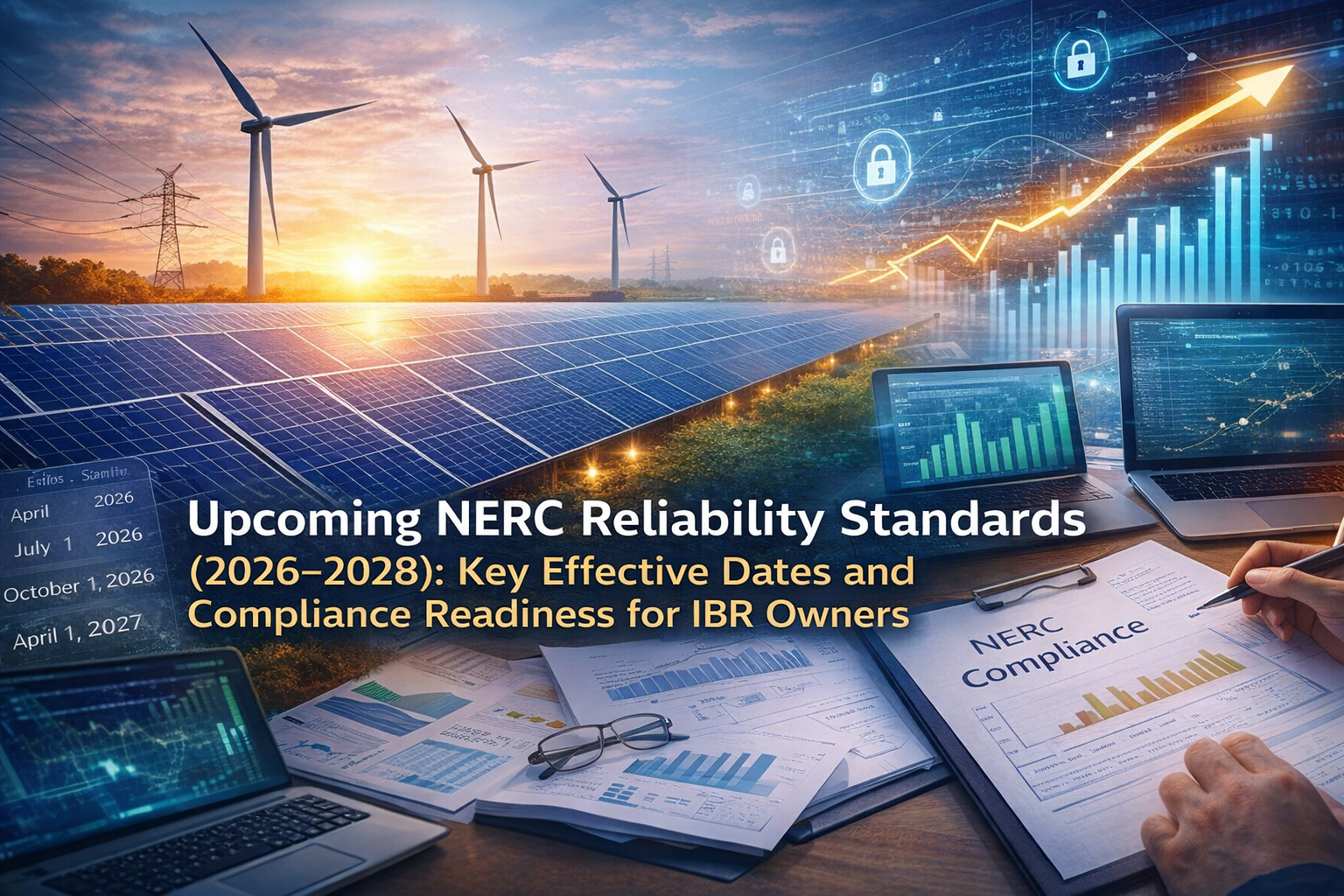
Upcoming NERC Reliability Standards 2026–2028
Read the article
PRC-002-5 and PRC-028-1 Compliance Explained for GOs and TOs
Read the article
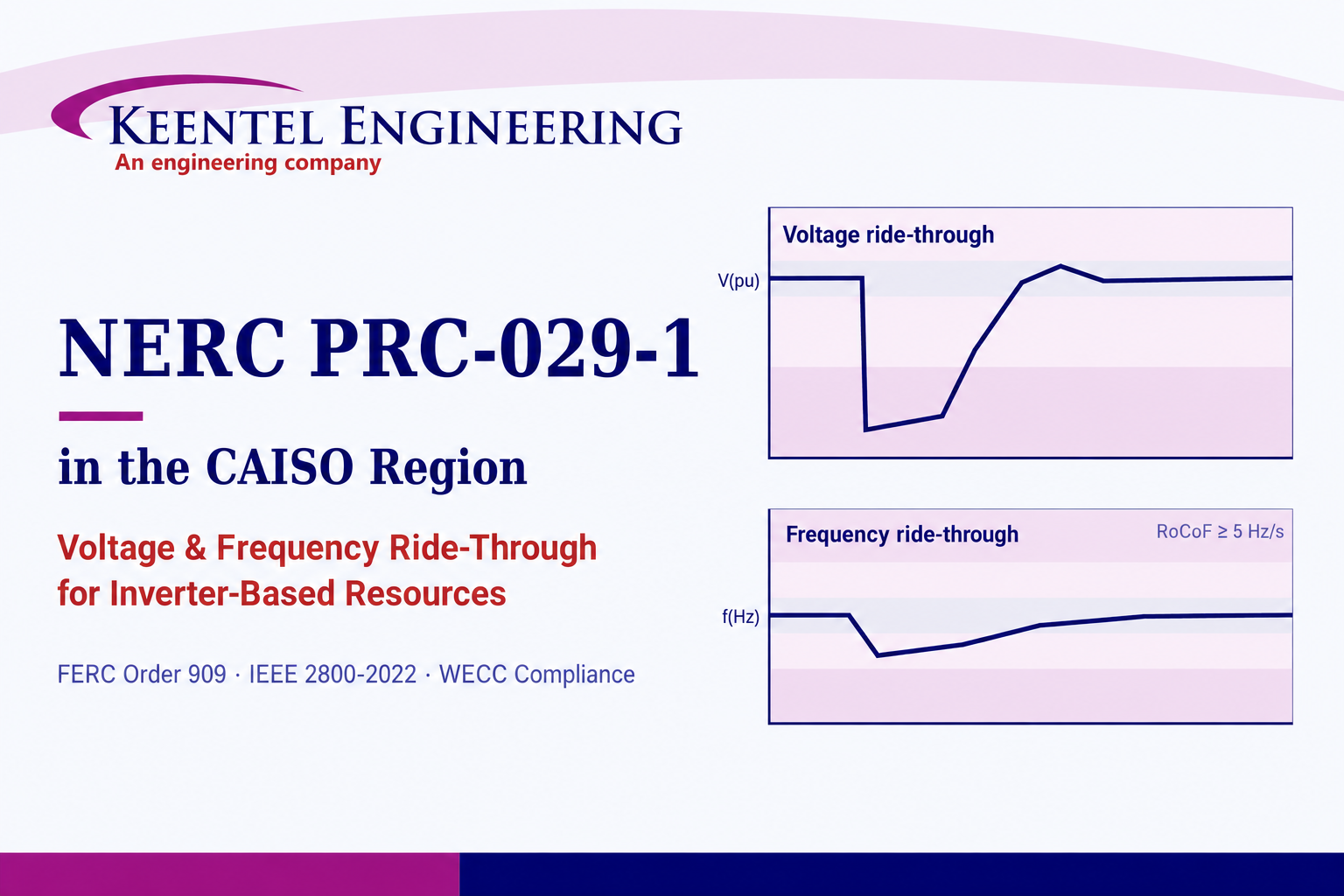
PRC-029-1 CAISO Compliance Guide
Read the article
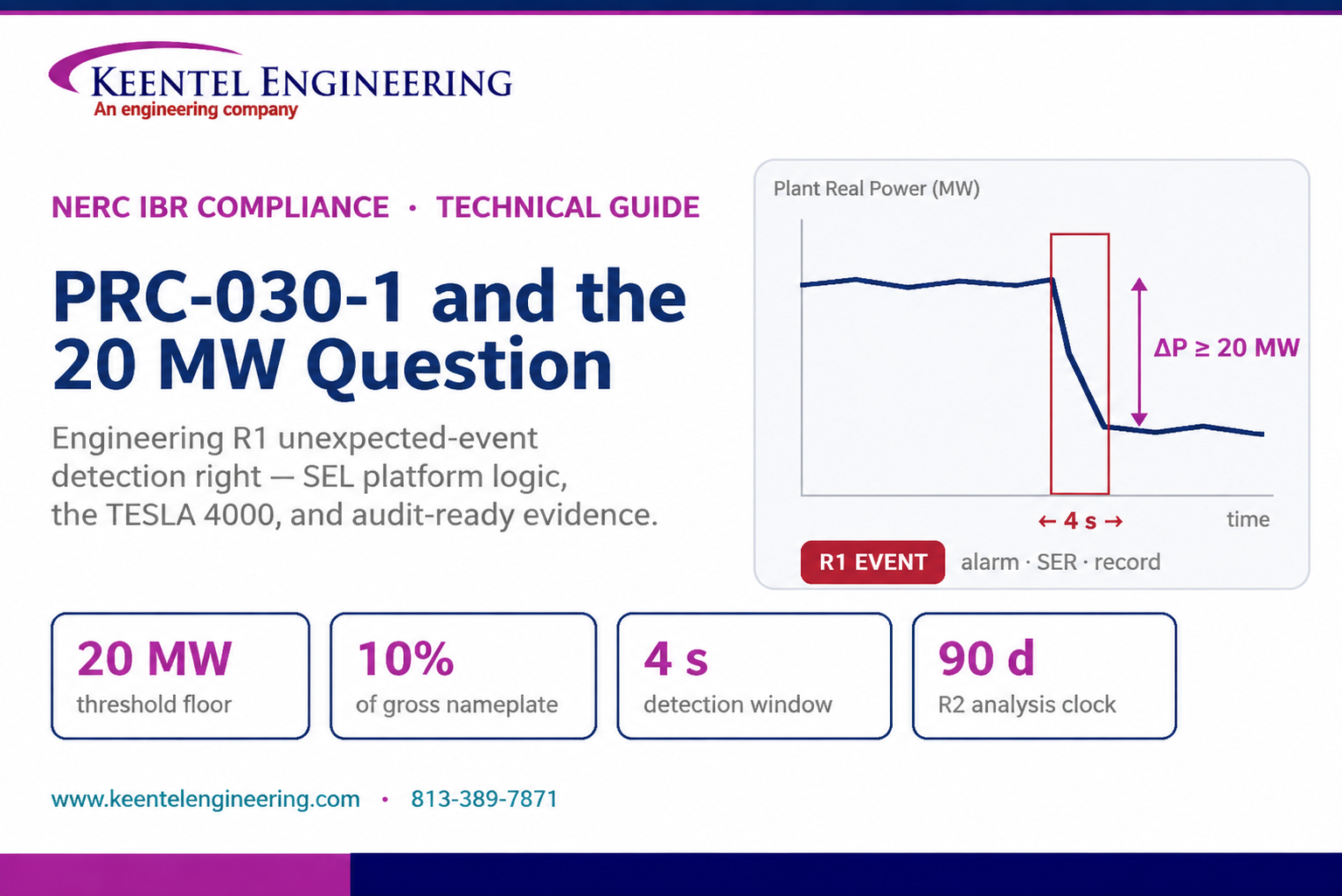
PRC-030-1 R1 Event Detection Guide for IBR Owners
Read the article
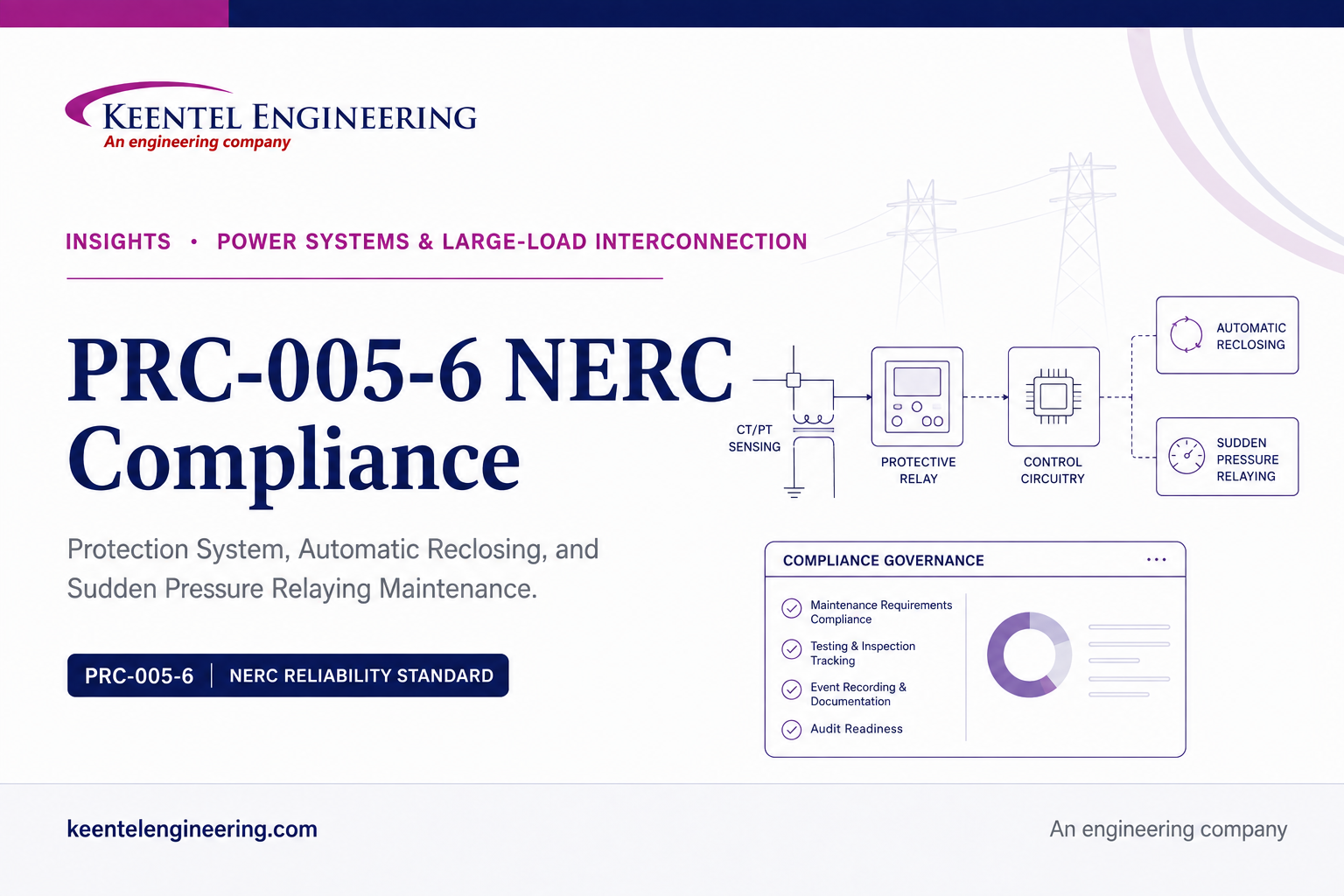
PRC-005-6 NERC Compliance Guide | Protection System Maintenance
Read the article
NERC PRC-012-2 Compliance for Solar, Wind and BESS
Read the article
Related Keentel Pages
- Protection & Settings Compliance Engineering
- PRC-002 / PRC-028 Disturbance Monitoring
- PRC-004 Misoperation Analysis
- PRC-005 Protection System Maintenance
- PRC-006 Underfrequency Load Shedding
- PRC-012 Remedial Action Schemes
- PRC-019 Generator Voltage Control & Protection Coordination
- PRC-023 Transmission Relay Loadability
- PRC-024 Generator Frequency & Voltage Protection Settings
- PRC-025 Generator Relay Loadability
- PRC-026 Stable Power Swings
- PRC-027 Protection System Coordination
- PRC-029 IBR Ride-Through
- PRC-030 IBR Event Mitigation
- GO/GOP Compliance
- IBR Category 2 Registration & Compliance
- TO/TOP Compliance
- Compliance Calendar & Evidence Management
- NERC O&P Compliance Services
Map Your PRC Obligations in One Pass
Send us your registered functions and a facility list. Keentel will return a PRC applicability matrix, flag what Order No. 901 changes for you, and propose a prioritized plan.
Blogs