Transmission Owners
Interconnection requirements, Facility Ratings, vegetation management and — in WECC — transmission maintenance for listed paths.

Your Trusted Partner in Electrical Engineering and Power Systems
At Keentel Engineering, we deliver electrical power engineering services built on 30 years of experience and a commitment to excellence. Our clients include utilities, developers, EPCs, and public agencies across the U.S.
Unlike firms that sacrifice technical depth to chase billable hours, we prioritize precision, compliance, and value engineering. From transmission services and relay modeling to winterization and SCADA planning, we never compromise on quality.
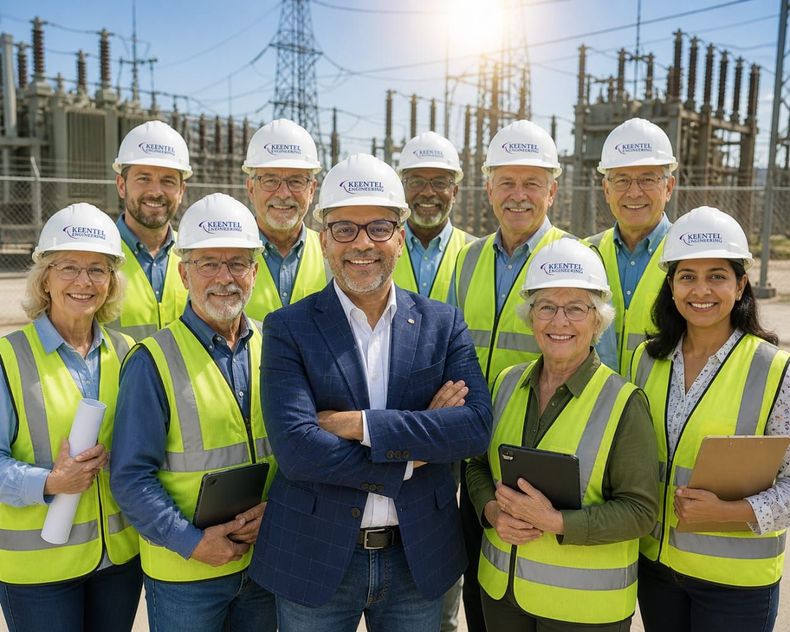
At Keentel Engineering, we take pride in being the go-to electrical power engineering firm for power and utility system planning, substation design, protection, control, and power system analysis. The following attributes distinguish our team in utility-grade substation engineering and compliance-driven project delivery.
With three decades of hands-on project delivery, we bring unmatched expertise in substation layout design, substation electrical and civil engineering, relay protection, and grid-tie solutions. Our experience includes projects in complex terrain, urban retrofit environments, and utility-scale renewable integrations.
Our engineering process applies AutoCAD 3D, BIM modeling, and system-level substation design practices to ensure accurate planning, reduced errors, and efficient coordination across all project stakeholders.
Our workflow includes 3D substation design, enabling clash-free coordination between structural, electrical, and civil disciplines.
From grounding grid studies to relay protection settings, we engineer every detail to improve system reliability, performance, and operational safety. Our rigorous QA/QC process ensures compliance with IEEE, NFPA, and ISO/TSO interconnection standards.
Among leading electrical substation design companies, Keentel Engineering stands out for 30+ years of proven high-voltage and utility-grade project delivery.



First name, email and what you're interested in are all we need to get moving. Everything else, including drawings or an RFP, is optional.
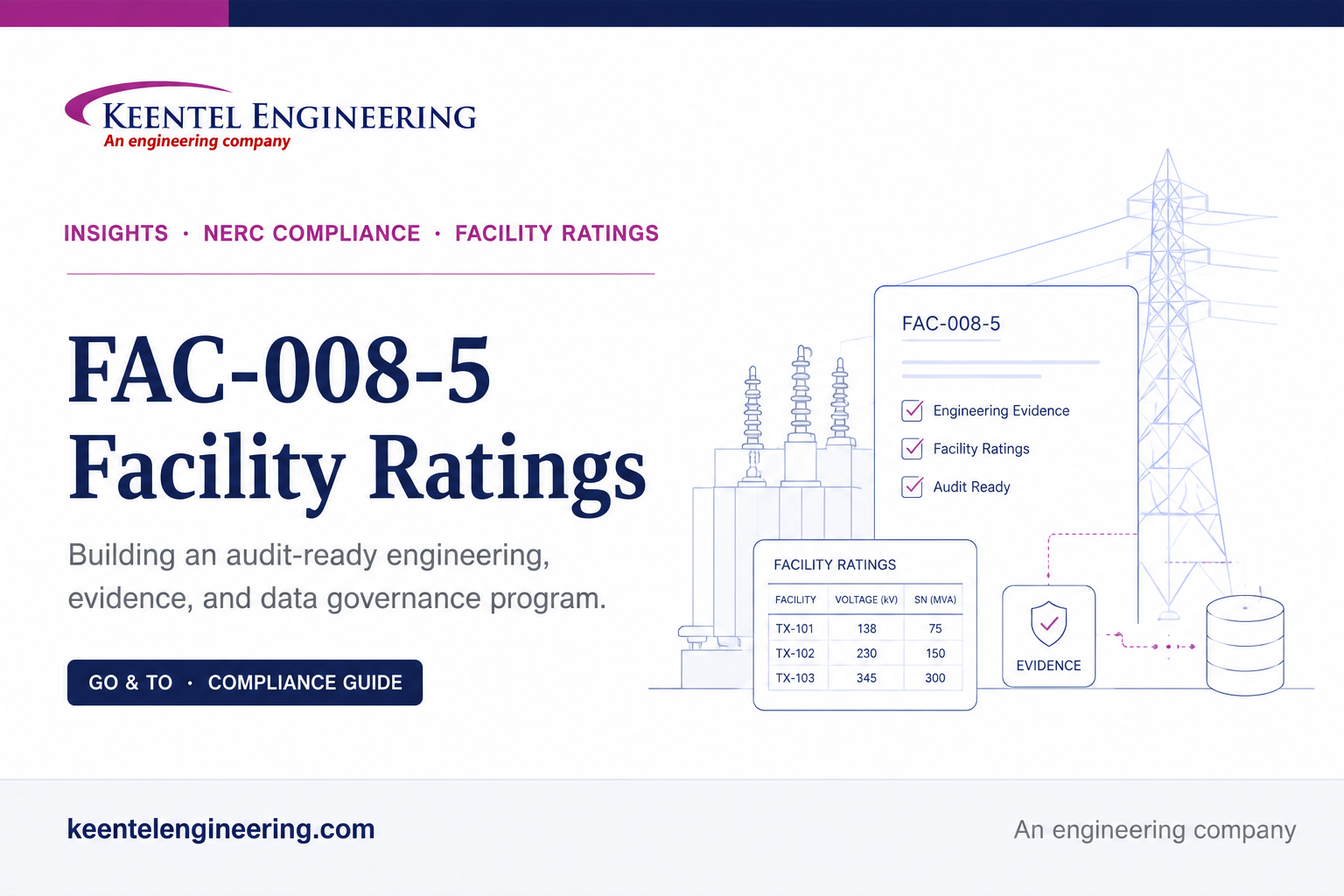
Every operating and planning study on the Bulk Electric System depends on the ratings of the equipment in it. If a Facility Rating is wrong — because a wave trap, jumper, disconnect switch or CT was replaced and the rating was never updated — the SOLs, contingency analysis and planning assessments built on it are wrong too. That is why facility ratings have been a persistent ERO Enterprise concern and are identified as a focus area in the 2026 CMEP Implementation Plan.
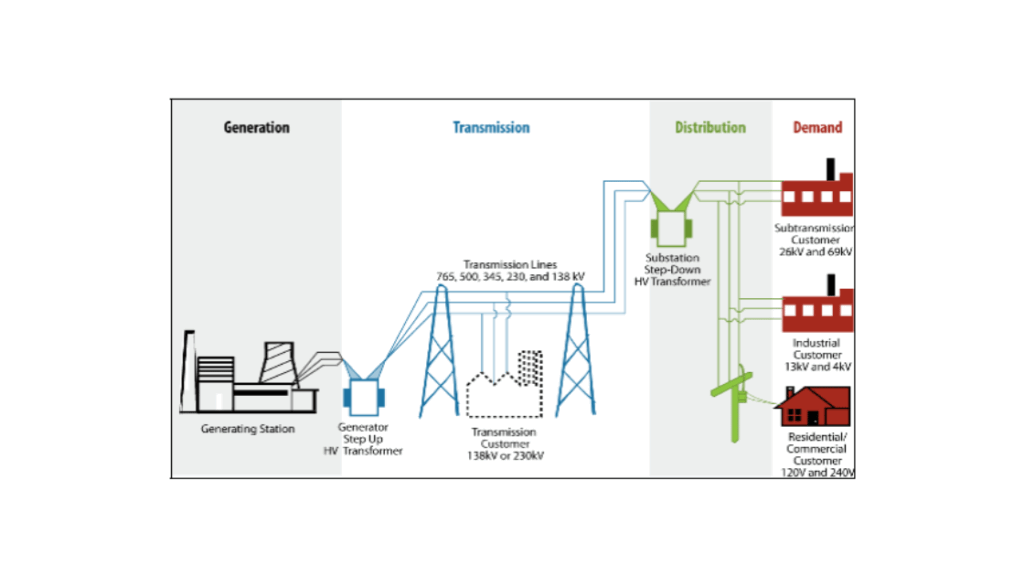
The FAC family also governs how new facilities connect to the system. Transmission Owners must publish interconnection requirements, and Planning Coordinators and Transmission Planners must study the reliability impact of new and materially modified facilities. For generators, data centers and other large loads, that work sits directly on the path to energization.
Keentel brings interconnection, substation design and power system study experience from 4 kV to 765 kV to the FAC family. The same engineers who design and study facilities build the ratings and documentation that prove compliance.
Always confirm the version in effect for your facility and audit period. The System Operating Limit standards in particular were restructured in recent years, and some earlier FAC standards have been retired.
| Standard | Title | Applicable functions | Engineering & compliance evidence |
|---|---|---|---|
| FAC-001 | Facility Interconnection Requirements | Transmission Owner; applicable Generator Owner | Published interconnection requirements covering generation, transmission and end-user facilities, with the technical basis and update records |
| FAC-002 | Facility Interconnection Studies | PC, TP, TO, DP, GO; applicable GO | Power-flow, short-circuit and stability studies of new or materially modified facilities, qualified-change determinations and coordination records |
| FAC-003 | Transmission Vegetation Management | Transmission Owner; applicable Generator Owner | Vegetation management program, clearance basis, inspection and work-plan records, applicable-line inventory |
| FAC-008 | Facility Ratings | Transmission Owner, Generator Owner | Facility Ratings methodology, equipment inventory and ratings database, most-limiting-element determinations, normal and emergency ratings, rating communication records |
| FAC-011 | System Operating Limits Methodology for the Operations Horizon | Reliability Coordinator | SOL methodology covering Facility Ratings, voltage limits and stability limits, IROL criteria and distribution records |
| FAC-014 | Establish and Communicate System Operating Limits | RC, TOP, PC, TP | Established SOLs and IROLs consistent with the RC’s methodology, stability analyses and communication records |
| FAC-501-WECC | Transmission Maintenance | Transmission Owner (WECC, listed transfer paths) | Transmission Maintenance and Inspection Plan for applicable paths and records showing the plan was followed |
Interconnection requirements, Facility Ratings, vegetation management and — in WECC — transmission maintenance for listed paths.
Facility Ratings for generating facilities and interconnection facilities; FAC-001, FAC-002 and FAC-003 obligations where the GO’s facilities trigger applicability.
Interconnection studies under FAC-002 and planning-horizon SOL obligations under FAC-014.
SOL methodology under FAC-011 and establishment and communication of SOLs and IROLs under FAC-014.
Coordination on interconnection studies under FAC-002 when end-user or distribution facilities connect or change.
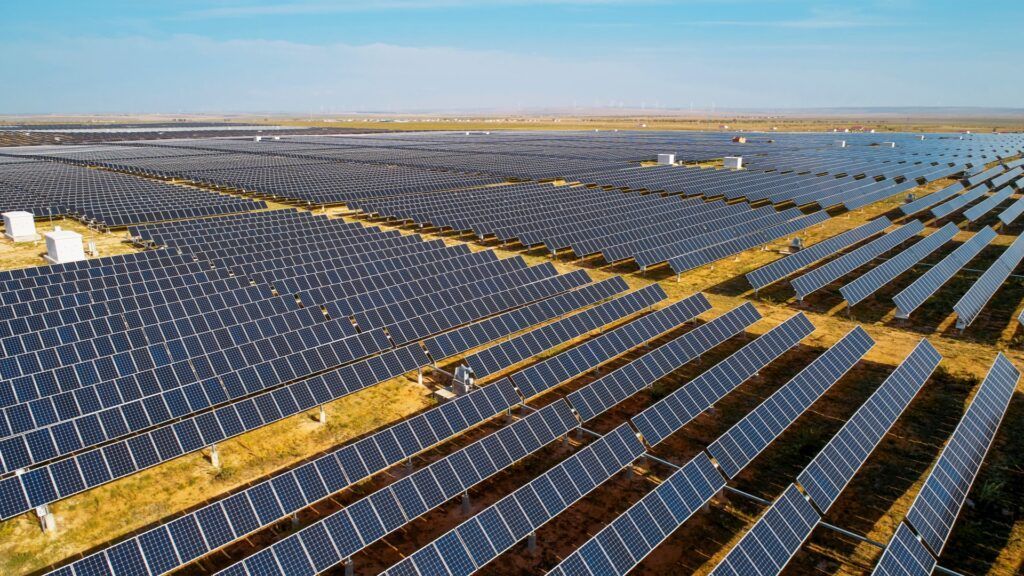
Data centers, solar, wind and BESS projects are studied under FAC-002 and must meet the TO’s FAC-001 requirements before interconnection.
The Facility Ratings methodology defines how each equipment type is rated, which sources are used and how the most limiting element determines the Facility Rating. It must be specific enough that two engineers applying it to the same equipment reach the same answer.
Every series element in a Facility — conductors, transformers, breakers, switches, wave traps, CTs, jumpers, bus and relay-protective limits — needs a documented rating source. We reconcile one-lines, nameplates, drawings and field data so the database reflects what is actually installed.
Ratings drift when field work does not trigger a ratings review. A durable program links work orders, capital projects and protection changes to the ratings database and records the review before the change is energized.
For generating plants, ratings extend from the generator or inverters through collector systems, main power transformers and the generator tie line to the point of interconnection. Inverter-based plants often have ratings split across OEM, EPC and owner records that need to be pulled together.
FAC-008 methodology development or review, ratings calculations, most-limiting-element tables and ratings database build-out.
Ratings reconciliation against field data, walkdown planning and correction of discrepancies found.
FAC-001 requirements documents for Transmission Owners and applicable Generator Owners, updated for IBRs and large loads.
FAC-002 power-flow, short-circuit, stability and EMT studies for new and modified generation, transmission and load facilities.
FAC-011 methodology review and FAC-014 SOL and stability analyses for RCs, TOPs, PCs and TPs.
FAC-003 program and applicable-line review; FAC-501-WECC maintenance and inspection plan support.
Identify the FAC standards and requirements that apply to each function, facility and region.
Ratings methodology and database, one-lines, nameplates, drawings, study reports, interconnection requirements and program documents.
Reconcile documented equipment and ratings with as-built data and recent field changes.
Perform ratings calculations, interconnection studies and SOL analyses where gaps are found.
Update methodologies, databases and requirements documents; track corrections through to closure.
Tie change management to the FAC evidence so ratings and studies stay current.
| Deliverable | Purpose |
|---|---|
| Facility Ratings methodology | A defensible FAC-008 methodology that covers every equipment type you own |
| Ratings database and most-limiting-element tables | Normal and emergency ratings with documented sources for each series element |
| Field verification report | Discrepancies between documented and installed equipment, with corrections |
| Interconnection requirements document | FAC-001 requirements covering generation, transmission and end-user facilities |
| Interconnection study reports | FAC-002 power-flow, short-circuit, stability and EMT results with conclusions |
| SOL methodology and analysis support | FAC-011 and FAC-014 documentation and supporting studies |
| Requirement-mapped evidence index | Each FAC requirement linked to the specific calculations and records that prove it |
| Gap | Why it matters |
|---|---|
| Ratings not updated after field changes | Replacing a switch, CT or jumper can change the most limiting element without changing the rating on record. |
| Methodology too general to apply | If the methodology does not define sources and assumptions for each equipment type, ratings are inconsistent. |
| Relay limits left out of ratings | Protective relay settings and CT ratios can limit a Facility and must be considered. |
| Generator tie-line and collector ratings incomplete | IBR plants often lack a single owner-maintained record of all series elements to the POI. |
| Interconnection requirements not updated for IBRs or large loads | Requirements written for synchronous generation may not address inverter-based or large-load behavior. |
| SOL methodology and SOLs out of step | SOLs established under an outdated methodology, or not communicated to all required entities, are an audit exposure. |
Send us your ratings methodology, database and one-lines. Keentel will show you where the ratings are supported, where the field record breaks down and how to close the gap before your next audit.
Serving utilities, EPCs, developers, and infrastructure organizations supporting critical power systems nationwide.