A defined temperature
Each applicable unit has an Extreme Cold Weather Temperature determined from historical data

Your Trusted Partner in Electrical Engineering and Power Systems
At Keentel Engineering, we deliver electrical power engineering services built on 30 years of experience and a commitment to excellence. Our clients include utilities, developers, EPCs, and public agencies across the U.S.
Unlike firms that sacrifice technical depth to chase billable hours, we prioritize precision, compliance, and value engineering. From transmission services and relay modeling to winterization and SCADA planning, we never compromise on quality.

At Keentel Engineering, we take pride in being the go-to electrical power engineering firm for power and utility system planning, substation design, protection, control, and power system analysis. The following attributes distinguish our team in utility-grade substation engineering and compliance-driven project delivery.
With three decades of hands-on project delivery, we bring unmatched expertise in substation layout design, substation electrical and civil engineering, relay protection, and grid-tie solutions. Our experience includes projects in complex terrain, urban retrofit environments, and utility-scale renewable integrations.
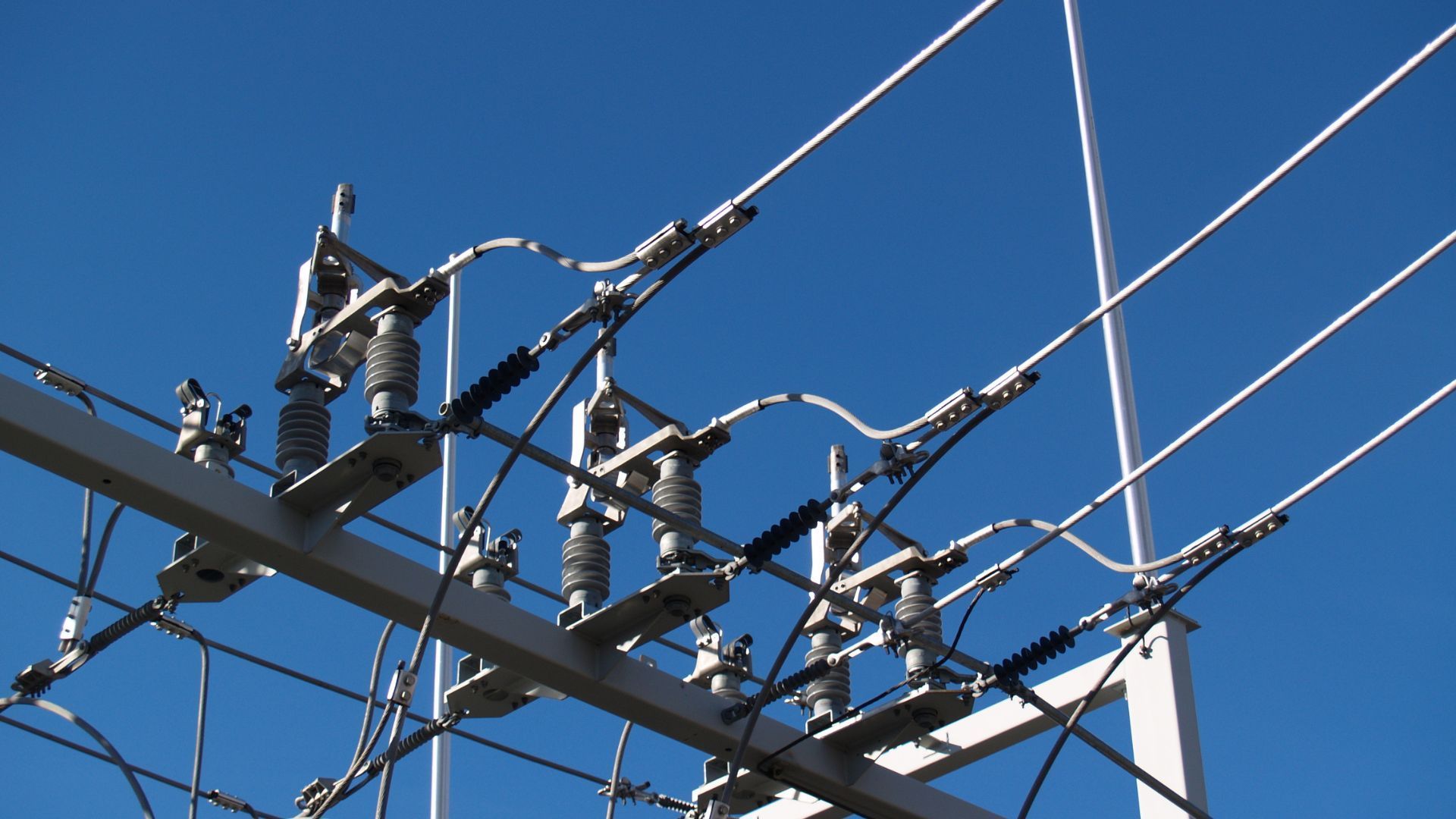
Our engineering process applies AutoCAD 3D, BIM modeling, and system-level substation design practices to ensure accurate planning, reduced errors, and efficient coordination across all project stakeholders.
Our workflow includes 3D substation design, enabling clash-free coordination between structural, electrical, and civil disciplines.
From grounding grid studies to relay protection settings, we engineer every detail to improve system reliability, performance, and operational safety. Our rigorous QA/QC process ensures compliance with IEEE, NFPA, and ISO/TSO interconnection standards.
Among leading electrical substation design companies, Keentel Engineering stands out for 30+ years of proven high-voltage and utility-grade project delivery.




First name, email and what you're interested in are all we need to get moving. Everything else, including drawings or an RFP, is optional.
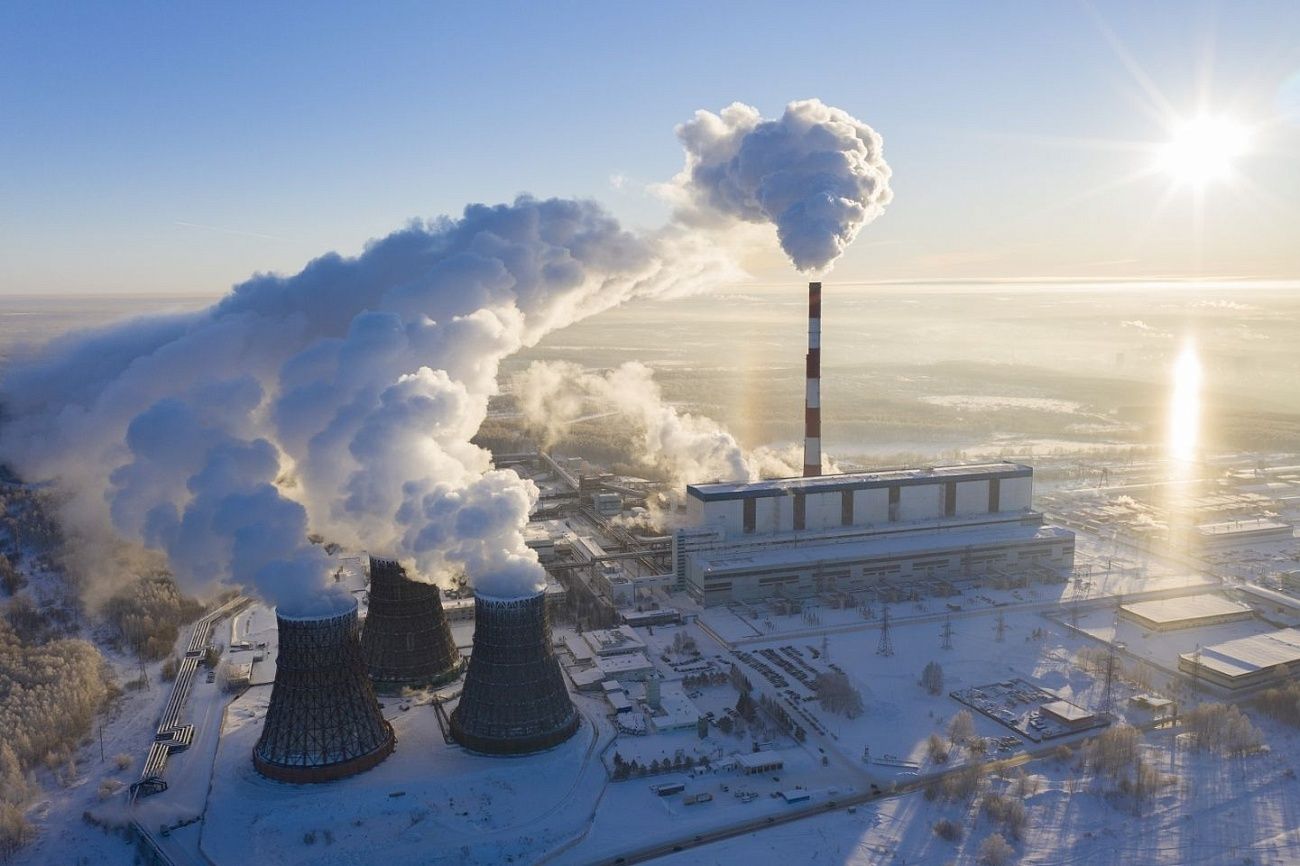
Cold weather preparedness was voluntary guidance for years. Repeated winter events showed that guidance was not enough. The joint FERC-NERC inquiries into Winter Storm Uri in February 2021 and Winter Storm Elliott in December 2022 found that large amounts of generation were unavailable when it was needed most, with freezing of equipment and fuel-related issues among the leading causes.
Those findings drove a sequence of cold weather standards and revisions. EOP-012 is the generator-focused result: it moves cold weather readiness from a seasonal checklist to a set of unit-specific, calculable obligations. Several versions have been approved in quick succession, so the requirements that apply to your units depend on the version in effect and its implementation plan.
Each applicable unit has an Extreme Cold Weather Temperature determined from historical data
Freeze-protection measures tied to that temperature, not to general intent
A unit-specific cold weather preparedness plan, reviewed and trained on every year
Corrective Action Plans when units trip, fail to start or derate because of cold
Documented constraints where a unit cannot practically meet the requirement

Extreme weather and facility ratings are named ERO priorities for 2026.
EOP-012 applies to Generator Owners and Generator Operators for applicable generating units. The standard contains applicability conditions and exemptions that can remove some units, or some requirements, from scope. Confirm them against the Facilities section and requirement language of the version in effect, and check implementation dates for phased obligations.
| Requirement area | Primary responsibility | Engineering evidence we produce |
|---|---|---|
| Extreme Cold Weather Temperature | Generator Owner | Documented temperature calculation for each unit site, with data source, station selection, period of record and method |
| Freeze protection - new units | Generator Owner | Design basis showing freeze-protection measures that support operation at the unit's ECWT under the conditions the standard specifies |
| Freeze protection - existing units | Generator Owner | Assessment of existing measures against the ECWT, with gaps carried into Corrective Action Plans or constraint documentation |
| Cold weather preparedness plan | Generator Owner | Unit-specific plan with ECWT, freeze-protection measures, critical components, operating limits and implementation procedures |
| Cold weather training | Generator Owner and Generator Operator (as assigned) | Annual unit-specific training content, attendance records and plan-to-training traceability |
| Corrective Action Plans after events | Generator Owner | Cause analysis, corrective actions, schedule and completion records following Generator Cold Weather Reliability Events |
| Constraints | Generator Owner | Technical, commercial or operational constraint declarations with supporting analysis and periodic review |
| Unit cold weather data | GO / GOP | Unit capability and limitation data provided to the RC, BA and TOP as requested through their data specifications and operating plans |
The Extreme Cold Weather Temperature (ECWT) is a NERC Glossary term. It is determined from historical hourly temperature data for the unit's location, using the statistical method the definition specifies over a defined winter period and period of record. Confirm the definition in the version in effect before calculating.

The ECWT is the target the rest of the program is measured against. We compare it with each unit's documented minimum design temperature, critical-component ratings and operating history. Where the design basis is warmer than the ECWT, the difference defines the freeze-protection gap that must be closed, corrected through a Corrective Action Plan or explained as a constraint.
EOP-012 treats new and existing units differently, recognizing that it is far easier to design freeze protection in than to retrofit it. The dividing line between new and existing units is set by commercial operation date in the version in effect.

New units are expected to have freeze-protection measures that support operation at the ECWT under the conditions the standard defines, including wind effects. For projects still in design, this is the moment to specify heat trace, enclosures, equipment low-temperature ratings and IBR cold-weather options before procurement locks them in.
Existing units must implement freeze-protection measures to the extent the standard requires and, where the unit cannot meet the ECWT, develop Corrective Action Plans or document constraints. The first step is an honest, component-level assessment of what the unit can do today.
Retrofit decisions are engineering and economic decisions. We give owners the component-by-component gap list, practical options and cost-relevant details they need to decide between modification, operating limitation and a documented constraint.
A preparedness plan is only as strong as the evidence behind each element. This is how we map each plan element to the records a Regional Entity will ask to see.
| Plan element | What it should say | Evidence that supports it |
|---|---|---|
| Extreme Cold Weather Temperature | The unit's ECWT and how it was determined | Calculation file, raw weather data, station-selection rationale |
| Freeze-protection measures | The measures in place for each system and component at risk | Heat trace drawings and schedules, insulation and enclosure details, walk-down records |
| Critical components list | Components whose freezing could trip, derate or prevent start of the unit | Component list with low-temperature ratings and protection method for each |
| Unit operating limits | Minimum temperature, wind and duration limits, and fuel limitations | Design basis, manufacturer data, test or operating records |
| Seasonal readiness activities | Pre-winter inspections, heat trace checks, fuel and chemical readiness | Completed work orders, inspection checklists, test results |
| Cold weather operating procedures | Actions during forecast and actual extreme cold | Procedures, operator logs, communication records with the operating entities |
| Roles and responsibilities | Who implements, maintains and trains on the plan | Organization chart, assignment records, GO/GOP agreements where roles are split |
| Corrective actions and constraints | Open CAPs and declared constraints affecting the unit | CAP tracker, constraint declarations and their periodic reviews |
Freeze protection is detailed engineering. These are the areas our assessments examine component by component.
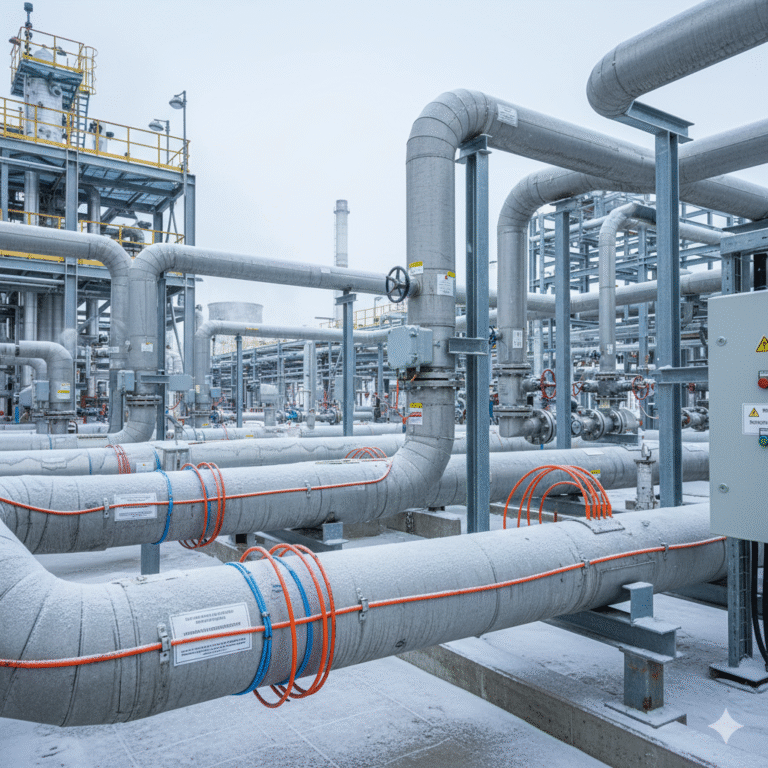
Circuit coverage against piping and instrument drawings, watt-density and controller setpoints, alarming, and documented insulation-resistance and continuity testing before each winter.

Condition, thickness and weatherproof jacketing on traced lines; damaged or missing insulation found in walk-downs is one of the most common failure points.
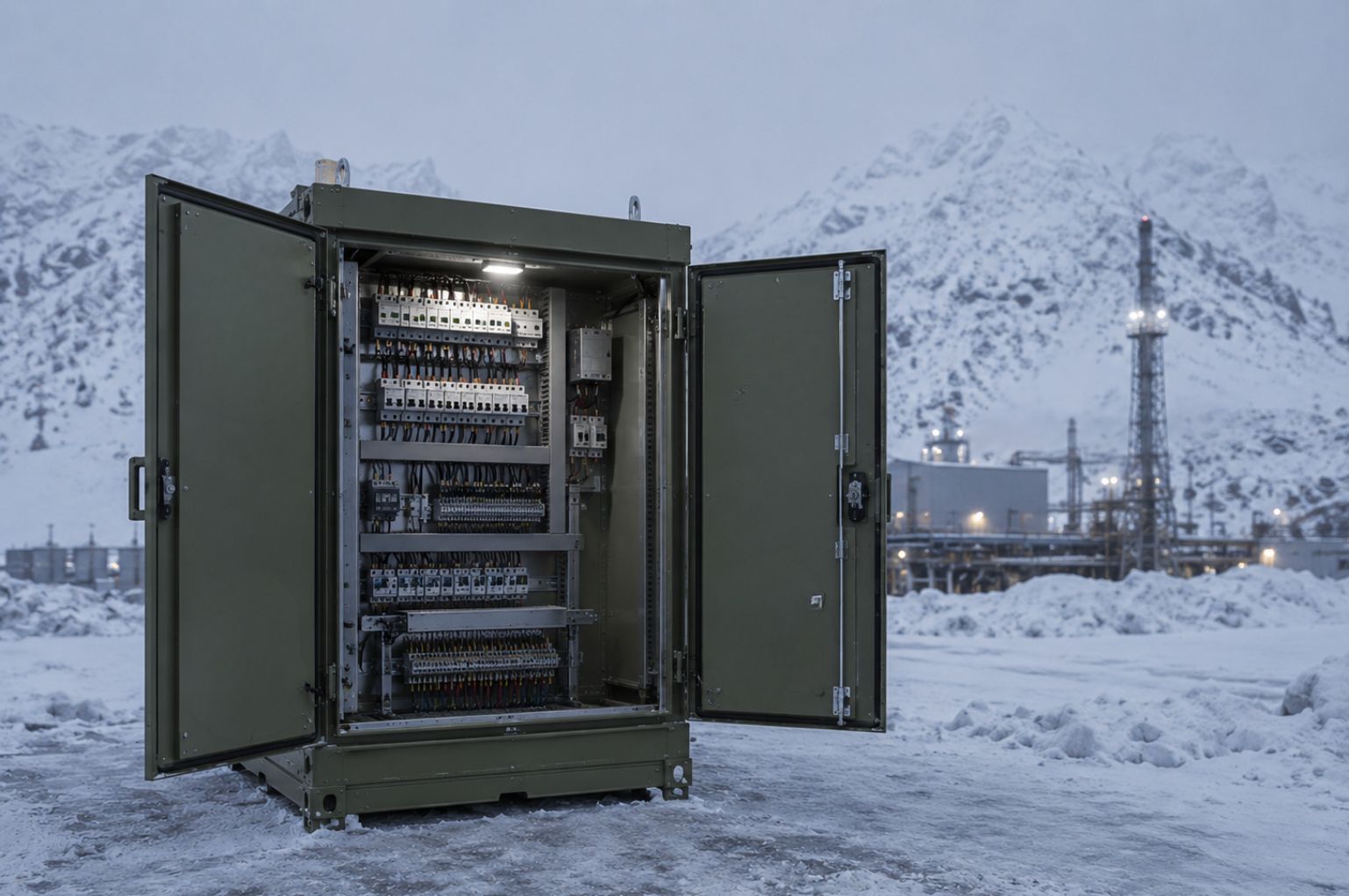
Temporary and permanent enclosures, windbreaks and space heating sized for the ECWT and wind conditions, with heater capacity and power supply verified.
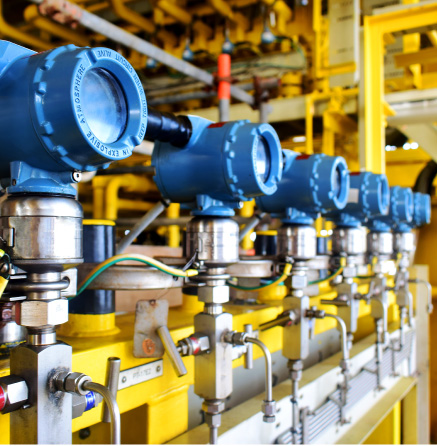
Transmitter sensing lines, drum-level and flow instruments, and air lines. Small-bore lines that freeze first and can trip a unit with little warning.

A defined list of components whose failure in cold could trip, derate or prevent start, each with its low-temperature rating and protection method.
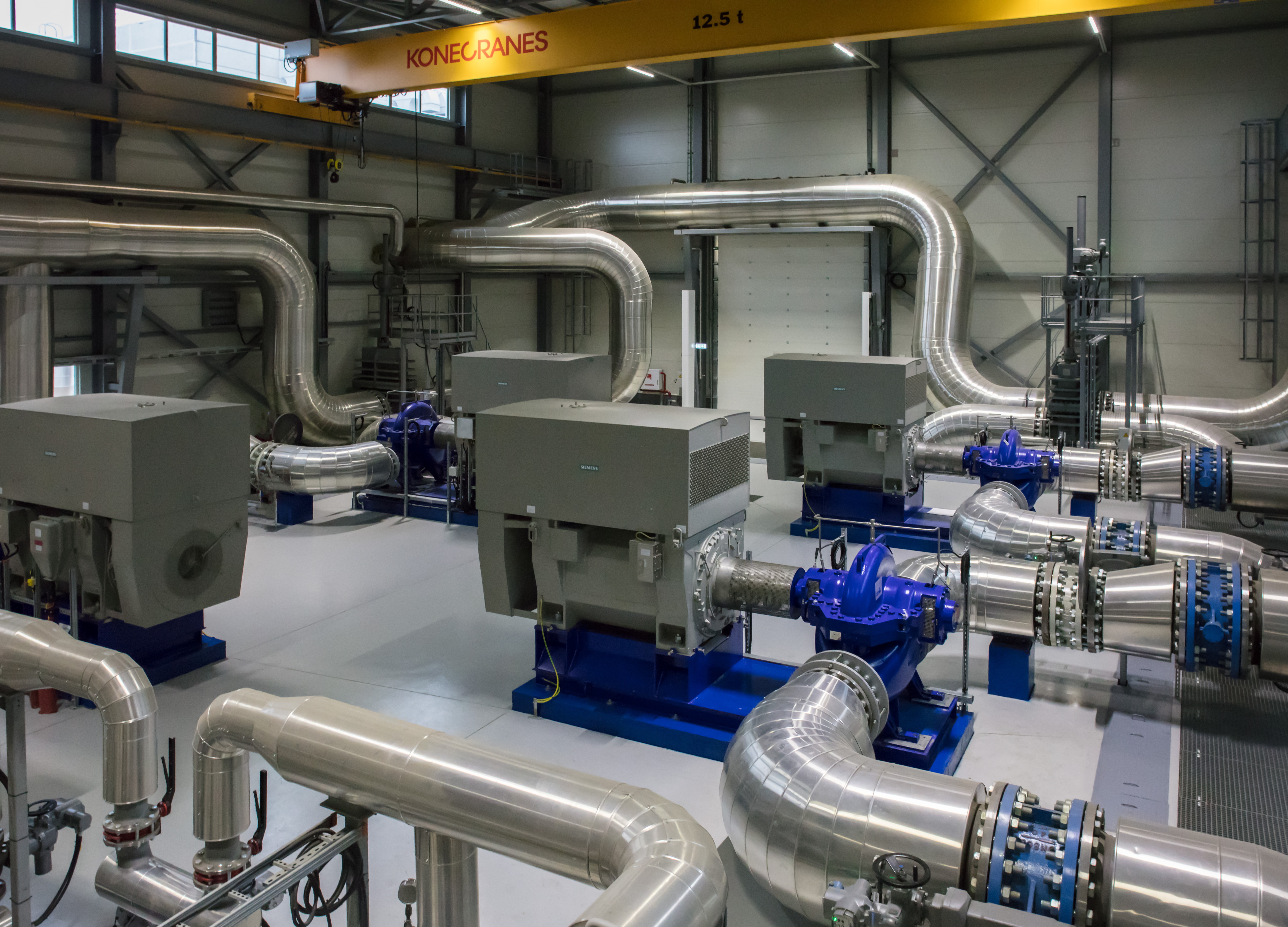
Fuel-gas regulators and dual-fuel systems, water treatment, fire protection, compressed air and auxiliary power systems reviewed for cold weather vulnerability.
Inverter-based resources have fewer wet systems than thermal plants, but they have temperature limits of their own. Where IBR units are applicable, those limits belong in the ECWT comparison and the preparedness plan.
Battery cells have minimum operating and charging temperatures. BESS containers rely on HVAC and thermal-management systems that consume auxiliary power and must be sized for the ECWT. The plan should address thermal-management capacity, auxiliary power availability and state-of-charge strategies before and during extreme cold.
Inverters and PCS units have low-temperature operating and cold-start limits, and many include low-temperature cutoffs that disconnect the unit below a set point. Those cutoffs, and any enclosure heaters that support them, must be documented and compared with the ECWT.
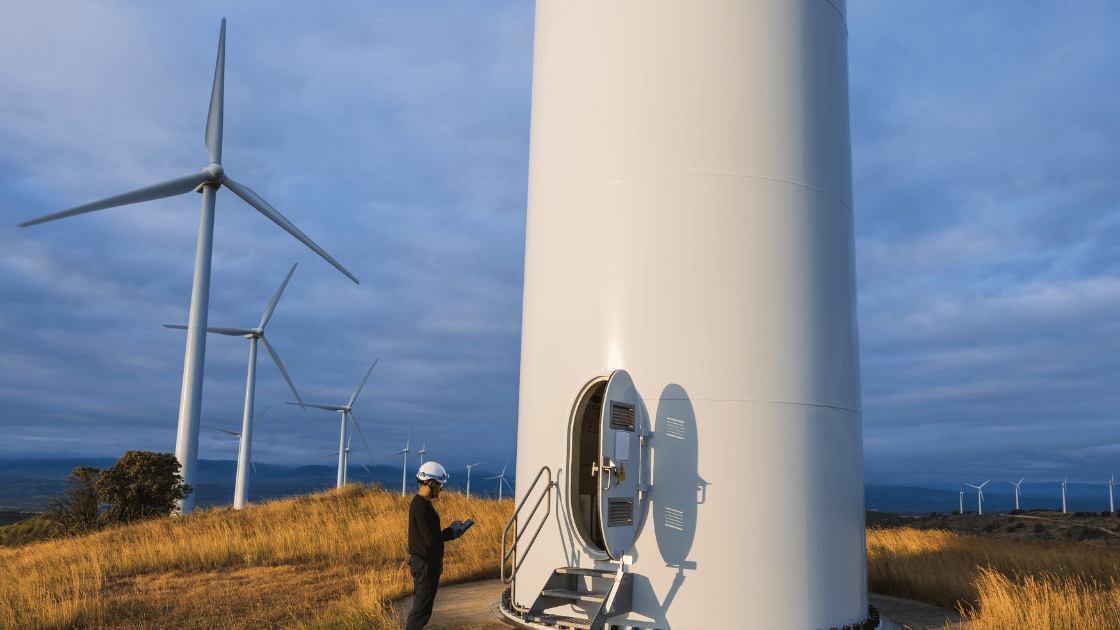
Standard turbines may shut down below a specified low temperature. Cold-weather packages extend the operating range with heated gearboxes, generators and hydraulics; icing affects blades and meteorological sensors. The turbine's actual low-temperature rating, with or without a cold-weather package, is the number the plan must use.
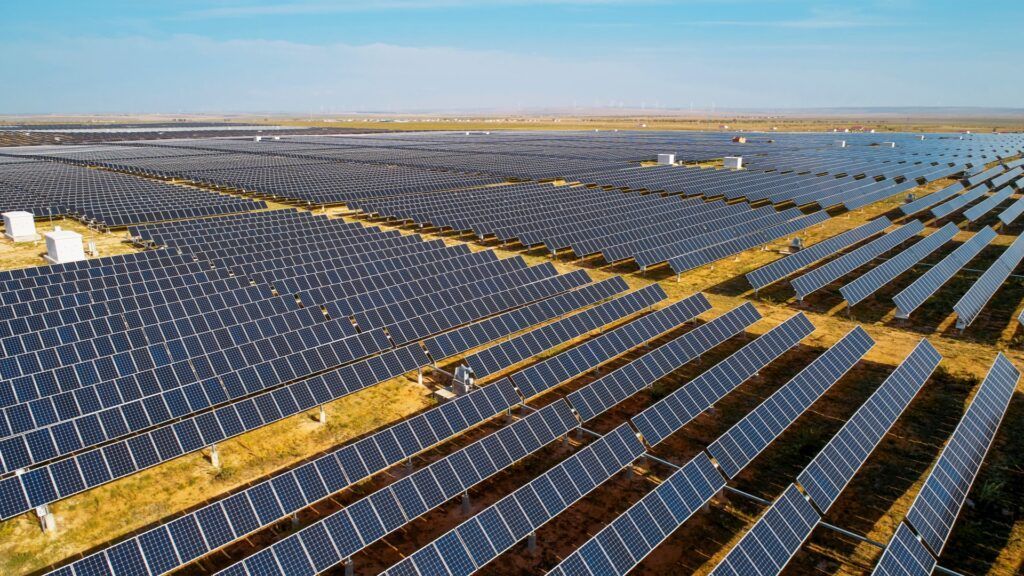
Snow and ice cover reduce output and can load trackers and structures. Tracker stow strategies, heating for control enclosures and the low-temperature ratings of inverters, transformers and substation equipment all affect cold weather capability.

When a unit experiences a Generator Cold Weather Reliability Event, as the NERC Glossary defines it, generally a forced outage, failure to start or derate caused by freezing or cold weather conditions within the defined temperature range, the Generator Owner must develop a Corrective Action Plan. A credible CAP identifies the physical cause, the corrective actions, the schedule and the extent to which the same cause could affect other units or components.
The standard recognizes that some units cannot practically meet the freeze-protection requirement. It allows documented technical, commercial or operational constraints, subject to the conditions and periodic review requirements of the version in effect. A constraint declaration will be scrutinized: it should explain what the constraint is, why it prevents the corrective action, what the unit can do instead and when the constraint will be re-evaluated.
Physical or design limitations that make a modification impractical, supported by engineering analysis
Economic factors such as planned retirement or disproportionate cost, supported by documented business analysis
Operating conditions or practices that limit the measures that can be applied, supported by operating records and procedures
Identify applicable units, any applicability conditions or exemptions, GO/GOP role split and the version and implementation dates in effect.
Select representative weather stations, collect and clean hourly data and calculate each unit's ECWT with a reproducible record.
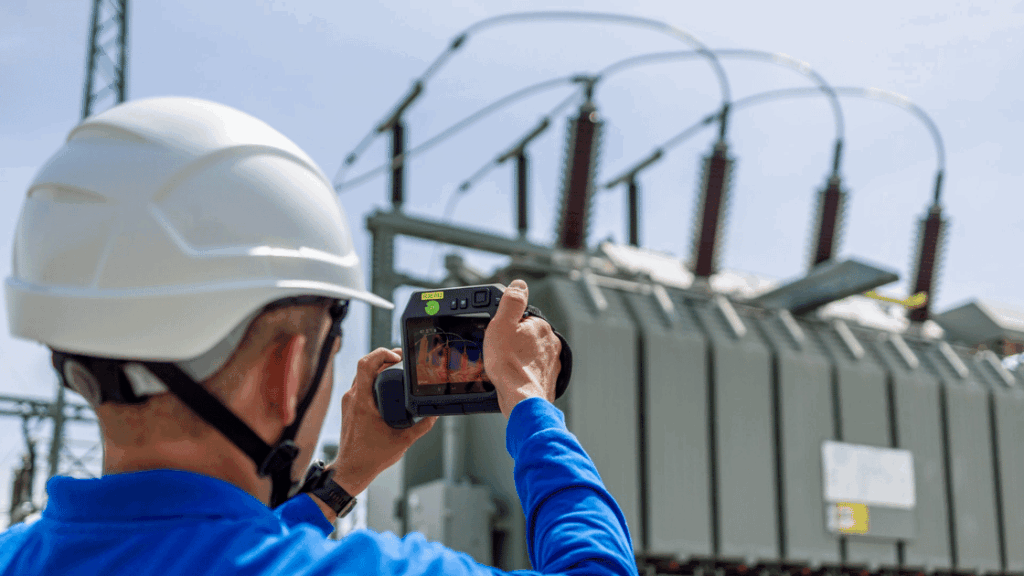
Walk down the unit, review heat trace and insulation, compile the critical components list and compare capability with the ECWT.
Recommend modifications, develop Corrective Action Plans or prepare constraint documentation with supporting analysis.
Prepare or update the unit-specific preparedness plan and annual training content tied directly to it.
Support unit cold weather data submittals to the RC, BA and TOP and keep the plan, CAPs and constraints current each season.
We evaluate heat trace circuits, sensing lines and component ratings, not just whether the plan template is filled in.
Solar, wind, BESS and thermal units each fail in cold for different reasons; our engineers know the difference.
Former NERC audit-team leadership and SMEs know how ECWT calculations, CAPs and constraint declarations are examined.
Our EOP-012 work aligns with TPL-008 extreme temperature studies and the cold weather content of operating entities' EOP-011 plans.


Send us your unit list, current cold weather plans and freeze-protection drawings. Keentel will calculate each unit's Extreme Cold Weather Temperature, find the gaps and give you a plan, or a documented constraint, that will stand up to review.
Serving utilities, EPCs, developers, and infrastructure organizations supporting critical power systems nationwide.