NERC Compliance Gap Analysis & Risk Assessment

Find out where your NERC Operations & Planning program would fail an audit today — requirement by requirement, with every gap ranked by the reliability risk it carries.

Keentel Engineering tests your procedures and evidence against each applicable requirement the way a Regional Entity audit team would, and then checks what most gap analyses skip: whether the engineering work behind the evidence was ever actually done.

  • Requirement-by-requirement assessment built on your applicability matrix, not a generic checklist
  • A consistent evidence quality rating for every requirement, so you know what is audit-ready and what is not
  • Engineering-evidence review of settings, ratings, models and test records by power-system engineers
  • Gaps prioritized by reliability risk and the ERO Enterprise's current CMEP risk elements

30+

Years of power-system experience

6

Regional Entities supported

4–765 kV

Voltage range we assess

Every

Applicable requirement rated

About Keentel Engineering

Your Trusted Partner in Electrical Engineering and Power Systems

At Keentel Engineering, we deliver electrical power engineering services built on 30 years of experience and a commitment to excellence. Our clients include utilities, developers, EPCs, and public agencies across the U.S.

Unlike firms that sacrifice technical depth to chase billable hours, we prioritize precision, compliance, and value engineering. From transmission services and relay modeling to winterization and SCADA planning, we never compromise on quality.

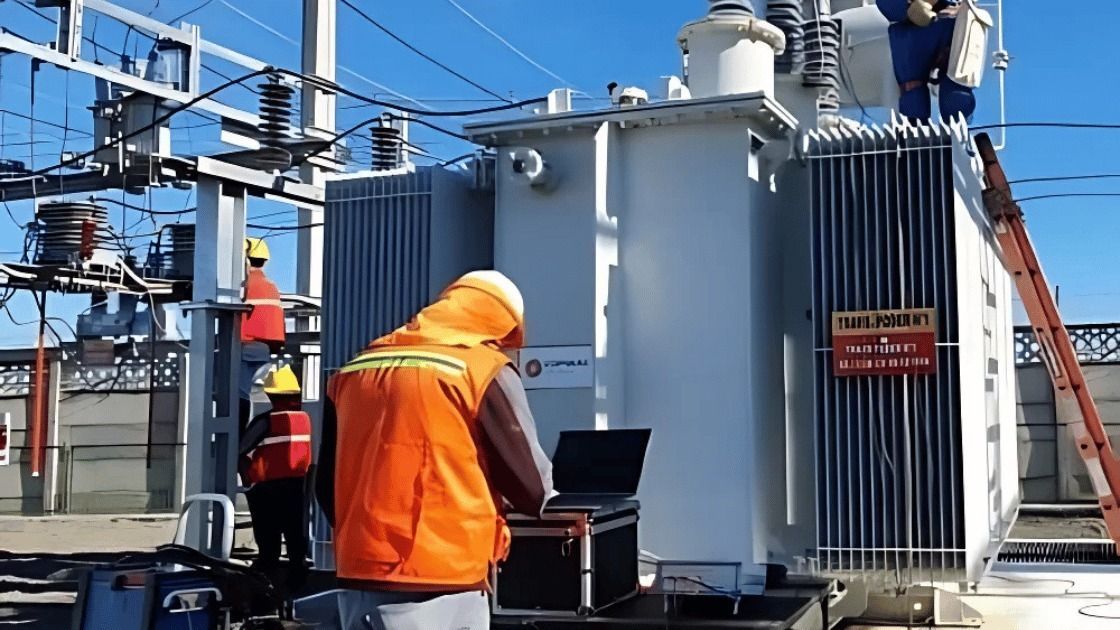
Keentel Engineering team of electrical engineers in hard hats and safety vests at a high-voltage substation site

Why Choose Keentel Engineering?

Client-Focused Work Approach

At Keentel Engineering, we take pride in being the go-to electrical power engineering firm for power and utility system planning, substation design, protection, control, and power system analysis. The following attributes distinguish our team in utility-grade substation engineering and compliance-driven project delivery.

30 Years of Experience

With three decades of hands-on project delivery, we bring unmatched expertise in substation layout design, substation electrical and civil engineering, relay protection, and grid-tie solutions. Our experience includes projects in complex terrain, urban retrofit environments, and utility-scale renewable integrations.

Quality with Innovation

Our engineering process applies AutoCAD 3D, BIM modeling, and system-level substation design practices to ensure accurate planning, reduced errors, and efficient coordination across all project stakeholders.

Our workflow includes 3D substation design, enabling clash-free coordination between structural, electrical, and civil disciplines.

Attention to Detail

From grounding grid studies to relay protection settings, we engineer every detail to improve system reliability, performance, and operational safety. Our rigorous QA/QC process ensures compliance with IEEE, NFPA, and ISO/TSO interconnection standards.

Among leading electrical substation design companies, Keentel Engineering stands out for 30+ years of proven high-voltage and utility-grade project delivery.

Keentel Engineering video

Accreditations and memberships

NSPE, National Society of Professional Engineers
D-U-N-S Registered
IEEE Senior Member
BBB Accredited Business, A plus rating

Contact details

Tell Us About Your Project

1 business day reply

First name, email and what you're interested in are all we need to get moving. Everything else, including drawings or an RFP, is optional.

We reply within one business day. Sending this does not create a contract or an engineer and client relationship.

A Compliance Program Is Only as Strong as Its Weakest Requirement

Most registered entities believe they are compliant. The question a Regional Entity asks is different: can you demonstrate compliance, for every applicable requirement, across the whole audit period, with evidence that stands on its own?

A NERC compliance gap analysis answers that question before an auditor does. It compares what each requirement demands against what your organization actually does and what your records actually show — and it records the difference as a specific, fixable gap.

For Operations & Planning standards, many of the hardest gaps are not paperwork gaps. A procedure can say protection settings are coordinated with generator capability, but if the coordination study was never performed, or was performed before the last setting change, there is nothing a document-control fix can repair. That is why our gap analysis is led by engineers.

A gap you find is a work item. A gap an auditor finds is a potential violation. The assessment is designed to move every gap into the first category.

Keentel engineer with a tablet reviewing compliance records at a generating plant

When a Gap Analysis Makes Sense

A structured gap analysis is the right tool whenever you need an honest baseline of where your program stands.

Newly registered entities

Generator Owners, Generator Operators and IBR Category 2 owners building a program for the first time and needing to know what is missing before the first compliance date.

Entities with an upcoming audit or spot check

Organizations that have received — or expect — an audit notification and want to find weaknesses while there is still time to fix them.

After acquisitions or portfolio growth

Owners that have inherited facilities, programs and evidence from prior owners, EPCs or developers of uneven quality.

After a change in compliance staff

Programs where institutional knowledge has left with a departing compliance manager or engineer.

Before new or revised standards take effect

Entities facing new versions — ride-through, cold weather, model verification, IBR performance — that need to know what engineering work is required now.

Periodic health checks

Mature programs that want an independent, requirement-level view every few years or between audit cycles.

Keentel engineer reviewing protection settings and test records on a laptop

Requirement-by-Requirement, Built on Your Applicability Matrix

A useful gap analysis starts from scope. We begin with your requirement-level applicability matrix — or build one, as described on our Registration & Applicability Assessment page — so the assessment covers every requirement that applies to each facility and function, and nothing that does not.

For each applicable requirement we then examine three things, using the relevant Reliability Standard Audit Worksheet (RSAW) as a guide to what auditors typically request:

  • Design — Is there a documented process, procedure or control that, if followed, would achieve compliance with the requirement as written?
  • Execution — Is there evidence that the process was actually performed, by the right people, on time, for every applicable facility, throughout the period?
  • Evidence — Is that evidence complete, dated, attributable, retained for the required period and retrievable without the person who created it?

Findings are recorded at the requirement and, where relevant, sub-requirement or part level, with a reference to the facility, the document reviewed and the specific shortfall. Vague findings such as "procedure needs improvement" do not appear in our reports.

Our Evidence Quality Rating Scale

Every applicable requirement receives a rating on a consistent five-level scale. The scale makes progress measurable and gives leadership a clear view of program maturity without reading every finding.

Rating Meaning Typical condition
4 Audit-ready Documented process, complete evidence for the full period, organized and retrievable Evidence maps directly to the RSAW and could be submitted as-is
3 Minor gaps Process and execution in place; evidence needs organization, dating or cross-referencing Correct records exist but are scattered across systems or lack clear attribution
2 Partial Process exists but execution or evidence is incomplete for some facilities or periods Some intervals missed, some sites not covered, or evidence held by a third party
1 Significant gap Process is missing or not followed, or the underlying engineering work is outdated Procedure restates the standard only; study predates current settings or equipment
0 No evidence No process, no execution record and no evidence available Requirement not recognized as applicable, or the work has never been performed

Ratings of 2 or lower are flagged for further review, because they may indicate a possible noncompliance that should be evaluated — with counsel where appropriate — for self-reporting rather than simply fixed quietly.

Know where you stand before your auditor does.

The Gaps a Document Review Cannot Find

Many O&P requirements can only be met by producing engineering work: a study, a calculation, a model, a test or a coordinated setting. Our engineers check that the work exists, that it is technically sound and that it still matches the equipment in the field.

Standard area Engineering evidence expected Common gap we find
FAC-008 Facility Ratings Ratings methodology and ratings established for every equipment element, with the most limiting element identified Ratings not updated after equipment replacement; series elements such as relays, CTs or jumpers omitted
PRC-005 Protection System Maintenance Program with defined intervals and complete maintenance and test records for each component type Component inventory incomplete; intervals exceeded on batteries, DC supply or communications
PRC-019 Voltage Regulation Coordination Coordination of voltage regulating controls, limiters and protection with equipment capability Coordination not repeated after an excitation or inverter control change
PRC-024 / PRC-029 Ride-Through Documented protection and control settings compared against required voltage and frequency ride-through capability Inverter trip settings held only by the OEM; no documented comparison to the curves
PRC-025 Load-Responsive Protection Setting calculations showing relays do not trip under the specified loading conditions Calculations missing for GSU or auxiliary transformer relays
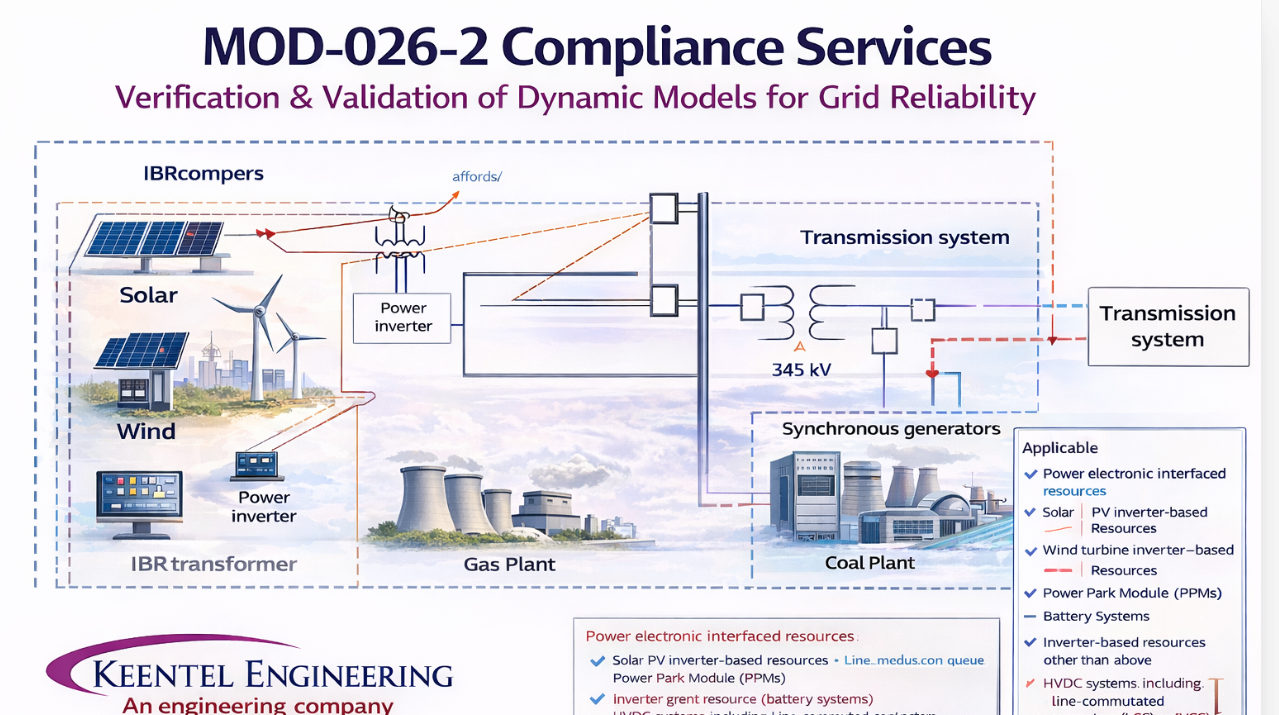
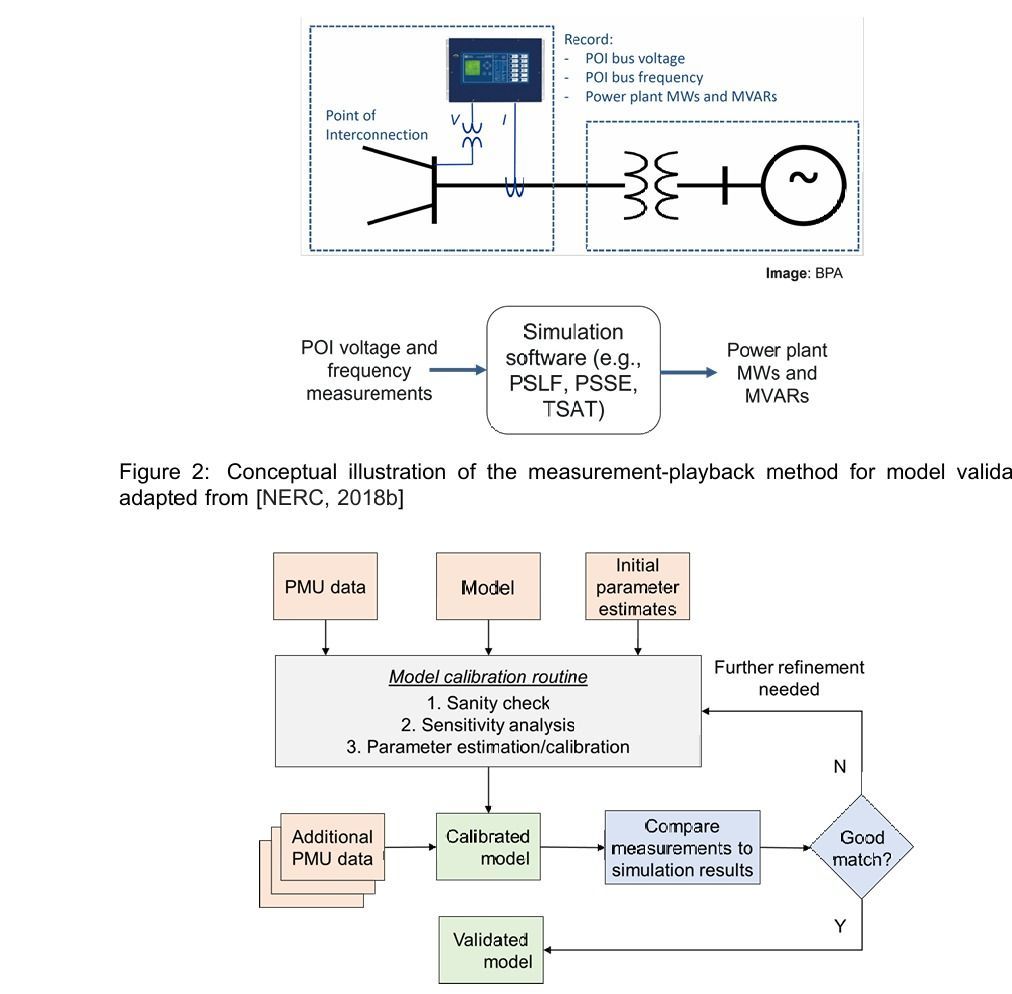
MOD-025 / MOD-026 / MOD-027 Verified real and reactive capability; verified dynamic models submitted to the Transmission Planner Models from the interconnection study never verified against as-built performance
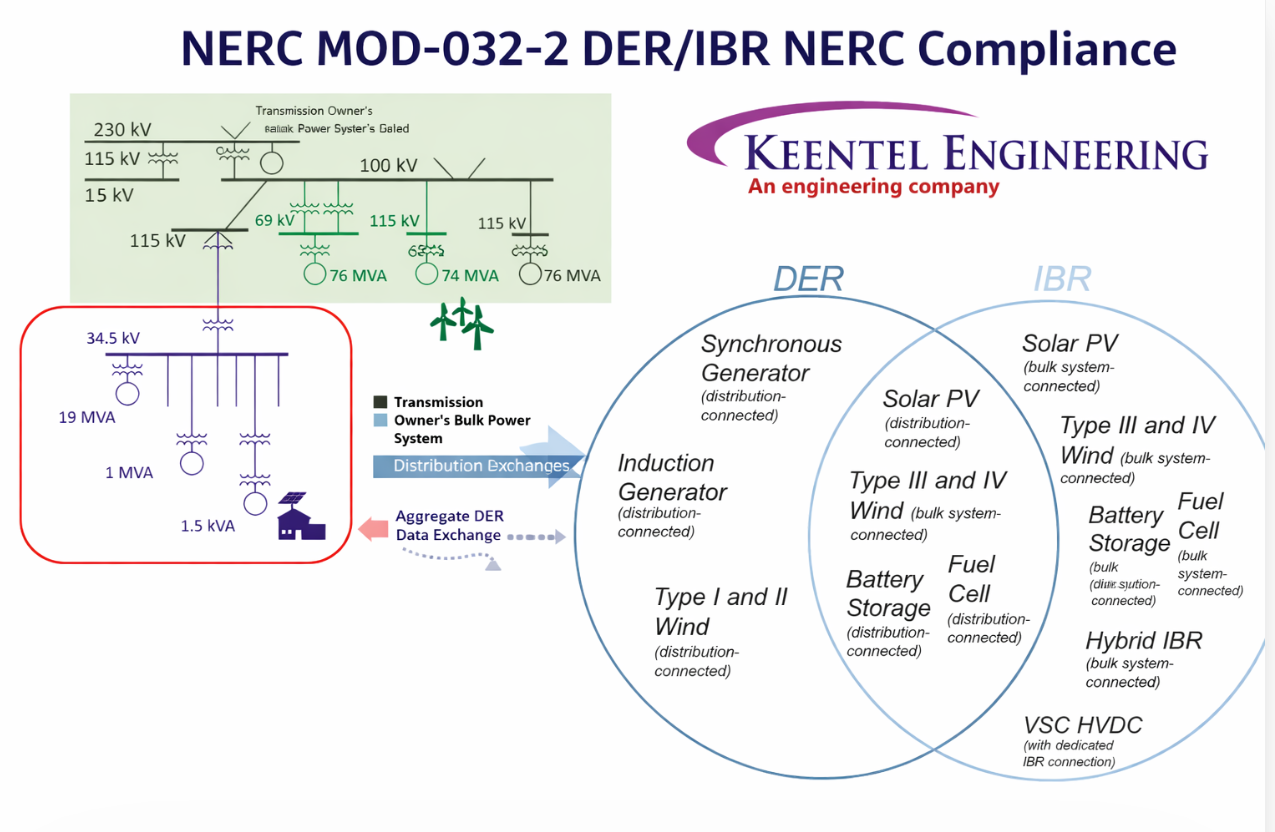
MOD-032 Modeling Data Steady-state, dynamic and short-circuit data provided per the PC/TP data requirements Submitted data does not reflect as-built equipment or current settings
TPL-001 / FAC-002 Planning assessments and interconnection studies with documented assumptions Study assumptions not tied to current models; coordination records incomplete

Where the underlying engineering work is missing or outdated, we identify it as a distinct gap with an estimate of the effort needed to close it — so leadership is not surprised when a "documentation fix" turns out to require a study.

Including BAL, COM, INT, IRO, NUC and PER in the Assessment

Not every applicable standard depends on engineering studies. Several families are driven by operating practice, communications, coordination and training — and they are easy to overlook in a program built around protection and modeling. Our gap analysis covers them with the same requirement-level rigor.

BAL

Frequency response, reserve and balancing obligations where you are registered as a Balancing Authority, and supporting data and coordination for other functions

COM

Interpersonal communication capability, alternative communications and the three-part communication protocols used for Operating Instructions

INT

Interchange coordination and scheduling obligations for applicable functions

IRO

Data specifications, coordination and response to Reliability Coordinator directives and data requests

NUC

Nuclear Plant Interface Requirements and the corresponding agreements between nuclear plant owners and transmission entities

PER

Training for operating personnel, including PER-006 training on the operational functionality of Protection Systems and Remedial Action Schemes

For these families, the most common findings are missing or unsigned agreements, communications tests without records, and training that was delivered but not documented against the specific requirement. They are usually inexpensive to fix — which makes finding them early especially valuable.

Ranking Gaps the Way the ERO Enterprise Looks at Risk

The ERO Enterprise uses a risk-based approach under the Compliance Monitoring and Enforcement Program (CMEP). Each Regional Entity performs an Inherent Risk Assessment (IRA) of a registered entity, which informs a Compliance Oversight Plan (COP) that sets the focus, type and frequency of monitoring. Each year, the CMEP Implementation Plan identifies risk elements — themes such as inverter-based resource performance, extreme and cold weather preparedness, protection system performance and planning and modeling accuracy — and the standards and requirements associated with them.

Our gap analysis uses that same lens. Each gap is scored on:

  • Reliability impact — the potential effect on the Bulk Electric System if the requirement is not met
  • Alignment with current risk elements — whether the requirement is associated with a risk element in the current CMEP Implementation Plan
  • Evidence rating — how far the current evidence is from audit-ready
  • Duration and extent — how long the gap has existed and how many facilities it affects
  • Effort to close — whether the fix is procedural, administrative or requires new engineering work

The result is a ranked remediation roadmap. High-risk, high-visibility gaps are addressed first; low-risk administrative gaps are batched efficiently. Your leadership sees a sequence that makes sense to an auditor as well as to a budget owner.

Prioritize by reliability risk, not by what is easiest to fix. Regional Entities focus on risk — your remediation plan should too.
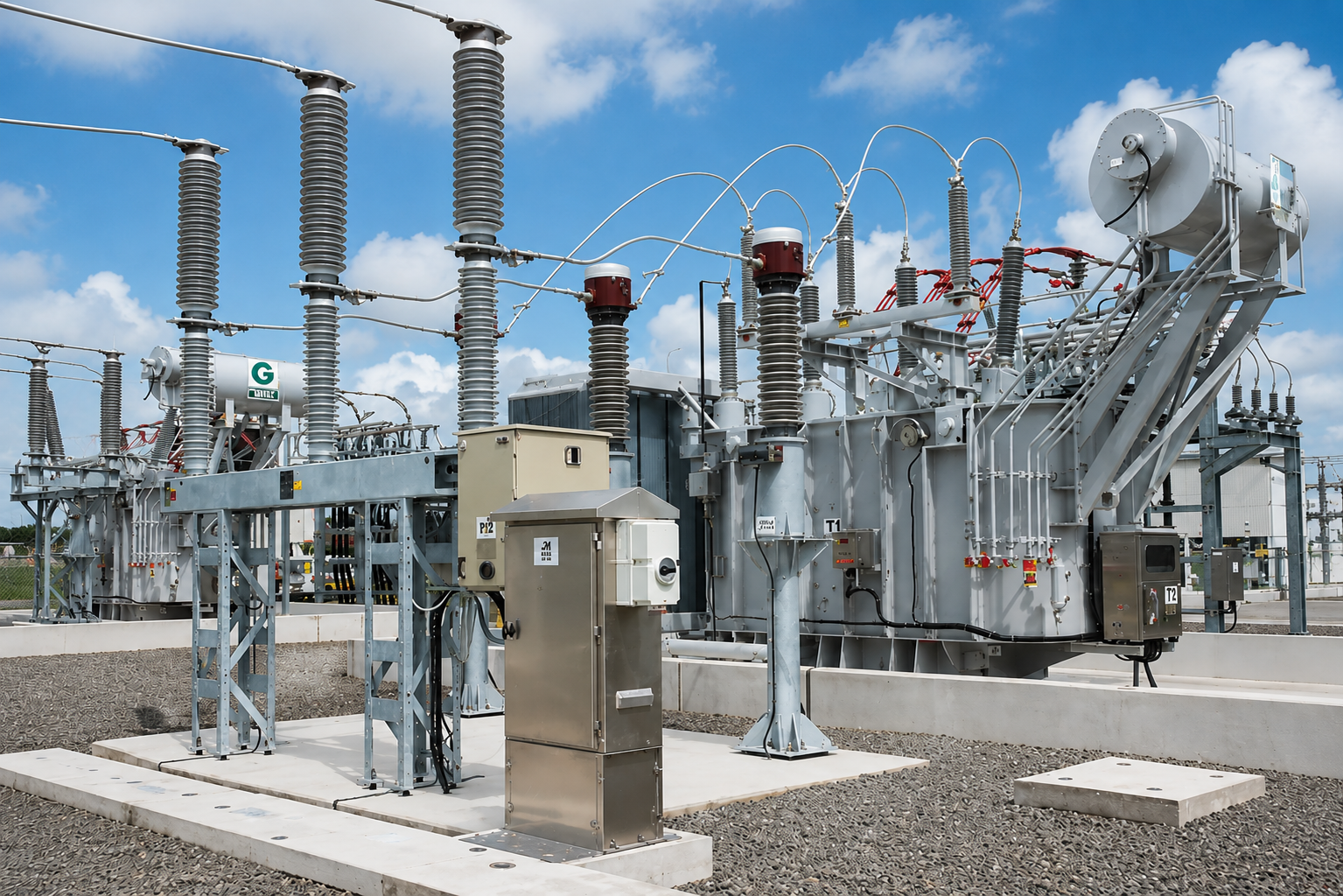
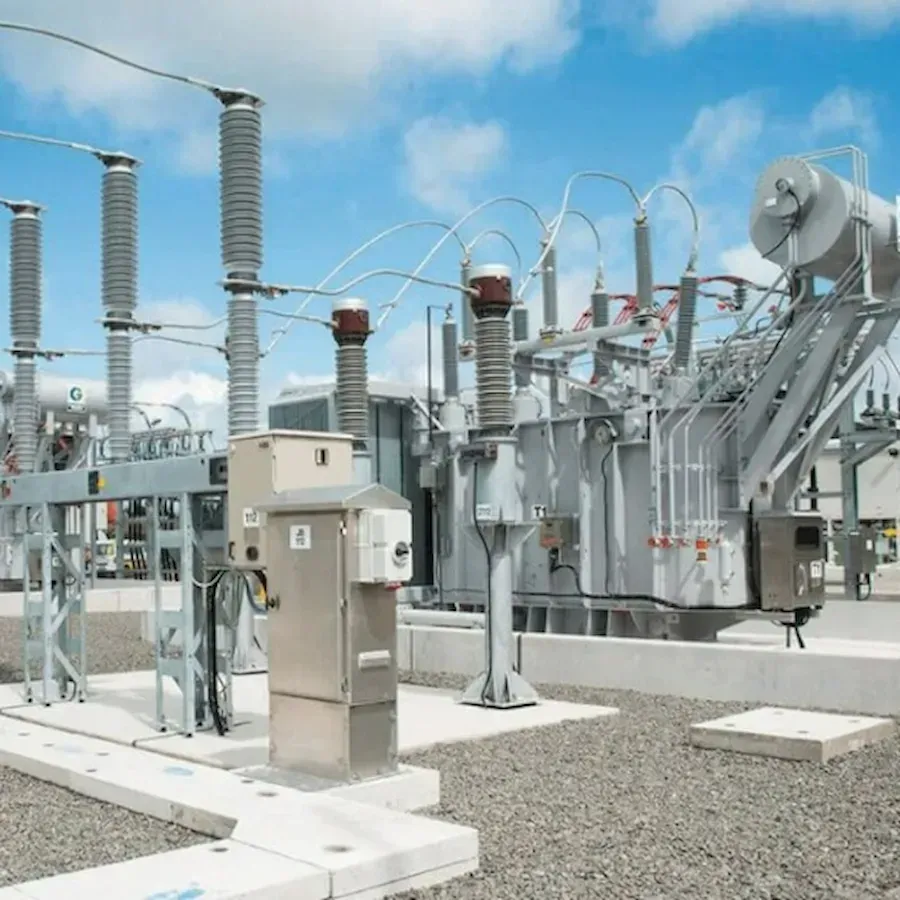
High-voltage substation transformer and switchgear

What Gap Analyses Commonly Reveal

Finding Why it matters Typical fix
Procedures that restate the standard Repeating requirement language does not show how compliance is achieved or who performs the work Rewrite as a step-by-step procedure with roles, triggers, timing and evidence outputs
Evidence held by contractors EPCs, OEMs and O&M providers retain settings files, test reports and models the registered entity cannot readily produce Contractual evidence-delivery requirements and a documented evidence source map
Stale engineering studies Studies performed before equipment or setting changes no longer demonstrate compliance for the current configuration Change-management trigger that requires engineering review after field changes
Missed periodic intervals Interval-based requirements are judged across the whole audit period, not only at the time of the audit Compliance calendar with owner, due date and escalation for each recurring task
Undocumented "not applicable" decisions Auditors will ask for the basis for any exclusion Applicability matrix with a written basis for every exclusion
Incomplete training records Training without attendance, content and requirement mapping may not demonstrate compliance Training matrix tied to each requirement and each role
No internal controls Compliance depends on individuals remembering, which increases risk and draws closer oversight Preventive and detective controls for high-risk requirements

Engineering-evidence review of settings, ratings, models and test records by power-system engineers.

Our Seven-Step Gap Analysis Process

  1. 01

    Scoping and applicability

    We confirm registered functions, facilities and the requirement-level applicability matrix, and agree which standards, facilities and look-back period the assessment will cover.

  2. 02

    Document and evidence request

    We issue a structured request modeled on RSAW evidence expectations, covering procedures, records, studies, settings, models and agreements.

  3. 03

    Interviews and walkthroughs

    We interview compliance, engineering, operations and O&M staff to understand how each requirement is actually performed — not only how it is written.

  4. 04

    Engineering evidence review

    Power-system engineers review studies, settings, ratings, models and test records for technical adequacy and consistency with the as-built facility.

  5. 05

    Rating and gap documentation

    Each requirement is rated on the evidence quality scale, and each gap is documented with its facility, source document and specific shortfall.

  6. 06

    Risk scoring and roadmap

    Gaps are scored for reliability risk and effort, then sequenced into a remediation roadmap with owners and target dates.

  7. 07

    Leadership briefing

    We present the results to management and compliance staff, including any items that warrant review for potential self-reporting.

  8. Know Where You Stand Before Your Auditor Does

    Schedule A Call

Deliverables

Deliverable What it contains How you use it
Gap Analysis Report Executive summary, methodology, program maturity overview and findings by standard family Leadership decision-making and budget planning
Requirement-Level Gap Register Every applicable requirement with its evidence rating, gap description, facility and reference Working tool for remediation and progress tracking
Engineering Evidence Findings Technical review of studies, settings, ratings and models, with the engineering work needed to close each gap Scoping engineering projects and contractor work
Risk-Ranked Remediation Roadmap Prioritized sequence of actions with owners, effort estimates and target dates Project plan for closing gaps before the next audit
Potential Noncompliance Summary Items that may warrant evaluation for self-reporting, with the facts established Discussion with management and legal counsel
Evidence Source Map Where each type of evidence lives and who holds it — internal teams, EPCs, OEMs or O&M providers Directing evidence recovery and contract updates

A Gap Analysis Led by Engineers Who Have Seen the Audit Side

Engineering work product is the evidence

For O&P standards, the study, calculation or setting file is the compliance evidence. Our engineers can tell whether it actually demonstrates compliance.

Audit-side perspective

Former NERC audit-team leadership and subject-matter experts help us assess evidence the way a Regional Entity audit team would.

From finding to fix

The same firm that identifies an engineering gap can perform the study, ratings review or model verification needed to close it.

All six Regional Entities

We support entities across MRO, NPCC, ReliabilityFirst, SERC, Texas RE and WECC, accounting for regional expectations and regional standards.

NERC Compliance Gap Analysis & Risk Assessment — FAQs

01 What is a NERC compliance gap analysis?

A NERC compliance gap analysis is a structured review that compares each applicable Reliability Standard requirement against your organization's processes, performance and evidence. It identifies where compliance cannot be demonstrated and documents each shortfall as a specific gap that can be assigned and fixed.

02 How is a gap analysis different from a mock audit?

A gap analysis is diagnostic and collaborative: it looks broadly across your program to find and prioritize weaknesses. A mock audit simulates the actual audit experience — evidence requests, interviews and time pressure — to test readiness for a specific engagement. Many entities perform a gap analysis first, remediate, and then run a mock audit before the real one.

03 Which standards does your gap analysis cover?

We cover the NERC Operations & Planning standards that apply to your registered functions and facilities — including BAL, COM, EOP, FAC, INT, IRO, MOD, NUC, PER, PRC, TOP, TPL and VAR, plus applicable regional standards. CIP cybersecurity standards are a separate discipline and are not part of our service scope.

04 What is an evidence quality rating?

It is a consistent score assigned to each requirement that shows how close your evidence is to audit-ready. Our five-level scale runs from 0 (no evidence) to 4 (audit-ready). It gives leadership a clear measure of program maturity and makes progress easy to track after remediation.

05 What does "engineering evidence" mean for NERC compliance?

Many O&P requirements are met by producing engineering work — facility ratings, relay setting calculations, coordination studies, verified models, maintenance test records or planning assessments. That work product is the compliance evidence. If it is missing, outdated or technically unsound, no amount of document formatting will close the gap.

06 How do you prioritize the gaps?

Each gap is scored for reliability impact, alignment with the risk elements in the current ERO Enterprise CMEP Implementation Plan, evidence rating, duration and extent, and effort to close. The result is a ranked roadmap so the highest-risk items are fixed first.

07 What happens if the gap analysis finds a possible violation?

We document the facts — the requirement, the facility, the period and the evidence — and flag the item for management review. Whether and how to self-report is your organization's decision, typically made with legal counsel. Our Self-Report, Investigation & Enforcement Support service can help with the technical side of that process.

08 How does a gap analysis relate to the Inherent Risk Assessment?

The Inherent Risk Assessment is performed by your Regional Entity to understand the risk your organization poses, and it informs your Compliance Oversight Plan. A gap analysis is your own view of where your program is weak. Understanding both helps you focus remediation on the requirements that matter most to your Regional Entity and to reliability.

09 How long does a gap analysis take?

Duration depends on the number of registered functions, facilities and applicable requirements, and on how quickly evidence can be collected from internal teams and contractors. A single-facility Generator Owner/Generator Operator assessment is typically measured in weeks; multi-function or multi-site programs take longer.

10 Can Keentel also fix the gaps it finds?

Yes. We can develop procedures and internal controls, organize evidence, and perform the engineering work — facility ratings reviews, protection coordination, ride-through assessments, model verification and planning studies — needed to close engineering gaps.

Know Where You Stand Before Your Auditor Does

Share your applicability matrix, procedures and a sample of your evidence. Keentel will scope a requirement-level gap analysis that rates your evidence, checks the engineering behind it and ranks every gap by risk.

Call 813-389-7871 · contact@keentelengineering.com

Who We've Served

Serving utilities, EPCs, developers, and infrastructure organizations supporting critical power systems nationwide.

 Blogs

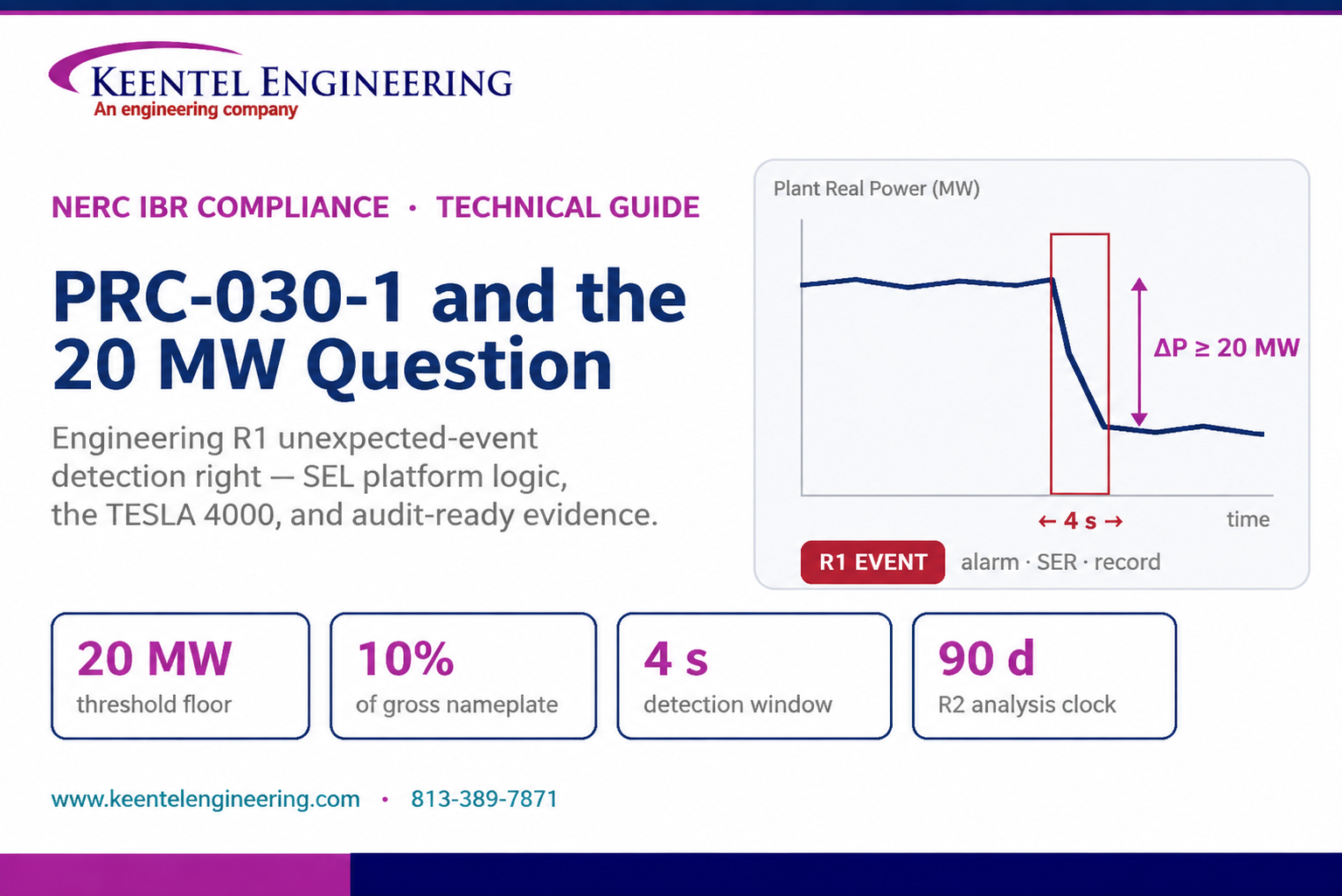
PRC-030-1 R1 Event Detection Guide for IBR Owners
By SANDIP R PATEL • September 22, 2026
Learn PRC-030-1 R1 event detection requirements for inverter-based resources, SEL platforms, disturbance monitoring, and audit-ready compliance.
Read More →
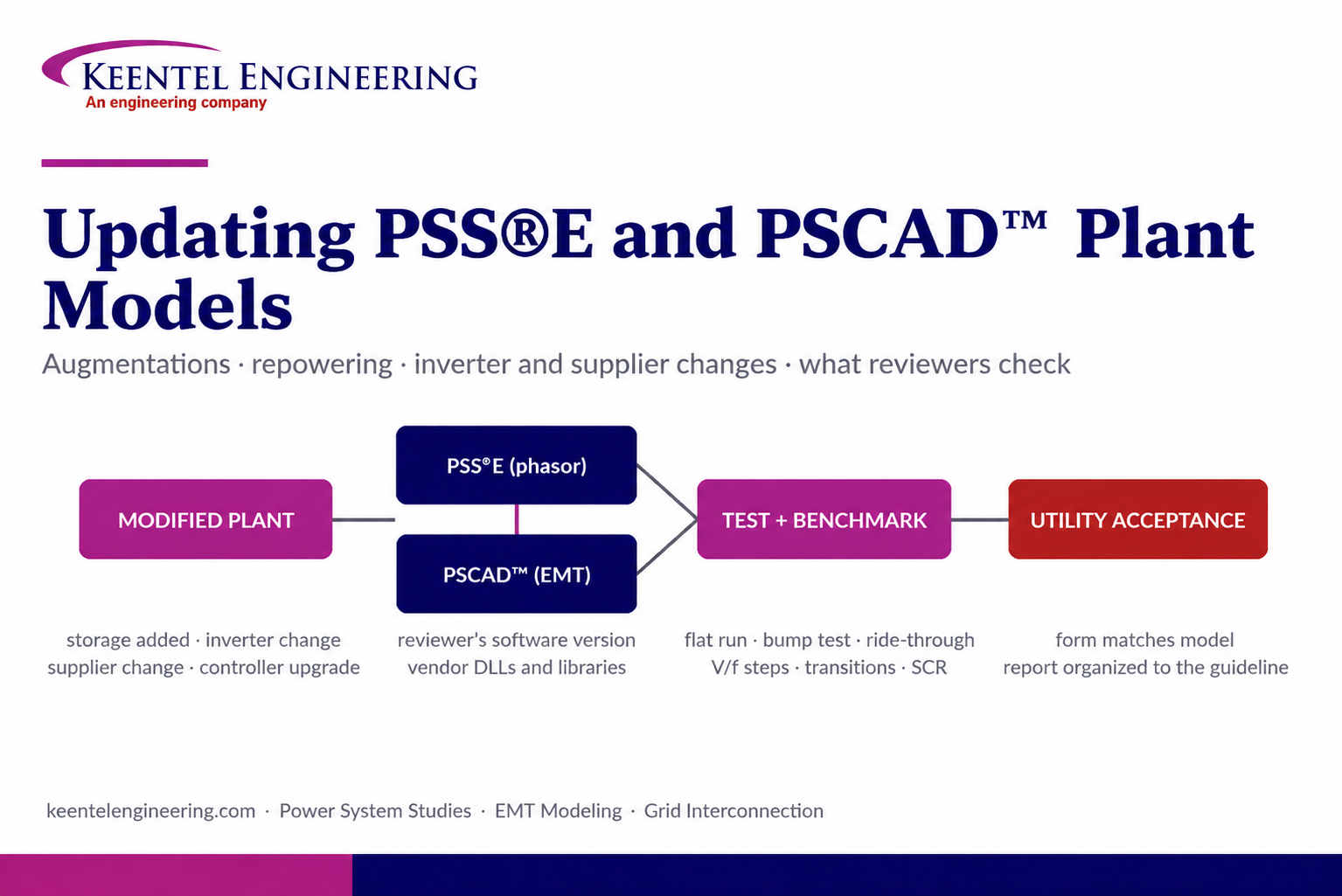
PSS®E and PSCAD™ Model Updates for Power Plants
By SANDIP R PATEL • September 22, 2026
Learn how PSS®E and PSCAD™ model updates support plant augmentations, repowering, equipment changes, testing, benchmarking, and grid compliance.
Read More →
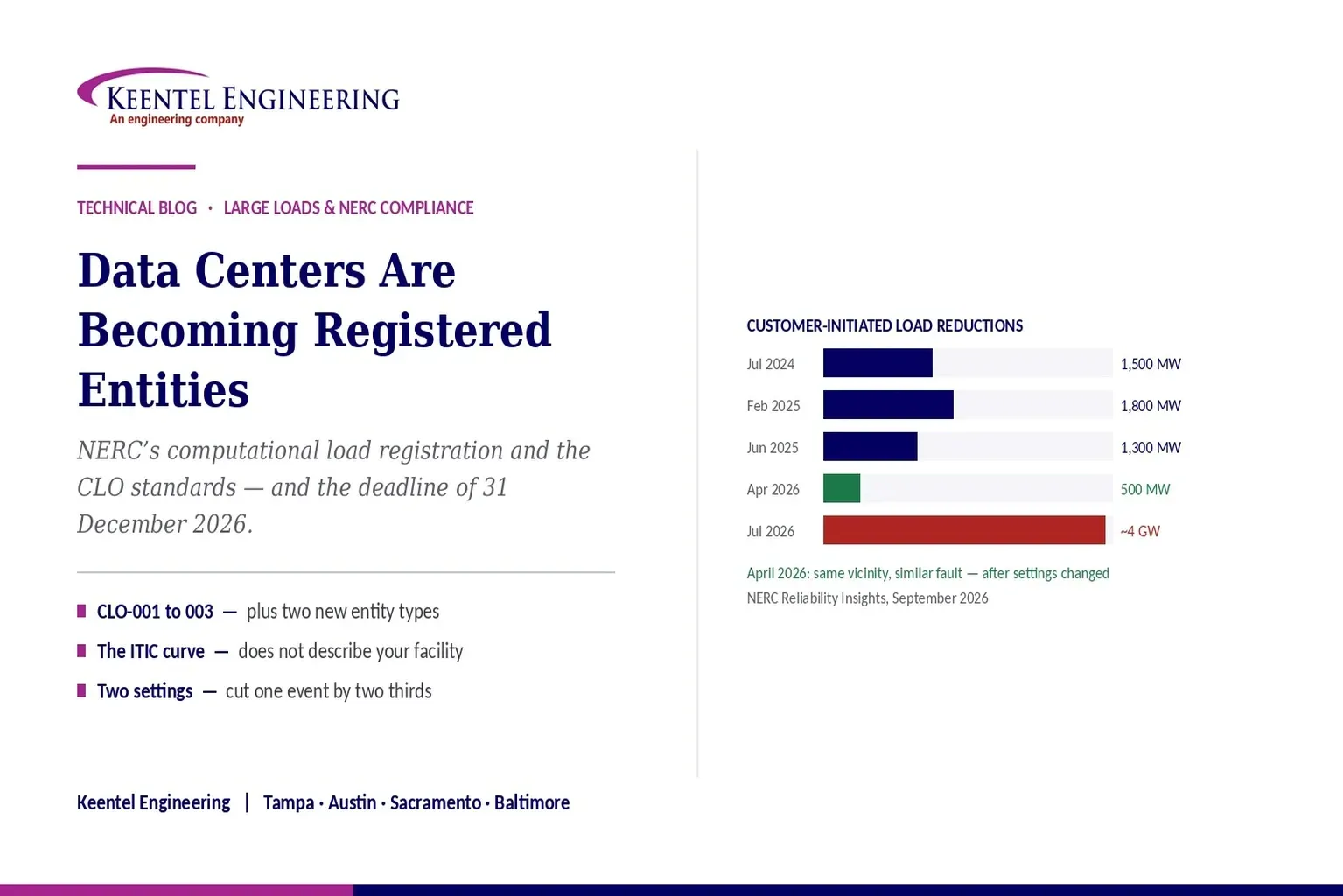
NERC Large Load Registration: Data Center CLO Standards Guide
By SANDIP R PATEL • September 9, 2026
Learn how NERC computational load registration impacts data centers, CLO standards, ride-through requirements, modeling, and grid reliability compliance.
Read More →
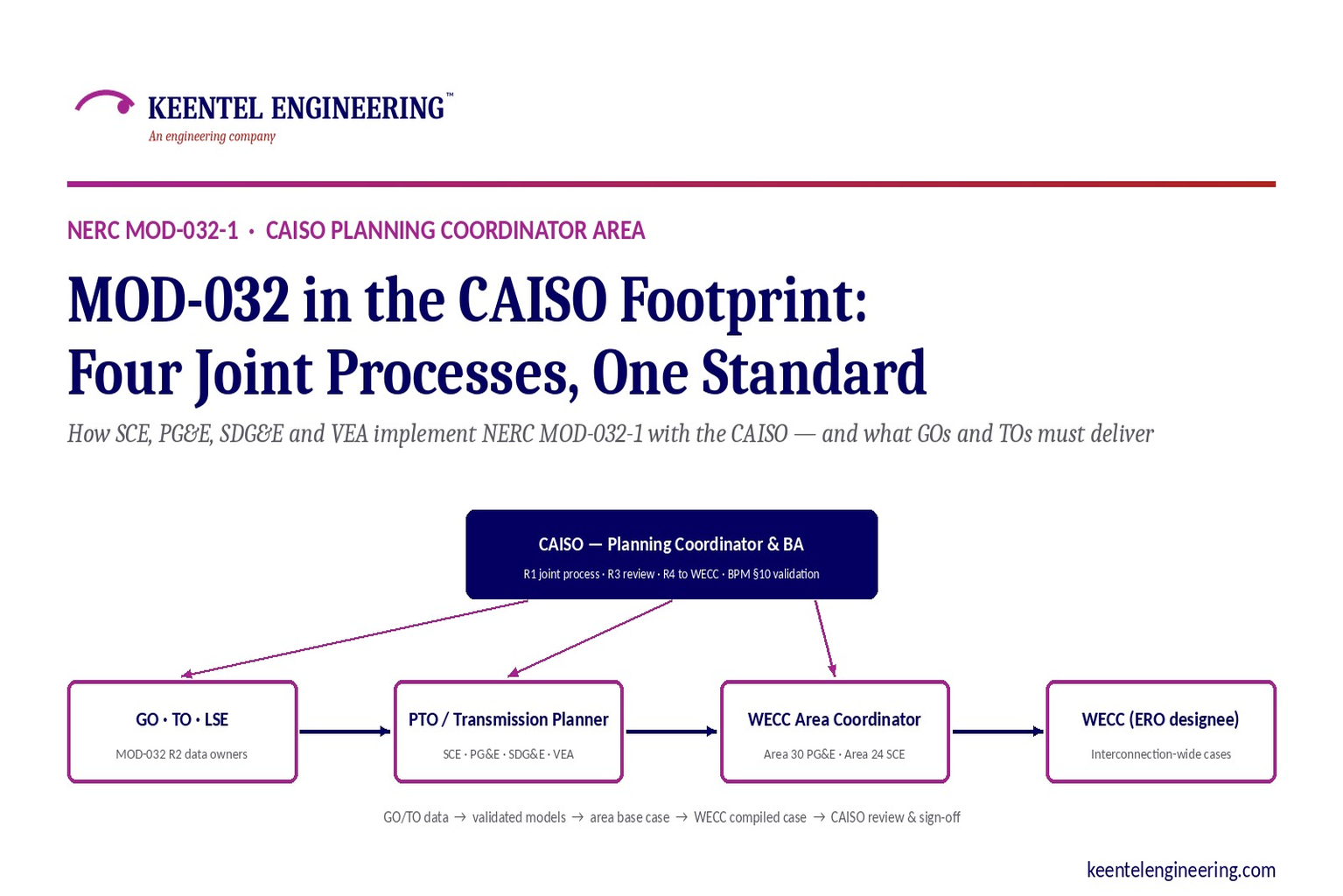
NERC MOD-032-1 Compliance: CAISO Generator Data Guide
By SANDIP R PATEL • September 6, 2026
Learn how NERC MOD-032-1 applies across CAISO, SCE, PG&E, VEA and SDG&E, including generator data, PSLF models, EMT requirements and WECC submissions.
Read More →
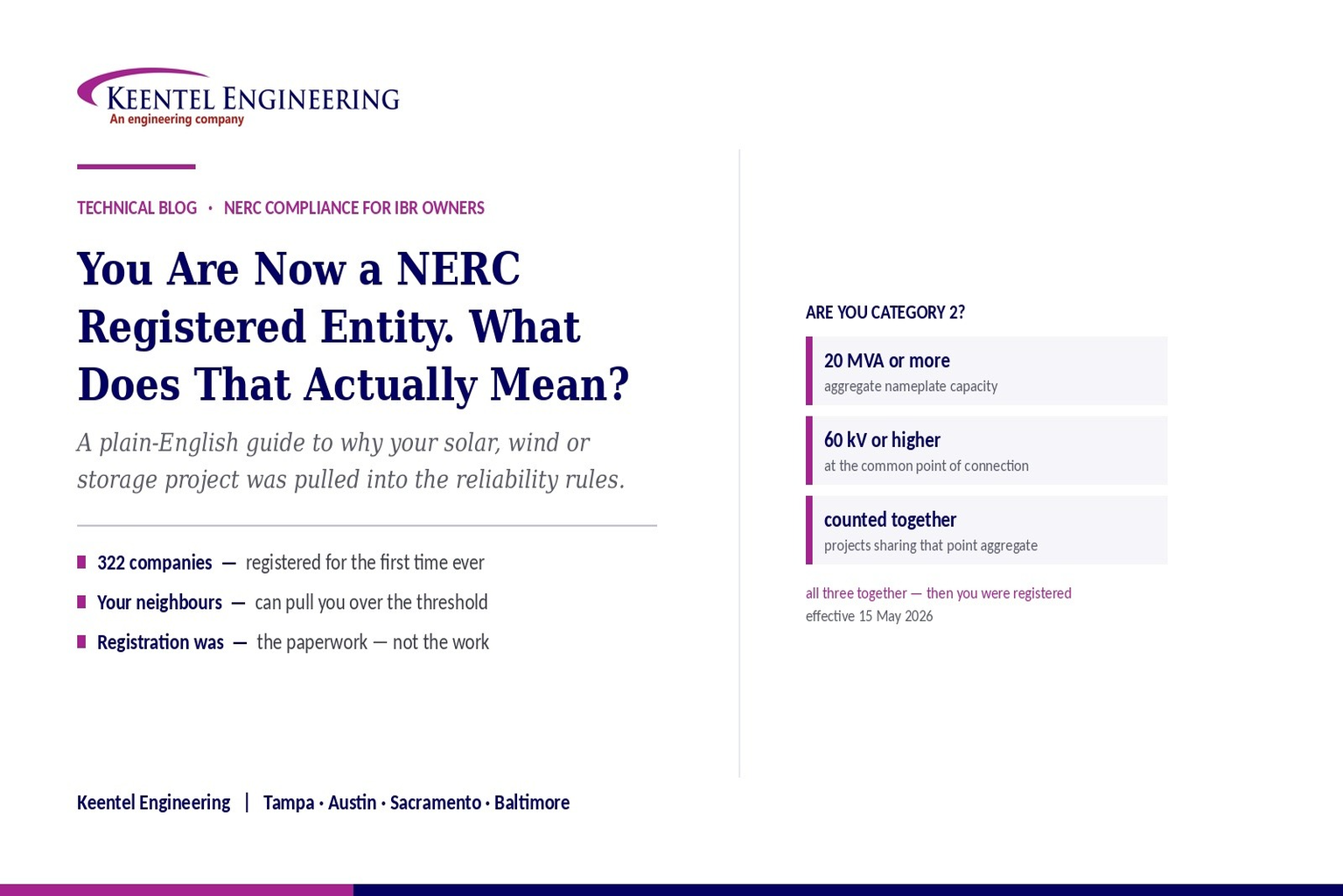
NERC IBR Registration: Compliance Guide for Generator Owners
By SANDIP R PATEL • September 5, 2026
Understand NERC IBR registration requirements, Category 2 obligations, compliance programmes, modelling, verification, ride-through, and owner responsibilities.
Read More →
NERC Data Center Rules
By SANDIP R PATEL • August 22, 2026
Learn how NERC's new data center rules affect registration, modeling, protection, compliance, and what computational load operators should do now.
Read More →
POI Interconnection for Data Centers & Large Loads | 2026 Guide
By SANDIP R PATEL • August 20, 2026
2026 guide to POI interconnection for data centers and large loads. Explore ISO/RTO requirements, grid studies, PSCAD modeling, costs, timelines and NERC rules.
Read More →
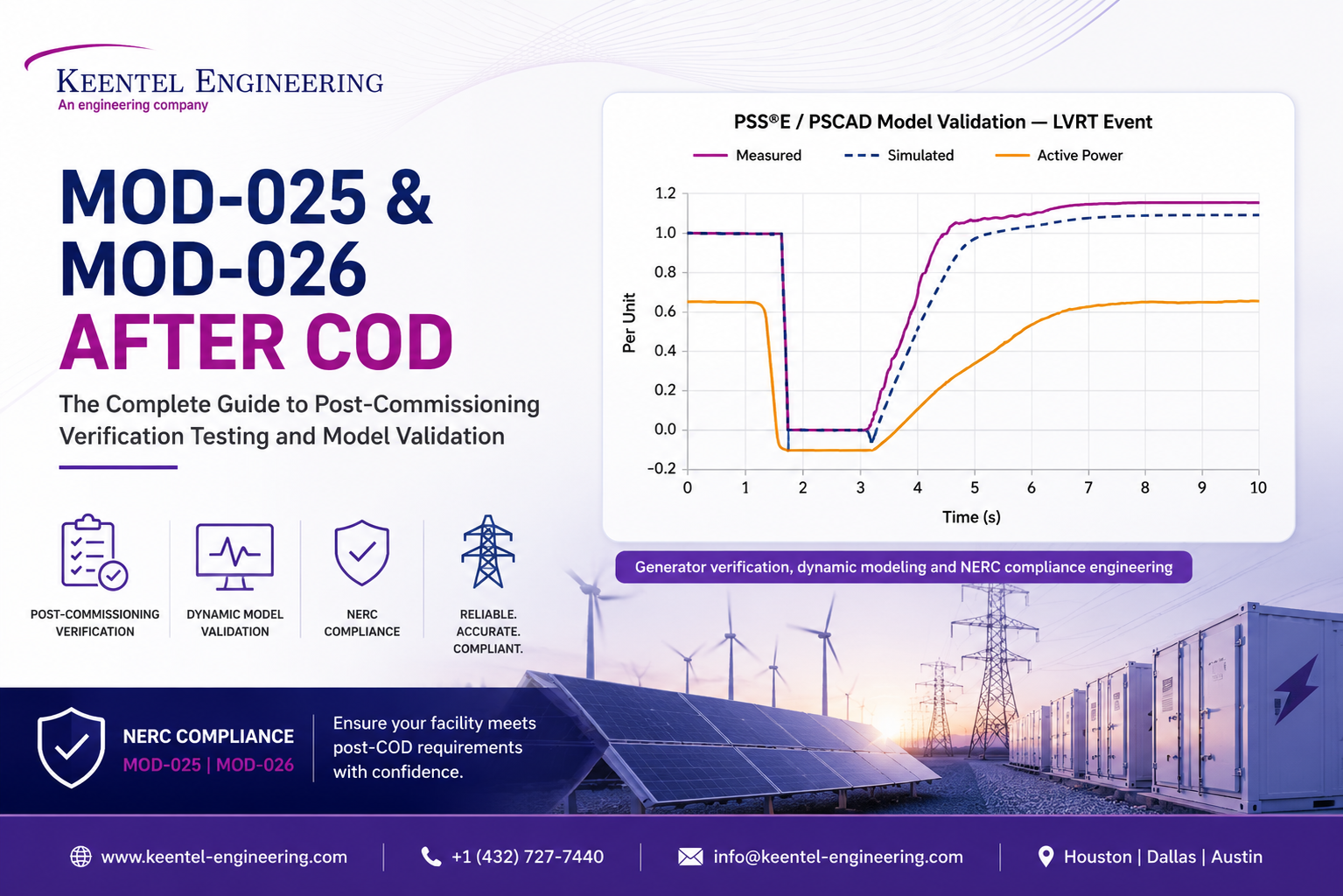
MOD-025 & MOD-026 After COD: Verification & Model Validation Guide
By SANDIP R PATEL • August 15, 2026
Learn MOD-025 and MOD-026 post-COD requirements for generator capability verification, PSS®E and PSCAD model validation, IBR testing, and NERC compliance.
Read More →
PRC-005-6 NERC Compliance Guide | Protection System Maintenance
By SANDIP R PATEL • August 12, 2026
Learn PRC-005-6 NERC compliance requirements for Protection System maintenance, Automatic Reclosing, Sudden Pressure Relaying, PBM, audit readiness, and compliance software.
Read More →
PRC-019-2 Compliance Guide | Keentel Engineering
By SANDIP R PATEL • August 12, 2026
Learn how to manage NERC PRC-019-2 generator voltage control coordination, R1 and R2 evidence, audit readiness, inverter-based resources, and compliance software workflows.
Read More →
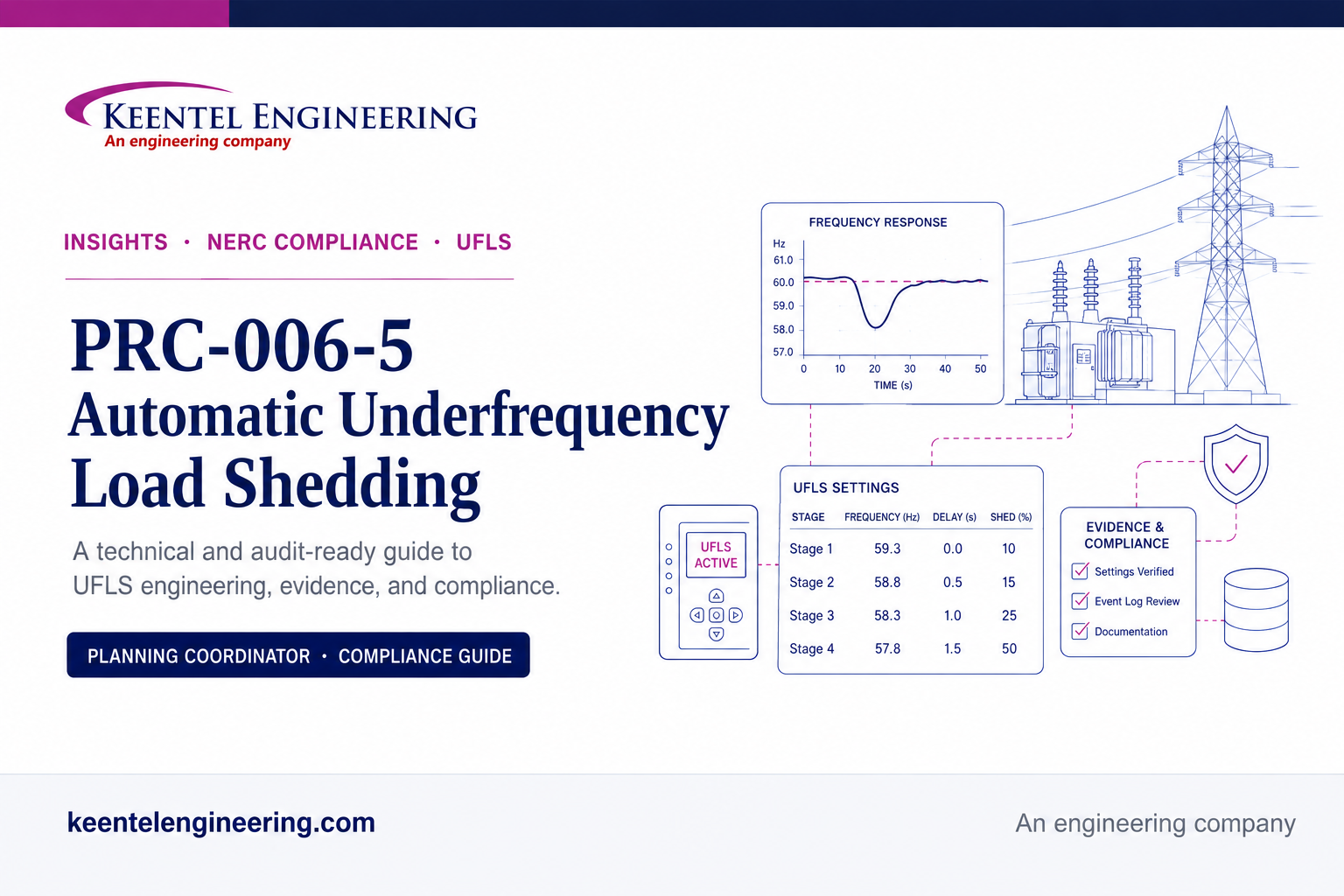
PRC-006-5 NERC Compliance & UFLS Guide | Keentel Engineering
By SANDIP R PATEL • August 11, 2026
Complete PRC-006-5 NERC compliance guide covering UFLS requirements, dynamic studies, audit readiness, evidence management, event assessment, and CAPs.
Read More →
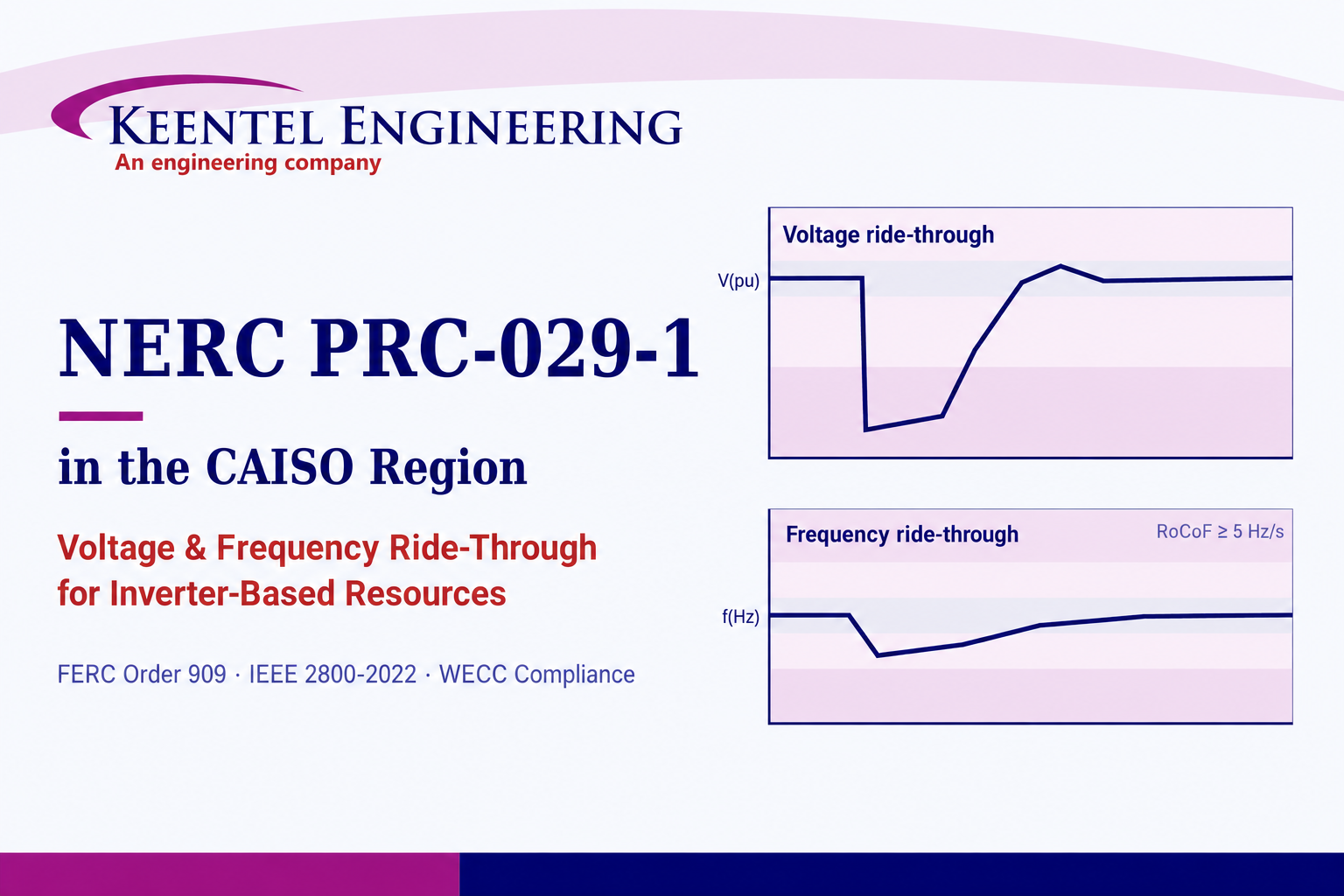
PRC-029-1 CAISO Compliance Guide
By SANDIP R PATEL • August 7, 2026
Understand NERC PRC-029-1 ride-through requirements for IBRs in the CAISO region — voltage/frequency curves, key dates, EMT modeling, and compliance steps.
Read More →
SEL RTAC Protection Monitoring for NERC PRC-005
By SANDIP R PATEL • July 18, 2026
Learn how SEL RTAC protection monitoring supports NERC PRC-005 compliance, predictive maintenance alarms, automated reporting, and relay verification.
Read More →
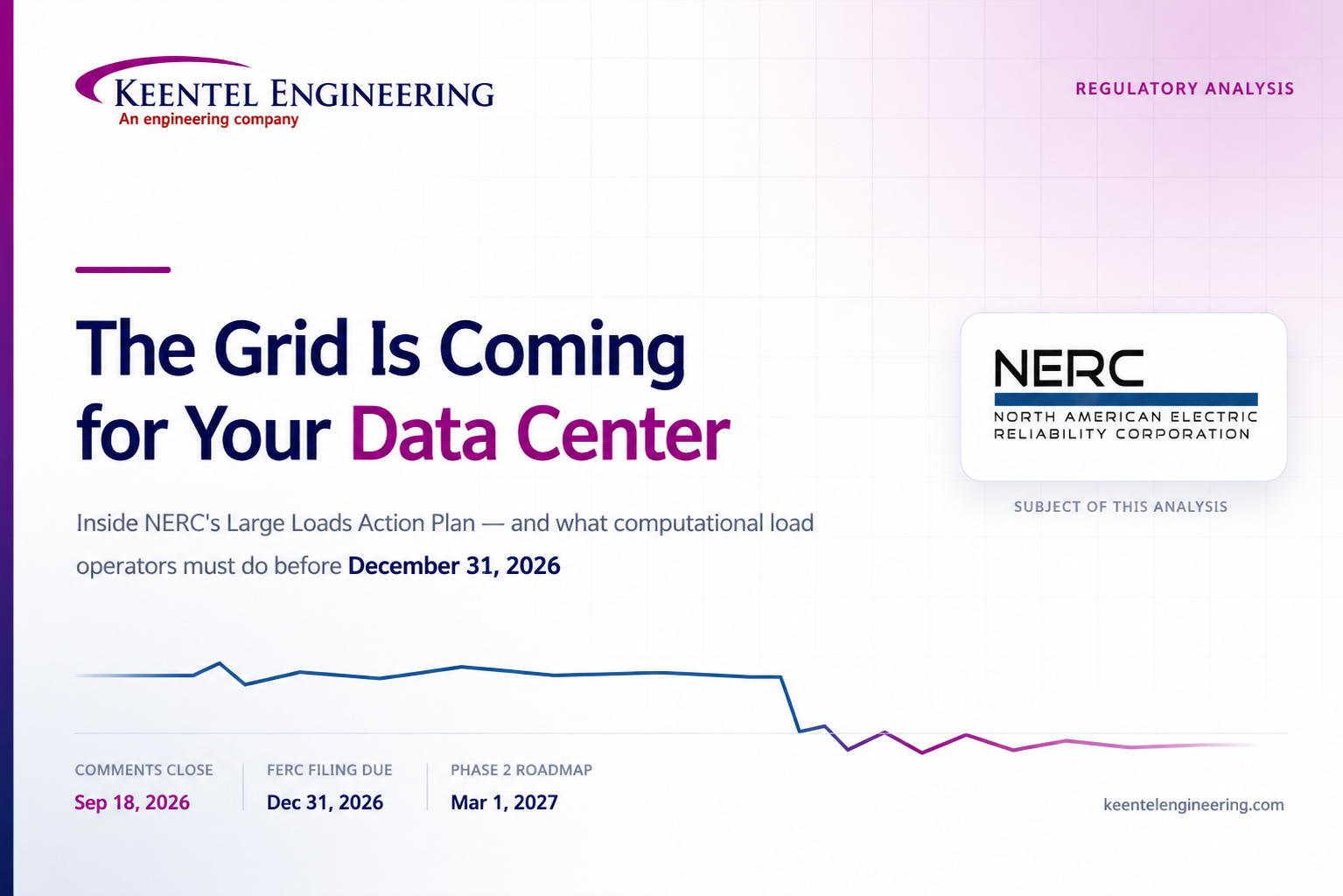
NERC Large Loads Action Plan (LLAP) Guide for AI Data Centers
By SANDIP R PATEL • July 8, 2026
Learn how NERC's Large Loads Action Plan impacts AI data centers, grid interconnection, compliance, modeling, and power system reliability in 2026.
Read More →
CCPP Electrical Design Engineering | 30%, 60%, 90% & IFC
By SANDIP R PATEL • July 7, 2026
Learn the complete CCPP electrical design process, from 30% through IFC, including interconnection, power system studies, protection, grounding, and NERC compliance.
Read More →
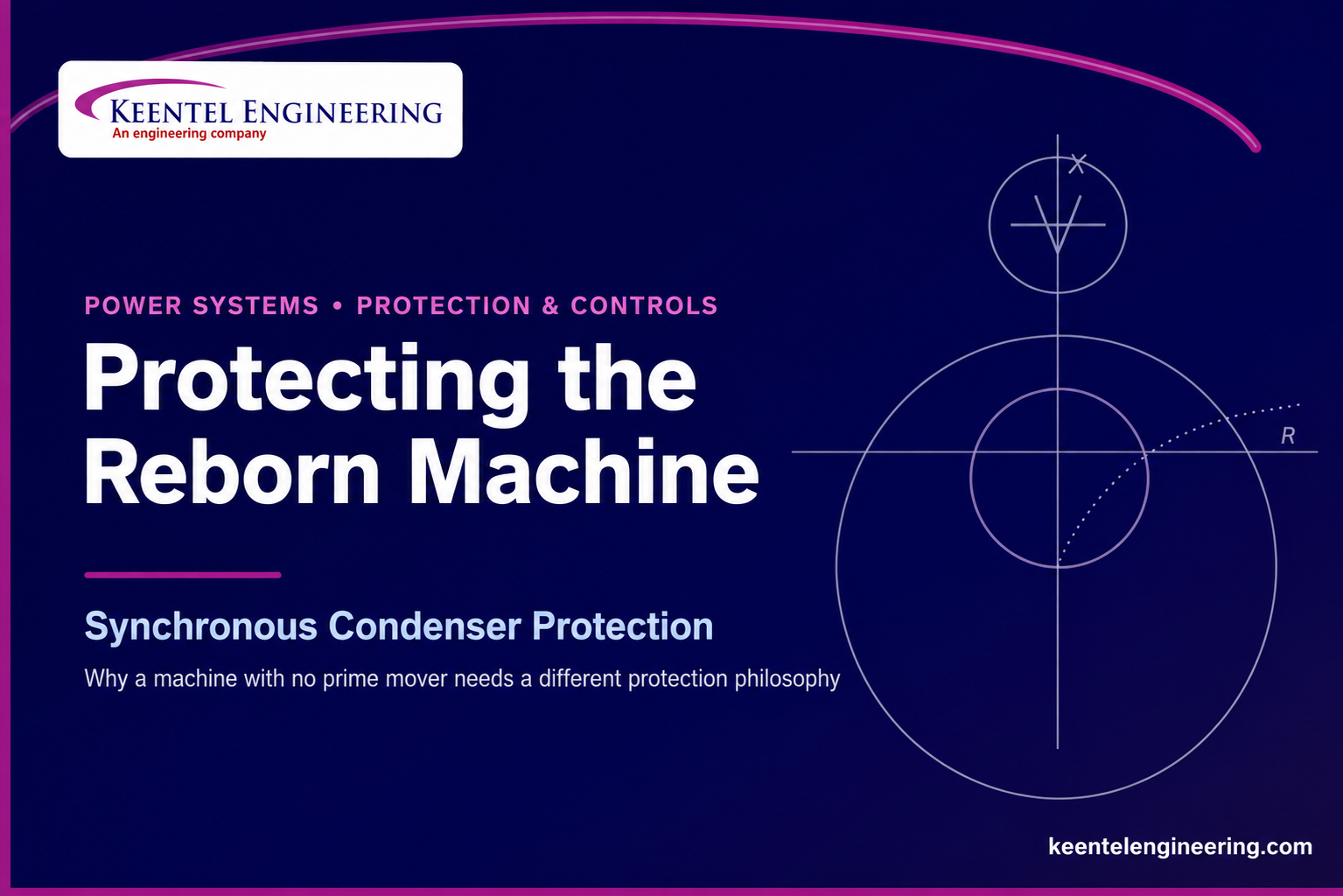
Synchronous Condenser Protection: Complete Guide 2026
By SANDIP R PATEL • June 20, 2026
Learn synchronous condenser protection, loss of field settings, NERC PRC compliance, and protection philosophy. Discover expert engineering guidance.
Read More →
NERC Compliance for Generator Owners | Audit-Ready Guide
By SANDIP R PATEL • June 11, 2026
NERC compliance guide for Generator Owners and Operators covering audits, CIP cybersecurity, IBR standards, and managed compliance. Learn more.
Read More →
NERC Large Loads: Grid Reliability Risks Explained
By SANDIP R PATEL • June 7, 2026
Learn how NERC large loads affect grid reliability, data centers, power electronic loads, and interconnection planning. Discover key risks now.
Read More →
NERC Large Loads: 2026 Interconnection Guide
By SANDIP R PATEL • May 25, 2026
Explore NERC 2026 large load guidelines, interconnection requirements, and grid reliability insights. Learn how to comply and optimize large industrial loads.
Read More →
Category 2 IBR Compliance Services for Solar, Wind & BESS
By SANDIP R PATEL • May 16, 2026
Category 2 IBR compliance services for solar, wind, and BESS projects. Learn NERC registration, EMT modeling, and PRC readiness today.
Read More →
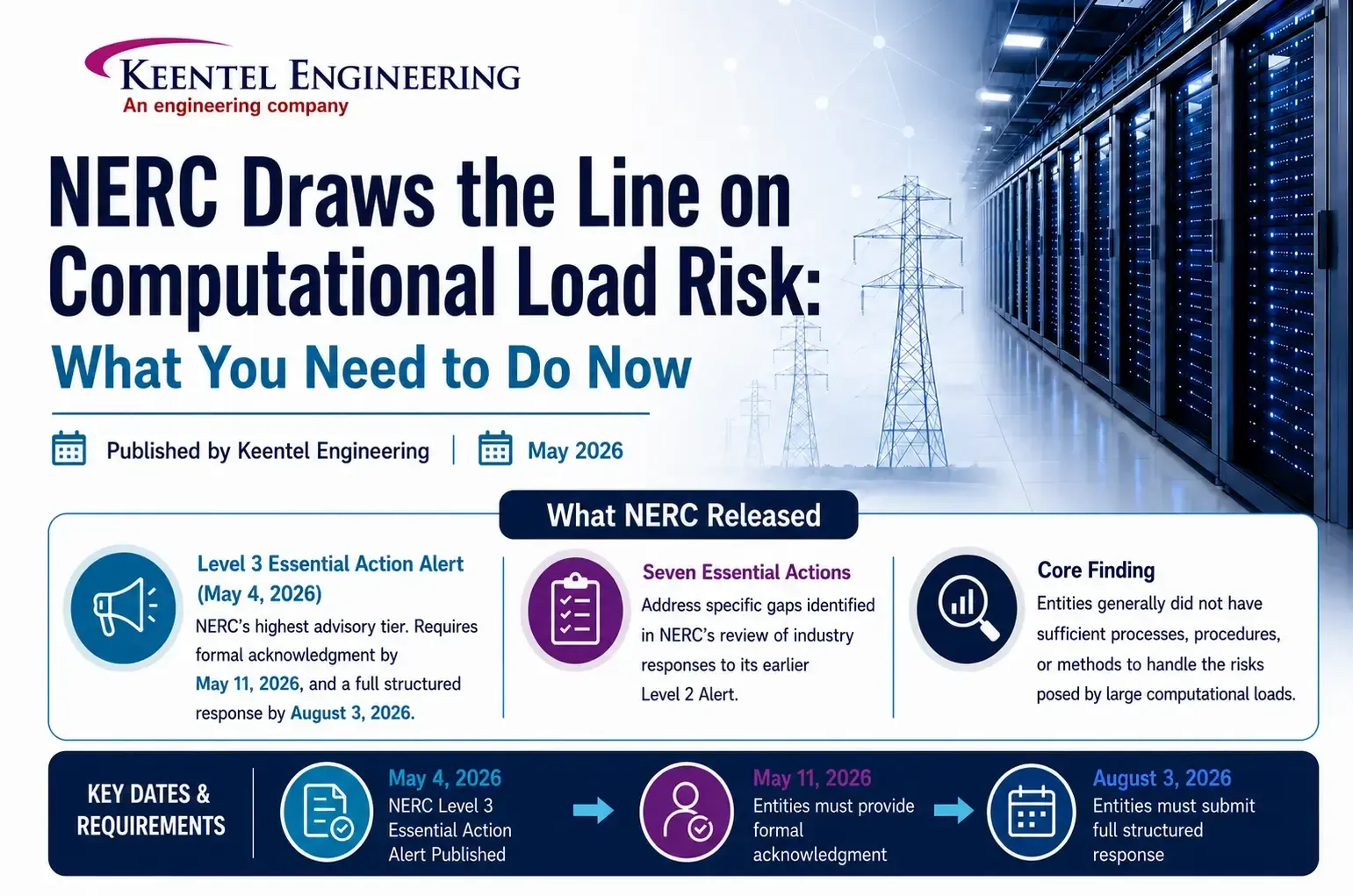
NERC Draws the Line on Computational Load Risk: What You Need to Do Now
By SANDIP R PATEL • May 8, 2026
Understand NERC large load compliance, EMT studies, and computational load modeling for AI data center reliability.
Read More →
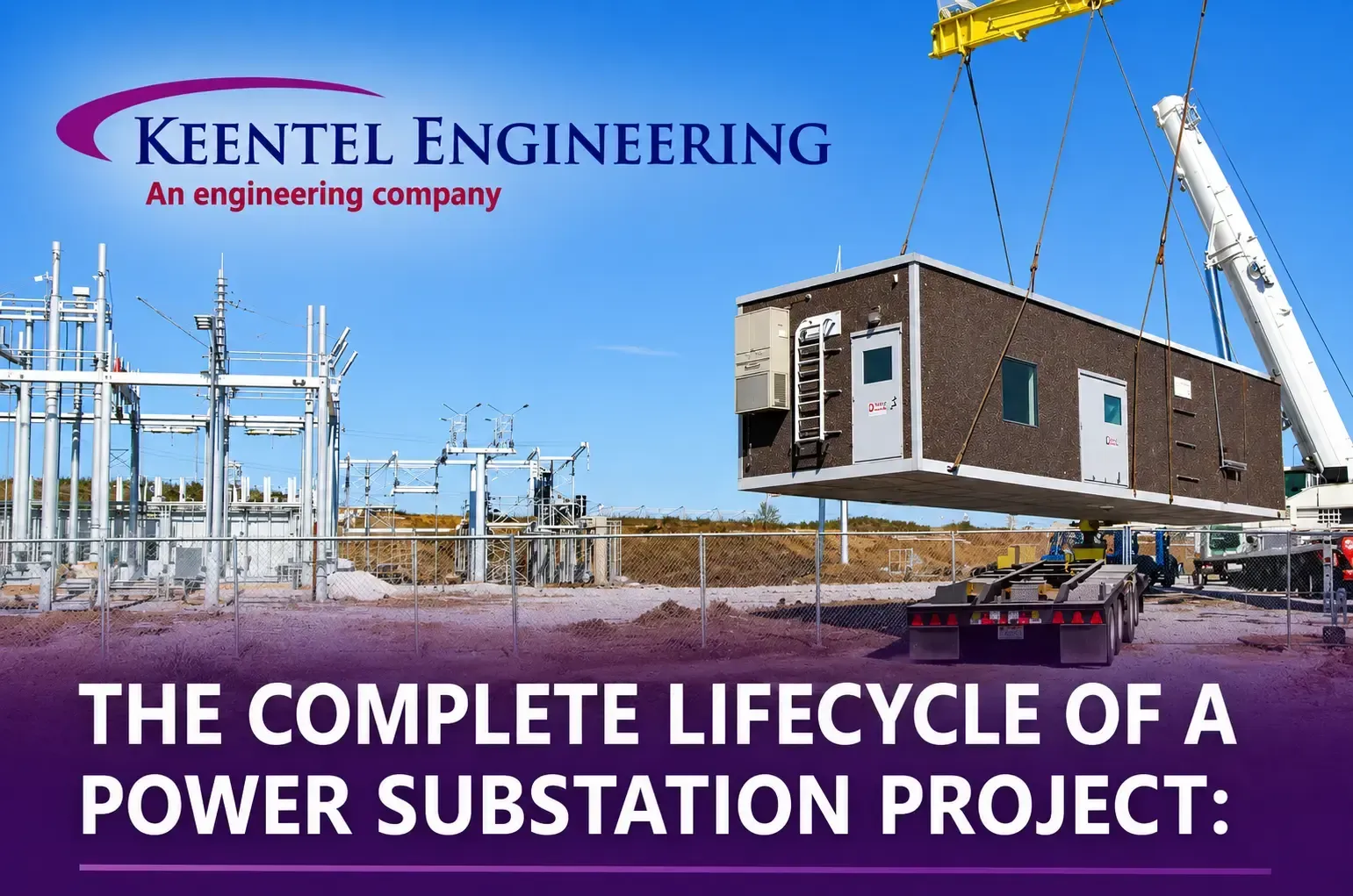
The Complete Lifecycle of a Power Substation Project: From Design to Commissioning (A Keentel Engineering Technical Guide) Source Reference
By SANDIP R PATEL • April 19, 2026
Explore the full lifecycle of a power substation project with Keentel Engineering, covering design, construction, and commissioning. Learn more about AIS, GIS, and NERC compliance.
Read More →
NERC MOD-032-2, IBR & DER Modeling: What It Means for Grid Reliability—and How Keentel Engineering Leads Compliance
By SANDIP R PATEL • April 18, 2026
Discover Keentel Engineering's expert solutions for NERC MOD-032-2 compliance, IBR & DER modeling. Get your power systems future-ready with our engineering excellence.
Read More →
MOD-026-2 Compliance Services: Verification & Validation of Dynamic Models for Grid Reliability
By SANDIP R PATEL • April 7, 2026
Learn MOD-026-2 compliance requirements for dynamic model verification and validation of inverter-based resources, ensuring power system reliability and NERC compliance.
Read More →
NERC BAL-007-1 Explained: Near-Term Energy Reliability Assessments (ERA) and What It Means for Grid Operators & Developers
By SANDIP R PATEL • April 3, 2026
Learn how NERC BAL-007-1 ensures energy adequacy, ERA methods, and proactive grid reliability strategies for utilities, developers & BAs.
Read More →
NERC Standards 2026–2029: BAL-007 IBR & CIP Compliance
By SANDIP R PATEL • April 1, 2026
Explore upcoming NERC Reliability Standards (2026–2029), including BAL-007 energy assessments, IBR ride-through rules, cybersecurity (CIP-003-9), and extreme weather planning. Learn compliance strategies, risks, and real-world case studies.
Read More →
End-to-End Substation Equipment Validation: From Design Verification to Field Commissioning (FAT to SAT) | Keentel Engineering
By SANDIP R PATEL • March 31, 2026
Learn the complete substation testing lifecycle including Type Testing, FAT, and SAT. Discover how to reduce risks, improve reliability, and ensure NERC compliance.
Read More →
NERC PRC-012-2 Compliance for Solar, Wind, and Battery Energy Storage Systems (BESS): What Generator Owners Must Know
By SANDIP R PATEL • March 7, 2026
Guide to NERC PRC-012-2 compliance for solar plants, wind farms, and BESS. Understand RAS requirements, generator owner obligations, and testing rules.
Read More →
FAC-008-5 Facility Ratings: NERC Compliance Services – Engineering Support for Reliable Bulk Power Systems | Keentel Engineering
By SANDIP R PATEL • March 5, 2026
Learn how FAC-008-5 defines Facility Ratings for BES equipment. Discover rating methodologies, compliance requirements, and engineering practices for NERC reliability standards.
Read More →
NERC Compliance Service for Substations
By SANDIP R PATEL • February 26, 2026
Ensure NERC compliance with proper programming of RTACs, DFRs, clocks, and protection devices. Learn how Keentel Engineering can help you meet PRC-028-1 standards for disturbance monitoring and reporting
Read More →
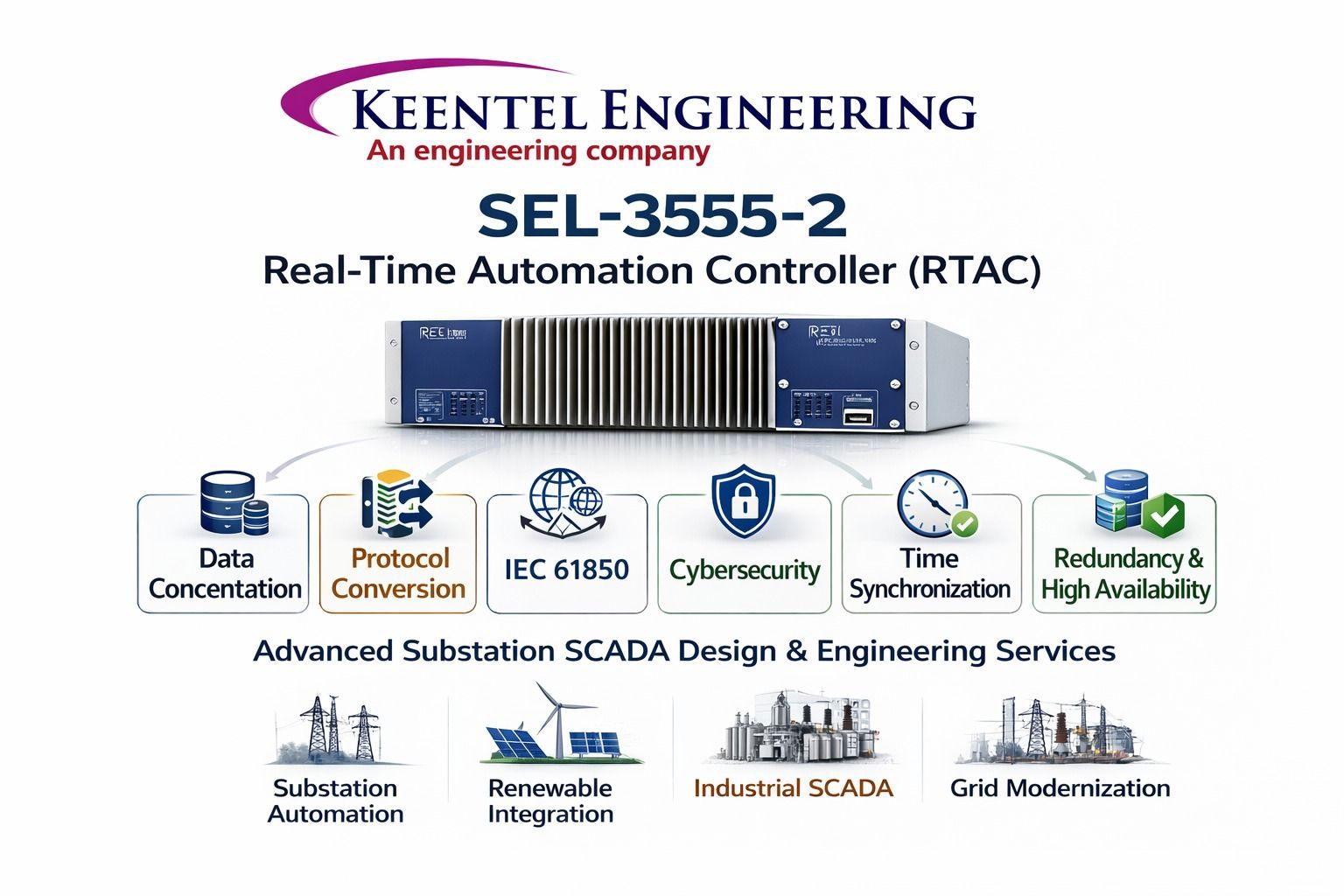
Advanced Substation SCADA Design Using the SEL-3555-2 RTAC How Keentel Engineering Delivers Secure, High-Performance, Standards-Compliant Automation Architectures
By SANDIP R PATEL • February 23, 2026
Explore advanced substation SCADA design using the SEL-3555-2 RTAC. Secure, IEC 61850-compliant, NERC-ready automation by Keentel Engineering.
Read More →
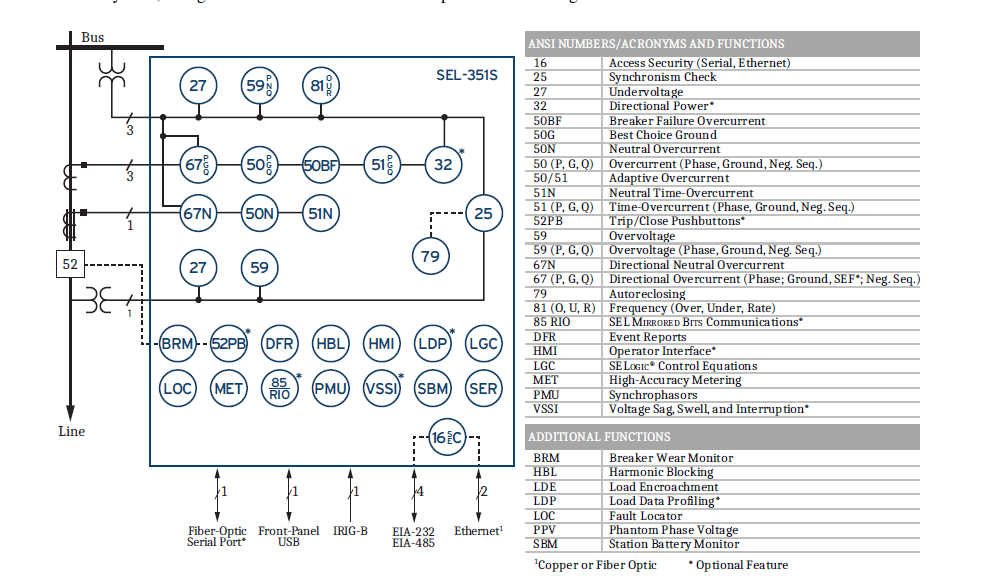
NERC Compliance and PRC Alignment with SEL-351S Feeder Protection Applications
By SANDIP R PATEL • February 20, 2026
Learn how SEL-351S feeder protection relays support NERC PRC compliance including PRC-005, PRC-023, PRC-024, PRC-027, and PRC-029. Discover protection coordination, ride-through validation, maintenance programs, and audit-ready documentation for reliable power system protection.
Read More →
February 2026 NERC Event Calendar: Statistical & Strategic Breakdown
By SANDIP R PATEL • February 11, 2026
Explore the February 2026 NERC event calendar with insights on CIP cybersecurity, IBR reliability, Order 901 studies, cloud risk, and large load integration.
Read More →
FERC RM22-12-000; ORDER NO. 901 Explained: Engineering, Modeling, and Compliance Implications for the Bulk Power System
By SANDIP R PATEL • February 1, 2026
Understand FERC RM22-12-000 Order 901 and its impact on power system modeling, NERC compliance, generator data, and protection standards.
Read More →
Inverter-Based Resource (IBR) Registration Initiative
By SANDIP R PATEL • January 31, 2026
Learn what the IBR Registration Initiative means for Category 2 Generator Owners and Operators, key deadlines through May 2026, required documentation, and how Keentel Engineering supports NERC compliance readiness.
Read More →
PRC-029-1 Explained: Applicability, Key Dates, and What Generator Owners Must Do Now
By SANDIP R PATEL • January 31, 2026
Understand NERC PRC-029-1 ride-through requirements for IBRs, key compliance dates through 2026, applicability to BES and non-BES assets, and what Generator Owners must do now.
Read More →
Category 2 Inverter-Based Resource (IBR) Registration & Compliance
By SANDIP R PATEL • January 31, 2026
Complete guide to Category 2 IBR registration and compliance, including NERC requirements, FERC Order 901, CMEP enforcement, applicable standards, and preparation steps.
Read More →
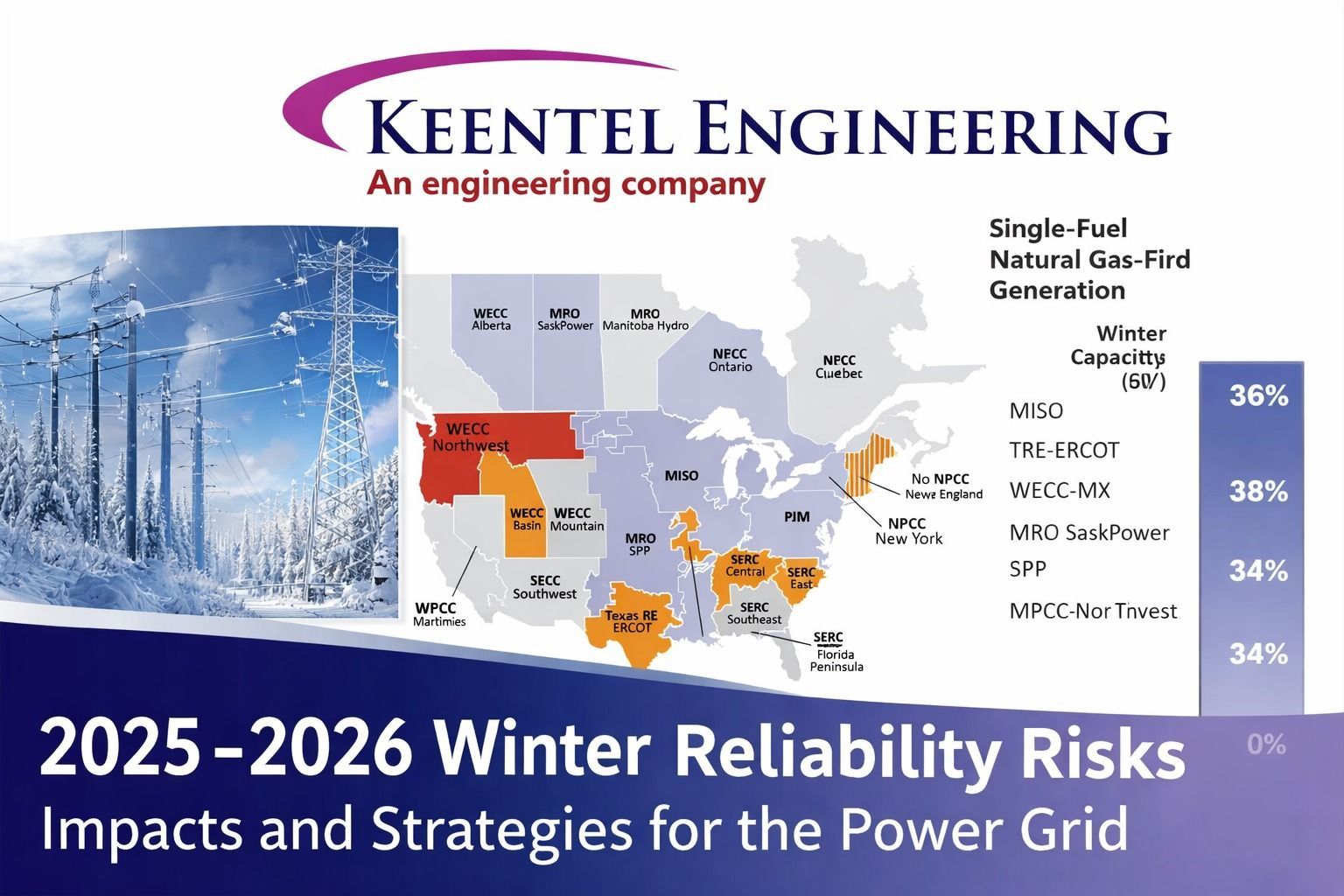
2025–2026 Winter Reliability Assessment: What It Means for Grid Reliability, Compliance, and Engineering Strategy
By SANDIP R PATEL • January 29, 2026
The 2025–2026 Winter Reliability Assessment highlights rising winter demand, resource mix shifts, and NERC compliance changes, impacting grid reliability and engineering.
Read More →
Upcoming NERC Reliability Standards (2026–2028) | IBR Compliance Guide
By SANDIP R PATEL • December 29, 2025
A practical guide to upcoming NERC Reliability Standards (2026–2028), key effective dates, and compliance readiness for inverter-based resource owners.
Read More →
Navigating NERC PRC-029-1: A Practical Guide for Inverter-Based Resource Owners
December 19, 2025
A practical guide to NERC PRC-029-1 for inverter-based resource owners. Learn ride-through requirements, compliance timelines, exemptions, and how Keentel Engineering supports PRC-029-1 readiness.
Read More →
NERC Compliance Services: The Complete Guide to PRC-004-6 Misoperations & MIDAS Reporting
By SANDIP R PATEL • November 26, 2025
Learn how to stay compliant with NERC PRC-004-6 and MIDAS reporting. Keentel Engineering provides misoperation analysis, CAP support, and audit-ready documentation.
Read More →
NERC Compliance Services: The Complete Guide to PRC-004-6 Misoperations & MIDAS Reporting (Keentel Engineering)
By SANDIP R PATEL • November 15, 2025
Learn how PRC-004-6 misoperations and MIDAS reporting work. A complete NERC compliance guide from Keentel Engineering for utilities and power entities.
Read More →
PJM MOD-032 Data Submission Process for Generator and Transmission Owners | Keentel Engineering
By SANDIP R PATEL • October 30, 2025
Learn how Generator and Transmission Owners meet PJM MOD-032 data submission requirements using Gen Model, Model on Demand, and ASPEN tools for NERC compliance.
Read More →
Understanding Simultaneous Voltage-Sensitive Load Reductions Amid Industrial Electrification, Data Center Expansion, and the Rise of Cryptocurrency Mining Facilities
By SANDIP R PATEL • October 19, 2025
Explore NERC’s 2025 review on simultaneous voltage-sensitive load reductions amid industrial electrification, data center growth, and crypto mining.
Read More →
Advancing Power System Design Practices with IEEE PES TR 126
By SANDIP R PATEL • September 25, 2025
Discover how IEEE PES TR 126 modernizes power system design practices. Keentel Engineering explains reliability, resilience, and NERC compliance for future-ready grids.
Read More →
NERC MOD-033-1 Steady-State & Dynamic Model Validation
By SANDIP R PATEL • September 13, 2025
Validate power-flow & dynamic models per MOD-033-1 using real-world data. Improve study accuracy, reliability, and compliance. Partner with Keentel.
Read More →
Excited to Connect at RE+ Las Vegas – Booth #1423- Keentel Engineering
By SANDIP R PATEL • August 30, 2025
Join Keentel Engineering at RE+ 2025 in Las Vegas (Booth #1423), Sept 8–11. Explore renewable energy, BESS, substation design, NERC compliance, and advanced power system studies.
Read More →
Verification of Generator Models: NERC MOD-026-2 & MOD-027 Reliability Standards
By SANDIP R PATEL • August 25, 2025
Explore NERC MOD-026-2 & MOD-027 requirements for generator model verification, EMT simulations, and compliance. Insights from Keentel Engineering.
Read More →
Mastering Synchronous Generator Modeling for Grid Stability: Insights from IEEE 1110-2019 and Keentel Engineering
By SANDIP R PATEL • August 22, 2025
Learn how IEEE 1110-2019 improves synchronous generator modeling for power system stability, validation, and NERC compliance in modern grids.
Read More →
Data Center Grid Readiness & Engineering Solutions
By SANDIP R PATEL • August 15, 2025
Discover how Keentel Engineering tackles data center growth challenges with advanced grid readiness solutions—covering load forecasting, interconnection, NERC compliance, and AI-driven demand response.
Read More →
Navigating PRC-029-1- Enhancing Grid Reliability Through Inverter-Based Ride-Through Requirements
By SANDIP R PATEL • July 31, 2025
Understand PRC-029-1 ride-through rules for IBRs. Stay NERC-compliant with this expert guide on voltage, frequency, ROCOF, and protection updates.
Read More →
NERC PRC-019 Compliance Guide
By SANDIP R PATEL • July 28, 2025
Ensure grid reliability and avoid unnecessary trips with Keentel’s complete PRC-019 compliance services. Engineering support for synchronous and DER systems.
Read More →
NERC Alert 3: IBR Performance & Modeling Requirements
By SANDIP R PATEL • July 4, 2025
Explore essential NERC Alert 3 actions for IBRs. Learn how TOs, TPs, PCs & GOs must respond with updated models, criteria, and compliance strategies.
Read More →
Keentel Engineering – July 2025 Newsletter
By SANDIP R PATEL • July 1, 2025
Explore July 2025 grid reliability trends, IBR registration mandates, and NERC compliance updates. Stay ahead with Keentel’s future-ready engineering insights.
Read More →
PLX82-MNET-61850 Gateway for NERC-Compliant Substations
By SANDIP R PATEL • June 26, 2025
Enable seamless Modbus to IEC 61850 integration with the PLX82-MNET-61850 gateway. Achieve NERC compliance with audit-ready substation communication.
Read More →
Enhancing Grid Resilience: NERC PRC-029-1 Ride-Through Requirements for Inverter-Based Resources
By SANDIP R PATEL • June 20, 2025
Explore NERC PRC-029-1 ride-through requirements for inverter-based resources (IBRs). Learn how it enhances grid reliability with FERC Order No. 901 support.
Read More →
Empowering NERC PRC-028 Compliance with TESLA 4000: A Keentel Engineering Perspective
By SANDIP R PATEL • June 19, 2025
Ensure NERC PRC-028 compliance with TESLA 4000 and Keentel Engineering’s expert integration, monitoring, and audit support services for utilities and GOs.
Read More →
PRC-026 Compliance Guide for Transmission Relay Performance During Stable Power Swings
By SANDIP R PATEL • June 13, 2025
Ensure your relays don’t trip during stable power swings. Learn how PRC-026 compliance works, what relays it applies to, and how to automate your evaluations.
Read More →
NERC.com Modernization: What Engineers and Grid Operators Need to Know
By SANDIP R PATEL • May 30, 2025
Explore the latest updates from NERC.com and what modernization means for power engineers and grid operators across the U.S.
Read More →
Design Stability & NERC Deadlines in Power Projects | Keentel
By SANDIP R PATEL • May 30, 2025
Explore best practices to ensure design stability in power systems and stay ahead of NERC reporting requirements in upcoming compliance cycles.
Read More →
NERC Level 3 Alert Compliance Checklist for IBRs
By SANDIP R PATEL • May 23, 2025
Get your compliance checklist for NERC Level 3 alerts. Essential reading for IBR generator owners navigating updated NERC requirements.
Read More →
System Impact Study for Confidential 230 kV Transmission Interconnection
By SANDIP R PATEL • May 21, 2025
Explore a detailed System Impact Study for a 230 kV interconnection project, ensuring NERC compliance and reliable grid integration.
Read More →
Industry NERC News – May 2025 Update
By SANDIP R PATEL • May 19, 2025
Stay ahead of critical NERC compliance updates for May 2025, including cold weather reporting, IBR modeling deficiencies, active standards ballots, and upcoming reliability standards affecting the Bulk Power System.
Read More →
GIC Mitigation and Transformer Thermal Assessment Services by Keentel Engineering
By SANDIP R PATEL • May 15, 2025
Protect your grid from GMD threats with expert GIC modeling & transformer thermal assessments by Keentel. Ensure NERC TPL-007-1 compliance today.
Read More →
NERC Alert: Ensuring Reliability in Inverter-Based Resource (IBR) Model Quality
By SANDIP R PATEL • May 14, 2025
Learn how to respond to NERC’s IBR model alert. Discover key steps for PSPD, EMT validation, deadlines, and Keentel’s role in grid reliability compliance support.
Read More →
Navigating TPL-008-1: A Strategic Transmission Planning Guide for Extreme Temperatures
By SANDIP R PATEL • May 14, 2025
Understand TPL-008-1 transmission planning for heat & cold events. Keentel helps utilities ensure NERC compliance with benchmark studies & CAP support.
Read More →
Navigating the IBR Transformation: Our Perspective on NERC’s IBR Activities
By SANDIP R PATEL • May 12, 2025
Explore Keentel Engineering’s in-depth take on NERC’s IBR transformation guide, disturbance reports, compliance standards, and integration strategies to ensure bulk power system reliability.
Read More →
Generating Unit Winter Weather Readiness: Ensuring Resilience Through Cold Fronts
By SANDIP R PATEL • May 10, 2025
Ensure cold-weather resilience with Keentel’s NERC-aligned winter readiness programs for generators and IBRs. Prevent outages, improve grid reliability.
Read More →
White Paper: Enhancing Power System Design & Analysis with PSCAD & Keentel Engineering
By SANDIP R PATEL • May 9, 2025
Learn what PSCAD is, how it’s used for EMT simulation, and how Keentel provides PSCAD modeling, consultancy, and NERC-compliant engineering services.
Read More →
Keentel Engineering Insights: NERC Identifies New Grid Vulnerabilities – May 2025 Newsletter
By SANDIP R PATEL • May 9, 2025
Stay informed on NERC’s ITCS Canadian Analysis, key grid vulnerabilities, and May 2025 standards activities (PRC, MOD, CIP). Learn how Keentel Engineering’s planning and compliance services support resilient, interregional grid strategies.
Read More →
Difference Between OSHA, NEC, NFPA, and NERC Compliance in Electrical Engineering
By SANDIP R PATEL • May 9, 2025
Discover the key differences between OSHA, NEC (NFPA 70), NFPA, and NERC standards—and learn how Keentel Engineering ensures full regulatory compliance across your electrical engineering projects.
Read More →
What Do PRC-002-5 and PRC-028-1 Mean for Generator Owners & Transmission Owners?
By SANDIP R PATEL • May 9, 2025
Discover how NERC PRC-002-5 & PRC-028-1 impact Generator Owners and Transmission Owners. Keentel Engineering delivers turnkey disturbance monitoring, DME design, and audit-ready compliance support.
Read More →
NERC Compliance Service – Empowering Grid Reliability with FERC Order 901 & Latest NERC Standards
By SANDIP R PATEL • May 9, 2025
Stay ahead with Keentel's NERC compliance modeling, FERC Order 901 support, MOD-032-2 validation, and MOD-026-2 compliance services for IBRs and transmission owners.
Read More →
ERCOT NERC Compliance Services: Ensuring Grid Reliability Through Expert Compliance Management
By SANDIP R PATEL • May 8, 2025
Master ERCOT’s unique NERC reliability requirements with Keentel Engineering’s tailored CIP, O&P, and RSAW support—risk assessments, mock audits, training, and real-time monitoring.
Read More →
NERC PRC-029-1 Compliance for Inverter-Based Resources
By SANDIP R PATEL • May 8, 2025
Ensure your solar, wind & BESS projects meet NERC PRC-029-1 ride-through standards with model tuning, relay coordination, disturbance analysis & audit-ready documentation.
Read More →
Distribution vs Sub-Transmission vs Bulk Electric System: An Interconnection Guide
By SANDIP R PATEL • May 1, 2025
Learn how IEEE 1547/2800, NERC “bright-line” rules, and the DOE i2X initiative shape distribution, sub-transmission, and Bulk Electric System classification—plus practical case studies from Keentel Engineering.
Read More →
NERC PRC-029-1 & PRC-024-4 Compliance for Inverter-Based & Synchronous Resources
By SANDIP R PATEL • May 1, 2025
Ensure NERC PRC-029-1 and PRC-024-4 compliance with Keentel Engineering's relay tuning, modeling support, and ride-through requirements for IBRs and synchronous generators.
Read More →
Power-System Modeling Services at Keentel Engineering
By SANDIP R PATEL • April 28, 2025
Expert power system modeling services using PSCAD, PSSE, and ETAP. Get accurate simulations, dynamic studies, and NERC-compliant engineering solutions.
Read More →
GIC Mitigation and Transformer Thermal Assessment Expertise at Keentel Engineering
By SANDIP R PATEL • April 26, 2025
Protect your grid assets with Keentel Engineering’s expert GIC mitigation and transformer thermal assessment services. Ensure NERC TPL-007-1 compliance today.
Read More →
PSCAD Modeling Services for Grid & Substations
By SANDIP R PATEL • April 25, 2025
Explore how Keentel Engineering uses PSCAD™ to model substations, inverters, protection schemes, and BESS systems. Ensure NERC & IEEE compliance today.
Read More →
Ensuring Grid Reliability with EMT Modeling Compliance – CAISO Requirements
By SANDIP R PATEL • April 23, 2025
Discover how Keentel Engineering helps energy developers meet CAISO EMT modeling compliance for inverter-based resources, BESS, and synchronous generators. PSCAD-based, NERC-aligned, and ready for submission.
Read More →
Ensuring NERC PRC-029-1 Compliance for Inverter-Based Resources (IBRs)
By SANDIP R PATEL • April 15, 2025
Ensure PRC-029-1 compliance for inverter-based resources. Keentel provides ride-through studies, system modeling, and NERC audit support. Contact Us!
Read More →
Why NERC Compliance Consultants Are Critical for Safety
By SANDIP R PATEL • January 30, 2025
Discover why NERC compliance consultants are essential for safety. Learn how they help ensure regulatory adherence and protect power system reliability
Read More →
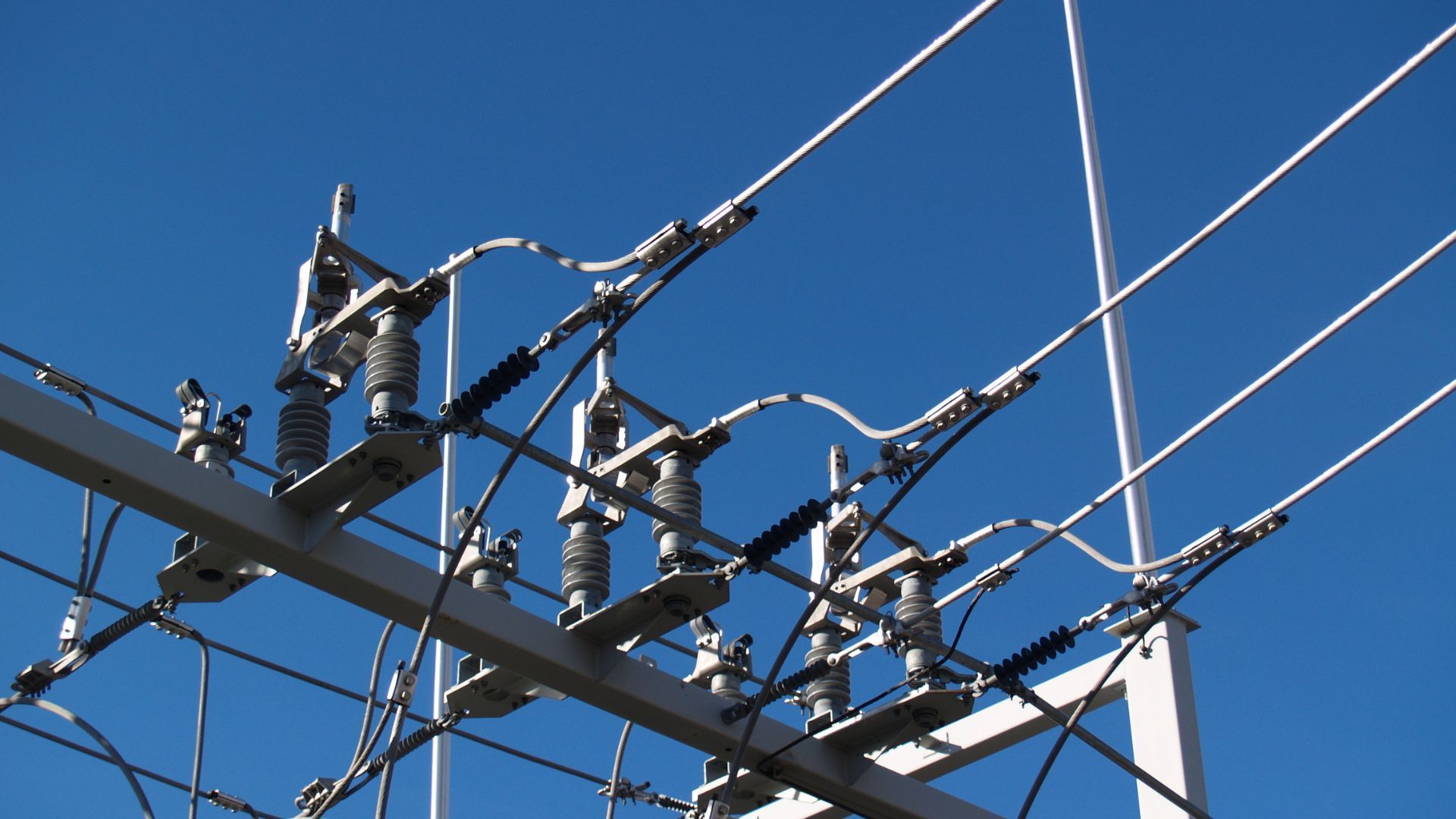
How to Ensure Compliance with NERC O&P Standards
By SANDIP R PATEL • January 29, 2025
Learn how to ensure compliance with NERC O&P standards. Discover key requirements and best practices to maintain reliability in power system operations
Read More →
What Is the Difference Between FERC and NERC?
By SANDIP R PATEL • November 23, 2024
Learn the key differences between FERC and NERC: FERC regulates energy markets, while NERC ensures the reliability of the electric grid.
Read More →
How Many NERC Standards Are There?
By SANDIP R PATEL • November 10, 2024
Discover the current number of NERC standards and their importance in ensuring electric grid reliability and security across North America
Read More →
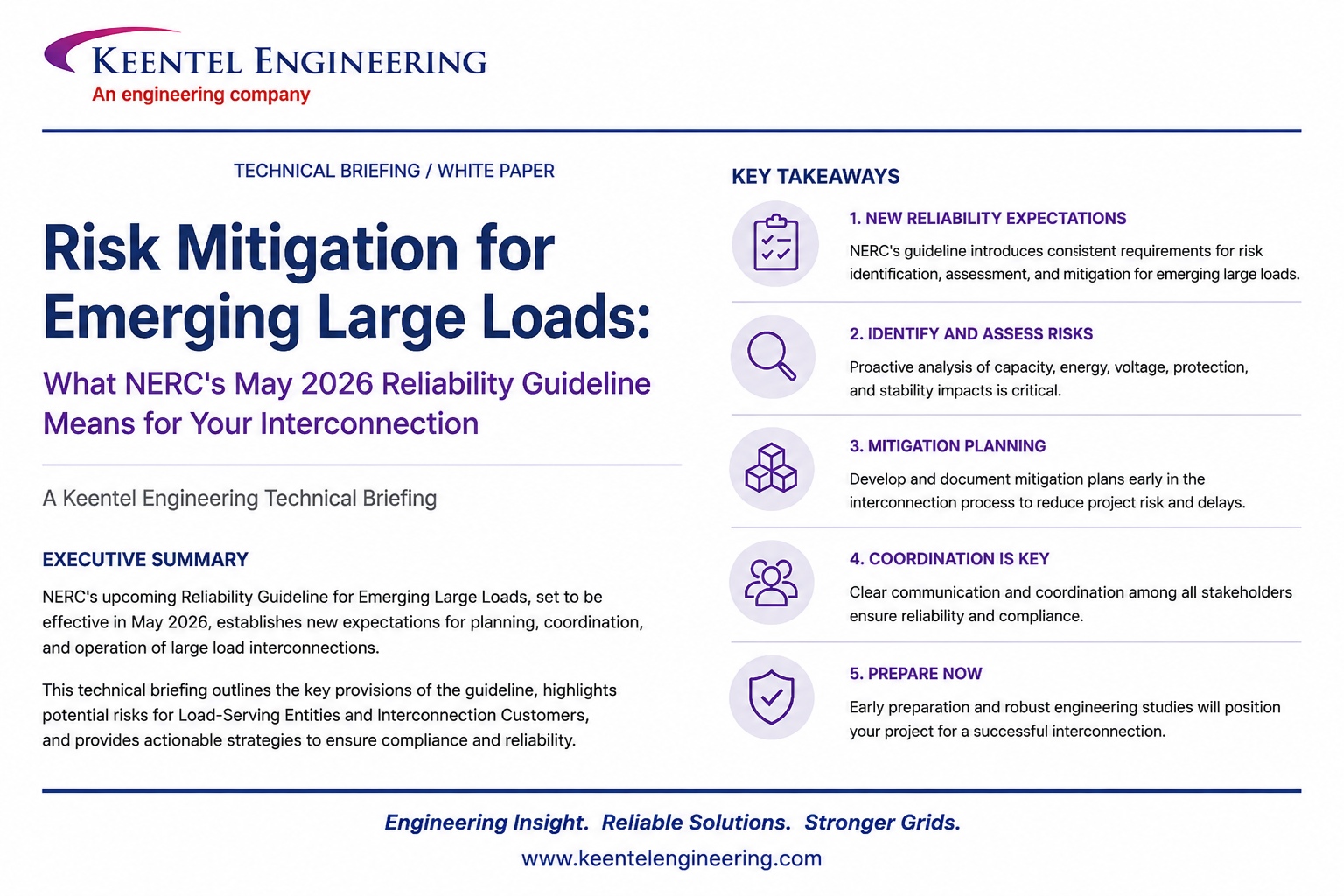
Ensuring Grid Reliability: How NERC O&P 693 Compliance Services Benefit the Energy Sector

By SANDIP R PATEL • March 18, 2024
Ensure grid stability with Keentel's NERC compliance services. Contact us today for tailored solutions and a resilient energy future.
Read More →
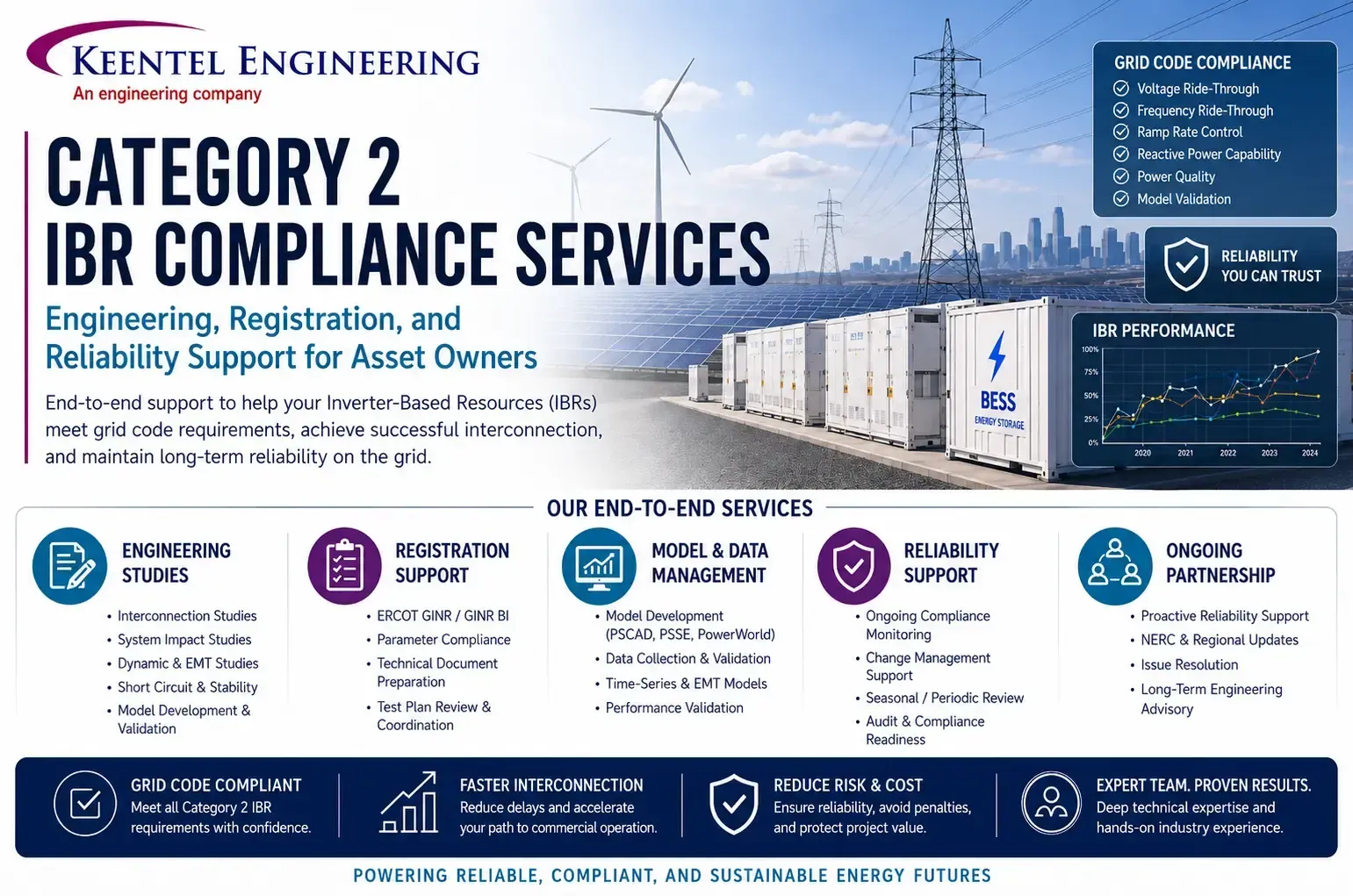
Essential Steps for Commissioning Circuit Breakers
By SANDIP R PATEL • April 1, 2023
Learn the essential steps for commissioning circuit breakers, from wiring checks to high-voltage testing. Ensure safety, reliability & NERC compliance readiness.
Read More →
Gap Analysis Explained: NERC CIP Risk Assessment & Cybersecurity Compliance
By SANDIP R PATEL • January 17, 2022
Learn how NERC CIP gap analysis identifies cybersecurity risks, ensures compliance, and protects bulk power systems. Schedule your risk assessment
Read More →