Nuclear Power Plant Electrical Engineering
Keentel Engineering delivers specialised electrical engineering services for the nuclear power sector — engineering the power systems that keep a plant safe, licensable, and reliably connected to the grid across its entire operating life.

- Nationwide engineering support
- Utility-grade simulation tools
- IEEE, NERC & OSHA compliance
- Trusted by utilities, EPC firms, and industrial Professionals
Full Lifecycle Engineering, Grounded in Safety
From greenfield development through decades of operation and modernisation, our work spans the off-site, on-site, and preferred power systems that define a nuclear facility's electrical backbone.
We support nuclear power plant developers, power plant operators, and engineering managers with design, analysis, regulatory, and maintenance expertise grounded in the rigorous safety standards the industry demands.

Why Utilities and Renewable Owners Choose Keentel Engineering
30+ Years of Specialized Experience in high-voltage power engineering
Certified Power System Engineers with deep technical expertise
Nationwide Project Support across utility, industrial, and renewable sectors
Advanced Simulation & Modeling Tools for precise system analysis
Compliance-Focused Reporting aligned with IEEE, NERC, NFPA, and OSHA standards
When system reliability and safety are mission-critical, organizations trust Keentel Engineering to deliver engineering clarity and proven results.
Let's Discuss How to Optimize Your Next Project
Submit
We will get back to you as soon as possible.
Please try again later.
PSS®E
ETAP
PSCAD
PowerWorld
SKM PTW
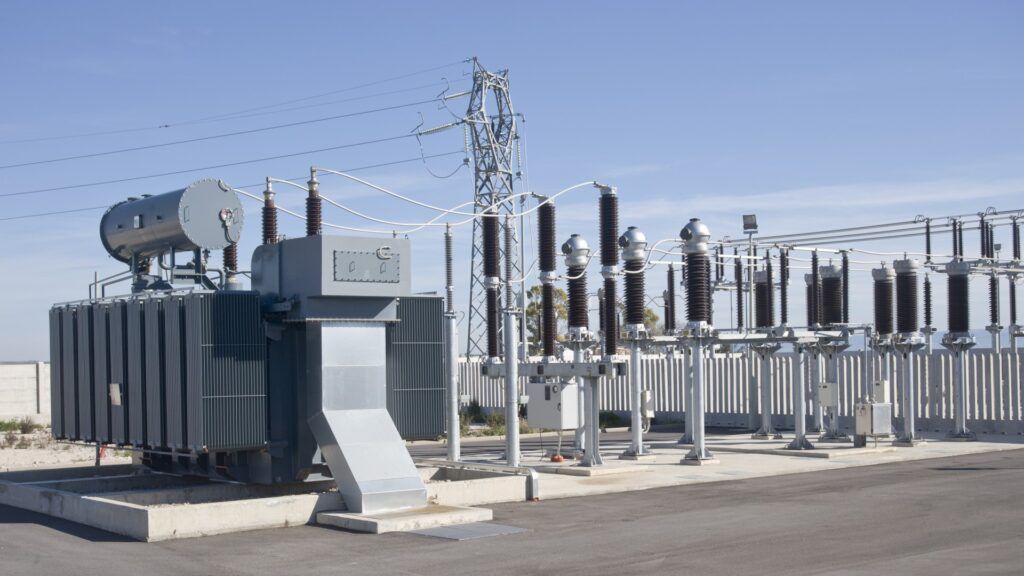
Understanding the Nuclear Plant Electrical Power System
A nuclear plant's electrical power system is engineered specifically for the grid it connects to, the design of the plant's own systems, and the engineering decisions taken for that facility. No two are identical. Across designs, the system is built from three interrelated subsystems.
POI Interconnection Engineering Support

Our skilled and knowledgeable engineering team has a rich history in designing, developing and commissioning various substation and interconnection engineering support projects.
Off-Site Power System
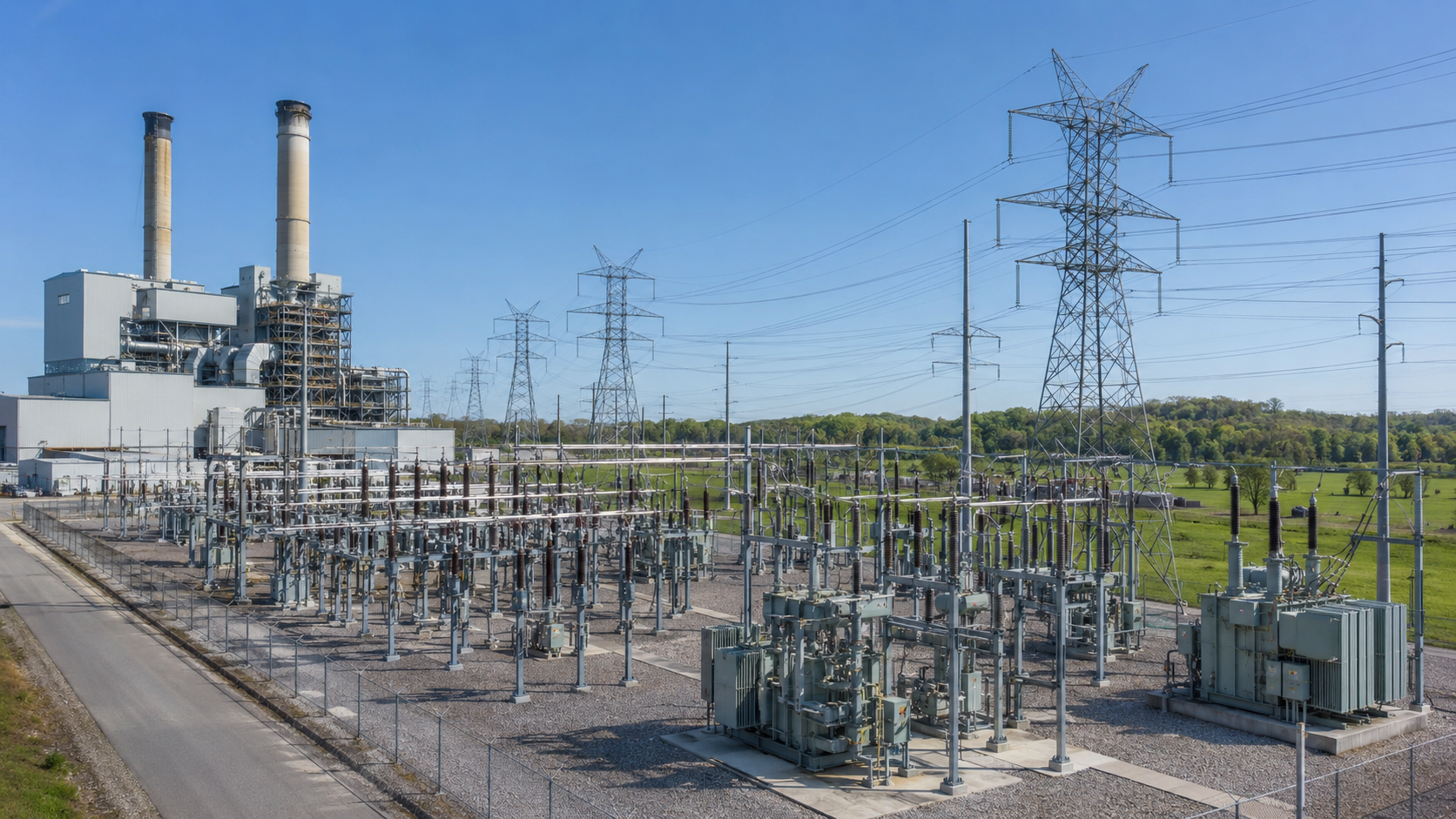
The transmission grid and switchyard connecting the plant. Supplies AC power across all operating modes and carries generated power to the grid. Robust design dampens disturbances and limits voltage and frequency deviations.
On-Site Power System
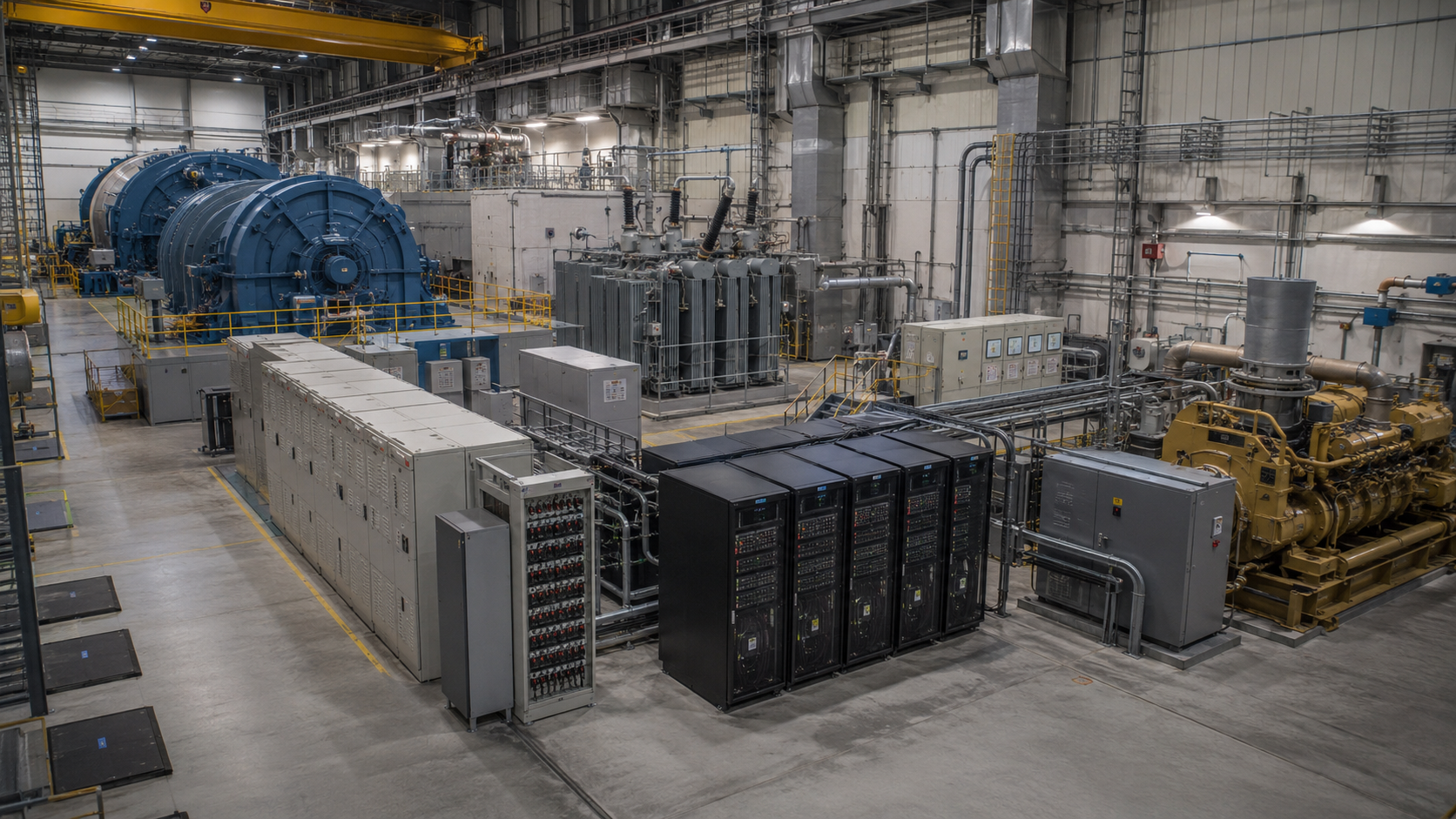
Distribution systems within the plant providing AC and DC supplies for controlled shutdown. Includes main generator, transformers, switchgear, batteries, UPS, and standby AC sources organised by safety significance.

Preferred Power Supply
The normal source for every plant system important to safety. Spans off-site and on-site systems, with reliability dependent on engineering that treats grid connection, generator path, and in-plant distribution as one coordinated whole.
Our Software Capabilities
PSS®E
ETAP
PSCAD
PowerWorld
SKM PTW
AutoCAD Elec.
ASPEN


Download Power System Studies flyer
Please click the Download button to get our Power System Studies flyer
Our Services
Comprehensive Electrical Engineering Services
Our nuclear electrical scope is built around six service areas covering the full life cycle — from design and analysis through modernisation, regulatory support, and decades-long maintenance.
POI Interconnection Engineering Support

Our skilled and knowledgeable engineering team has a rich history in designing, developing and commissioning various substation and interconnection engineering support projects.
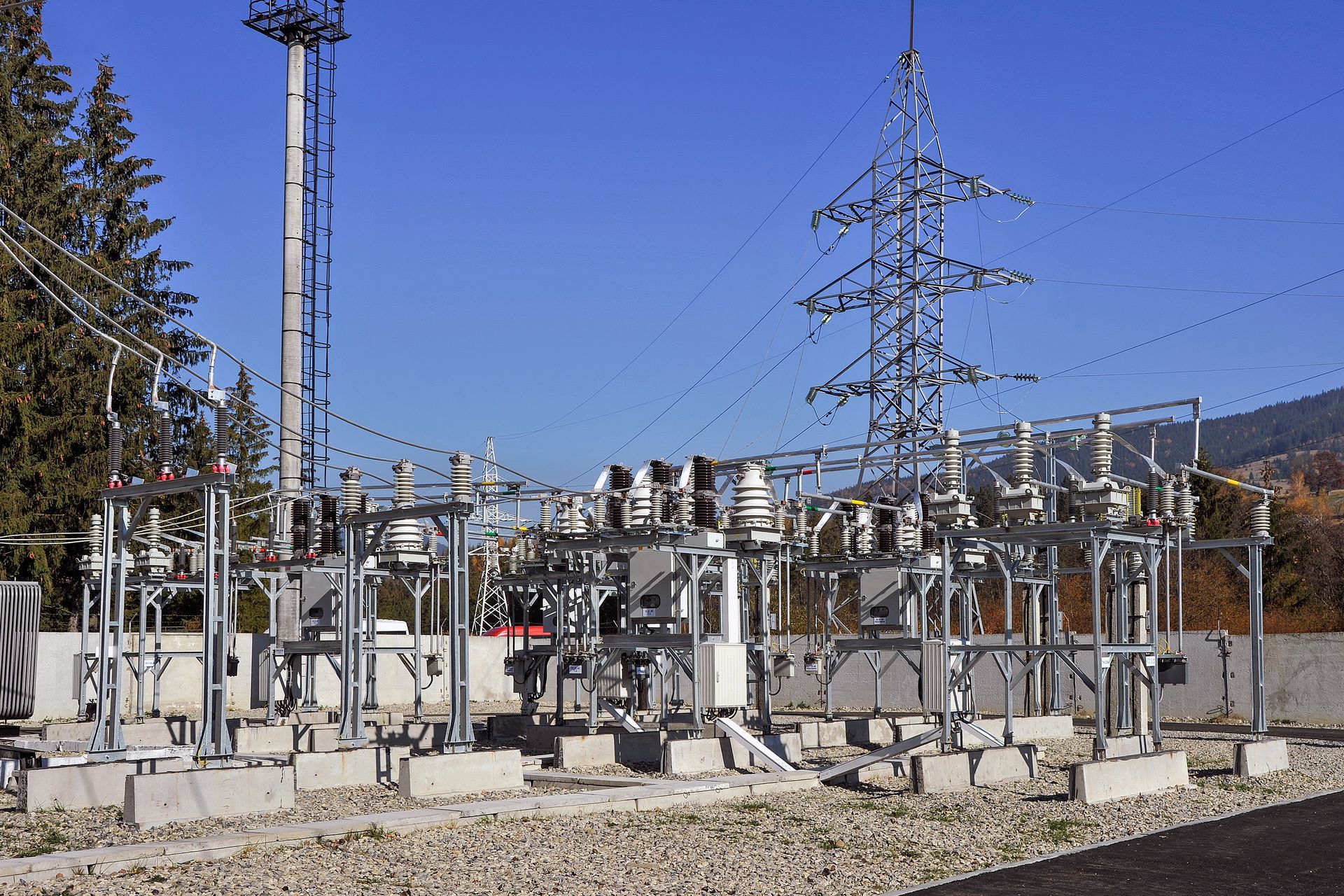
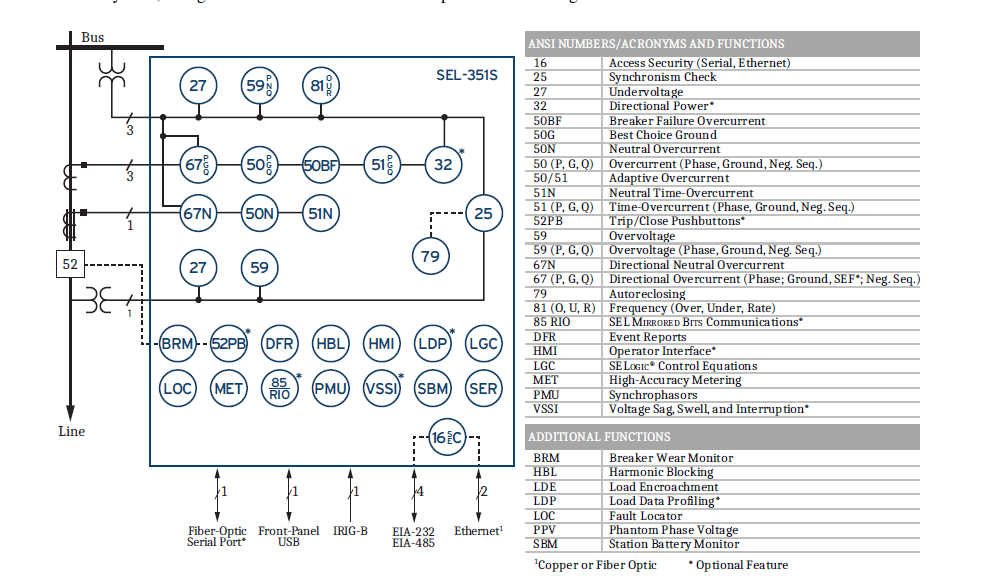
Detailed Short Circuit & Protection Coordination
Engineering of redundant, safety-classified systems — including Class 1E power — for reliable reactor shutdown and post-event control. Covers grounding, lightning protection, and emergency power provision to nuclear safety separation principles.

Full Lifecycle Engineering, Grounded in Safety
AC and DC system modelling using industry-standard tools (ETAP, SKM) for power-block equipment evaluation, arc-flash hazard assessment, and electrical protection coordination under normal, transient, and fault conditions.

Cable & Raceway Design
Sizing, routing, and segregation of electrical cables with aging assessments and fire-safe circuit configurations. Raceway design preserves physical and electrical independence for safety divisions.
See More About Power System Studies Process
Industries We Support
Keentel Engineering delivers power system studies for complex electrical environments across multiple sectors:
Download Power System Studies flyer
Please click the Download button to get our Power System Studies flyer
Case Studies
Harmonic & Power System Studies by Keentel Engineering
POI Interconnection Engineering Support

Our skilled and knowledgeable engineering team has a rich history in designing, developing and commissioning various substation and interconnection engineering support projects.

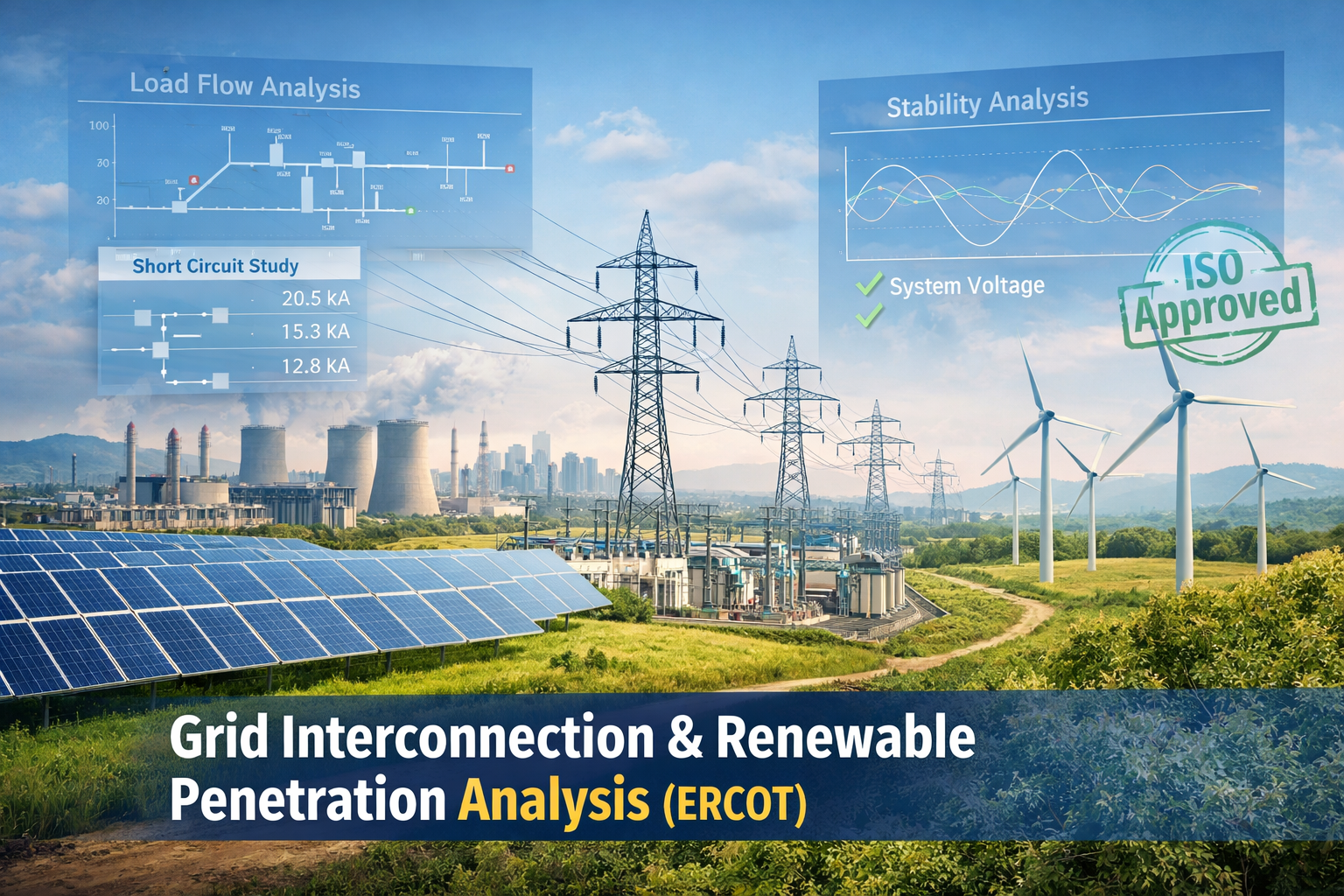
Grid Interconnection & Renewable Penetration Analysis (ERCOT)
Keentel Engineering supported a major renewable developer with interconnection studies for multiple solar and wind projects in a constrained ERCOT corridor. We performed detailed load flow, short-circuit, and stability analyses to evaluate high inverter-based resource penetration scenarios. Sensitivity studies identified hosting capacity limits and required mitigation measures. The final study package achieved ISO approval and enabled phased project deployment with reduced technical risk.

Hybrid Solar & Wind Farm Electrical Design and System Studies
For an independent power producer in the Southwest U.S., Keentel delivered full electrical design and compliance studies for a combined solar and wind facility. Our team designed MV collector systems, developed POI substation interfaces, and performed protection coordination and grid code compliance analysis. Voltage drop, reactive power performance, and ride-through requirements were validated. The project received on-time interconnection approval with an optimized, loss-efficient design.

Reactive Power Compensation & Capacitor Bank Optimization (MISO)
A transmission-connected industrial facility experienced poor power factor and voltage regulation issues. Keentel conducted reactive power compensation studies to optimize capacitor bank sizing, placement, and switching strategies. Multiple operating conditions were evaluated to avoid resonance and overcompensation risks. The final solution improved voltage performance, reduced utility penalties, and delivered a cost-effective, scalable compensation design.
POI Interconnection Engineering Support

Our skilled and knowledgeable engineering team has a rich history in designing, developing and commissioning various substation and interconnection engineering support projects.

See All Our Case Studies

Ensure Your Electrical Infrastructure Is Safe, Compliant, and Future-Ready
Speak with an engineer experienced in POI design, utility coordination, and interconnection approvals.


Who We've Served
Serving utilities, EPCs, developers, and infrastructure organizations supporting critical power systems nationwide.








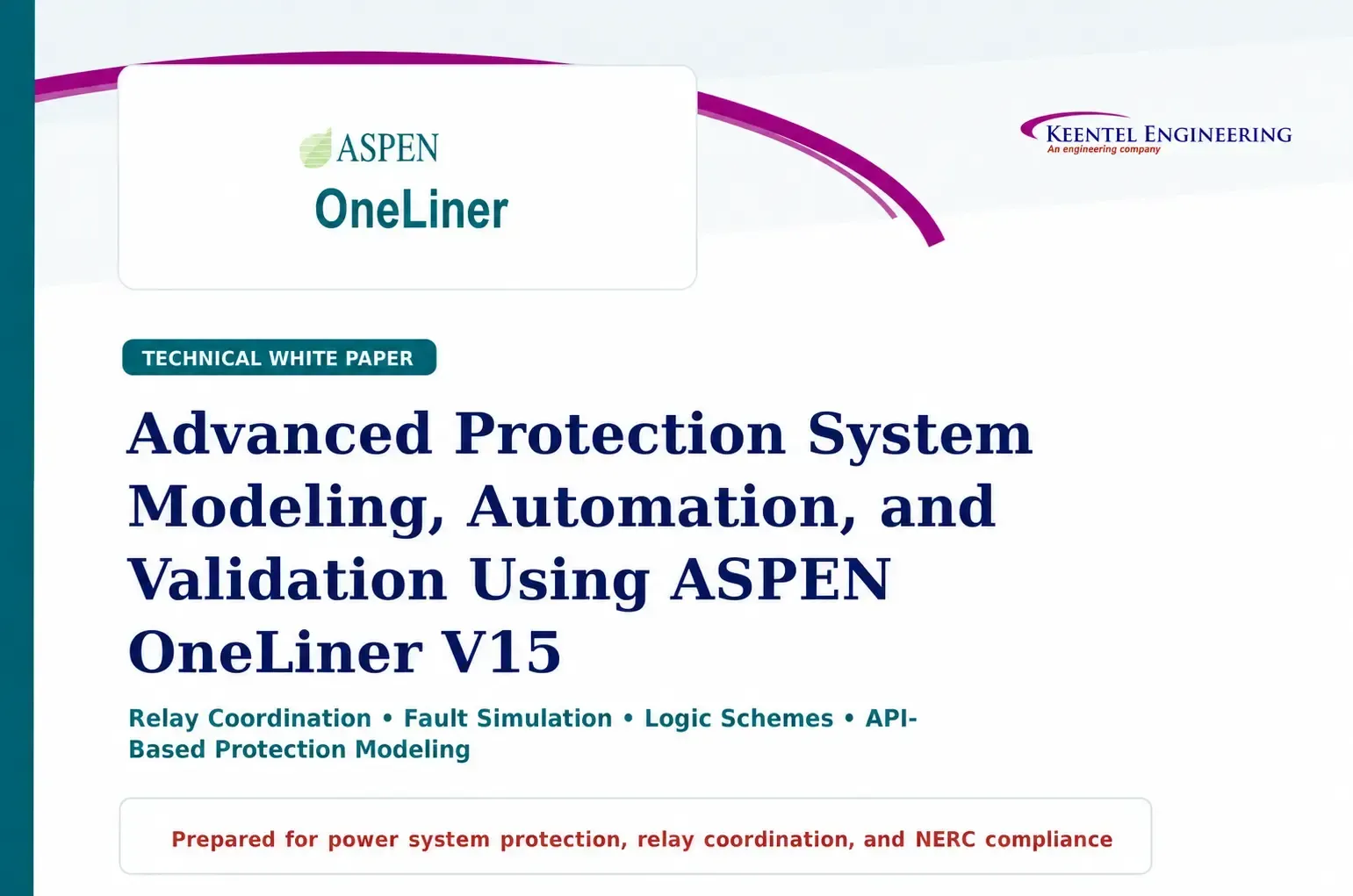
Download Power System Studies flyer
Please click the Download button to get our Power System Studies flyer
Frequently Asked Questions
1) Which power system studies does Keentel perform?
Keentel performs load flow, contingency, short-circuit and duty analysis, protection coordination, arc-flash, harmonic and power quality studies, motor starting, voltage drop, transient stability where applicable, and grounding studies. We tailor the study set to the system voltage class (EHV, HV, or MV), facility type, and specific regulatory and utility requirements.
2) Why are short-circuit studies critical for EHV, HV, and MV systems?
Short-circuit studies confirm equipment interrupting ratings and momentary withstand capabilities. They also define protective device settings, ensure breaker duty compliance, and reduce the risk of catastrophic equipment failure. These studies are often required for utility approval and safe long-term operation.


3) What is the difference between coordination studies and arc-flash studies?
Coordination studies ensure protective devices operate selectively and quickly for electrical faults. Arc-flash studies estimate incident energy exposure and define PPE boundaries and equipment labeling requirements. Because coordination directly impacts arc-flash results, Keentel typically performs these as an integrated workflow to balance safety and system selectivity.
4) How does Keentel evaluate harmonics and power quality?
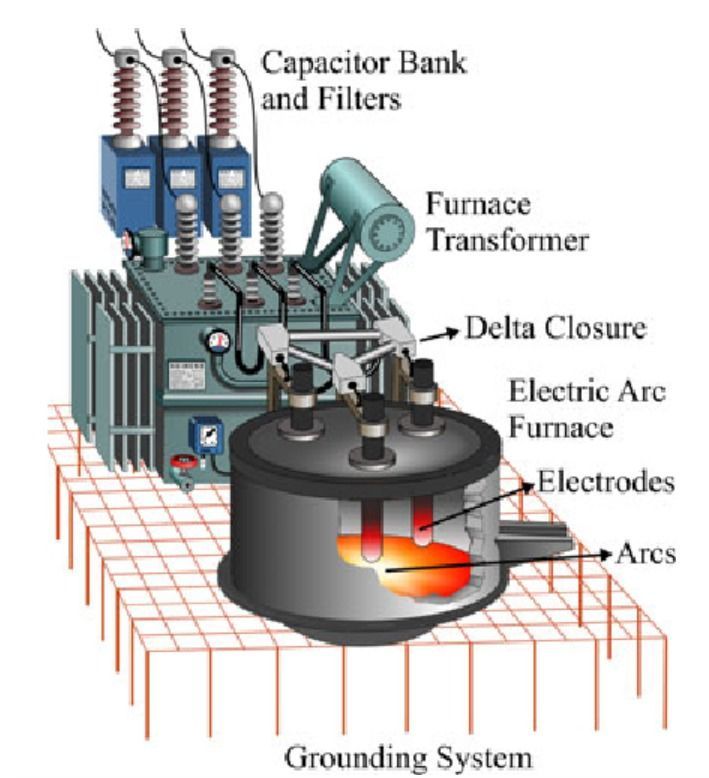
We model harmonic sources such as inverters, variable frequency drives, and large rectifiers, calculate distortion levels at key buses, and verify compliance with applicable limits, often IEEE 519 or specific utility requirements. If mitigation is required, we evaluate filter options, transformer configurations, and system impedance changes to develop a practical solution.
5) Can Keentel study weak grid and inverter-based resource interconnections?
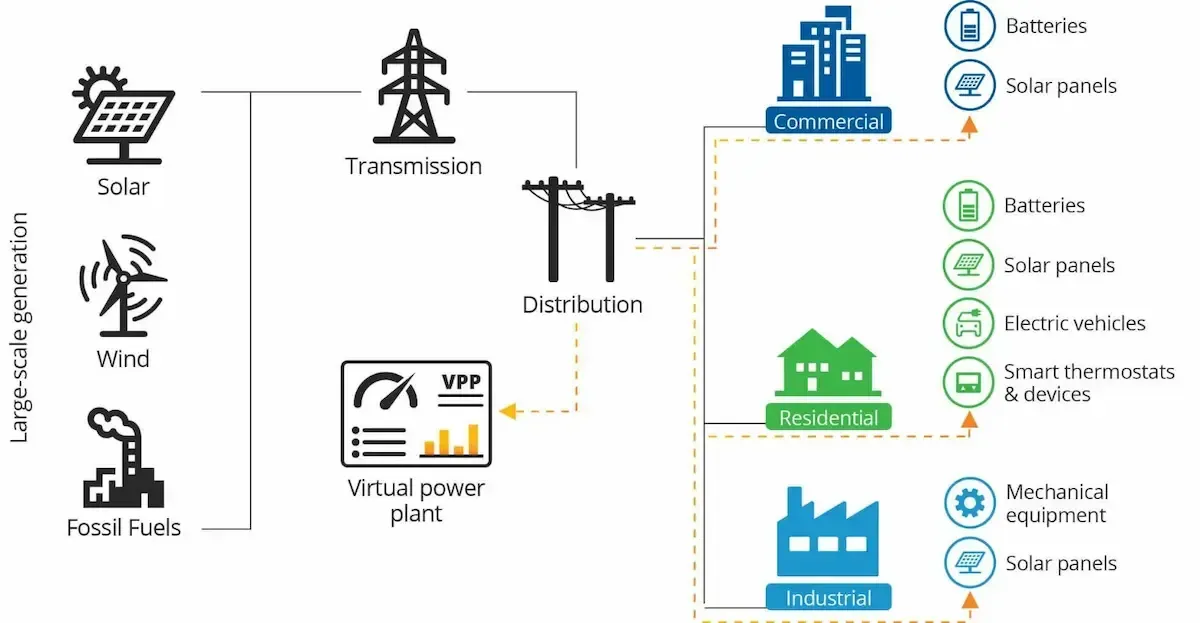
Yes. Weak grid conditions affect voltage stability, fault response, and protection performance. Keentel evaluates short-circuit ratio, reactive power margin, voltage regulation, and control interactions to recommend mitigation such as STATCOMs, synchronous condensers, or tuned control strategies to ensure stable and compliant operation.
6) What data does Keentel need to begin a power system study?
Typically required information includes one-line diagrams, equipment ratings, transformer impedances and tap settings, cable and conductor data, protective device details, load profiles, generator or inverter parameters, and utility source equivalents. Keentel can also work with partial data early in a project and refine models as detailed design progresses.
7) How do you ensure study results are defensible for utility and ISO review?
Keentel documents assumptions, model sources, and validation checks throughout the analysis process. We provide clear base case descriptions, sensitivity runs, and traceable references to equipment data sheets. Deliverables are formatted to match common utility and ISO expectations to reduce review cycles and approval delays.
8) How are study results converted into actionable design changes?
We translate study results into specific design actions such as breaker upgrades, relay setting updates, CT and PT changes, cable sizing adjustments, reactive compensation sizing, filter selection, or layout modifications. The true value is not just the report itself, but the practical engineering decisions supported by detailed analysis.
Power System Studies – Blogs