

Our Work

Keentel Engineering supports utilities, EPCs, renewable developers, and infrastructure teams with power studies, substation design, interconnection engineering, and NERC compliance.

Data center power system infrastructure diagram

Who We've Served

Serving utilities, EPCs, developers, and infrastructure organizations supporting critical power systems nationwide.

PIKE Engineering logo with bold navy blue typography on a clean white background.

Pike Engineering

Pike Engineering Providing transmission and distribution engineering support across utility networks nationwide.

Risk Work safety logo with bold black and yellow design and lightning bolt graphic on a white background.

Risk Work

Risk Work Providing safety-focused engineering and compliance support for critical infrastructure projects.

Man in plaid shirt examines blueprints near a CNC machine, holding a pencil.

Siemens Energy

APS Supporting utility operations with advanced electrical engineering and grid reliability services.

RRC corporate logo with gray typography and blue-orange swoosh on a clean white background.

RRC Companies

RRC Companies Trusted electrical engineering partner for utility transmission and infrastructure projects.

PAE corporate logo with red and black dot design and bold typography on a white background.

PAE Engineers

PAE Engineers Delivering advanced power system solutions for complex energy and infrastructure projects.

EDF Power Solutions logo with orange energy symbol and blue text on a clean white background.

EDF Power Solutions

EDF Power Solutions Supporting utility-scale renewable energy integration and grid interconnection services.

Industrial HVAC system with ducts and fan units mounted on a building exterior.

Avangrid

Avangrid Partnering on renewable energy and utility infrastructure engineering projects nationwide.

Plumber in blue hard hat uses wrench on pipes in a utility room.

Siemens Energy

Siemens Energy Delivering advanced power engineering and grid modernization solutions across the U.S.

Minimalist dVpd Blackstone portfolio company logo on a clean white corporate card background.

AYPA Power

AYPA Power Providing battery storage and renewable energy interconnection engineering support services.

Keentel · Substation Case Studies

Substation Engineering Case Studies

Real-world substation engineering delivered across rural electrification, smart cities, renewable energy, and space-constrained urban environments.
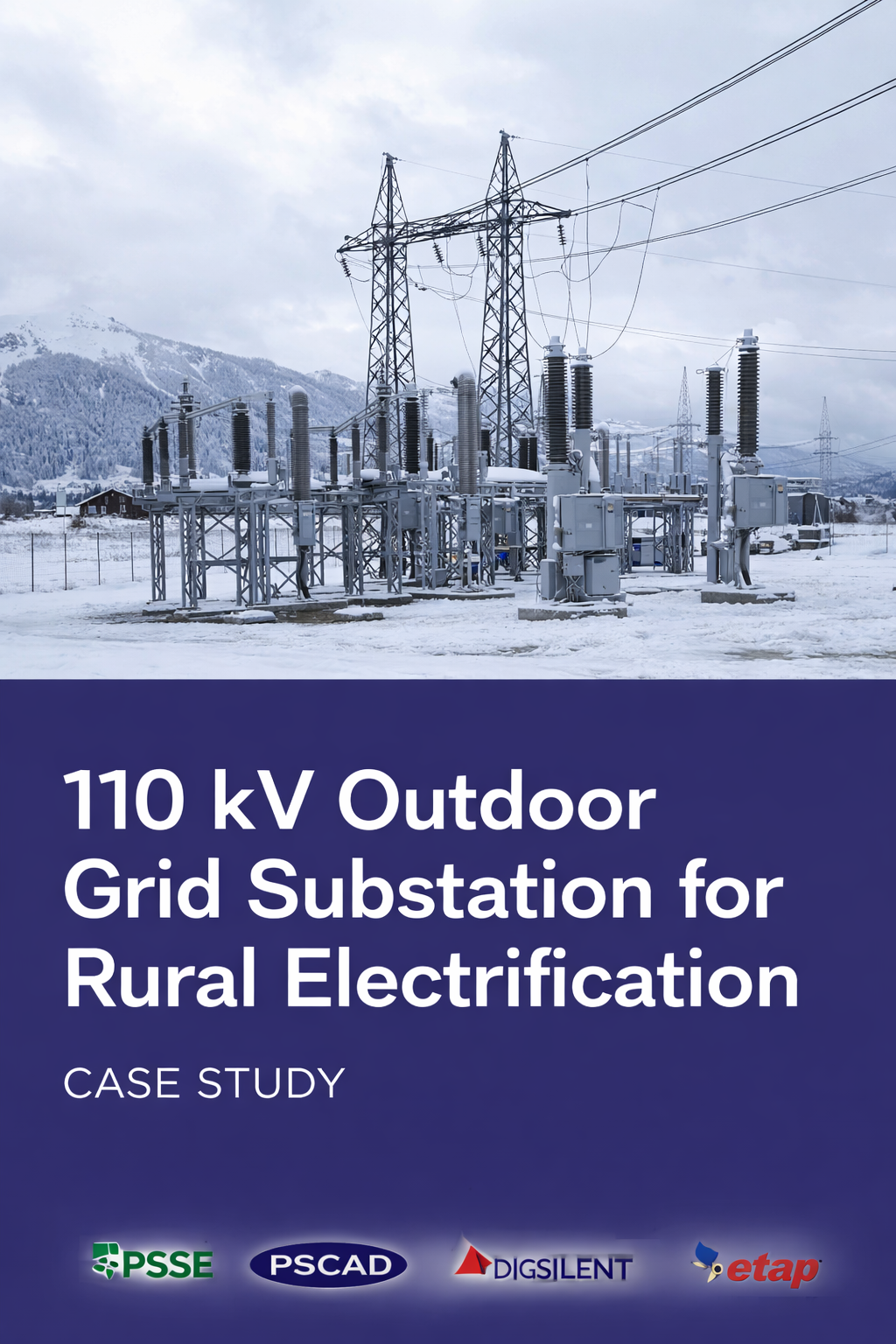

110kV outdoor substation
Indoor substation retrofit
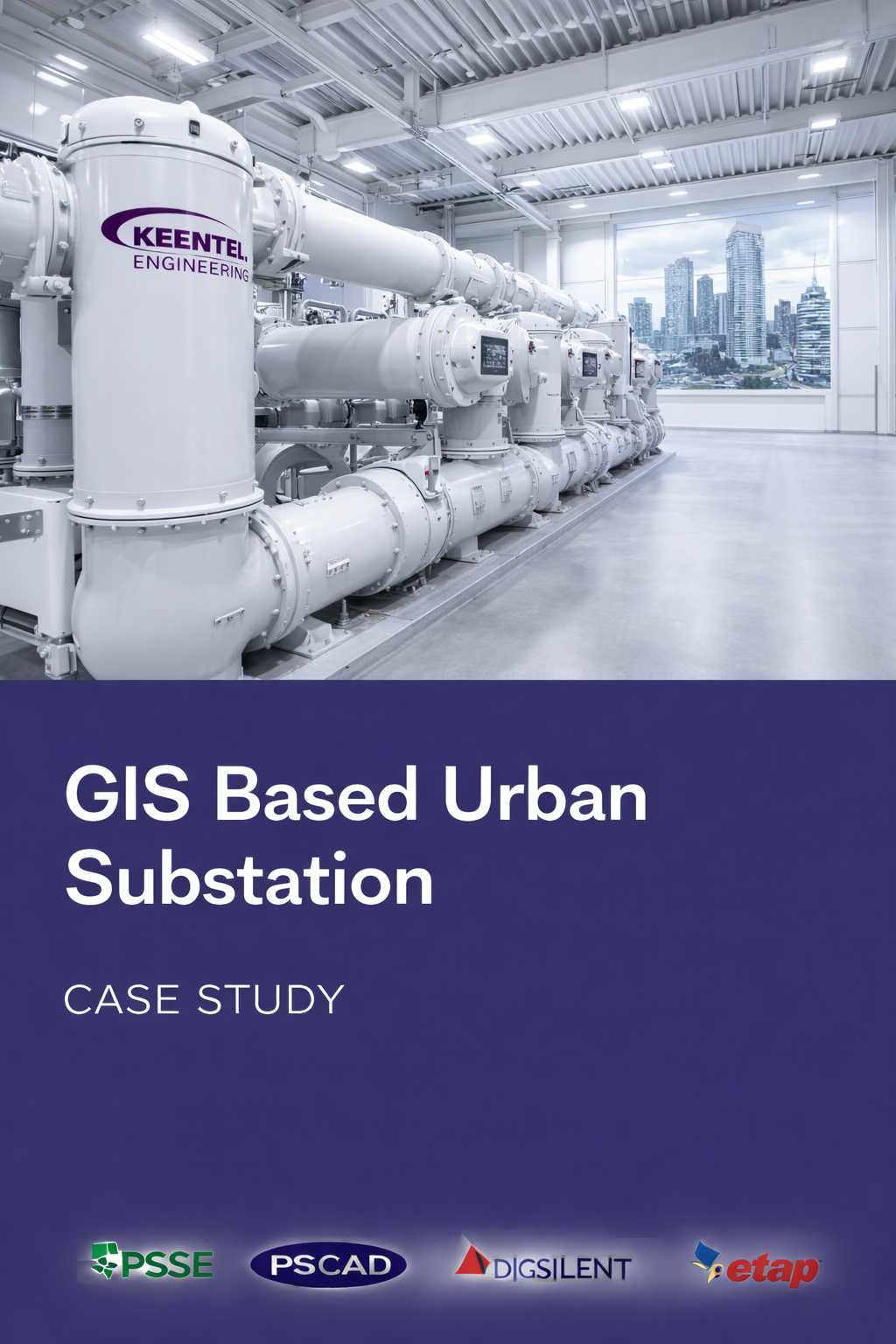
GIS urban substation
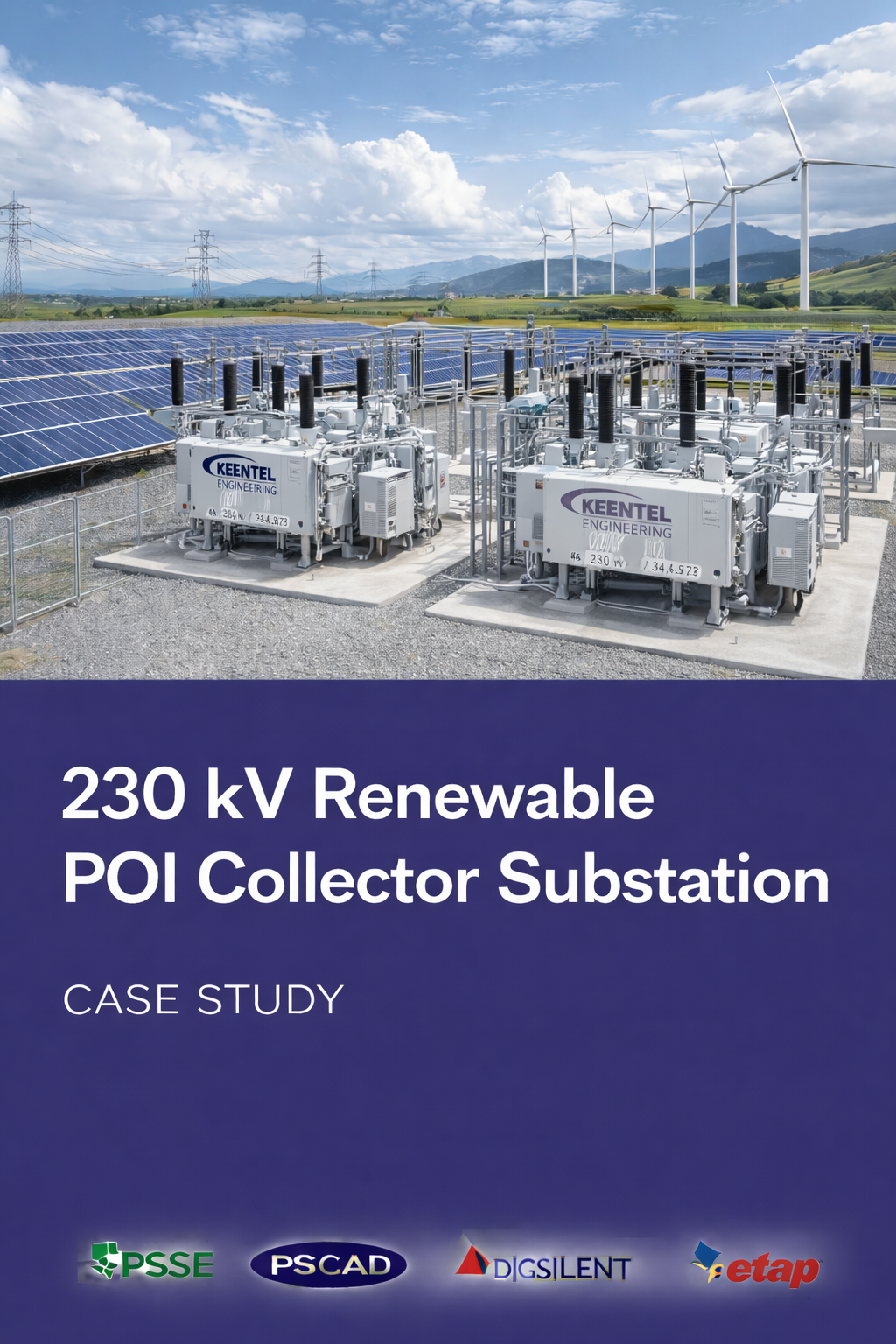
230 kV POI substation
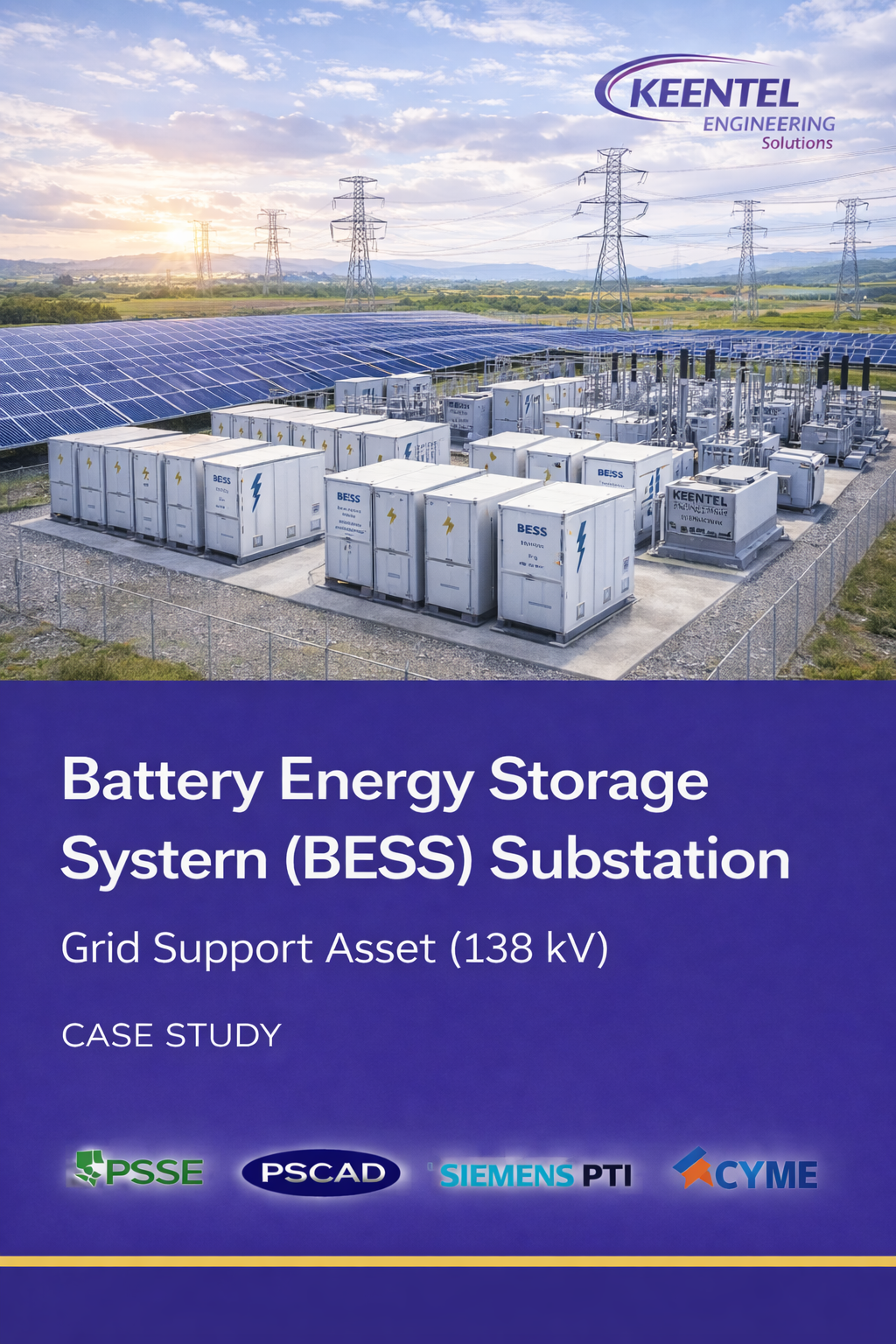
BESS substation
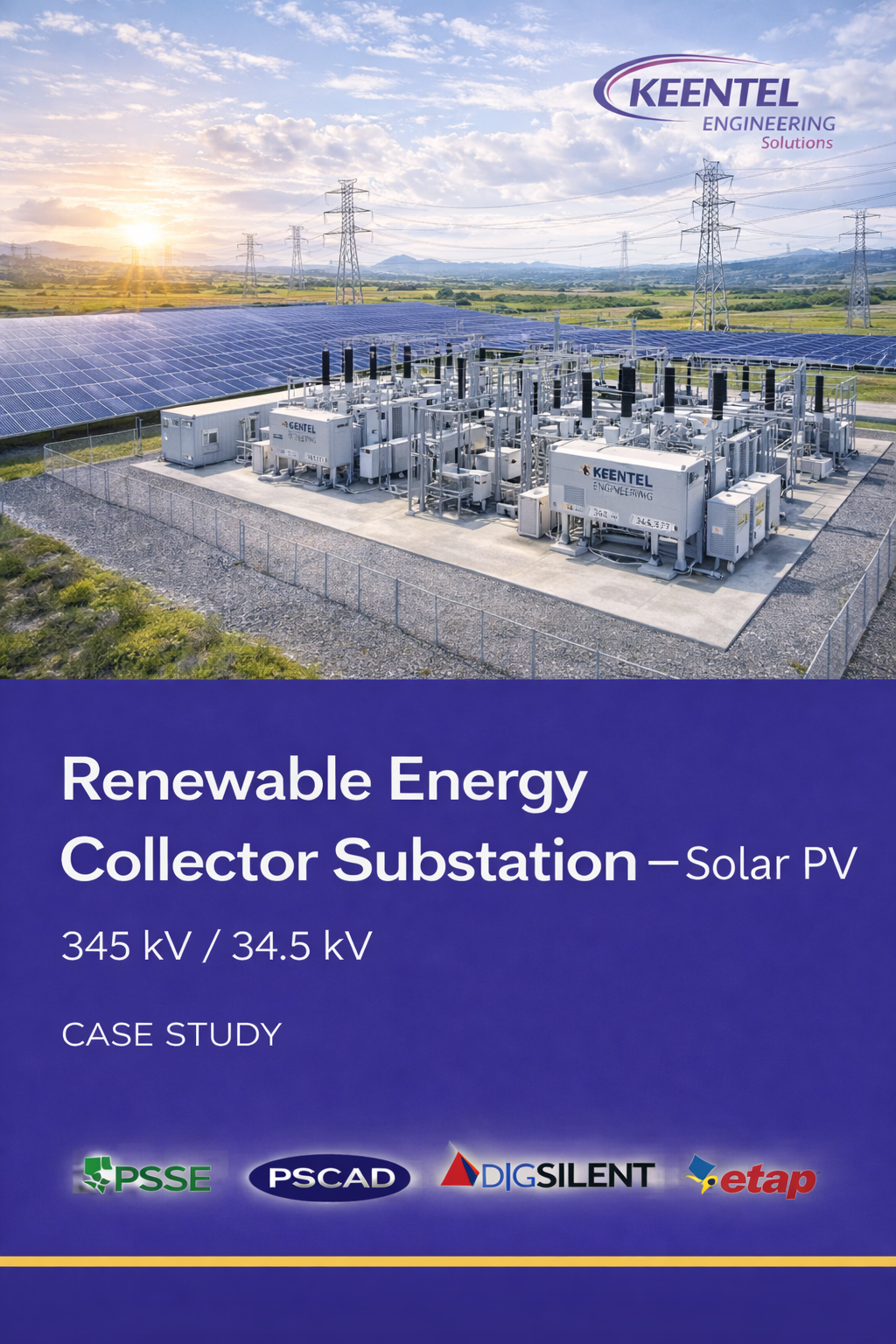
Solar collector substation
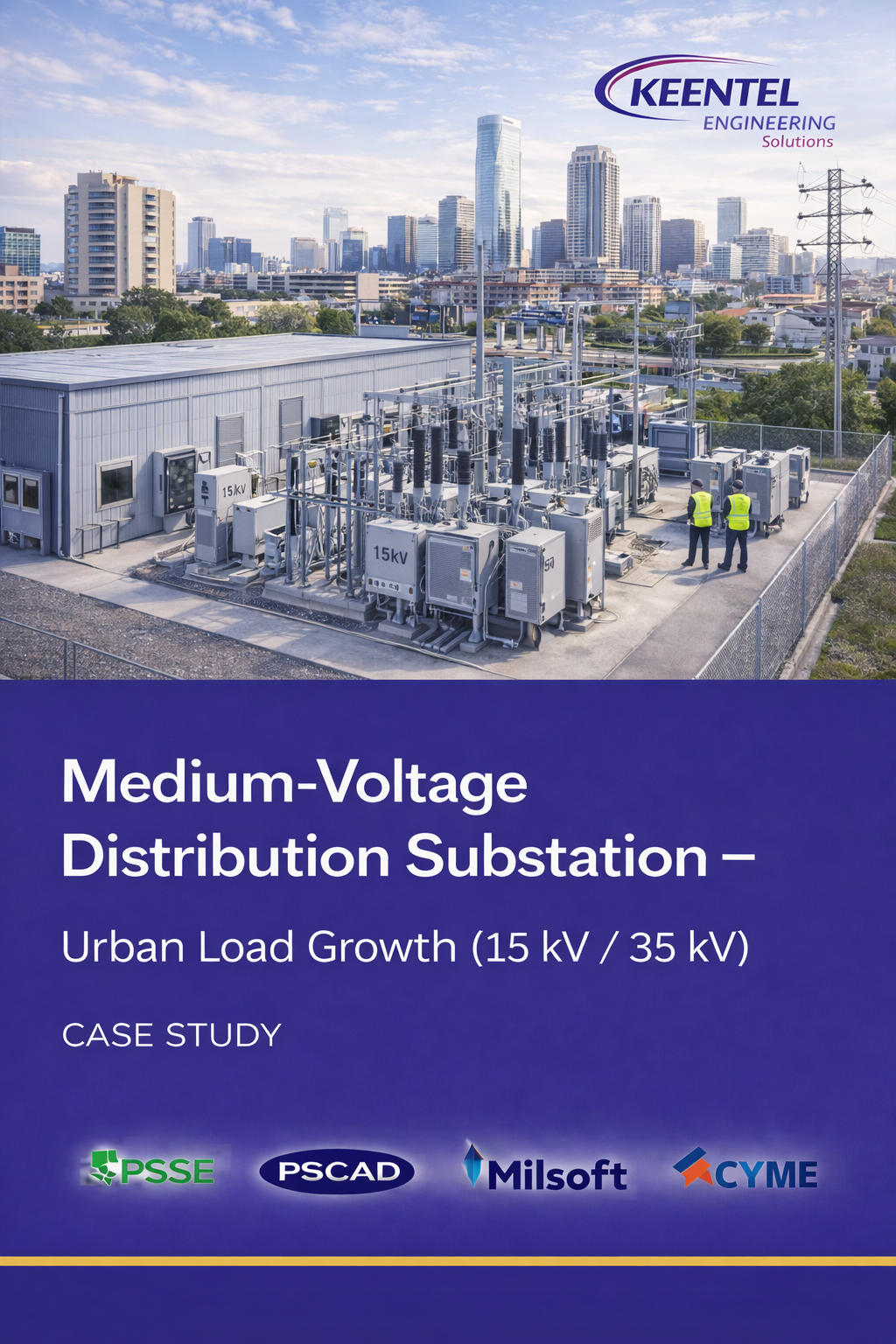
MV distribution substation
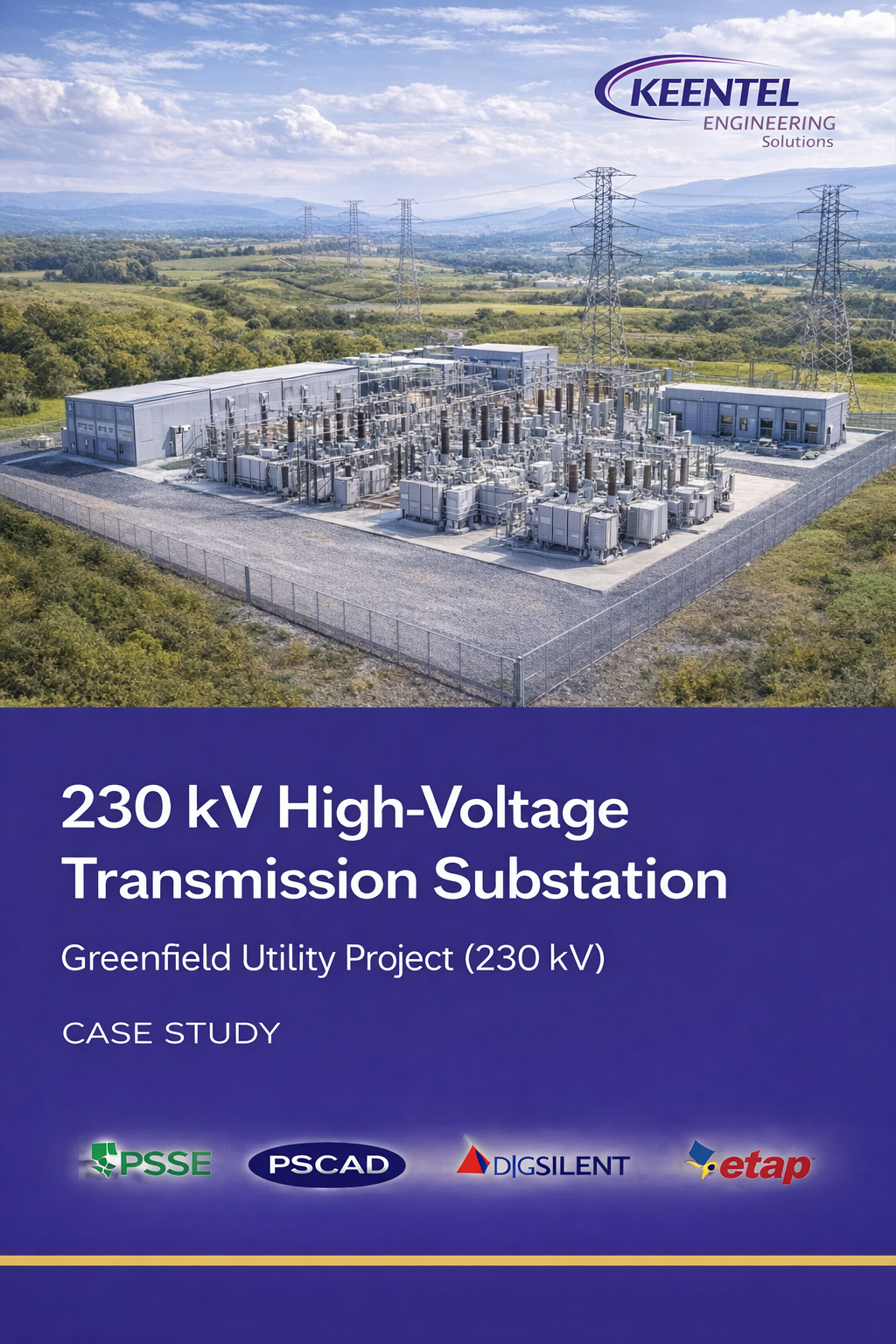
HV transmission substation
Keentel Engineering – Software FAQ
PSS®E PSS®E
ETAP ETAP
PSCAD PSCAD

PowerWorld PowerWorld

SKM PTW SKM PTW
General FAQs
01 What is PSS®E software?
PSS®E (Power System Simulator for Engineering) is a power system simulation software developed by Siemens for analyzing and planning electrical transmission networks. It allows engineers to model large-scale power systems and perform detailed studies related to grid reliability and system performance.
02 What is PSS®E used for in power system studies?
PSS®E is used for transmission planning, interconnection studies, contingency analysis, stability simulations, and grid expansion planning. Utilities and consultants use the software to evaluate how electrical networks behave under different operating conditions.
03 Who uses PSS®E software?
PSS®E is used by electric utilities, transmission planners, system operators, renewable energy developers, engineering consulting firms, and research institutions involved in power system planning and reliability analysis.
04 Can PSS®E be used for renewable energy integration?
Yes. PSS®E supports modeling of inverter-based resources such as solar plants, wind farms, and battery energy storage systems to analyze their impact on grid stability and transmission system performance.
05 Why is PSS®E widely used in transmission planning?
PSS®E is widely used because it supports very large power system models, advanced dynamic simulations, and automated analysis workflows, making it suitable for complex transmission network planning studies.
Technical FAQs
01 How does PSS®E perform contingency analysis?
PSS®E evaluates system reliability by simulating outage scenarios such as transmission line failures, generator trips, or transformer outages and identifying voltage violations or thermal overloads.
02 What types of dynamic simulations can be performed in PSS®E?
PSS®E supports transient stability analysis, generator dynamics simulation, renewable inverter modeling, and disturbance response studies.
03 What is PV and QV analysis in PSS®E?
PV and QV analysis are used to evaluate voltage stability margins and determine the system's ability to maintain acceptable voltage levels under increasing load conditions.
04 How does PSS®E support large power system models?
PSS®E uses optimized numerical algorithms and sparse matrix techniques that allow engineers to simulate electrical networks with up to 200,000 buses.
05 Can PSS®E simulations be automated?
Yes. PSS®E provides extensive Python APIs that allow engineers to automate contingency studies, batch simulations, and large-scale grid analysis workflows.
General FAQs
01 What is ETAP software?
ETAP is an electrical power system engineering software platform used for designing, simulating, analyzing, and operating electrical networks across industrial, utility, and commercial systems.
02 What types of studies can be performed in ETAP?
ETAP supports power flow analysis, short circuit studies, arc flash analysis, protection coordination studies, harmonic analysis, and dynamic stability simulations.
03 What industries use ETAP software?
ETAP is used by electric utilities, renewable energy plants, data centers, oil and gas facilities, industrial manufacturing plants, and infrastructure projects.
04 What is the ETAP Electrical Digital Twin?
The ETAP Electrical Digital Twin is a virtual representation of a real electrical network that enables engineers to simulate and monitor system performance before implementing changes in the physical system.
05 Why is ETAP widely used for electrical engineering studies?
ETAP provides an integrated platform for design, simulation, monitoring, and optimization of electrical systems, allowing engineers to analyze system behavior and improve operational reliability.
Technical FAQs
01 How does ETAP perform short circuit analysis?
ETAP calculates fault currents using international standards such as ANSI/IEEE C37 and IEC 60909 to evaluate equipment ratings and protection system requirements.
02 What is ETAP arc flash analysis?
Arc flash analysis calculates incident energy levels and safety boundaries based on standards such as IEEE 1584 and NFPA 70E to improve electrical safety.
03 How does ETAP perform protection coordination studies?
ETAP uses Time-Current Characteristic (TCC) curves to evaluate the coordination between relays, breakers, and fuses to ensure selective protection during faults.
04 Can ETAP simulate renewable energy systems?
Yes. ETAP allows engineers to model solar PV systems, wind generators, battery energy storage systems, and microgrids.
05 What dynamic simulations can be performed in ETAP?
ETAP dynamic simulations evaluate system behavior during disturbances such as generator trips, faults, motor starting events, and switching operations.
General FAQs
01 What is PSCAD software?
PSCAD is an electromagnetic transient (EMT) simulation software used to analyze fast electrical and electromagnetic phenomena in power systems.
02 What is PSCAD used for?
PSCAD is used for HVDC studies, converter modeling, renewable inverter simulations, lightning surge analysis, and electromagnetic transient studies.
03 Who typically uses PSCAD?
PSCAD is used by utilities, renewable developers, equipment manufacturers, engineering consulting firms, and research institutions.
04 Why is PSCAD important for renewable energy studies?
PSCAD allows engineers to simulate inverter-based resources and analyze complex electromagnetic interactions within modern power systems.
05 What types of systems can PSCAD model?
PSCAD can model transmission networks, HVDC systems, renewable plants, power electronic converters, and protection systems.
Technical FAQs
01 What is electromagnetic transient simulation?
EMT simulation analyzes high-frequency electrical phenomena that occur in power systems during switching events, lightning strikes, and converter operations.
02 How does PSCAD model transmission lines?
PSCAD models transmission lines using distributed parameter models that capture traveling wave behavior and electromagnetic interactions.
03 What simulation time steps are used in PSCAD?
Typical EMT simulations use time steps ranging from microseconds to tens of microseconds depending on system complexity.
04 Can PSCAD simulate HVDC systems?
Yes. PSCAD provides detailed models for line-commutated converters (LCC) and voltage source converter (VSC) HVDC systems.
05 How does PSCAD simulate inverter-based resources?
PSCAD uses detailed converter control models to simulate grid-forming and grid-following inverter behavior.
General FAQs
01 What is PowerWorld software?
PowerWorld is a power system simulation and visualization software used to analyze electrical transmission networks.
02 What is PowerWorld Simulator?
PowerWorld Simulator is an interactive tool used to perform power flow analysis, contingency analysis, and voltage stability studies.
03 Who uses PowerWorld software?
PowerWorld is used by utilities, transmission planners, power system operators, consultants, and universities.
04 What types of studies can be performed in PowerWorld?
PowerWorld supports power flow analysis, contingency analysis, optimal power flow studies, voltage stability analysis, and fault analysis.
05 What makes PowerWorld unique?
PowerWorld provides interactive visualization tools such as animated one-line diagrams and geographic system displays.
Technical FAQs
01 How does PowerWorld perform contingency analysis?
PowerWorld simulates outage scenarios and identifies violations such as overloaded lines or low voltage conditions.
02 What numerical methods are used for power flow analysis?
PowerWorld typically uses Newton-Raphson algorithms to solve large power system models efficiently.
03 What is PV and QV analysis in PowerWorld?
PV and QV curves evaluate voltage stability limits and identify potential voltage collapse scenarios.
04 What is Optimal Power Flow (OPF)?
OPF determines the optimal generation dispatch while maintaining system constraints and minimizing operating costs.
05 How large of a system can PowerWorld simulate?
PowerWorld can simulate electrical networks with up to approximately 250,000 buses.
General FAQs
01 What is SKM PowerTools software?
SKM PowerTools is an electrical engineering software platform used for power system design, analysis, and safety evaluation.
02 What types of studies can SKM perform?
SKM supports load flow analysis, short circuit studies, arc flash analysis, protection coordination, harmonic analysis, and grounding system studies.
03 What industries use SKM PowerTools?
SKM is widely used in utilities, industrial plants, data centers, oil and gas facilities, and commercial electrical infrastructure projects.
04 What is SKM CAPTOR used for?
CAPTOR is SKM's protective device coordination module used to analyze relay, breaker, and fuse coordination using time-current curves.
05 Why is SKM widely used for electrical system analysis?
SKM provides integrated modules that allow engineers to perform multiple electrical studies within a single software platform.
Technical FAQs
01 How does SKM perform short circuit analysis?
SKM calculates fault currents using ANSI and IEC standards and evaluates symmetrical and asymmetrical fault conditions.
02 What is arc flash analysis in SKM?
Arc flash analysis determines incident energy levels and hazard boundaries to improve electrical safety and comply with standards such as IEEE 1584.
03 How does SKM perform load flow analysis?
Load flow analysis calculates voltage levels, power flows, and system losses within electrical networks.
04 Can SKM simulate harmonic distortion?
Yes. The HI_WAVE module evaluates harmonic distortion caused by non-linear loads and power electronic devices.
05 How does SKM evaluate protection coordination?
SKM analyzes protective device operation using time-current curves to ensure proper fault isolation.

See All Case Studies

Power System Case Studies

Practical power system engineering studies delivered for renewable interconnection, reactive power, insulation coordination, GIS transients, and power quality challenges.
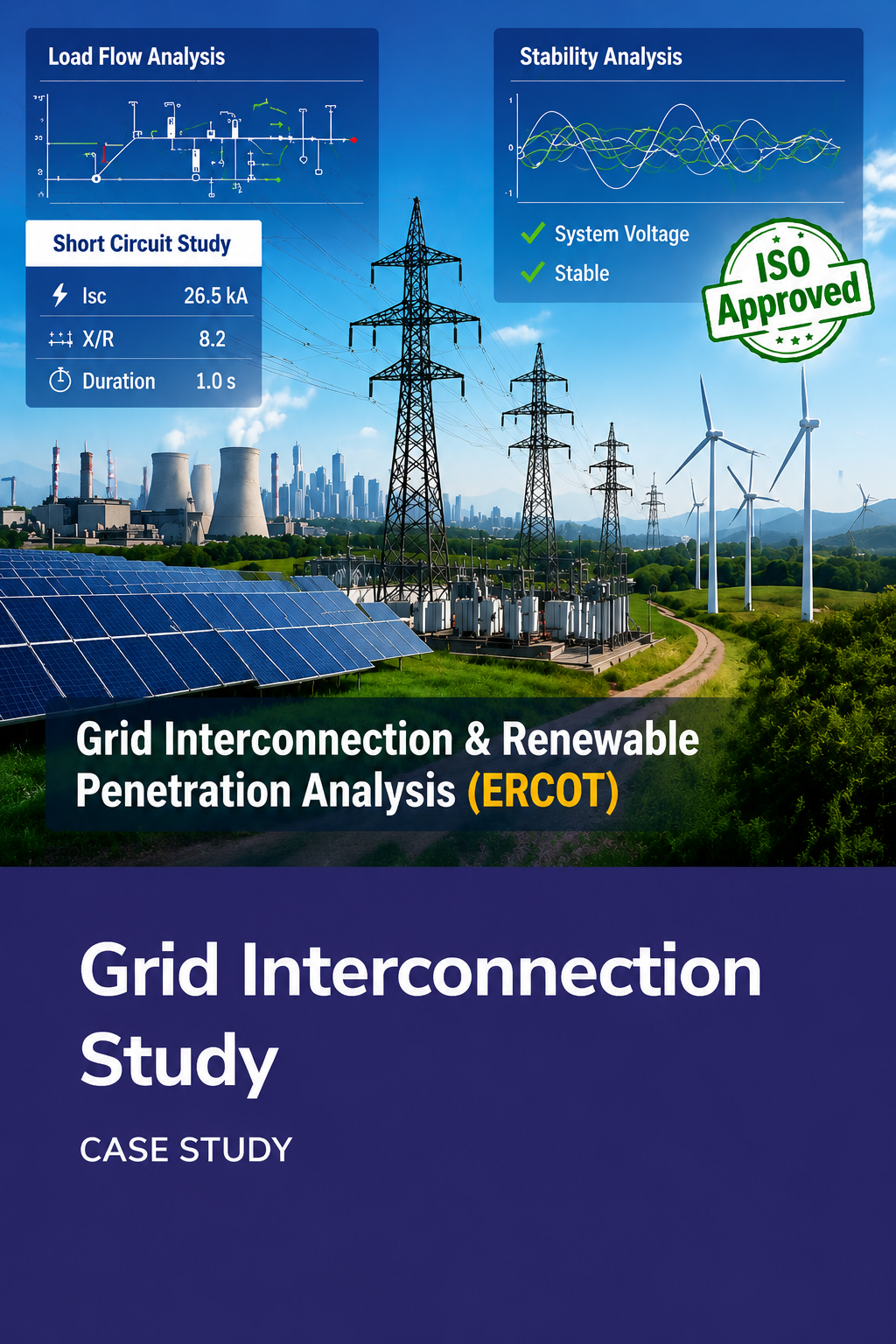

Grid Interconnection Study
Solar and Wind Farm Design
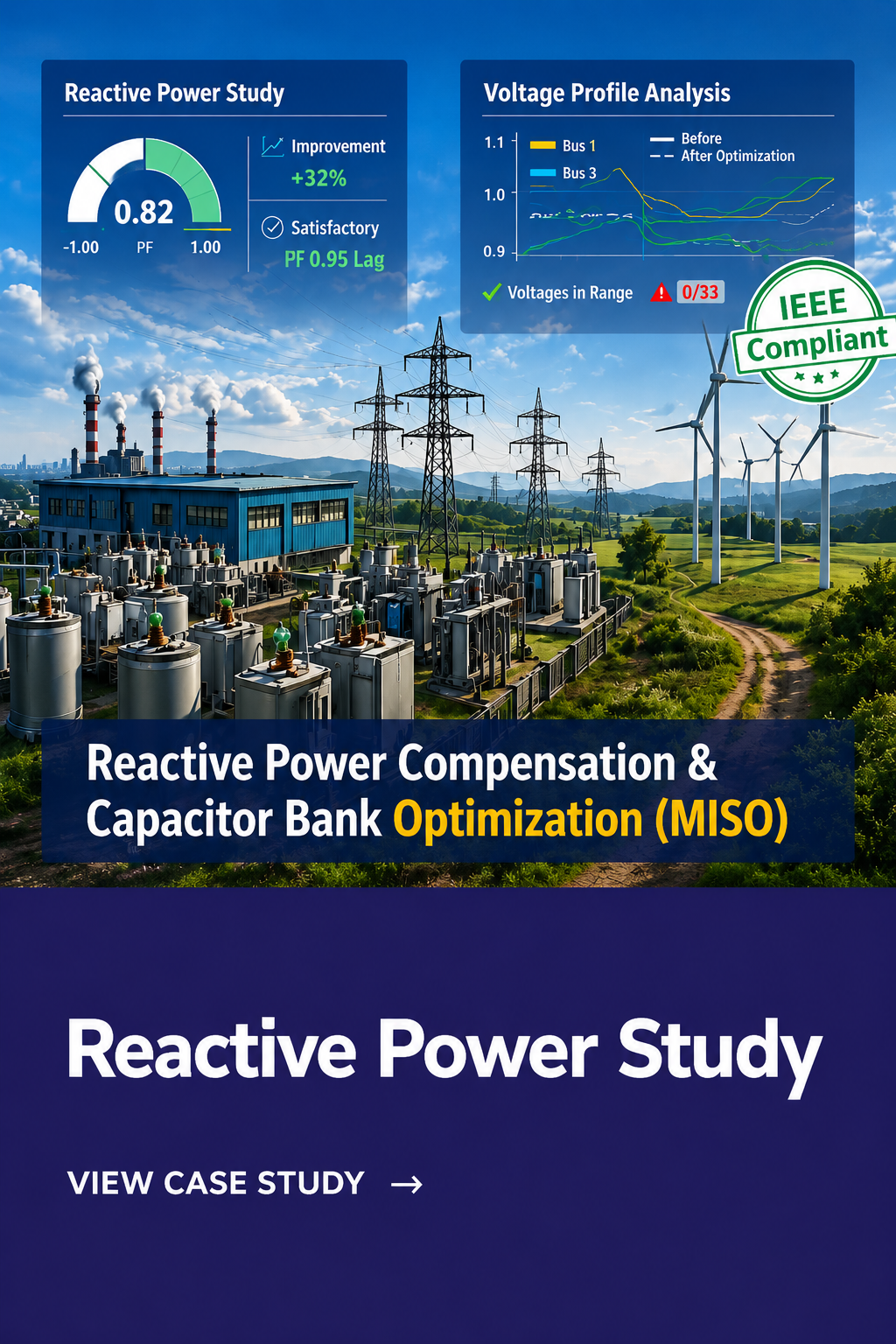
Reactive Power Compensation
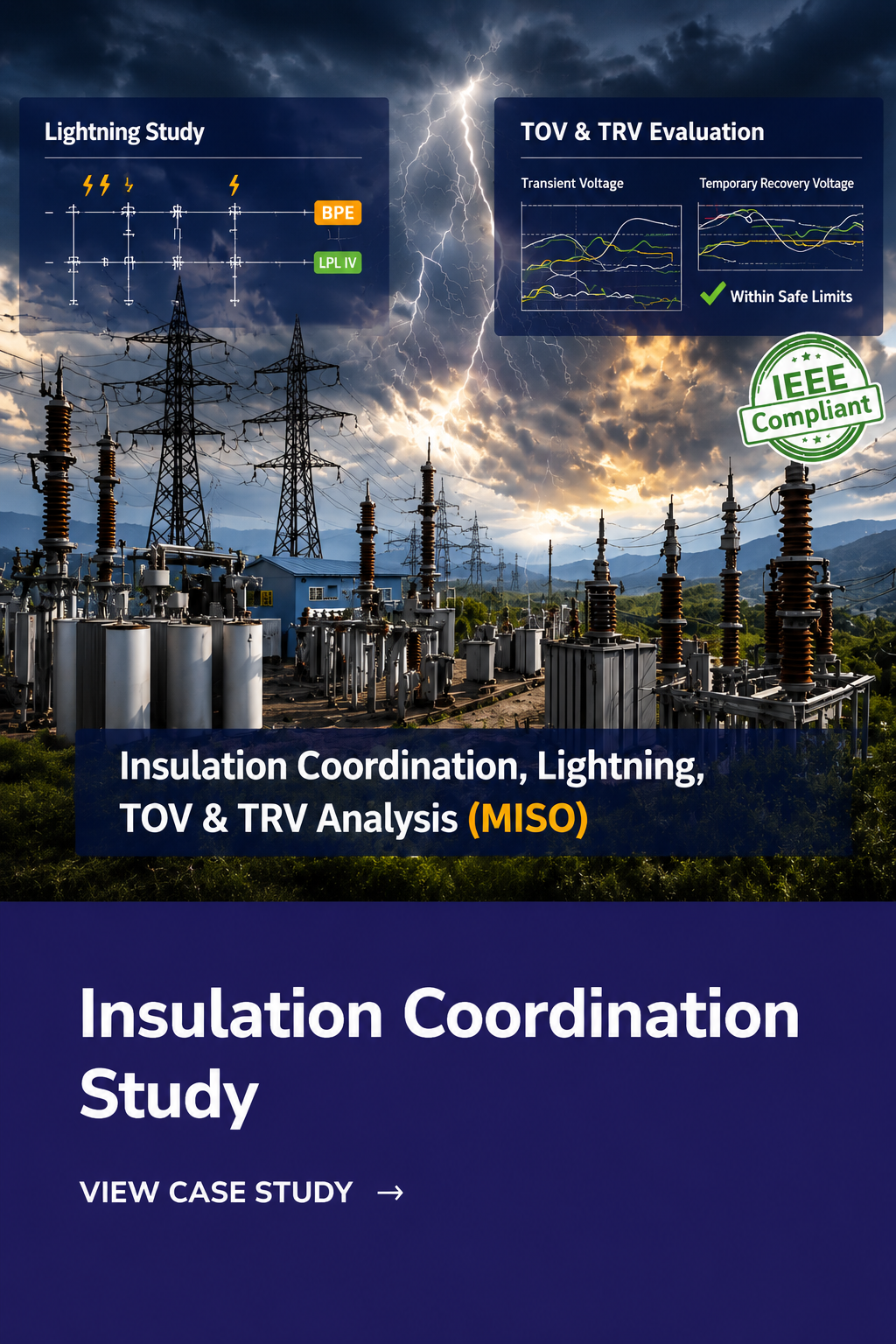
Insulation Coordination Study
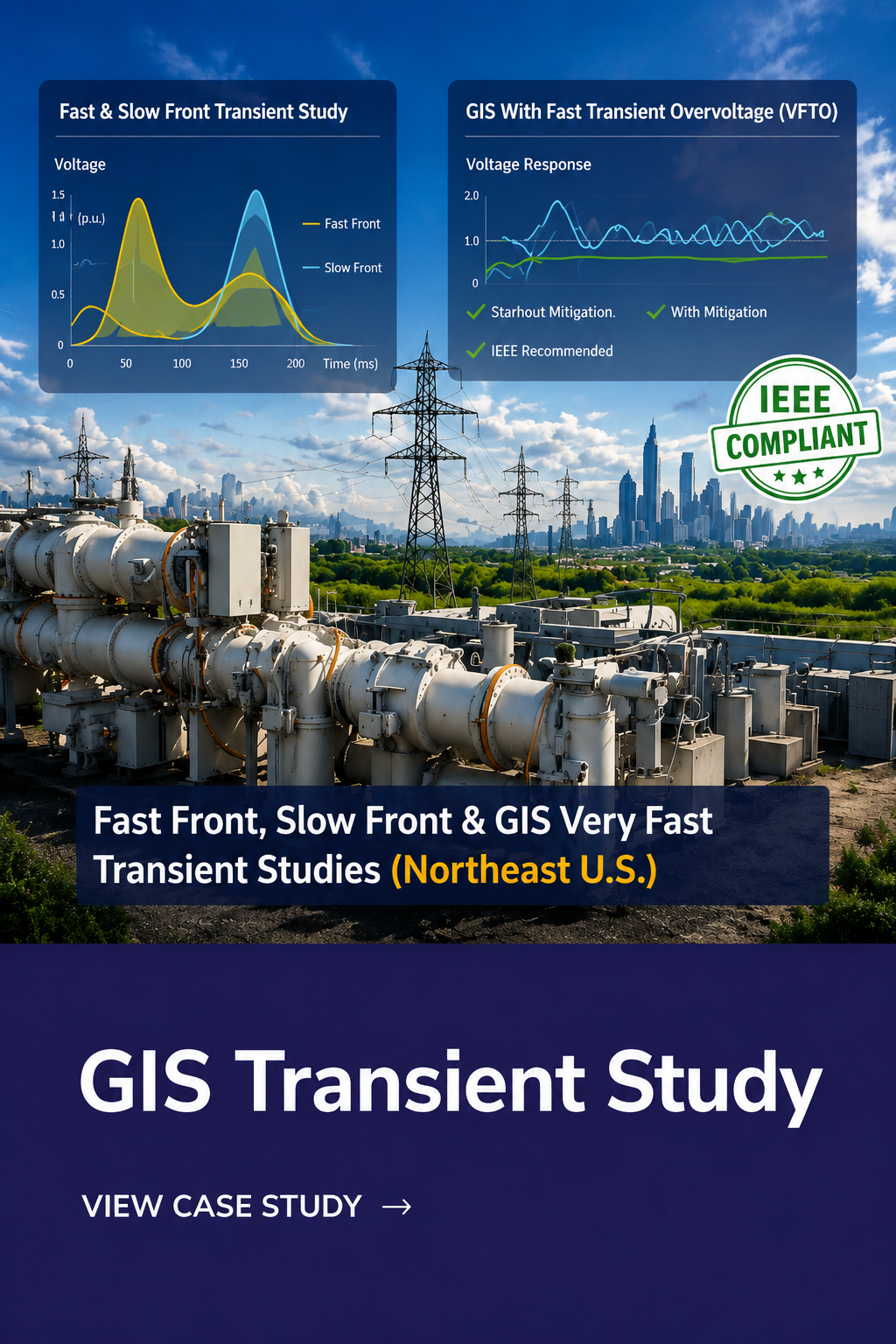
GIS Transient Studies
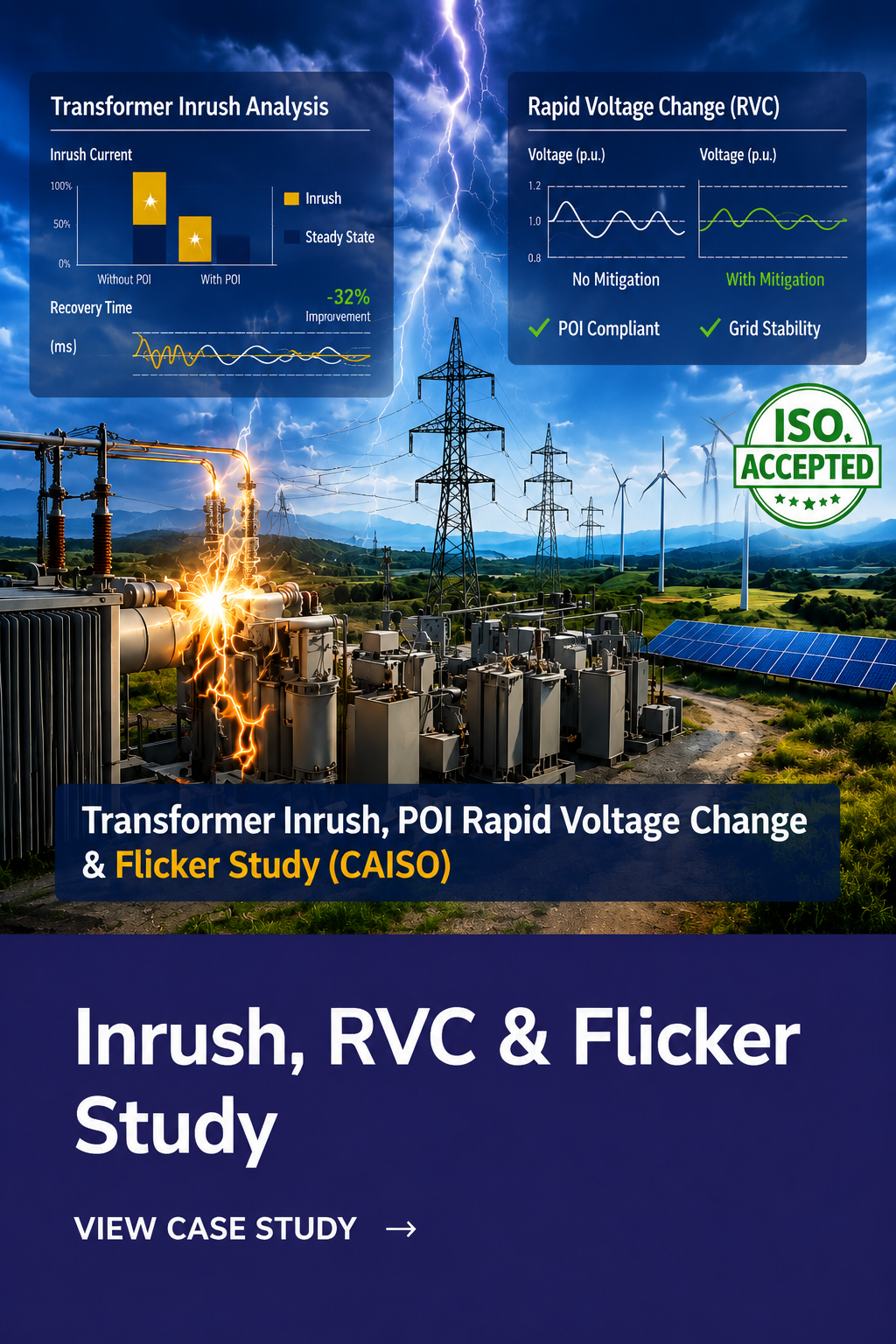
Transformer Inrush and Flicker Study
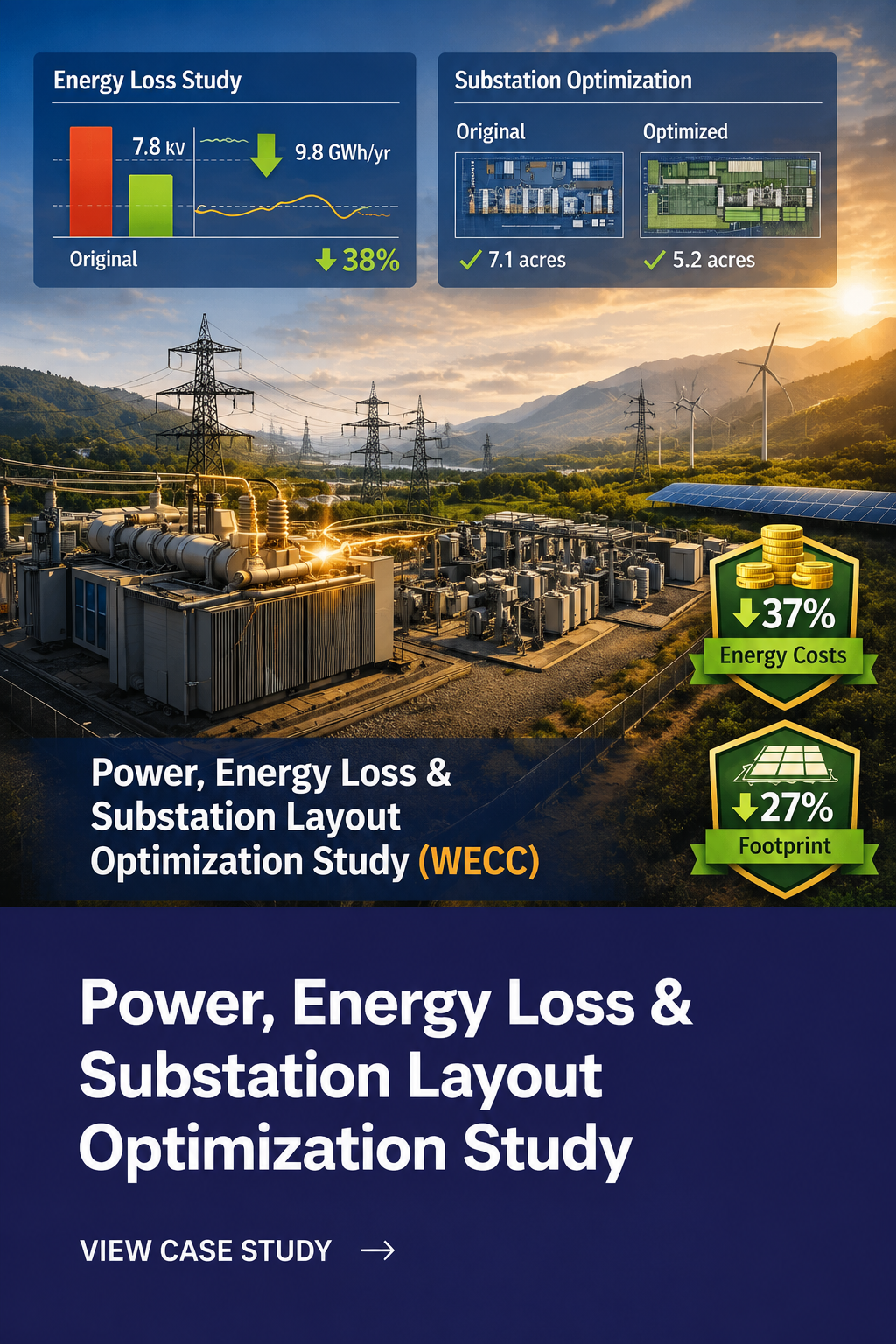
Power Energy Loss & Substation Layout Optimization
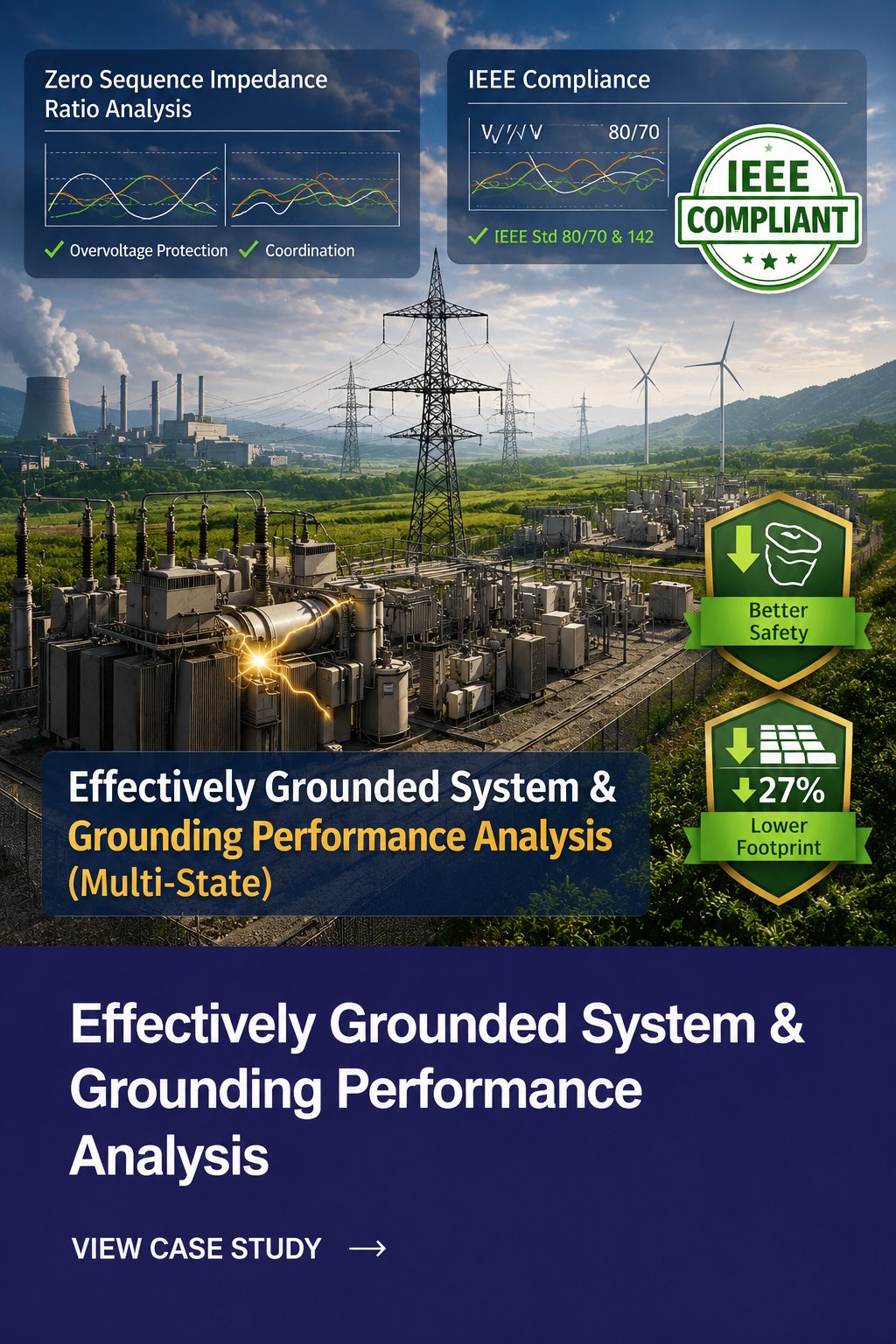
Effectively Grounded System Analysis
×

See All Case Studies

Our Services

Keentel Engineering supports complex power system, substation, interconnection, NERC compliance , and renewable energy projects.
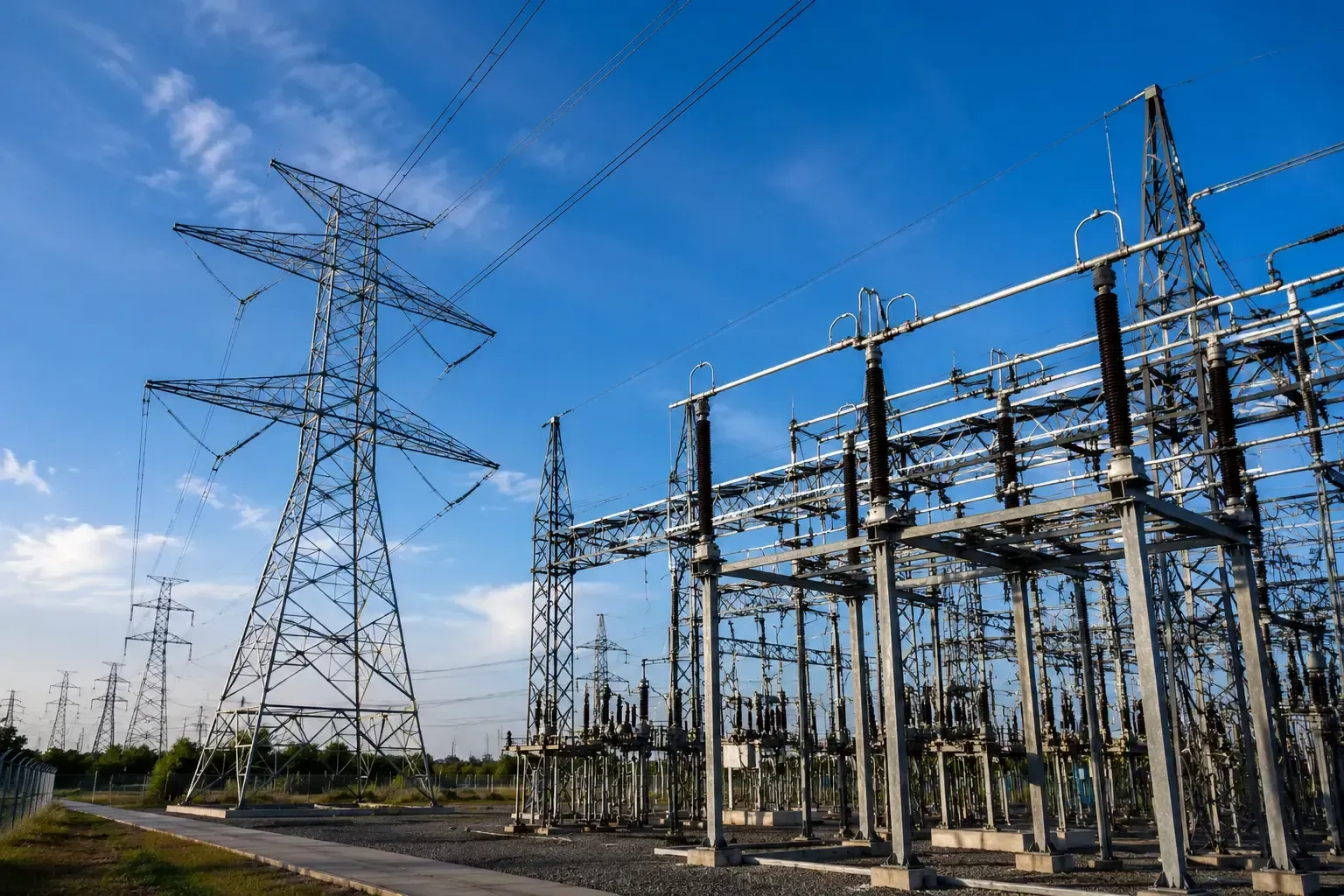
Power system studies and grid analysis
01
Power System Studies
Load flow analysis, short-circuit studies, harmonic analysis, stability studies, and transmission planning for reliable grid performance.
  • Load flow and contingency analysis
  • Dynamic stability and transient response
  • Harmonic distortion and power quality
  • Short-circuit and protection coordination
  • Weak grid and subsynchronous analysis
Substation design and electrical infrastructure
02
Substation Design
Electrical substation layouts, protection coordination, SCADA integration, equipment selection, and modernization support.
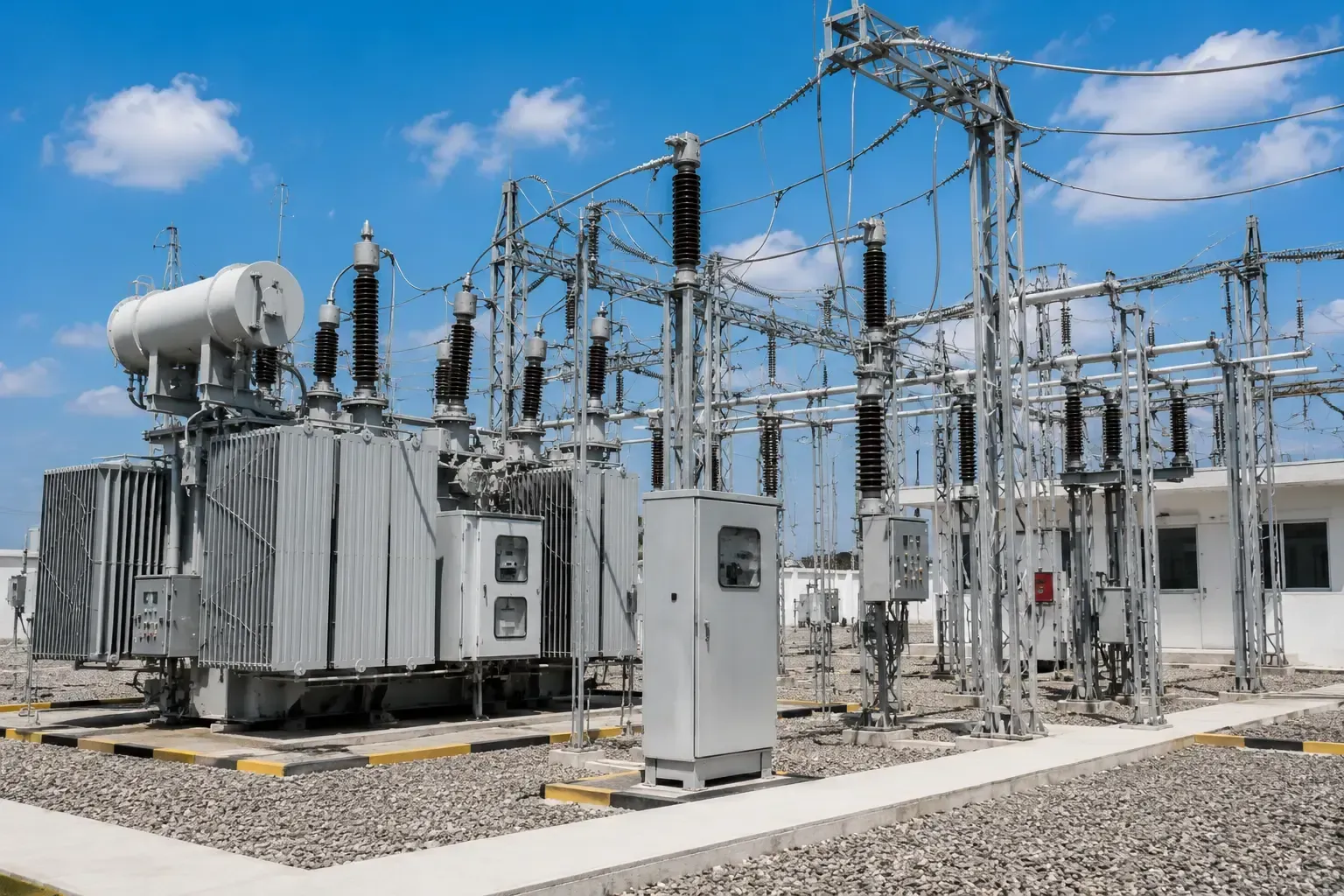
  • High-voltage substation design
  • Medium-voltage collector substations
  • Control systems and SCADA architecture
  • Relay protection and coordination
  • Cybersecurity and network hardening
Interconnection engineering and grid integration
03
Interconnection Engineering
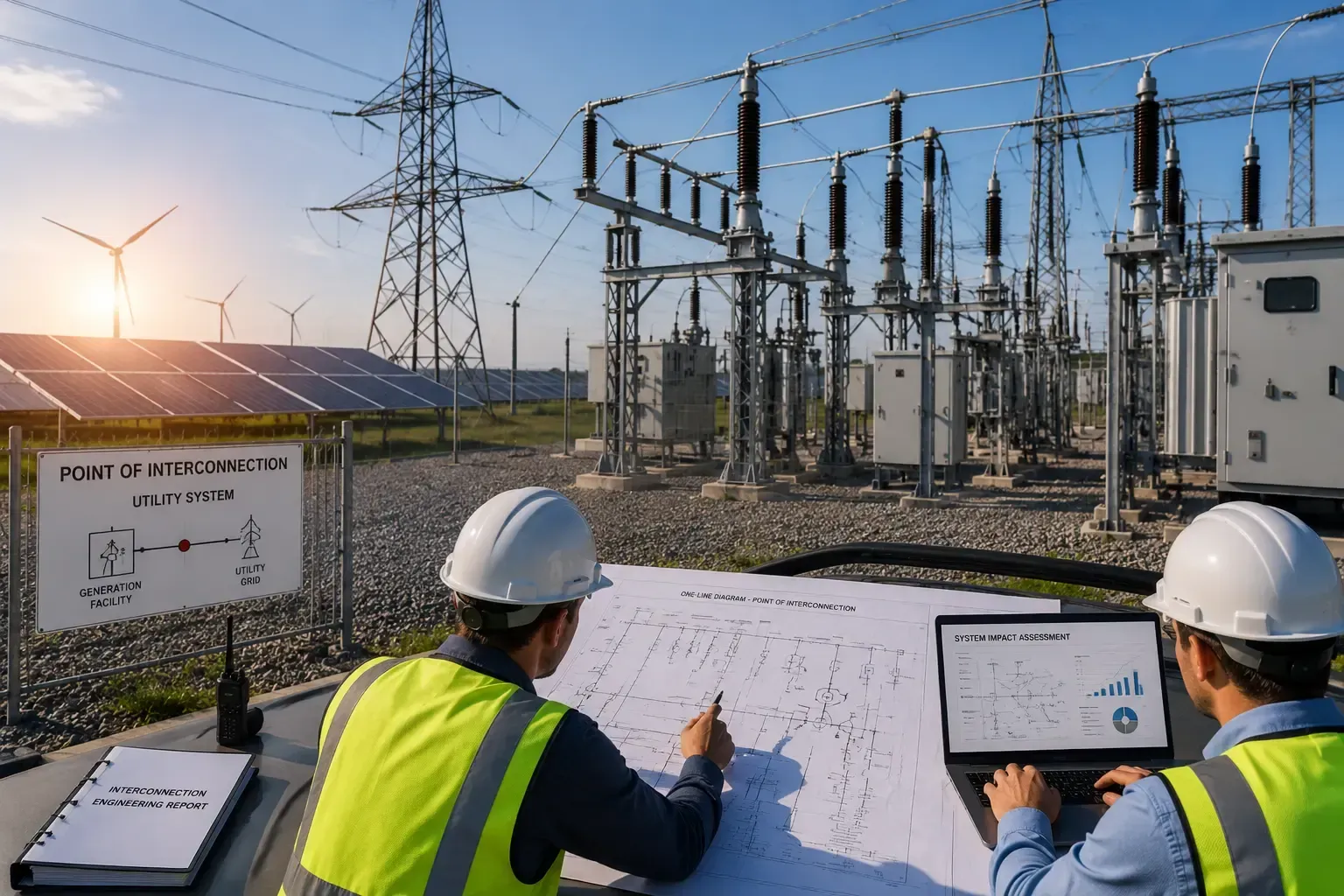
POI studies, grid integration, IEEE standards validation, facility studies, and transmission owner coordination.
  • POI interconnection studies
  • System impact assessments
  • Facility studies and reports
  • IEEE 2800 and IEEE 1547 support
  • NERC reliability validation
NERC compliance documentation and standards review
04
NERC Compliance & Standards
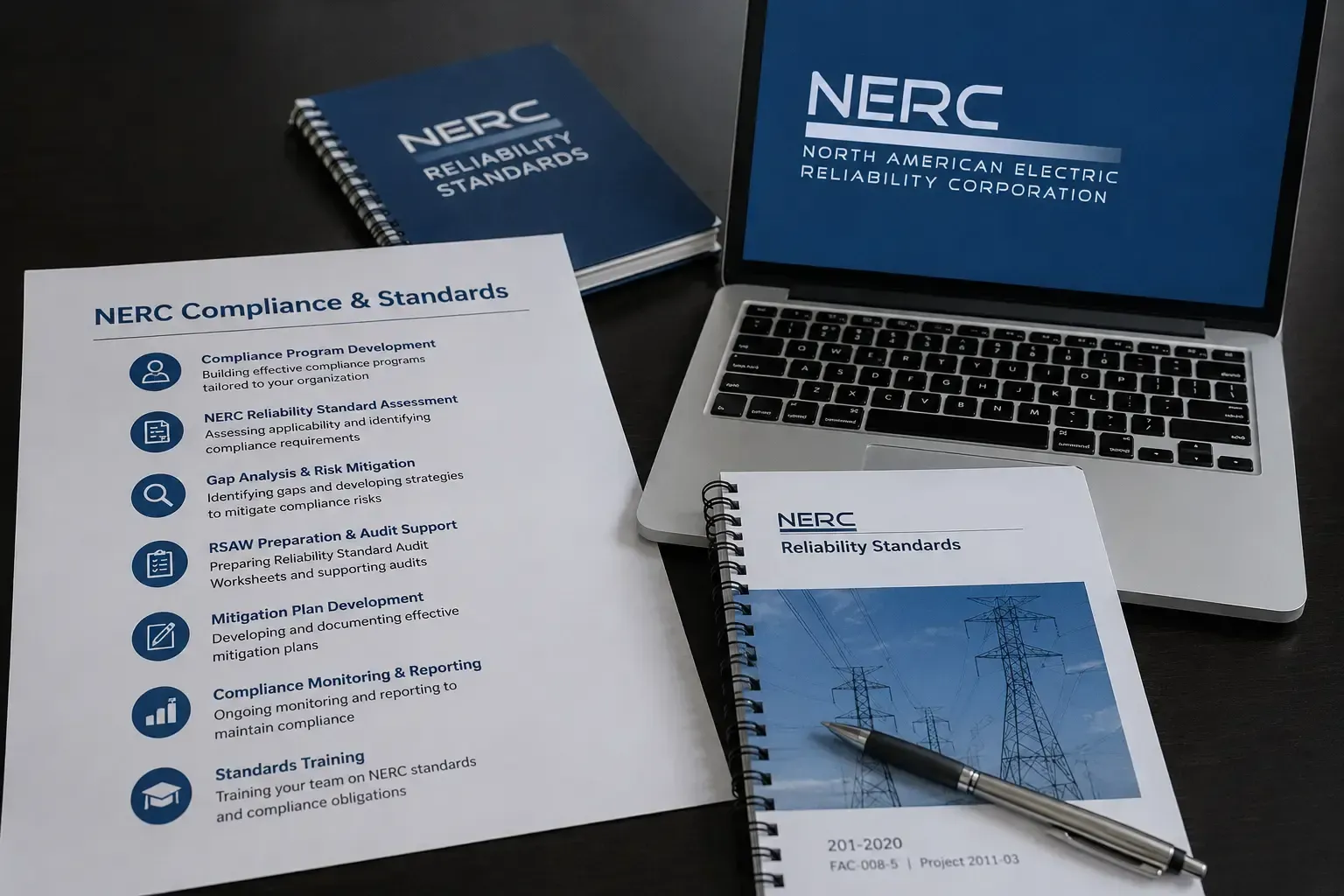
Compliance program development, gap analysis, audit support, standards documentation, and regulatory engineering support.
  • NERC reliability standard assessment
  • Compliance gap analysis
  • RSAW preparation support
  • Mitigation plan development
  • Compliance monitoring and reporting
Renewable energy engineering projects including solar wind and BESS
05
Renewable Energy Projects
Solar, wind, BESS, hybrid renewable projects, inverter-based resource modeling, and grid modernization support.
  • Utility-scale solar farm engineering
  • Wind farm interconnection support
  • Battery energy storage system studies
  • Hybrid renewable project integration
  • IBR modeling and DER integration

Industries We Support

Keentel Engineering delivers power system studies for complex electrical environments across multiple sectors:

Two technicians in hard hats inspect electrical panel, one using a laptop in a control room.

Utilities & Transmission Operators

Two technicians in hard hats inspect electrical panel, one using a laptop in a control room.

Renewable Energy Developers

Two technicians in hard hats inspect electrical panel, one using a laptop in a control room.

Industrial & Manufacturing Facilities

Two technicians in hard hats inspect electrical panel, one using a laptop in a control room.

Oil, Gas & Mining Operations

Two technicians in hard hats inspect electrical panel, one using a laptop in a control room.

Data Centers & Commercial Infrastructure

Why Choose  Keentel Engineering

Our team combines deep technical expertise, real project experience, and practical standards knowledge to deliver accurate studies, clear documentation, and engineering solutions that support approval, reliability, and long-term system performance.

Our engineers offer:

Person in crosshairs. Fo F

Expertise in HV, MV, and EHV power systems

Person icon with a badge of honor. Expe Exp E Ex

Advanced power system modeling capabilities

Black and white starburst icon with a star in the center. Qual Q

Experience with utility and ISO planning requirements

Magnifying glass with a diamond, circle, triangle, and hexagon.

Deep understanding of NERC reliability standards

A black shield icon with a white checkmark inside, representing security or verified status.

Practical engineering solutions for complex power system challenges

Let's Discuss How to Optimize Your Next Project

Submit

Technical FAQs

  • 1) What does POI interconnection engineering support include from start to finish?

    POI interconnection engineering covers the full technical path from project concept to energization at the Point of Interconnection. Keentel typically supports: feasibility review, utility/ISO technical coordination, POI substation concept and detailed design, protection and control philosophy, grounding, equipment specifications, study support (load flow, short-circuit, coordination, harmonics/power quality), construction drawing packages, commissioning support, and utility acceptance documentation. The goal is to ensure the facility can interconnect safely, meet grid code requirements, and pass utility witness testing without redesign.


  • 2) How does Keentel help reduce interconnection delays and study rework?

    Delays often come from missing data, unrealistic assumptions, or design/study misalignment. Keentel reduces rework by validating key inputs early (equipment ratings, transformer impedance, inverter/turbine controls, grounding parameters), aligning the protection philosophy with utility expectations, and confirming that study assumptions match the actual design. We also help clients respond to ISO/utility comments quickly with technically defensible revisions.


  • 3) What are the most common POI risks for solar, wind, and BESS projects?

    Common risks include insufficient short-circuit strength (weak grid), reactive power/voltage control gaps, harmonic or flicker violations, miscoordinated protection settings, transformer energization impacts, telecom/SCADA integration issues, and grounding noncompliance. Keentel addresses these through targeted studies, design improvements, and coordinated protection and control schemes.


  • 4) What drawings and deliverables are typically required at the POI?

    Deliverables often include the POI single line diagram, general arrangement/layout, grounding plan, conduit/cable schedules, AC/DC station service design, protection and control schematics, relay I/O and logic, metering schematics, telecom/SCADA architecture, equipment specifications, and commissioning test procedures. Keentel packages these in a utility-ready format and supports technical submittals.


  • 5) How does Keentel approach protection and control at the POI?

    Keentel starts with a protection philosophy aligned with system configuration and utility practices (line protection, bus protection, transformer protection, breaker failure, transfer trip, synch-check, interlocking). We then perform coordination studies, confirm CT/PT sizing, validate relay settings, and ensure schemes integrate correctly with SCADA and metering. The outcome is a reliable, selective protection system that avoids nuisance trips while meeting interconnection requirements.


  • 6) How do you support commissioning and energization readiness?

    Keentel supports commissioning by creating test plans, reviewing FAT/SAT procedures, verifying relay settings files, checking point-to-point wiring, validating SCADA signals, and supporting utility witness tests. We also help confirm energization sequence steps (transformer energization, breaker close interlocks, telecom readiness) and close out punch lists.


  • 7) What software platforms does Keentel use for interconnection engineering?

    Depending on ISO/utility preference and study type, Keentel uses tools such as ETAP (short-circuit, coordination, arc flash, harmonics), PSSE (transmission planning and dynamics), PSCAD (EMT/transients), and other industry-standard platforms. The selected toolchain is matched to the project’s requirements and acceptance criteria.


  • 8) What are typical project risks in substation construction and how do you mitigate them?

    Risks include scope creep, equipment lead times, layout clashes, grounding compliance issues, and late utility comments. Keentel mitigates these through early standards alignment, constructability reviews, coordinated 3D/2D layouts, clear specifications, and disciplined change management with owners and EPC teams.


  • 9) Which power system studies does Keentel perform?

    Keentel performs load flow, contingency, short-circuit/duty, protection coordination, arc-flash, harmonic/power quality, motor starting, voltage drop, transient stability (where applicable), and grounding studies. We tailor the study set to the system voltage class (EHV/HV/MV), facility type, and regulatory/utility requirements.


  • 10) Why are short-circuit studies critical for EHV/HV/MV systems?

    Short-circuit studies confirm equipment interrupting ratings and momentary withstand capabilities. They also define protective device settings, ensure breaker duty compliance, and reduce risk of catastrophic equipment failure. This is often required for utility approval and safe operation.


  • 11) What is the difference between coordination studies and arc-flash studies?

    Coordination studies ensure protective devices operate selectively and quickly for faults. Arc-flash studies estimate incident energy exposure and define PPE boundaries and labeling. Coordination impacts arc-flash values—so Keentel typically performs these as an integrated workflow to balance safety and selectivity.


  • 12) How does Keentel evaluate harmonics and power quality?

    We model harmonic sources (inverters, VFDs, large rectifiers), calculate distortion levels at key buses, and verify compliance with applicable limits (often IEEE 519 or utility requirements). If mitigation is needed, we evaluate filter options, transformer configurations, and system impedance changes.


  • 13) Can Keentel study weak grid and inverter-based resource interconnections?

    Yes. Weak grid conditions affect voltage stability, fault response, and protection performance. Keentel evaluates short-circuit ratio, reactive margin, voltage regulation, and control interactions to recommend mitigation such as STATCOMs, synchronous condensers, or tuned control strategies.


  • 14) What data does Keentel need to begin a study?

    Typically: one-lines, equipment ratings, transformer impedances and tap settings, cable/conductor data, protective device details, load profiles, generator/inverter parameters, and utility source equivalents. Keentel can also work with partial data early and refine models as detailed design progresses.


  • 15) How do you ensure study results are defensible for utility/ISO review?

    Keentel documents assumptions, model sources, and validation checks. We provide clear base case descriptions, sensitivity runs, and traceable references to equipment data sheets. Deliverables are formatted to match common utility and ISO expectations to reduce review cycles.


  • 16) How are study results converted into actionable design changes?

    We translate results into specific design actions: breaker upgrades, relay setting updates, CT/PT changes, cable sizing adjustments, reactive compensation sizing, filter selection, or layout modifications. The value is not just the report—it’s the engineering decisions supported by the analysis.


  • 17) What does Keentel do as Owner’s Engineer?

    Keentel represents the owner’s technical interests by reviewing EPC design deliverables, validating study assumptions, ensuring requirements compliance, supporting procurement evaluations, and verifying construction/commissioning quality. We act as the independent technical authority that protects the owner from hidden design and execution risks.


  • 18) When should an Owner’s Engineer be engaged?

    Ideally at project initiation—before major procurement and before interconnection milestones. Early involvement helps set technical requirements, prevent misaligned designs, and reduce change orders later in the project.


  • 19) What EPC deliverables does Keentel typically review?

    We review basis of design, SLDs, layouts, grounding, P&C drawings, equipment specifications, telecom/SCADA architecture, system studies, commissioning procedures, and as-built packages. Reviews focus on compliance, constructability, maintainability, and long-term reliability.


  • 20) How does Keentel reduce owner cost exposure?

    We catch design gaps early (before procurement), prevent scope drift, reduce rework, and minimize change orders by ensuring requirements are clear and met. We also support technical bid evaluations to ensure owners buy the right equipment—not just the lowest price.


  • 21) How do you support schedules and milestones?

    Keentel tracks technical dependencies that often impact schedule: utility submittals, study approvals, equipment lead times, commissioning readiness, and cutover sequencing. We align technical deliverables with critical path milestones.


  • 22) Do you support construction and commissioning?

    Yes. We provide field engineering support, witness testing, review test results, validate relay settings, support energization readiness, and manage punch list closure from an owner’s perspective.


  • 23) How do you manage interfaces among owner, EPC, utility, and OEMs?

    We lead technical coordination meetings, manage comment resolution logs, track decisions, and document action items. This prevents miscommunication and ensures consistent technical direction across all stakeholders.


  • 24) What makes Keentel a strong Owner’s Engineer partner?

    Keentel combines substation design, protection and control, studies, and compliance knowledge—allowing us to review EPC deliverables with depth and anticipate utility/ISO expectations. That translates into fewer surprises, faster approvals, and stronger project outcomes.


 Blogs

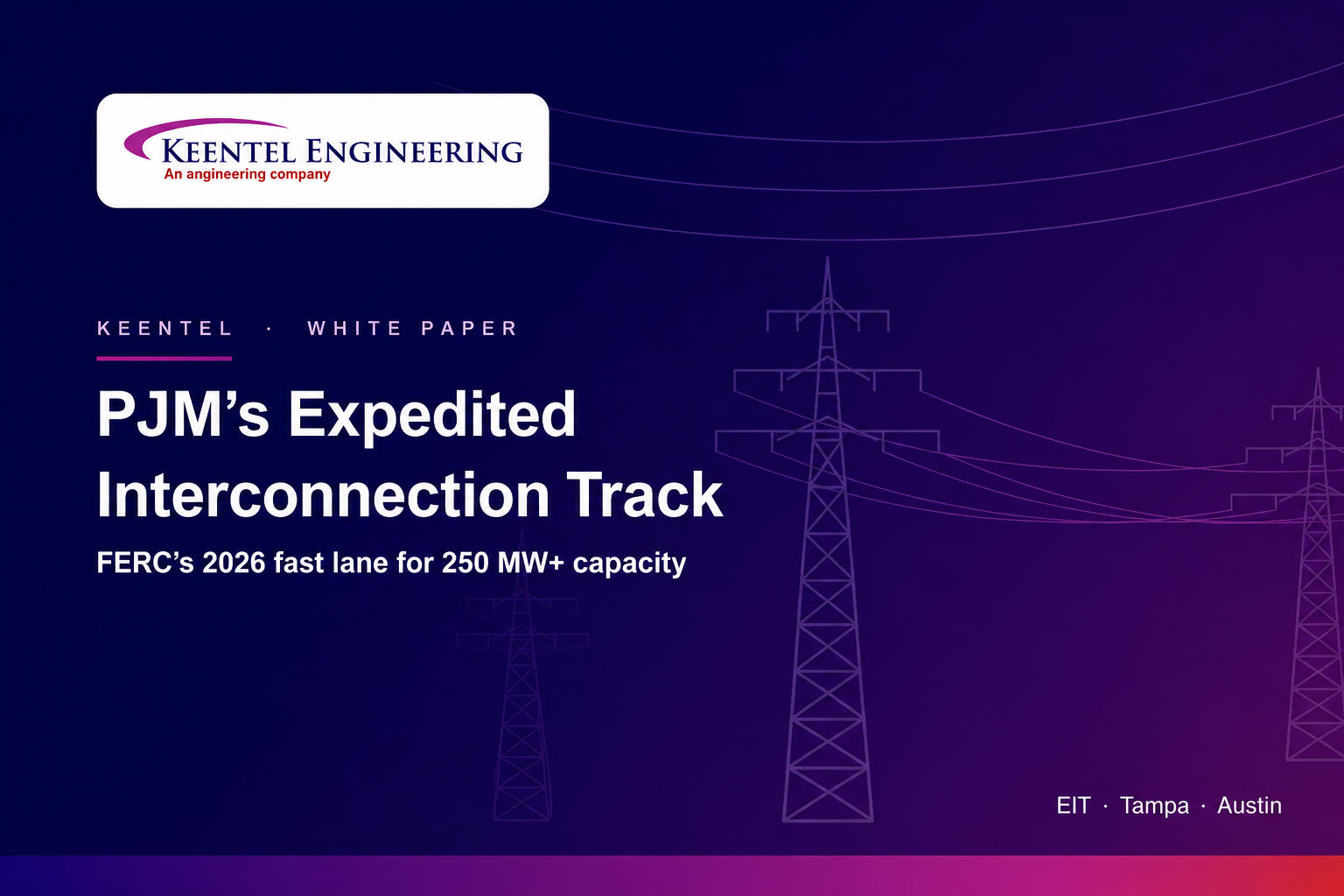
PJM's Expedited Interconnection Track (EIT) — What 250 MW+ Developers Must Know
By SANDIP R PATEL June 21, 2026
FERC accepted PJM's Expedited Interconnection Track on June 9, 2026. Learn the eligibility rules, financial requirements, state siting commitment, and engineering checklist for the 10-month fast lane to a signed GIA.
Grid interconnection feasibility and transmission planning
By SANDIP R PATEL June 21, 2026
Estimate interconnection costs before entering the queue. Learn how network upgrade costs, POI costs, and feasibility studies impact project success.
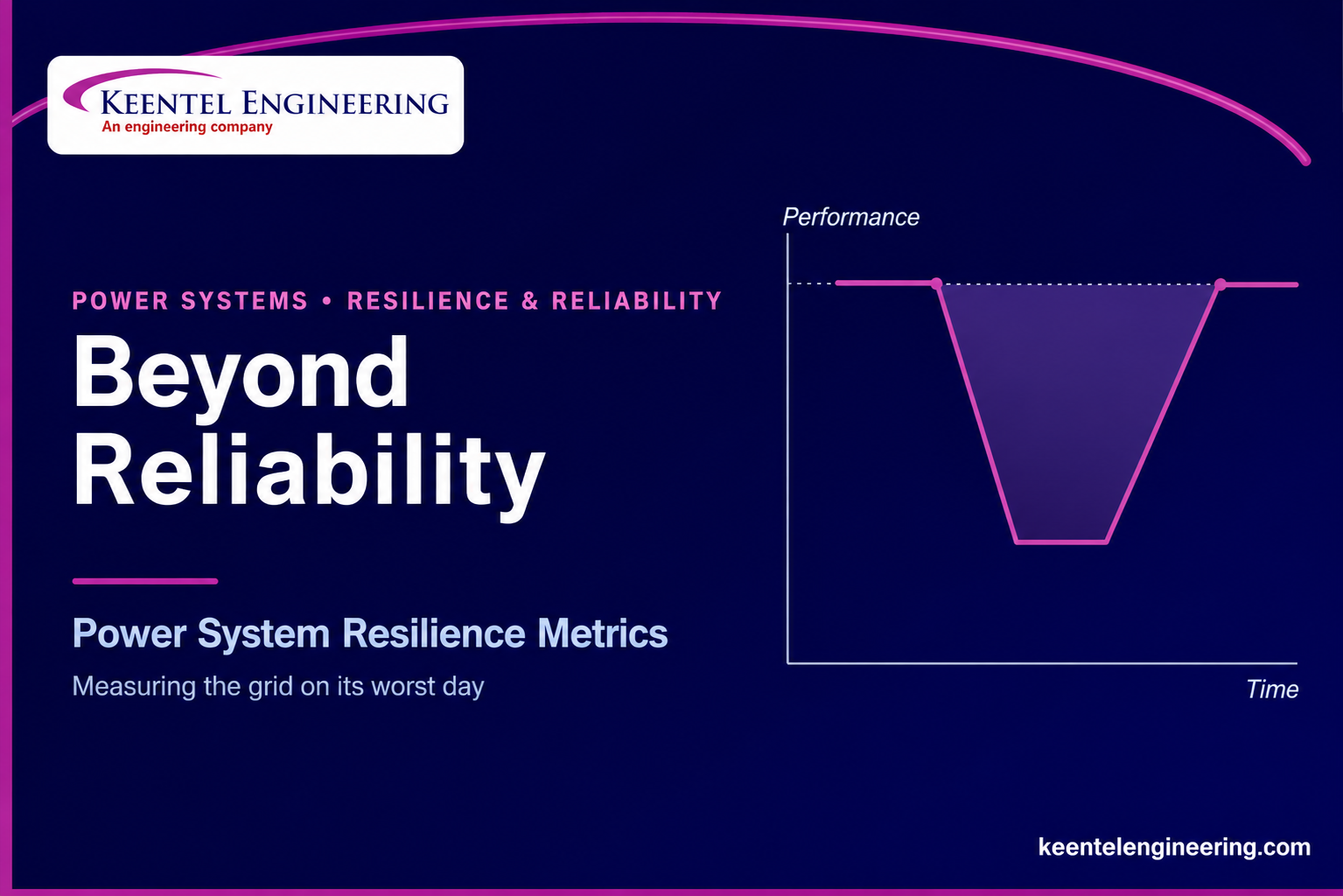
Power system resilience performance metrics
By SANDIP R PATEL June 20, 2026
Learn how power system resilience metrics measure grid performance during extreme events. Discover resilience assessment methods and practical applications.
Synchronous condenser protection and control diagram
By SANDIP R PATEL June 20, 2026
Learn synchronous condenser protection, loss of field settings, NERC PRC compliance, and protection philosophy. Discover expert engineering guidance.
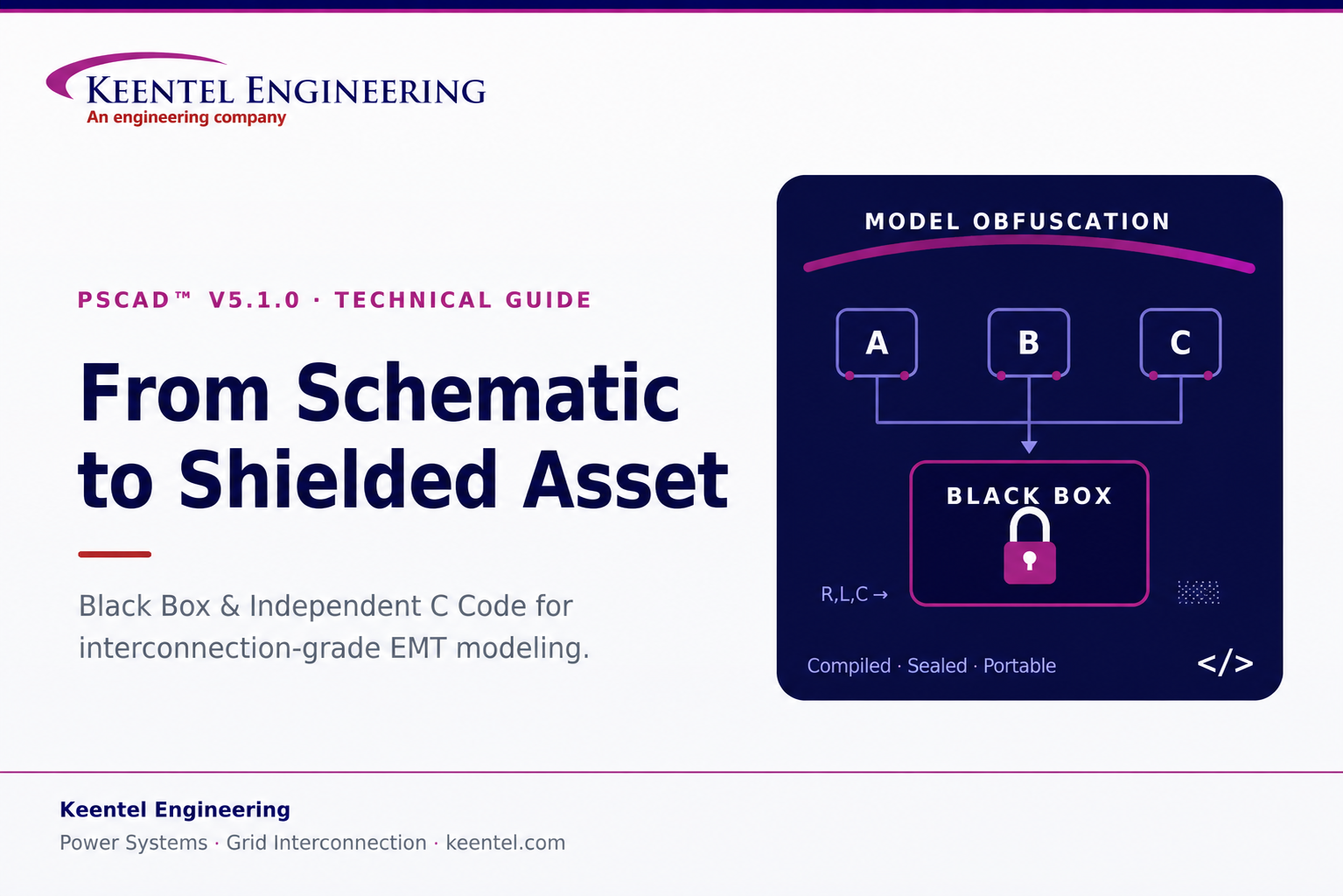
PSCAD black-box EMT model development workflow
By SANDIP R PATEL June 20, 2026
Learn how PSCAD Black Box and Independent C Code protect EMT models, secure control IP, and support interconnection-grade studies. Discover more.
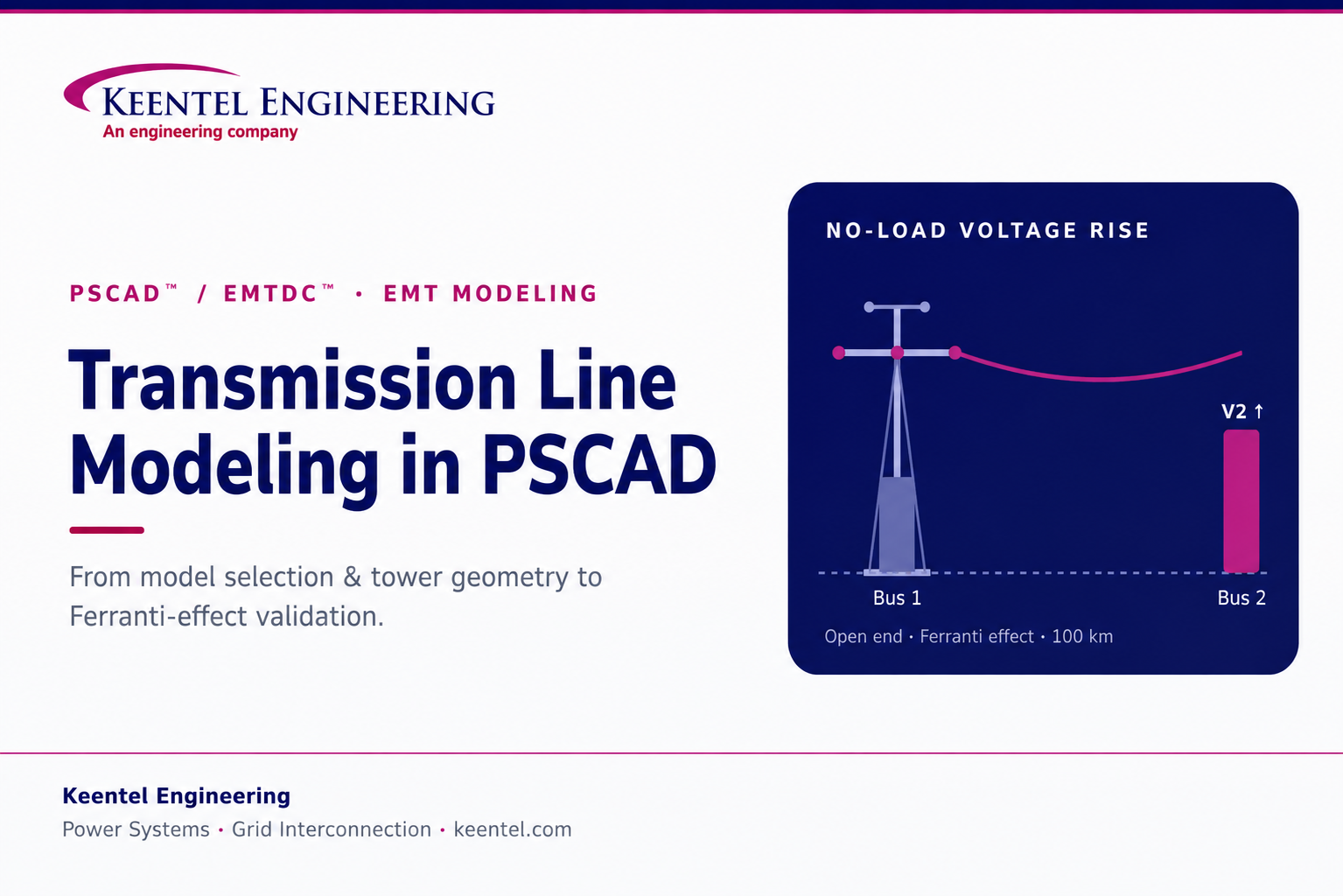
PSCAD transmission line modeling diagram
By SANDIP R PATEL June 20, 2026
Learn transmission line modeling in PSCAD, compare Bergeron and frequency-dependent models, validate the Ferranti effect, and improve EMT studies.
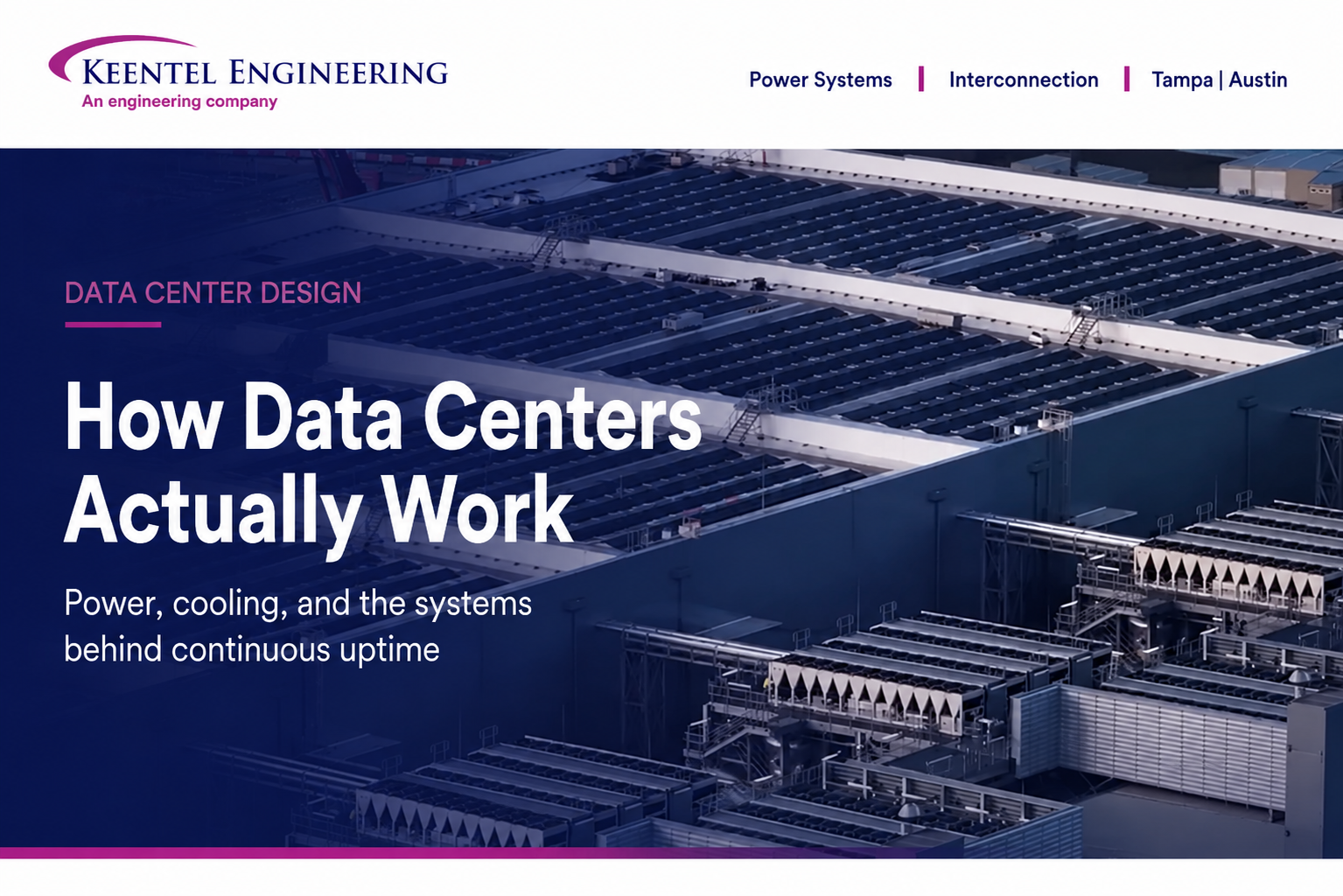
Data center power and cooling infrastructure
By SANDIP R PATEL June 18, 2026
Learn how data centers work, from electrical systems and cooling infrastructure to redundancy, uptime, and grid interconnection planning.
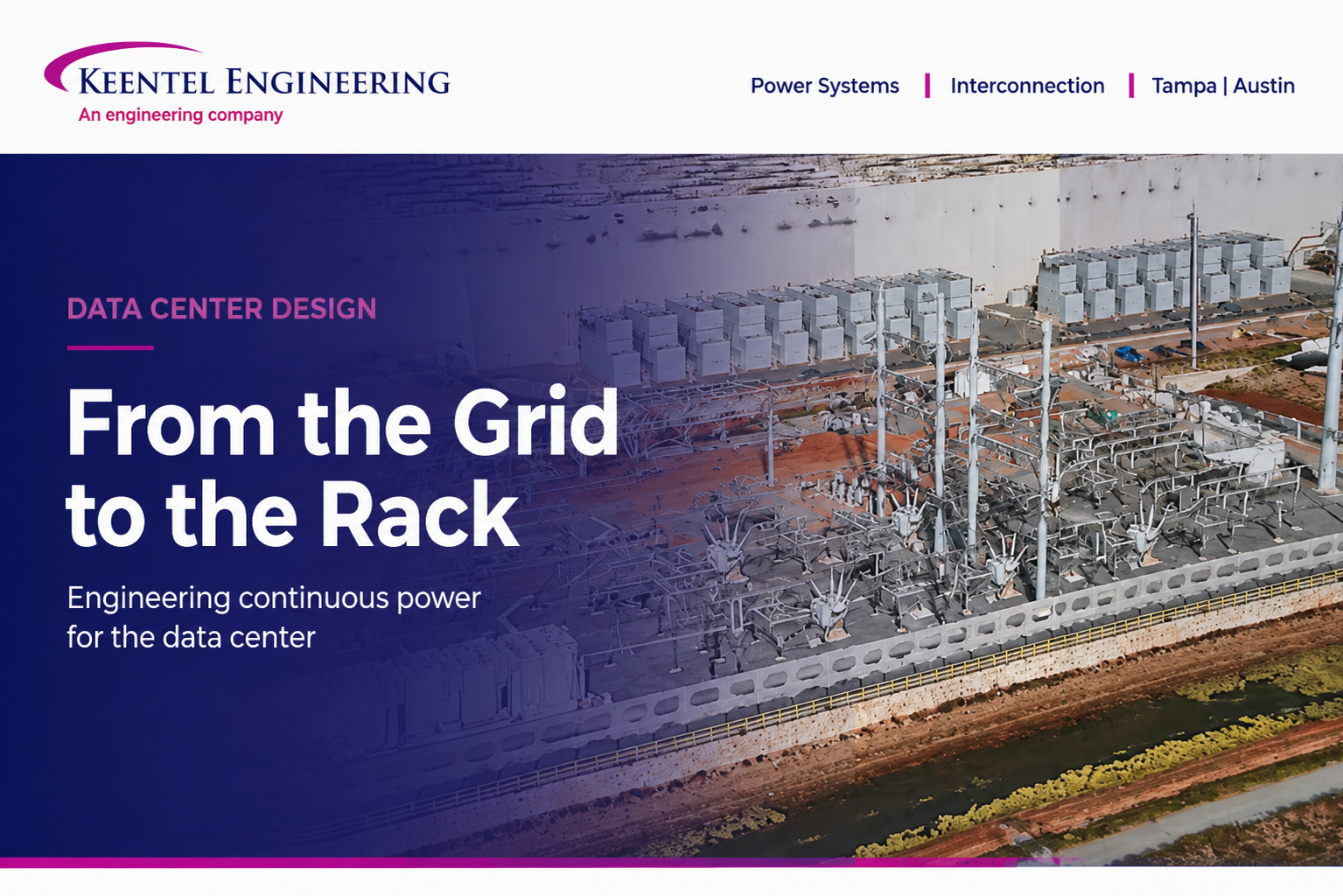
Data center substation and power infrastructure
By SANDIP R PATEL June 18, 2026
Learn how data center electrical design, UPS systems, redundancy architecture, and interconnection planning ensure reliable power delivery.
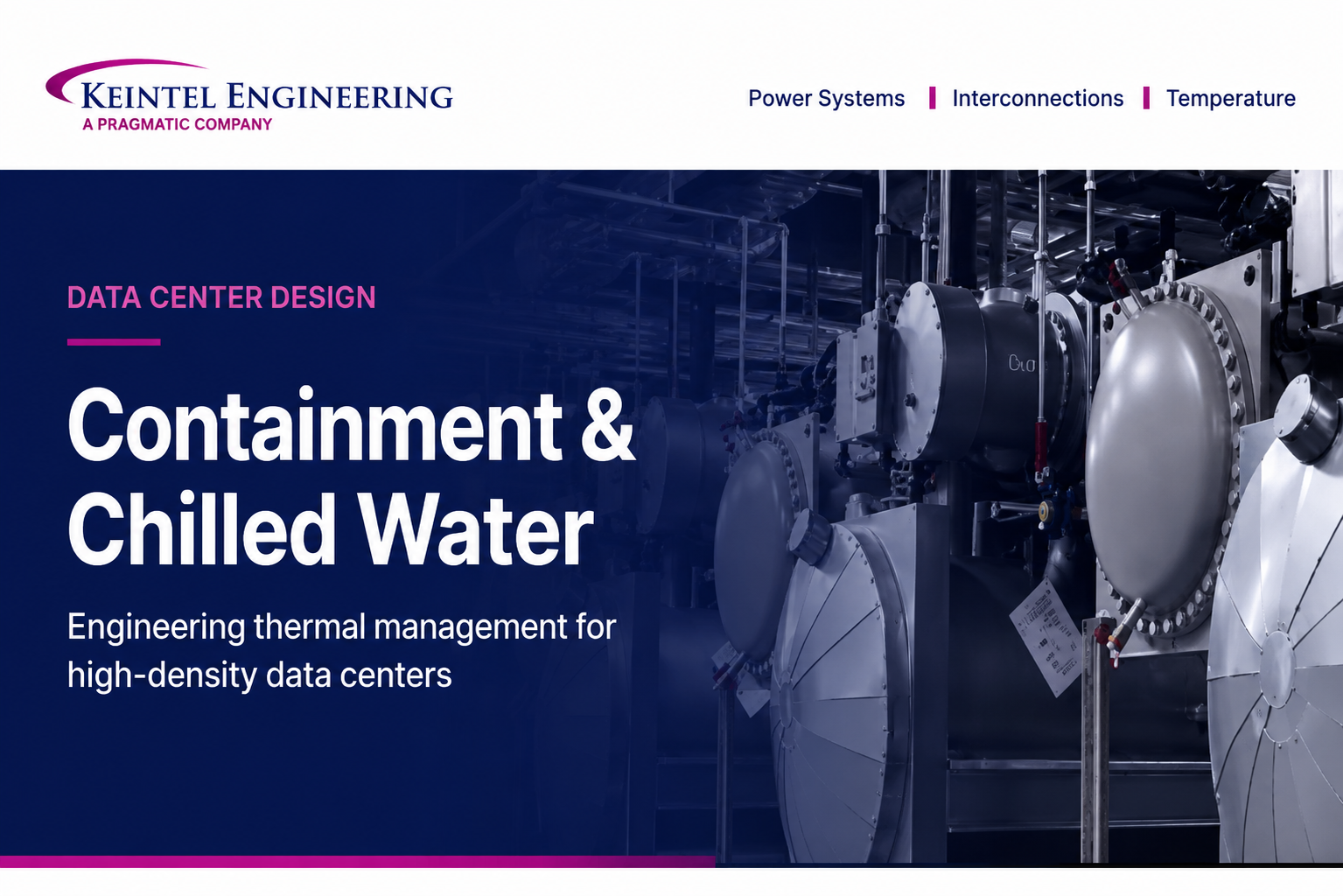
Industrial chilled water system supporting thermal management in a high-density data center
By SANDIP R PATEL June 18, 2026
Learn how data center cooling design, hot aisle containment, and chilled water systems improve efficiency, reliability, and power planning. Discover more.
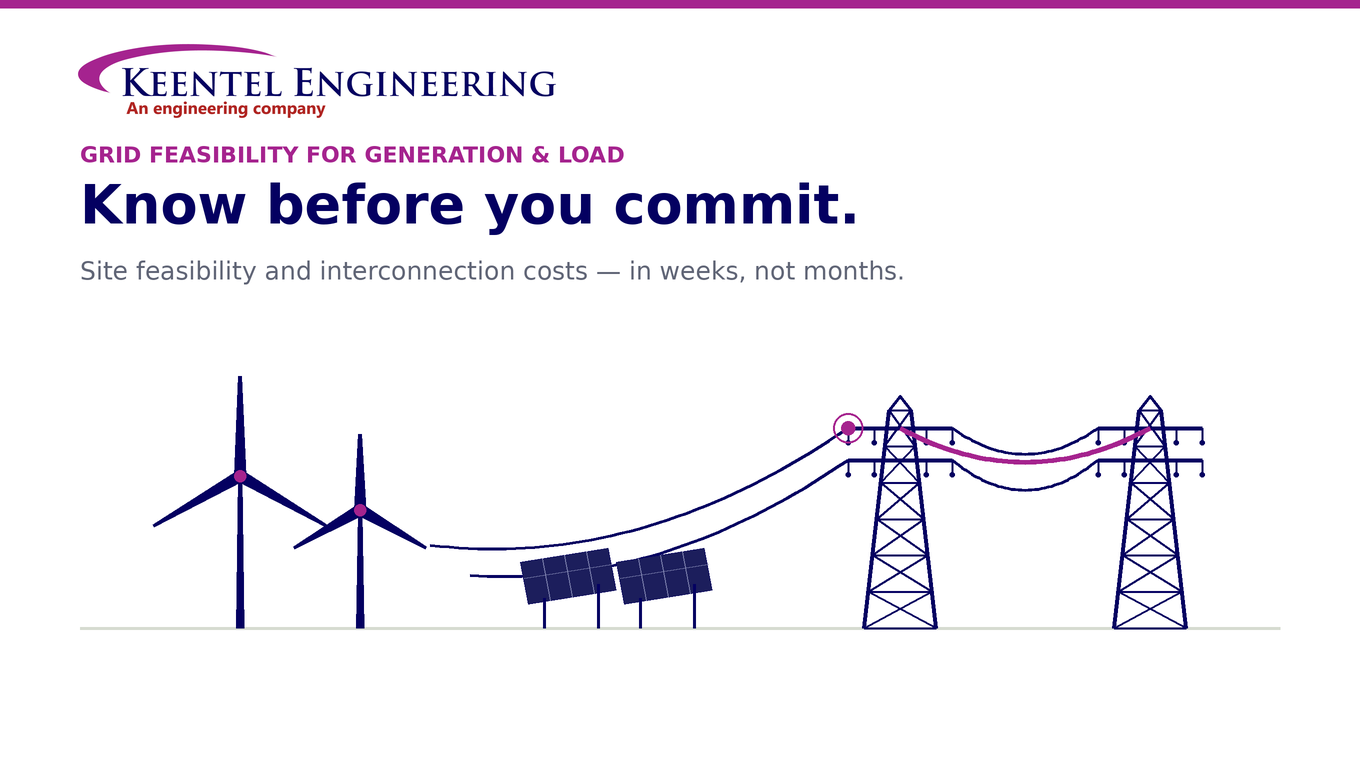
Keentel Engineering grid feasibility study for generation and load projects.
By SANDIP R PATEL June 17, 2026
Power siting feasibility study, interconnection cost analysis, and grid capacity assessment. Discover site viability before investing. Learn more.

Connecting to the Grid Under IEEE 2800 | Keentel Engineering
By SANDIP R PATEL June 15, 2026
A practical engineering guide to IEEE 2800 compliance for inverter-based resources, including ride-through, EMT modeling, reactive power, protection coordination, and utility-scale interconnection requirements.
KEENTEL Engineering white paper cover on data center site viability.
By SANDIP R PATEL June 15, 2026
Explore data center site viability, grid interconnection risks, and power-water constraints. Learn engineering factors before site commitment.
Keentel Engineering white paper cover for transmission interconnection study services
By SANDIP R PATEL June 11, 2026
Learn how generation injection, large load interconnection studies, and transmission interconnection services help secure the best POI and streamline approvals.