A Coordinated Electric System Interconnection Review—the utility’s deep-dive on technical and cost impacts of your project.
Load Flow Analysis and Studies in Electrical Power Systems
August 1, 2023 | Blog

Introduction to Load Flow Analysis
Load flow analysis engineering is a foundational aspect of electrical power system studies, enabling power engineers to evaluate how electricity is distributed across transmission and distribution networks. These studies are necessary for both planning and real-time operations. They assess voltage levels, real and reactive power flow, system losses, and component performance. Whether for HV or MV systems, accurate power load flow analysis plays a pivotal role in ensuring a stable and reliable grid.
In practical applications, load flow analysis services are used to evaluate both transmission and distribution system behavior under steady-state operating conditions. These studies form the basis for HV load flow studies, MV load flow analysis, and electric transmission load flow studies, allowing engineers to validate system adequacy before construction, expansion, or utility interconnection. Accurate power system load flow analysis also supports regulatory compliance, equipment coordination, and long-term operational planning.
Load flow analysis and studies in electrical power systems are essential for ensuring safe operation, system reliability, and efficient power distribution across HV and MV networks.
How Load Flow Studies Improve System Performance
HV and MV load flow studies help engineers evaluate system performance across different voltage levels, ensuring proper coordination and reliable operation.
Voltage Regulation
Proper voltage regulation is critical for compliance with ANSI/IEC load flow standards, especially in high-voltage systems. Load flow studies help identify deviations from allowable voltage ranges across buses, transformers, and feeder lines under varying load conditions. These calculations consider voltage angles, phase imbalance, and the interaction between loads and generators.
System Stability & Reactive Power Control
When managing grid operations under contingency conditions or sudden load fluctuations, load flow analysis in power systems assists in controlling reactive power and enhancing system stability. Advanced simulation tools allow engineers to visualize power flow analysis across nodes and apply corrective actions.
Equipment Sizing & Load Planning
Load flow studies guide transformer sizing, breaker selection, and feeder design based on load flow data requirements. This ensures correct equipment ratings, avoids overloading, and minimizes technical losses.
Clearly defined power flow study requirements are essential to produce accurate and defensible results. Typical load flow data requirements include network topology, conductor and transformer parameters, protection device settings, generation models, and load profiles. For HV and MV systems, this information is often supplemented with utility-specific modeling guidelines and operating criteria. Incomplete or outdated data can significantly impact the accuracy of load flow analysis and downstream system studies.
Strategic Capacity Planning
By evaluating historical and projected demand, engineers can perform load studies that support infrastructure scaling. Whether integrating renewables, microgrids, or expanding capacity, load flow study services provide the foresight needed for optimal power flow planning.
Need reliable power flow simulations with IEEE standard compliance?
Call 813-609-0707 or contact our engineering team to book a professional load flow study.
Electric transmission load flow studies are critical for assessing power transfer capability, system constraints, and grid expansion planning.
Advanced Parameters in Load Flow Engineering
- Bus Voltage & Voltage Angles:
Essential for assessing voltage stability at every node. Critical in HV load flow studies.
- Real and Reactive Power Flow: Ensures active/reactive power balance for steady-state operation.
- Transformer Tap Settings: Used to maintain voltage within operating margins.
- Power Flow Equations:
Solved using non-linear techniques to simulate electrical behavior and estimate phase angle shifts.
- Loss Calculations:
Help identify inefficiencies and support conductor and component optimization.
- Steady-State Scenario Planning: Simulations to handle contingency and fault conditions.
AC load flow analysis is widely used for detailed steady-state evaluation of voltage magnitude, phase angles, and reactive power behavior across power systems. In contrast, DC load flow analysis provides a simplified approximation focused on active power flow and is commonly applied in transmission planning and contingency screening studies. Selecting the appropriate method depends on system complexity, study objectives, and regulatory requirements.
Load flow engineering provides a structured approach to analyze power flow behavior, supporting both planning studies and operational decision-making.
Load flow analysis of distribution systems plays a critical role in evaluating feeder loading, voltage drop, and power quality impacts, particularly as distributed energy resources are integrated. Additionally, power flow studies for interconnection are a fundamental requirement for renewable generation, BESS projects, and large industrial loads seeking utility approval. These studies are often coordinated with load flow and short circuit studies to ensure system reliability under both normal and contingency conditions.
Conclusion
Load flow analysis is essential for maintaining safe, efficient, and standards-compliant electrical systems. At Keentel Engineering, we specialize in conducting
power flow analysis and system modeling that complies with IEEE 3002.2-2018, ANSI, and IEC load flow compliance standards. From HV transmission systems to MV distribution networks, we ensure your power grid remains reliable and future-ready from load and generator balancing to full-scale system studies.
Why Choose Keentel Engineering for Load Flow Studies?
- 30+ Years in power systems engineering and compliance
- Proficiency in load flow deliverables for utility, commercial, and industrial clients
- Detailed analysis using ETAP, PSSE, and Power World simulation platforms
- Integration of load flow with arc flash, short circuit, and protection studies
- Compliance support for NERC, FERC, and utility approvals
FAQs: HV & MV Load Flow Studies
Keentel Engineering – Power System Analysis & Compliance Experts
Q1: What is a Load Flow Study in electrical power systems?
It’s an engineering assessment of voltage, current, and power distribution under normal conditions—used to evaluate performance and plan for future demand.
Q2: Why are Load Flow Studies important for HV and MV systems?
They ensure safe voltage regulation, equipment optimization, and renewable integration across high-voltage transmission lines.
Q3: What software does Keentel Engineering use for Load Flow Studies?
Single Line Diagrams, transformer specs, impedance data, loads (kW/kVAR), generation profiles, and switching scenarios.
Q4: What information is needed to perform a Load Flow Study?
Voltage profiles, line losses, transformer tap settings, and simulation-based load flow deliverables.
Q5: What are the typical deliverables of a Load Flow Study?
Voltage profiles, line losses, transformer tap settings, and simulation-based load flow deliverables.
Q6: How often should Load Flow Studies be updated?
At least every 3–5 years or after any major system change.
Q7: Does Keentel Engineering offer Load Flow Studies for renewable interconnections?
Yes. Our team has extensive experience performing Load Flow Studies for solar, wind, and battery energy storage systems (BESS) at both MV and HV interconnection levels. We ensure full compliance with utility and ISO interconnection requirements.
Q8: Are Load Flow Studies required for permitting or utility approvals?
Yes. Load flow analysis in power system planning is often mandatory for grid impact assessments.
Q9: Can Keentel integrate Load Flow Studies with other system studies?
Yes, we provide bundled packages including short circuit, arc flash, and protection coordination studies.
Q10: What are load flow studies in power systems?
Load flow studies are used to calculate how electricity flows through a power network under normal conditions. They help determine the voltage, current, and power at each point in the system and are used to assess performance, identify risks, and guide system planning.
Q11: What is an electrical load study?
An electrical load study measures how much power is being used by different parts of an electrical system. It helps ensure that equipment like panels, transformers, and cables are not overloaded and that the load is evenly distributed.
Q12: What is the IEEE standard for load flow studies?
The IEEE 3002.2-2018 standard provides best practices for conducting load flow analysis in commercial and industrial systems. It covers power flow, voltage levels, power losses, and safe equipment loading.
Q13: What are the benefits of a load flow study?
Load flow studies identify voltage drops, overloaded equipment, and unbalanced phases. They also help improve power quality, plan for system expansion, and avoid outages.
Q14: What is the goal of load flow analysis?
The main goal is to determine if your system is operating correctly and to identify areas that may become overloaded or unstable in the future.
Q15: What are the three types of buses in power systems?
Power systems use three main types of buses:
- PQ Bus (Load Bus): where real and reactive power are specified.
- PV Bus (Generator Bus): where real power and voltage are specified.
- Slack Bus: used to balance total system power by adjusting voltage angle and magnitude.
Q16: What is the purpose of a power flow study?
The purpose is to calculate voltage magnitude and angle at each bus. This helps ensure generators and loads are operating within design limits and allows engineers to simulate different load scenarios.
Q17: What is the difference between AC and DC load flow?
AC load flow considers both voltage magnitude and angle, including reactive power, while DC load flow is a simplified version that assumes constant voltage and ignores reactive power. AC analysis is more accurate and commonly used in real-world systems.
Q18: Are renewable interconnections covered?
Absolutely. We specialize in load flow for renewable interconnection, including solar and battery storage.

About the Author:
Sandip "Sonny" R. Patel, P.E.
IEEE Senior Member · Founder & CEO, Keentel Engineering
In 1995, Sonny Patel earned his Electrical Engineering degree from the University of Illinois. But degrees don't build legacies — action does.
For three decades, he has worked the power industry from every side of the table: 16 years as a utility engineer at Exelon/Commonwealth Edison; generation leadership across hydroelectric, industrial steam turbine, and a 9 GW renewable fleet; NERC Regional Entity Senior Compliance Engineer and Audit Team Lead, auditing some of the nation's largest utilities; and testing and commissioning lead on equipment up to 765 kV — the very top of the North American grid.Utility. Generator. Regulator. Consultant. Few engineers have seen all four seats. Fewer still have sat in them.
His experience spans nuclear, hydro, conventional generation, renewables, oil and gas, mining — and today's data centers, where he is authoring a three-book series on data center design. He is a Licensed Professional Engineer in six states and a Licensed Electrical Contractor in Florida (Unlimited EC) — he doesn't just design the work; he's qualified to stand behind its execution.Today, as Founder and CEO of Keentel Engineering, Sonny leads a nationwide team of engineers delivering substation design, power system studies, NERC compliance, and commissioning — done right, coast to coast.Three decades. Every side of the table. One standard: accountable engineering.
Services

Let's Discuss Your Project
Let's book a call to discuss your electrical engineering project that we can help you with.
About the Author:
Sandip "Sonny" R. Patel, P.E.
IEEE Senior Member · Founder & CEO, Keentel Engineering
In 1995, Sonny Patel earned his Electrical Engineering degree from the University of Illinois. But degrees don't build legacies — action does.
For three decades, he has worked the power industry from every side of the table: 16 years as a utility engineer at Exelon/Commonwealth Edison; generation leadership across hydroelectric, industrial steam turbine, and a 9 GW renewable fleet; NERC Regional Entity Senior Compliance Engineer and Audit Team Lead, auditing some of the nation's largest utilities; and testing and commissioning lead on equipment up to 765 kV — the very top of the North American grid.
Utility. Generator. Regulator. Consultant. Few engineers have seen all four seats. Fewer still have sat in them.
His experience spans nuclear, hydro, conventional generation, renewables, oil and gas, mining — and today's data centers, where he is authoring a three-book series on data center design. He is a Licensed Professional Engineer in six states and a Licensed Electrical Contractor in Florida (Unlimited EC) — he doesn't just design the work; he's qualified to stand behind its execution.
Today, as Founder and CEO of Keentel Engineering, Sonny leads a nationwide team of engineers delivering substation design, power system studies, NERC compliance, and commissioning — done right, coast to coast.Three decades. Every side of the table. One standard: accountable engineering.
Leave a Comment
Thank you for contacting us.
We will get back to you as soon as possible.
We will get back to you as soon as possible.
Oops, there was an error sending your message.
Please try again later.
Please try again later.
Related Posts
By SANDIP R PATEL
•
September 30, 2026
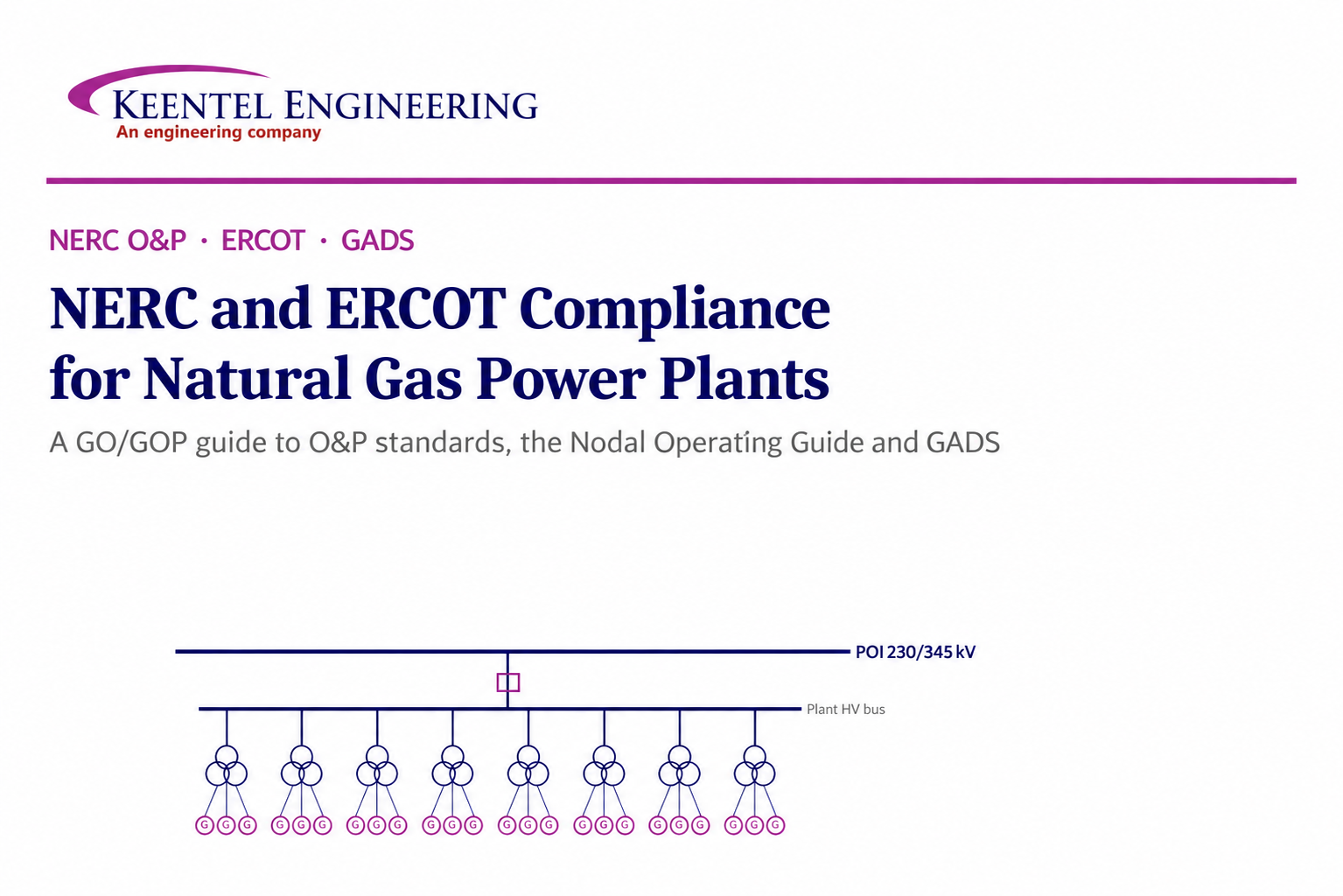
Learn NERC and ERCOT compliance requirements for natural gas power plants, including GO/GOP obligations, O&P standards, GADS reporting, and audits.
By SANDIP R PATEL
•
September 26, 2026
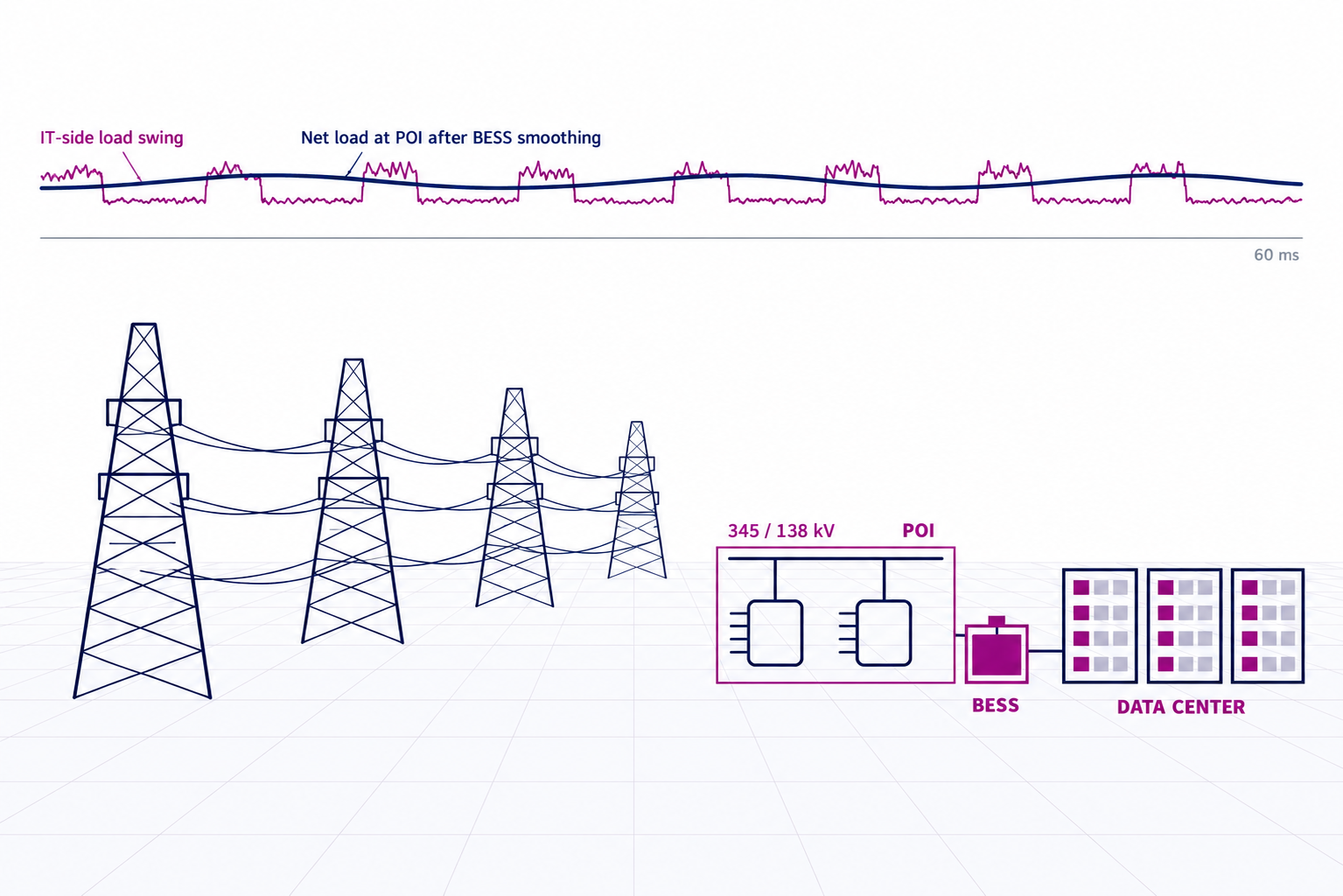
Learn how to prepare a MISO large-load interconnection package, including PSS®E models, BESS smoothing, harmonic data and transmission-owner requirements.
By SANDIP R PATEL
•
September 26, 2026
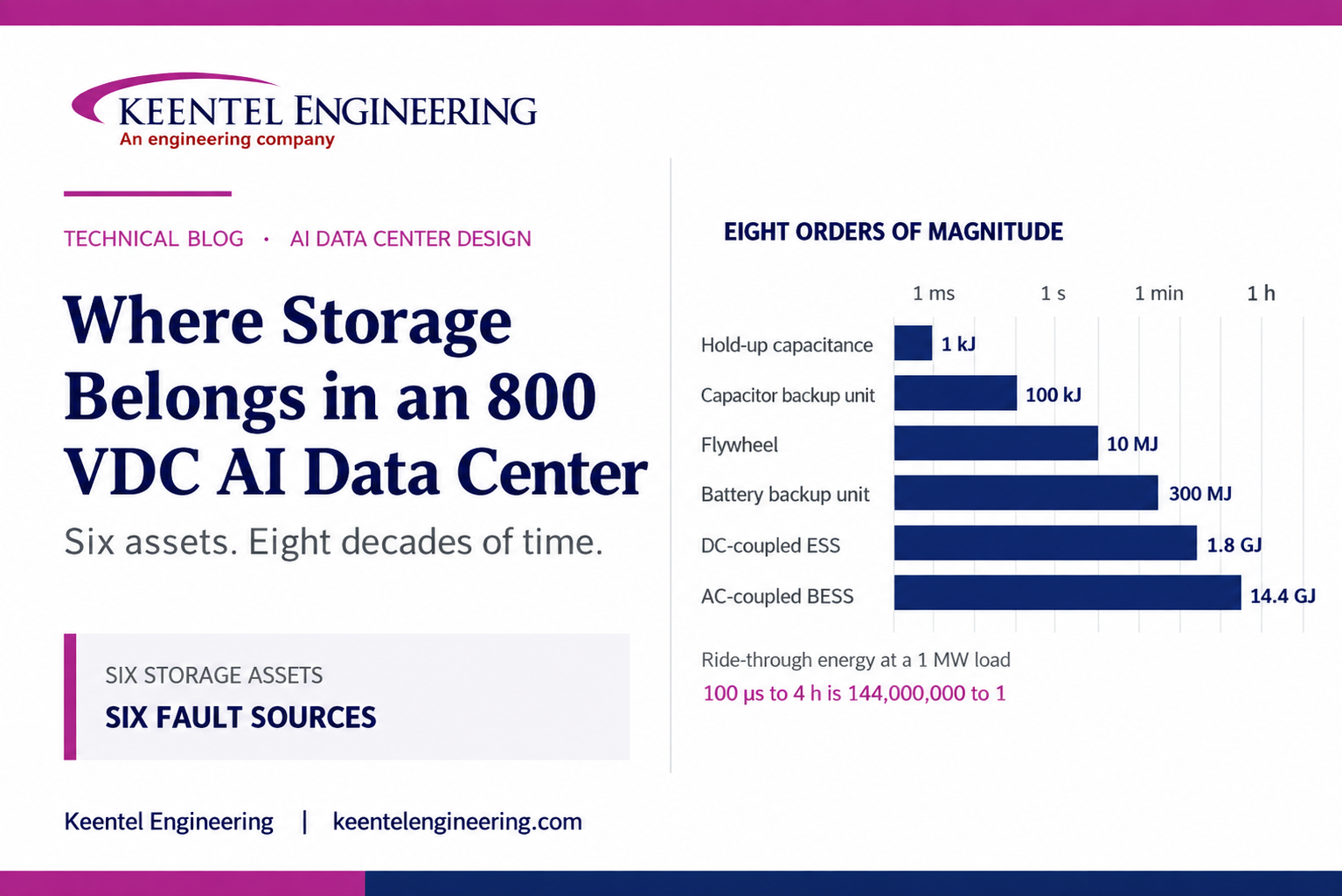
Learn where storage belongs in an 800 VDC AI data center, including capacitors, flywheels, BESS, fault current, protection, grounding, and EMT design.
By SANDIP R PATEL
•
September 26, 2026
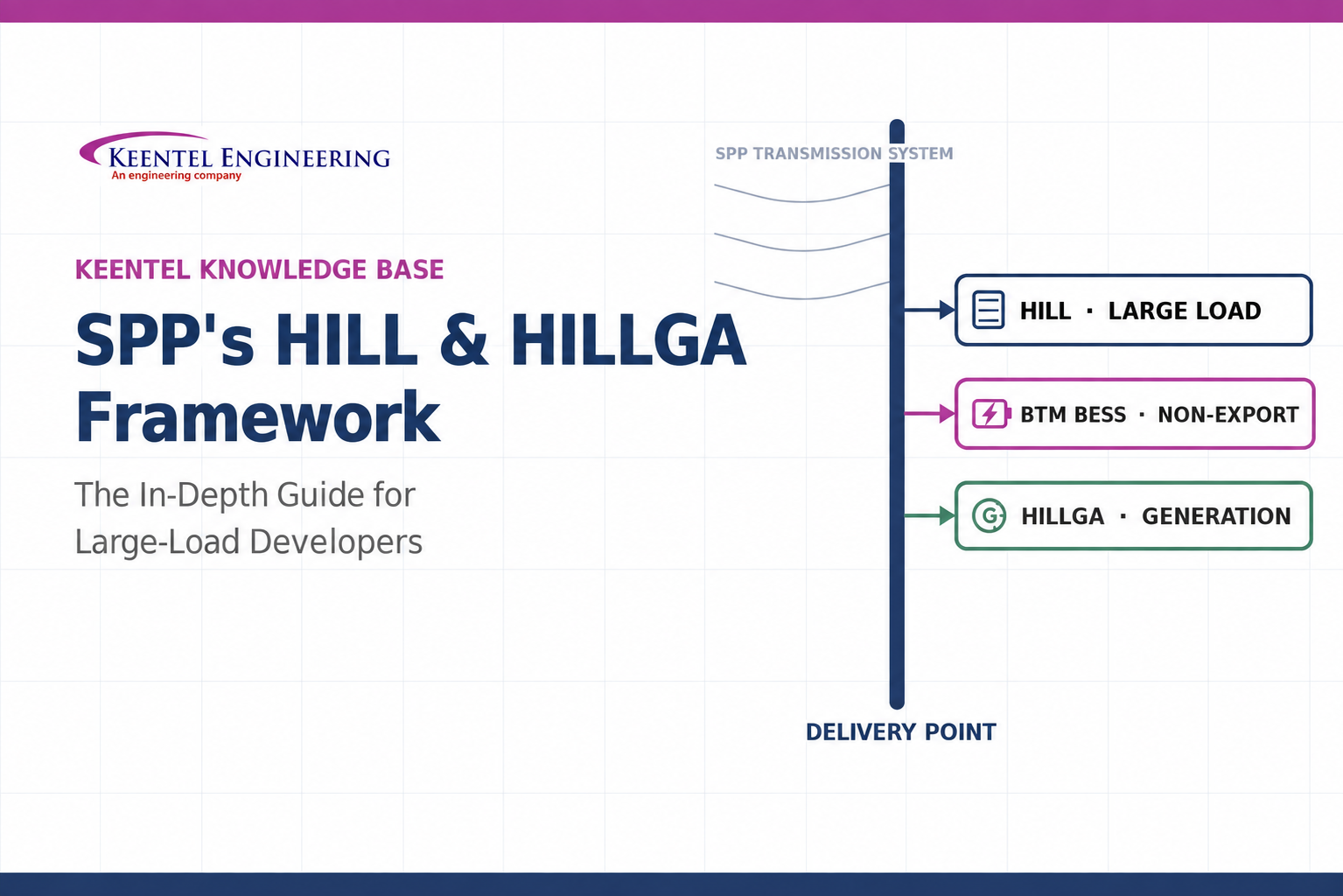
Learn how SPP’s HILL and HILLGA framework works for large-load projects, including studies, BTM generation, modeling, EMT requirements, and firm service.

By SANDIP R PATEL
•
September 25, 2026
Learn how IBR time synchronization, IEEE 2800, IRIG-B verification, and PTP solutions help meet disturbance monitoring compliance requirements.
By SANDIP R PATEL
•
September 24, 2026
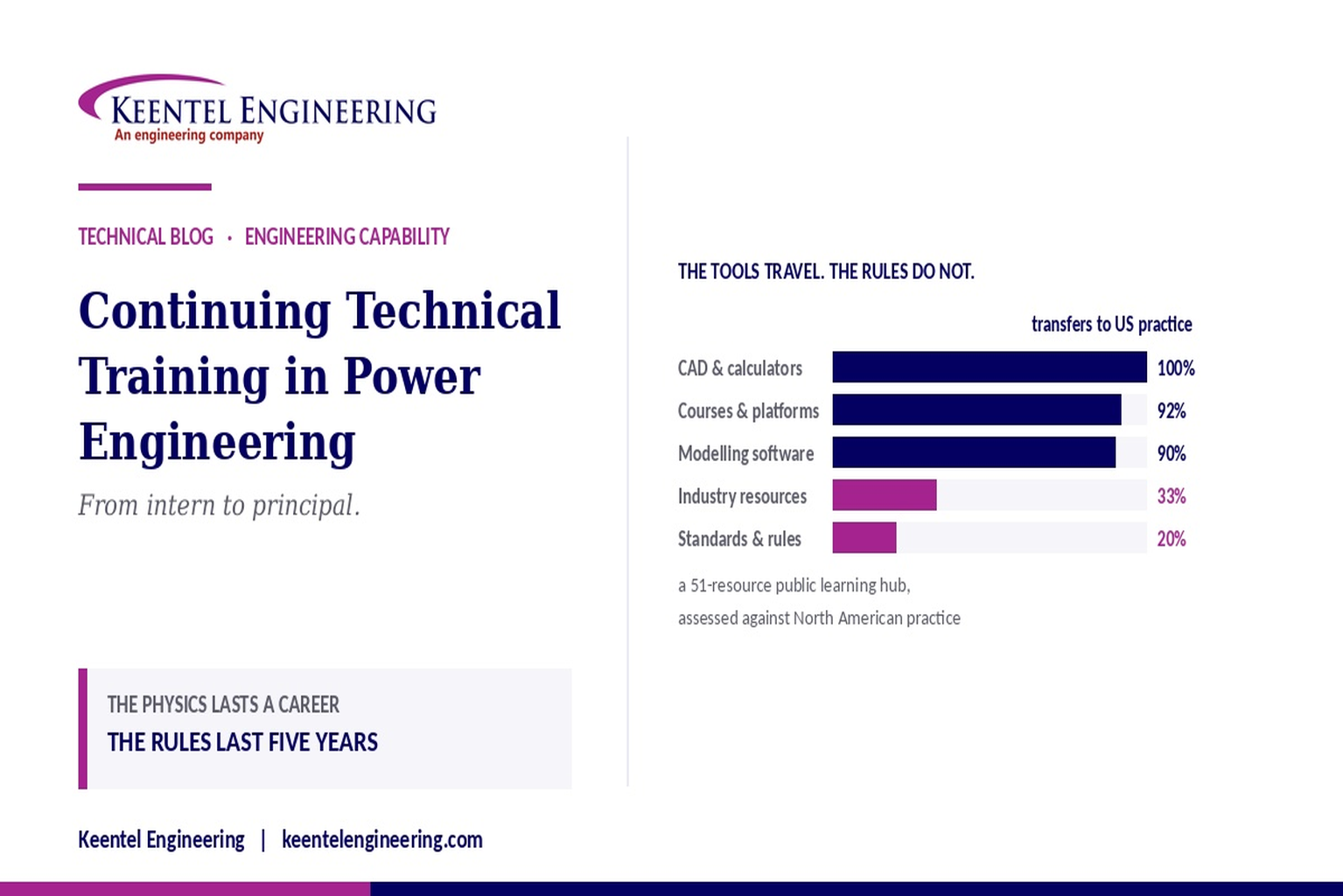
Learn why continuing technical training matters in power engineering, including standards, software skills, PDH requirements, and career growth.
By SANDIP R PATEL
•
September 22, 2026
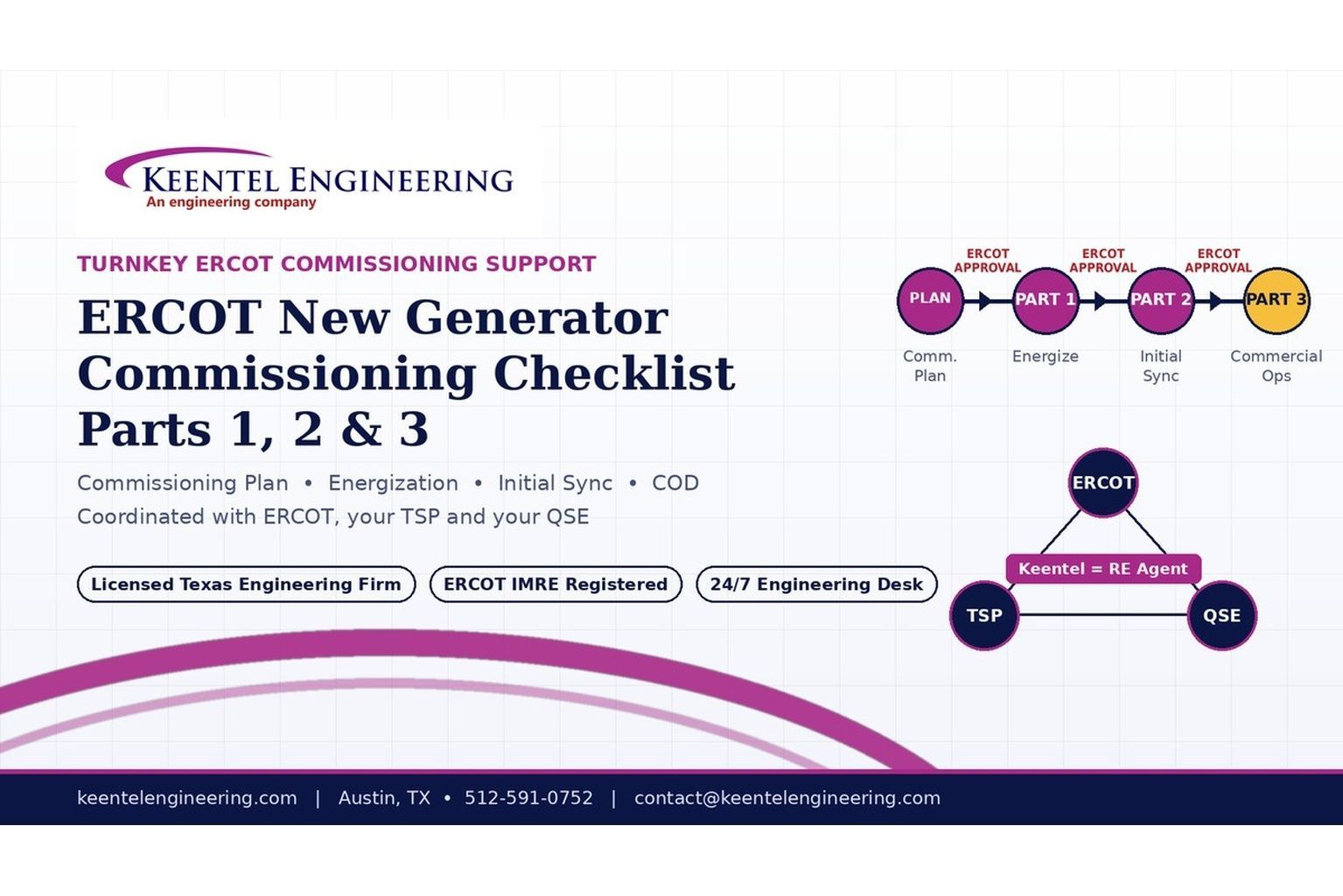
2026 ERCOT commissioning guide covering the Commissioning Plan, Checklist Parts 1–3, BESS requirements, TSP/QSE coordination, field testing and COD.
By SANDIP R PATEL
•
September 22, 2026
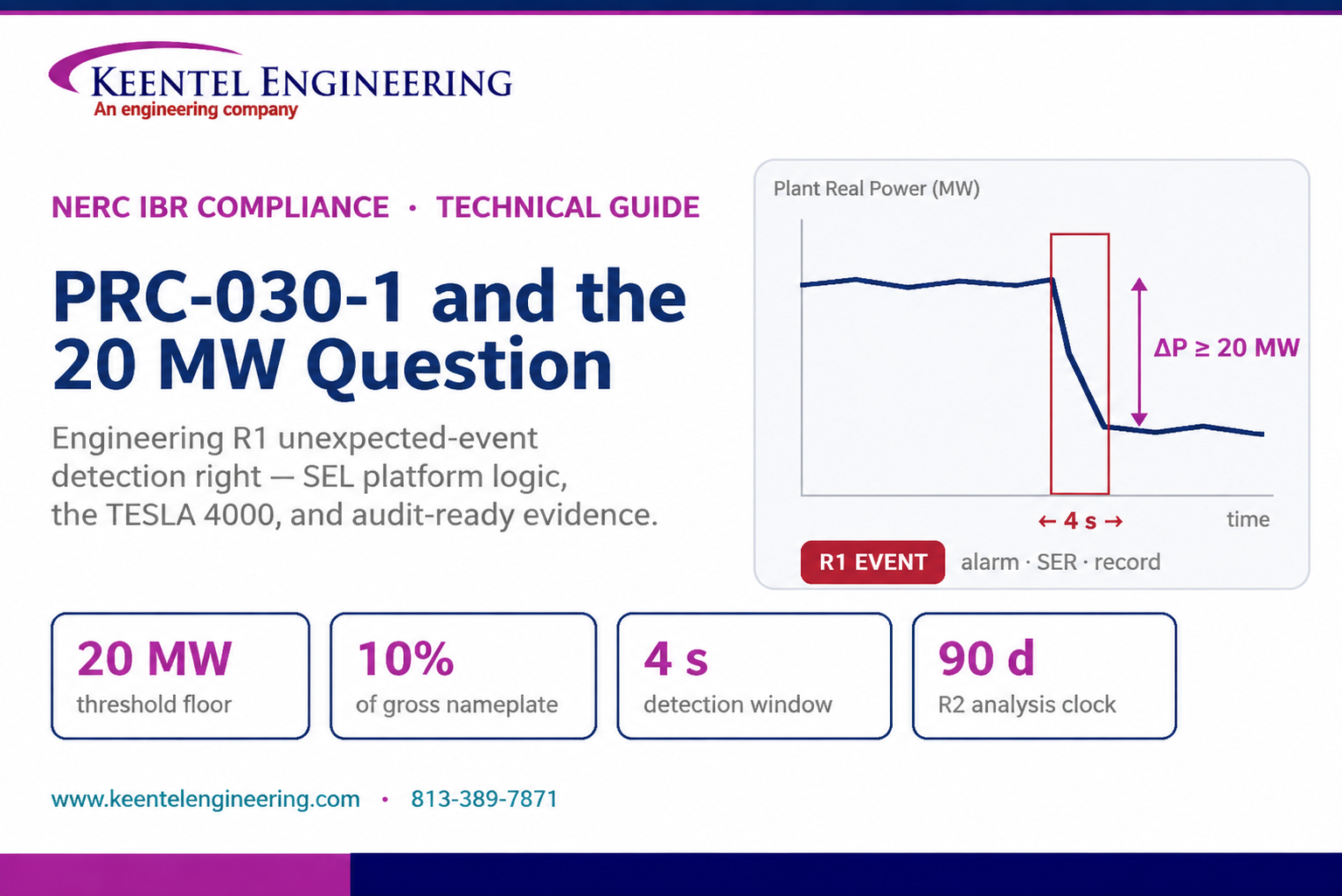
Learn PRC-030-1 R1 event detection requirements for inverter-based resources, SEL platforms, disturbance monitoring, and audit-ready compliance.
By SANDIP R PATEL
•
September 22, 2026
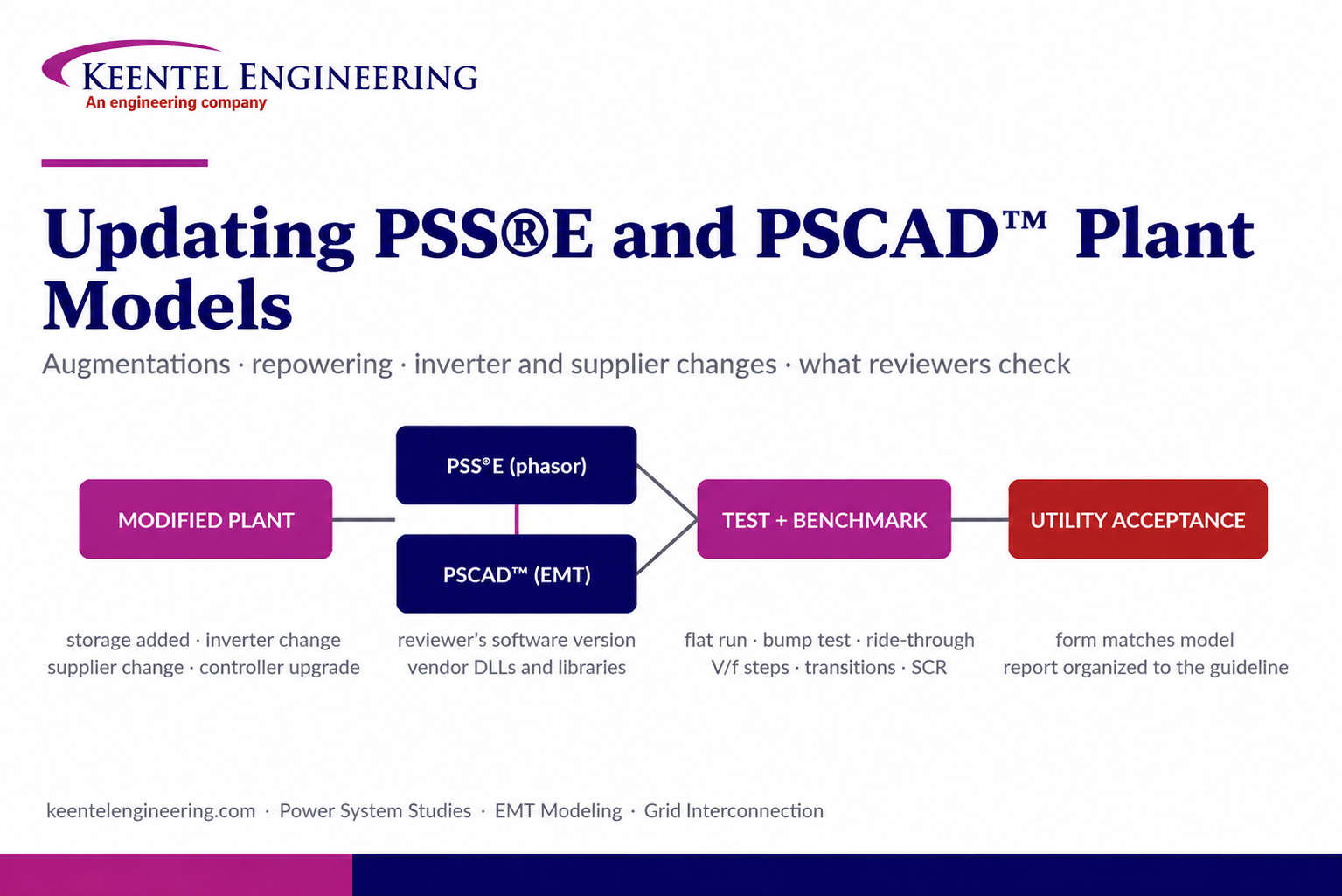
Learn how PSS®E and PSCAD™ model updates support plant augmentations, repowering, equipment changes, testing, benchmarking, and grid compliance.