





































Engineering Support for Reliable, Compliant, and Future Ready Power Systems

We provide transmission planning, power system studies, substation engineering, renewable energy integration, and NERC compliance support to help utilities maintain reliable, resilient, and efficient power systems.

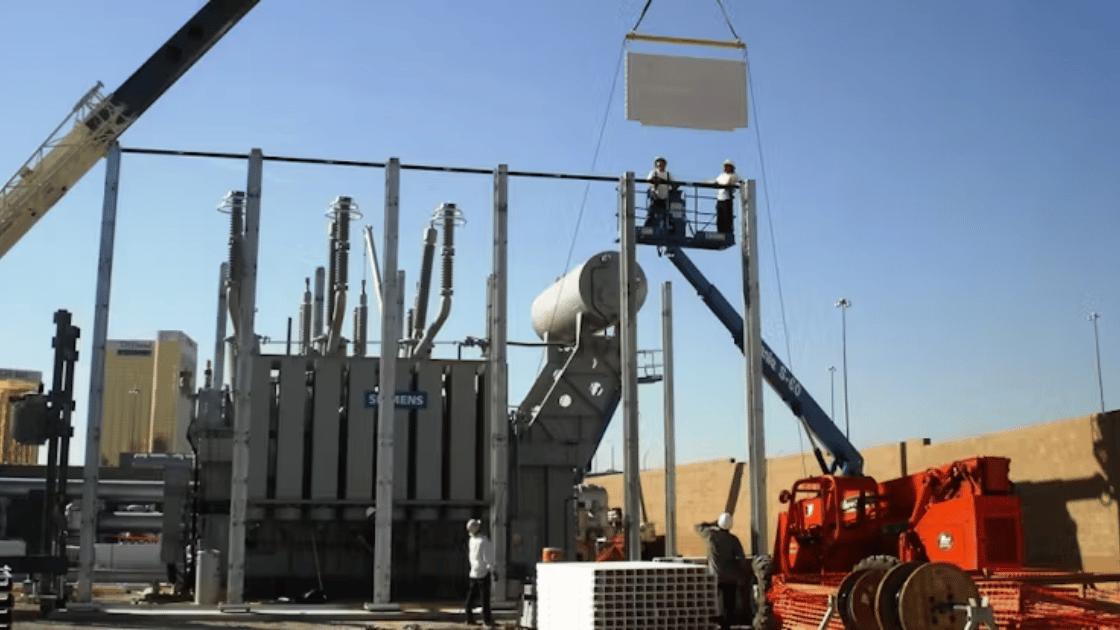
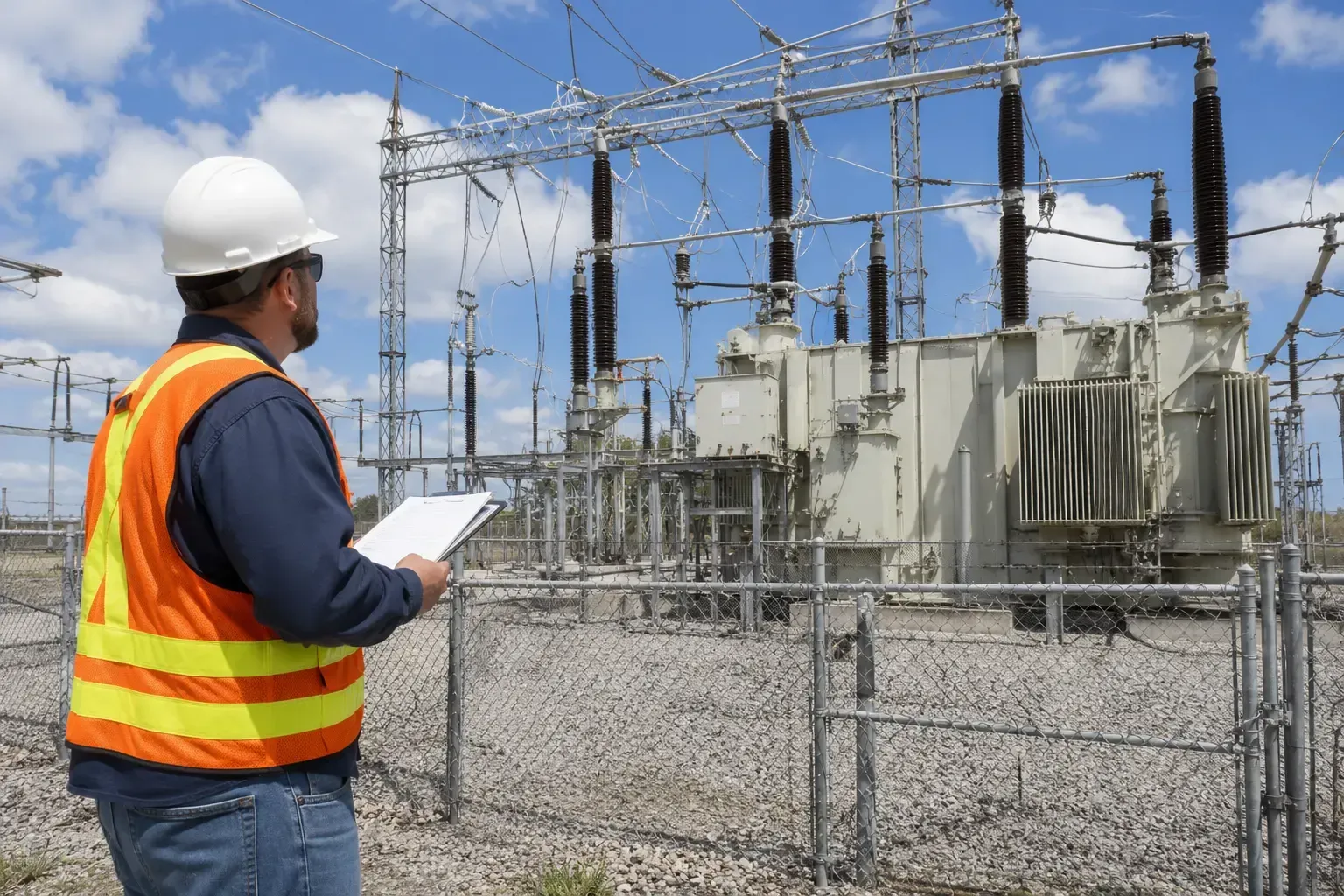
Data center power system infrastructure diagram

At Keentel Engineering, we provide specialized engineering services to electric utilities, transmission owners, and grid operators. Our team supports grid reliability, infrastructure planning, regulatory compliance, and system modernization through advanced power system analysis and engineering solutions.

Engineering Services for Utilities and Transmission Operators

Utilities require comprehensive engineering support across multiple areas of grid operation and planning. Keentel Engineering provides a wide range of services tailored to the needs of transmission system operators and electric utilities.

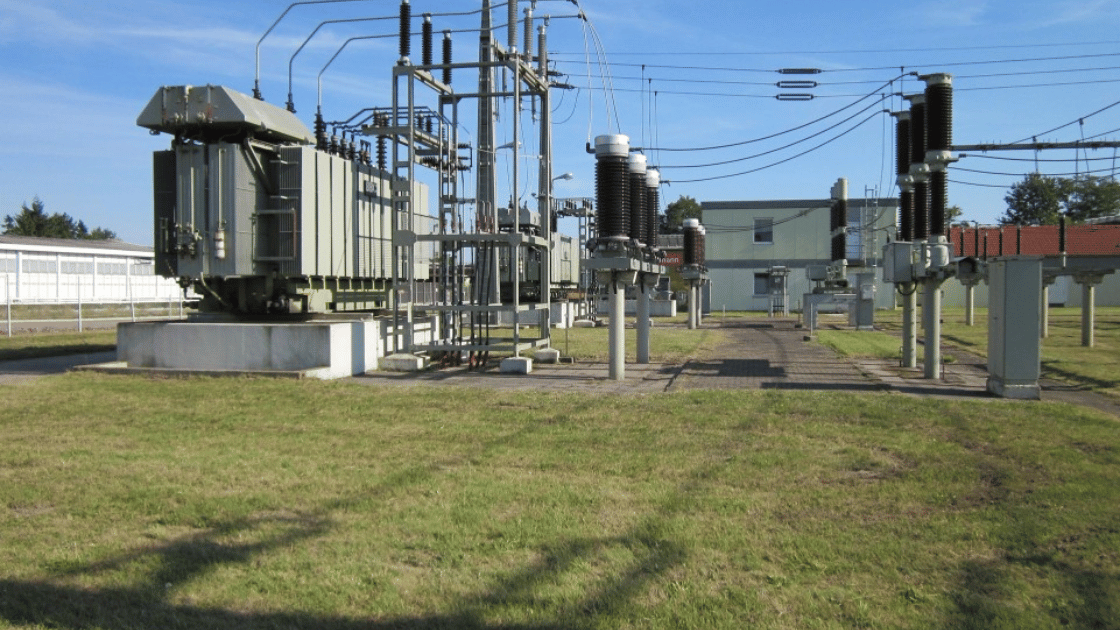
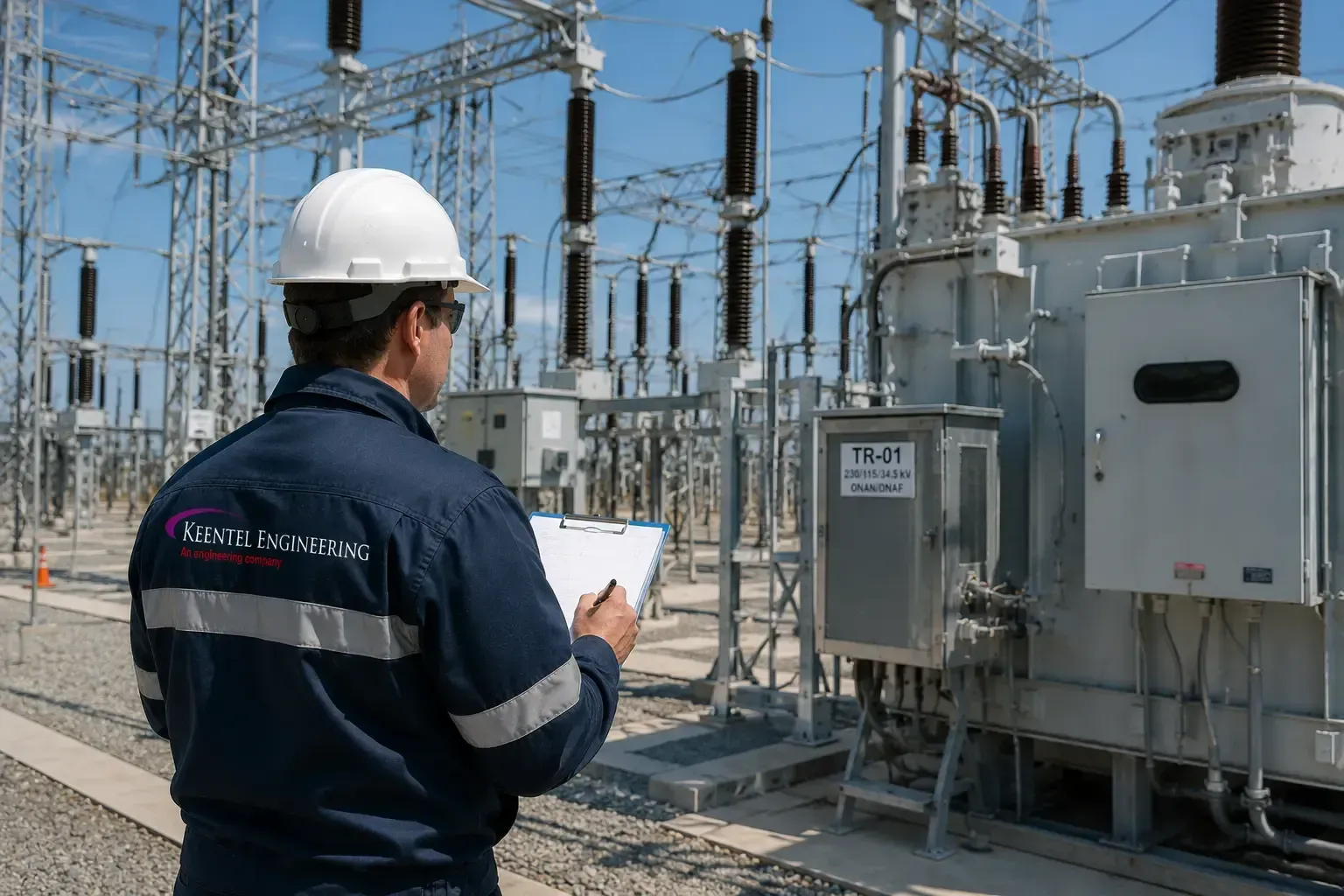
Core utility engineering services at electrical substation

Core Utility Engineering Services

  • Load flow analysis
  • Transmission planning studies
  • Short circuit and protection coordination studies
  • Stability and dynamic system studies
  • Renewable energy interconnection analysis
  • Arc flash and electrical safety studies
  • Harmonic and power quality analysis
  • Grounding system design and verification
Transmission system planning and grid expansion engineering

Transmission System Planning and Grid Expansion

Transmission planning is essential for ensuring that electric utilities can support increasing demand and evolving generation resources.

  • Long-term transmission planning studies
  • Congestion and transfer capability analysis
  • Reactive power and voltage stability studies
  • Transmission expansion evaluation
  • Renewable integration studies
Grid reliability and NERC compliance control room

Grid Reliability and NERC Compliance Support

Utilities must comply with strict reliability standards to maintain stable and secure power system operation.

  • NERC TPL transmission planning standards
  • PRC protection system compliance
  • MOD modeling and validation requirements
  • GMD vulnerability assessments
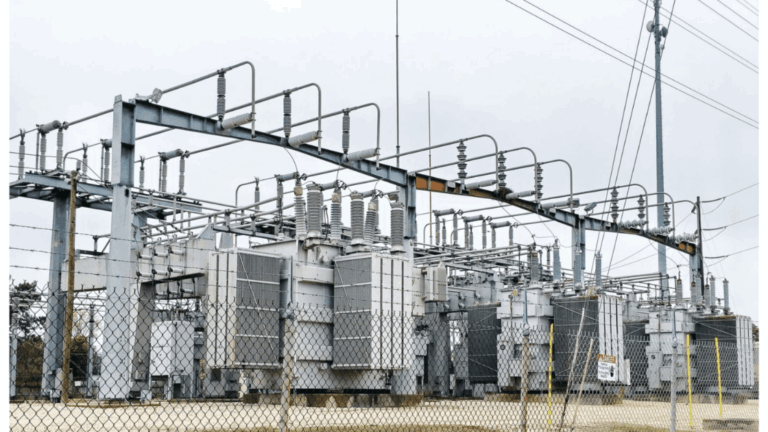
Substation and transmission infrastructure engineering

Substation and Transmission Infrastructure Engineering

  • Substation design and upgrades
  • Protection and control system design
  • Equipment specification and verification
Renewable energy integration support for solar wind and battery storage

Renewable Energy Integration Support

  • Interconnection feasibility studies
  • System impact studies
  • Inverter-based resource modeling
  • Grid stability analysis
  • Reactive power and voltage control evaluation
Advanced power system modeling and simulation workstation

Advanced Power System Modeling and Simulation

  • PSS®E
  • DigSILENT PowerFactory
  • PSCAD / EMTDC
  • PowerWorld Simulator
  • ETAP

Benefits of Working with Keentel Engineering

Step 1

Experienced Power System Engineers

Our engineers have extensive experience working with transmission systems and utility infrastructure.

Step 2

Compliance-Focused Engineering

We ensure that all studies align with IEEE, NERC, ANSI, and IEC standards.

Step 3

Advanced Simulation Capabilities

Our team uses industry-leading software to perform detailed power system analysis.

Step 4

Reliable Engineering Solutions

We provide practical solutions that improve system reliability and operational efficiency.

Supporting Utilities in a Changing Grid

Electric utilities are navigating a rapidly evolving energy landscape. Increased electrification, renewable integration, and grid modernization initiatives require advanced engineering solutions.


Keentel Engineering works closely with utilities and transmission operators to deliver engineering studies, system planning support, and infrastructure design that enable a more reliable and resilient electric grid.

Two technicians in yellow hardhats working on electrical equipment, one using a laptop.
Keentel Engineering – Software FAQ
PSS®E PSS®E
ETAP ETAP
PSCAD PSCAD
PowerWorld PowerWorld
SKM PTW SKM PTW
General FAQs
01 What is PSS®E software?
PSS®E (Power System Simulator for Engineering) is a power system simulation software developed by Siemens for analyzing and planning electrical transmission networks. It allows engineers to model large-scale power systems and perform detailed studies related to grid reliability and system performance.
02 What is PSS®E used for in power system studies?
PSS®E is used for transmission planning, interconnection studies, contingency analysis, stability simulations, and grid expansion planning. Utilities and consultants use the software to evaluate how electrical networks behave under different operating conditions.
03 Who uses PSS®E software?
PSS®E is used by electric utilities, transmission planners, system operators, renewable energy developers, engineering consulting firms, and research institutions involved in power system planning and reliability analysis.
04 Can PSS®E be used for renewable energy integration?
Yes. PSS®E supports modeling of inverter-based resources such as solar plants, wind farms, and battery energy storage systems to analyze their impact on grid stability and transmission system performance.
05 Why is PSS®E widely used in transmission planning?
PSS®E is widely used because it supports very large power system models, advanced dynamic simulations, and automated analysis workflows, making it suitable for complex transmission network planning studies.
Technical FAQs
01 How does PSS®E perform contingency analysis?
PSS®E evaluates system reliability by simulating outage scenarios such as transmission line failures, generator trips, or transformer outages and identifying voltage violations or thermal overloads.
02 What types of dynamic simulations can be performed in PSS®E?
PSS®E supports transient stability analysis, generator dynamics simulation, renewable inverter modeling, and disturbance response studies.
03 What is PV and QV analysis in PSS®E?
PV and QV analysis are used to evaluate voltage stability margins and determine the system's ability to maintain acceptable voltage levels under increasing load conditions.
04 How does PSS®E support large power system models?
PSS®E uses optimized numerical algorithms and sparse matrix techniques that allow engineers to simulate electrical networks with up to 200,000 buses.
05 Can PSS®E simulations be automated?
Yes. PSS®E provides extensive Python APIs that allow engineers to automate contingency studies, batch simulations, and large-scale grid analysis workflows.
General FAQs
01 What is ETAP software?
ETAP is an electrical power system engineering software platform used for designing, simulating, analyzing, and operating electrical networks across industrial, utility, and commercial systems.
02 What types of studies can be performed in ETAP?
ETAP supports power flow analysis, short circuit studies, arc flash analysis, protection coordination studies, harmonic analysis, and dynamic stability simulations.
03 What industries use ETAP software?
ETAP is used by electric utilities, renewable energy plants, data centers, oil and gas facilities, industrial manufacturing plants, and infrastructure projects.
04 What is the ETAP Electrical Digital Twin?
The ETAP Electrical Digital Twin is a virtual representation of a real electrical network that enables engineers to simulate and monitor system performance before implementing changes in the physical system.
05 Why is ETAP widely used for electrical engineering studies?
ETAP provides an integrated platform for design, simulation, monitoring, and optimization of electrical systems, allowing engineers to analyze system behavior and improve operational reliability.
Technical FAQs
01 How does ETAP perform short circuit analysis?
ETAP calculates fault currents using international standards such as ANSI/IEEE C37 and IEC 60909 to evaluate equipment ratings and protection system requirements.
02 What is ETAP arc flash analysis?
Arc flash analysis calculates incident energy levels and safety boundaries based on standards such as IEEE 1584 and NFPA 70E to improve electrical safety.
03 How does ETAP perform protection coordination studies?
ETAP uses Time-Current Characteristic (TCC) curves to evaluate the coordination between relays, breakers, and fuses to ensure selective protection during faults.
04 Can ETAP simulate renewable energy systems?
Yes. ETAP allows engineers to model solar PV systems, wind generators, battery energy storage systems, and microgrids.
05 What dynamic simulations can be performed in ETAP?
ETAP dynamic simulations evaluate system behavior during disturbances such as generator trips, faults, motor starting events, and switching operations.
General FAQs
01 What is PSCAD software?
PSCAD is an electromagnetic transient (EMT) simulation software used to analyze fast electrical and electromagnetic phenomena in power systems.
02 What is PSCAD used for?
PSCAD is used for HVDC studies, converter modeling, renewable inverter simulations, lightning surge analysis, and electromagnetic transient studies.
03 Who typically uses PSCAD?
PSCAD is used by utilities, renewable developers, equipment manufacturers, engineering consulting firms, and research institutions.
04 Why is PSCAD important for renewable energy studies?
PSCAD allows engineers to simulate inverter-based resources and analyze complex electromagnetic interactions within modern power systems.
05 What types of systems can PSCAD model?
PSCAD can model transmission networks, HVDC systems, renewable plants, power electronic converters, and protection systems.
Technical FAQs
01 What is electromagnetic transient simulation?
EMT simulation analyzes high-frequency electrical phenomena that occur in power systems during switching events, lightning strikes, and converter operations.
02 How does PSCAD model transmission lines?
PSCAD models transmission lines using distributed parameter models that capture traveling wave behavior and electromagnetic interactions.
03 What simulation time steps are used in PSCAD?
Typical EMT simulations use time steps ranging from microseconds to tens of microseconds depending on system complexity.
04 Can PSCAD simulate HVDC systems?
Yes. PSCAD provides detailed models for line-commutated converters (LCC) and voltage source converter (VSC) HVDC systems.
05 How does PSCAD simulate inverter-based resources?
PSCAD uses detailed converter control models to simulate grid-forming and grid-following inverter behavior.
General FAQs
01 What is PowerWorld software?
PowerWorld is a power system simulation and visualization software used to analyze electrical transmission networks.
02 What is PowerWorld Simulator?
PowerWorld Simulator is an interactive tool used to perform power flow analysis, contingency analysis, and voltage stability studies.
03 Who uses PowerWorld software?
PowerWorld is used by utilities, transmission planners, power system operators, consultants, and universities.
04 What types of studies can be performed in PowerWorld?
PowerWorld supports power flow analysis, contingency analysis, optimal power flow studies, voltage stability analysis, and fault analysis.
05 What makes PowerWorld unique?
PowerWorld provides interactive visualization tools such as animated one-line diagrams and geographic system displays.
Technical FAQs
01 How does PowerWorld perform contingency analysis?
PowerWorld simulates outage scenarios and identifies violations such as overloaded lines or low voltage conditions.
02 What numerical methods are used for power flow analysis?
PowerWorld typically uses Newton-Raphson algorithms to solve large power system models efficiently.
03 What is PV and QV analysis in PowerWorld?
PV and QV curves evaluate voltage stability limits and identify potential voltage collapse scenarios.
04 What is Optimal Power Flow (OPF)?
OPF determines the optimal generation dispatch while maintaining system constraints and minimizing operating costs.
05 How large of a system can PowerWorld simulate?
PowerWorld can simulate electrical networks with up to approximately 250,000 buses.
General FAQs
01 What is SKM PowerTools software?
SKM PowerTools is an electrical engineering software platform used for power system design, analysis, and safety evaluation.
02 What types of studies can SKM perform?
SKM supports load flow analysis, short circuit studies, arc flash analysis, protection coordination, harmonic analysis, and grounding system studies.
03 What industries use SKM PowerTools?
SKM is widely used in utilities, industrial plants, data centers, oil and gas facilities, and commercial electrical infrastructure projects.
04 What is SKM CAPTOR used for?
CAPTOR is SKM's protective device coordination module used to analyze relay, breaker, and fuse coordination using time-current curves.
05 Why is SKM widely used for electrical system analysis?
SKM provides integrated modules that allow engineers to perform multiple electrical studies within a single software platform.
Technical FAQs
01 How does SKM perform short circuit analysis?
SKM calculates fault currents using ANSI and IEC standards and evaluates symmetrical and asymmetrical fault conditions.
02 What is arc flash analysis in SKM?
Arc flash analysis determines incident energy levels and hazard boundaries to improve electrical safety and comply with standards such as IEEE 1584.
03 How does SKM perform load flow analysis?
Load flow analysis calculates voltage levels, power flows, and system losses within electrical networks.
04 Can SKM simulate harmonic distortion?
Yes. The HI_WAVE module evaluates harmonic distortion caused by non-linear loads and power electronic devices.
05 How does SKM evaluate protection coordination?
SKM analyzes protective device operation using time-current curves to ensure proper fault isolation.

Why Choose  Keentel Engineering

Keentel Engineering delivers practical engineering solutions for transmission systems, substations, renewable energy integration, and power system reliability, helping clients navigate the challenges of a rapidly evolving electric grid.

Our engineers offer:

Person in crosshairs. Fo F

Expertise in HV, MV, and EHV power systems

Person icon with a badge of honor. Expe Exp E Ex

Advanced power system modeling capabilities

Black and white starburst icon with a star in the center. Qual Q

Experience with utility and ISO planning requirements

Magnifying glass with a diamond, circle, triangle, and hexagon.

Deep understanding of NERC reliability standards

A black shield icon with a white checkmark inside, representing security or verified status.

Practical engineering solutions for complex power system challenges

Let's Discuss How to Optimize Your Next Project

Submit

Keentel – Software Capabilities FAQ

Our Software Capabilities

PSS®E PSS®E
ETAP ETAP
PSCAD PSCAD
PowerWorld PowerWorld
SKM SKM PTW
AutoCAD Electrical AutoCAD Elec.
ASPEN ASPEN
General FAQs
What is PSS®E software?
PSS®E (Power System Simulator for Engineering) is a power system simulation software developed by Siemens for analyzing and planning electrical transmission networks. It allows engineers to model large-scale power systems and perform detailed studies related to grid reliability and system performance.
What is PSS®E used for in power system studies?
PSS®E is used for transmission planning, interconnection studies, contingency analysis, stability simulations, and grid expansion planning.
Who uses PSS®E software?
Electric utilities, transmission planners, system operators, renewable energy developers, consulting firms, and research institutions.
Can PSS®E be used for renewable energy integration?
Yes. PSS®E supports modeling of inverter‑based resources such as solar plants, wind farms, and battery storage.
Why is PSS®E widely used in transmission planning?
It supports very large power system models (up to 200,000 buses), advanced dynamic simulations, and automated workflows.
Technical FAQs
How does PSS®E perform contingency analysis?
Simulates outage scenarios (line/generator/transformer failures) and identifies voltage or thermal violations.
What dynamic simulations can be performed?
Transient stability, generator dynamics, renewable inverter response, and disturbance ride‑through.
What is PV / QV analysis?
Evaluates voltage stability margins and determines the system's ability to maintain voltage under increasing load.
How does PSS®E support large models?
Optimized numerical algorithms and sparse matrix techniques allow simulation of networks with up to 200,000 buses.
Can PSS®E simulations be automated?
Yes, via extensive Python APIs for contingency automation, batch simulations, and custom workflows.
General FAQs
What is ETAP software?
ETAP is an electrical power system engineering platform for design, simulation, analysis, and operation of industrial and utility networks.
What studies can ETAP perform?
Power flow, short circuit, arc flash, protection coordination, harmonic, and dynamic stability.
What industries use ETAP?
Utilities, renewable plants, data centers, oil & gas, industrial manufacturing, and infrastructure.
What is ETAP Electrical Digital Twin?
A virtual model that mirrors the physical network for predictive simulation and real‑time monitoring.
Why is ETAP widely used?
Integrated design, simulation, monitoring, and optimization in one platform.
Technical FAQs
How does ETAP perform short circuit analysis?
Uses ANSI/IEEE C37 and IEC 60909 standards to evaluate fault currents and equipment ratings.
What is ETAP arc flash analysis?
Calculates incident energy and safety boundaries per IEEE 1584 and NFPA 70E.
How does ETAP perform protection coordination?
Uses TCC curves to evaluate relay/breaker/fuse coordination for selective fault isolation.
Can ETAP simulate renewables?
Yes – solar PV, wind generators, battery storage, and microgrids.
What dynamic simulations are available?
Generator trips, faults, motor starting, switching events, and transient stability.
General FAQs
What is PSCAD?
Electromagnetic transient (EMT) simulation software for fast electrical phenomena in power systems.
What is PSCAD used for?
HVDC studies, converter modeling, inverter simulations, lightning surge analysis, and EMT studies.
Who uses PSCAD?
Utilities, renewable developers, manufacturers, consultants, and research institutions.
Why is PSCAD important for renewables?
Simulates inverter‑based resources and complex electromagnetic interactions.
What systems can PSCAD model?
Transmission networks, HVDC, renewable plants, power electronics, and protection systems.
Technical FAQs
What is EMT simulation?
High‑frequency analysis of switching, lightning, and converter transients.
How does PSCAD model transmission lines?
Distributed parameter models capture traveling wave behavior.
What time steps are used?
Microseconds to tens of microseconds, depending on system complexity.
Can PSCAD simulate HVDC?
Yes, detailed models for LCC and VSC HVDC systems.
How does PSCAD simulate inverters?
Uses detailed converter control models for grid‑forming/following behavior.
General FAQs
What is PowerWorld?
Power system visualization and simulation software for transmission networks.
What is PowerWorld Simulator?
Interactive tool for power flow, contingency analysis, and voltage stability.
Who uses PowerWorld?
Utilities, transmission planners, operators, consultants, universities.
What studies can be performed?
Power flow, contingency, OPF, voltage stability, fault analysis.
What makes PowerWorld unique?
Interactive animated one‑line diagrams and geographic displays.
Technical FAQs
How does contingency analysis work?
Simulates outage scenarios and flags overloads or voltage violations.
What numerical method is used?
Newton‑Raphson for efficient large‑system power flow.
What is PV/QV analysis?
Determines voltage stability margins and collapse points.
What is OPF?
Optimal Power Flow – minimizes cost while respecting constraints.
How large a system can it handle?
Up to approximately 250,000 buses.
General FAQs
What is SKM PowerTools?
Electrical engineering platform for power system design, analysis, and safety.
What studies can SKM perform?
Load flow, short circuit, arc flash, coordination, harmonics, grounding.
What industries use SKM?
Utilities, industrial plants, data centers, oil & gas, commercial buildings.
What is SKM CAPTOR?
Protective device coordination module using TCC curves.
Why is SKM widely used?
Integrated modules allow multiple studies in one platform.
Technical FAQs
How does SKM perform short circuit analysis?
Uses ANSI/IEC standards, calculates symmetrical/asymmetrical fault currents.
What is arc flash analysis in SKM?
Incident energy and boundaries per IEEE 1584 / NFPA 70E.
How does SKM perform load flow?
Calculates voltage levels, power flows, and system losses.
Can SKM simulate harmonics?
Yes, HI_WAVE module evaluates distortion from non‑linear loads.
How does SKM evaluate protection coordination?
Analyzes TCC curves to ensure selective fault isolation.
General FAQs
Difference between AutoCAD and AutoCAD Electrical?
AutoCAD Electrical provides intelligent automation: wire numbering, component tagging, error checking.
Suitable for substation design?
Yes – protection schematics, relay panels, AC/DC diagrams.
NERC compliance?
Supports traceable documentation, tagging, and QA/QC processes.
Relay protection design?
Create relay logic, trip/close circuits, CT/PT connections, custom vendor symbols.
How does it improve productivity?
Automated wire numbering, component tagging, report generation, error checking.
Technical FAQs
Automatic BOM generation?
Yes, extracts real‑time data for BOM, panel schedules, cable lists.
Useful for industrial control?
Widely used for PLC, MCC, SCADA, and factory automation.
Multi‑user collaboration?
Yes, shared project databases + Autodesk Vault integration.
Supports IEC / ANSI standards?
Built‑in symbol libraries for IEC, ANSI, JIC; switchable standards.
Which industries use it?
Power utilities, renewables, oil & gas, manufacturing, infrastructure.
General FAQs
What makes ASPEN OneLiner essential for protection engineers?
ASPEN OneLiner provides advanced short circuit analysis and relay coordination capabilities, enabling engineers to simulate faults, validate protection schemes, and ensure compliance with ANSI, IEC, and NERC standards.
How does ASPEN Power Flow support transmission planning?
It allows engineers to analyze voltage profiles, system losses, and contingency conditions, helping utilities plan system expansions and ensure operational reliability.
Why is phase-domain modeling important in DistriView?
Phase-domain modeling captures unbalanced conditions in distribution systems, providing more accurate results compared to traditional sequence-based methods.
How does the Breaker Rating Module ensure equipment safety?
It simulates worst-case faults, calculates adjusted currents using X/R ratios, and compares them against breaker ratings per ANSI/IEC standards.
What role does the Line Database play in system studies?
It provides highly accurate impedance and capacitance parameters, which are critical inputs for fault and load flow calculations.
Technical FAQs
How does Power Flow handle voltage control?
It uses automatic algorithms for generators, LTC transformers, shunts, and phase shifters.
What is the importance of X/R ratio in breaker studies?
It affects the asymmetrical current and determines the actual interrupting duty on breakers.
How does DistriView perform harmonic analysis?
It includes frequency scan and harmonic load flow capabilities to evaluate system distortion.
What is the advantage of ASPEN’s relay modeling?
It supports detailed manufacturer-specific relay logic, improving study accuracy.
How does ASPEN support renewable integration?
It models inverter-based resources such as solar, wind, and BESS systems.

Contact Keentel Engineering

Whether you are planning transmission upgrades, integrating renewable energy resources, improving grid reliability, or addressing regulatory compliance requirements, Keentel Engineering provides the technical expertise needed to support critical utility infrastructure projects.


Our team works closely with electric utilities, transmission operators, renewable energy developers, and industrial facilities to deliver practical engineering solutions that improve system performance, reliability, and long-term operational success.

Two technicians in yellow hardhats working on electrical equipment, one using a laptop.
Power lines silhouetted against a sunset with orange, yellow, and blue hues.

Who We've Served

Serving utilities, EPCs, developers, and infrastructure organizations supporting critical power systems nationwide.

Frequently Asked Questions (FAQ)

  • 1. What types of utilities does Keentel Engineering support?

    We support a wide range of organizations including investor-owned utilities, municipal utilities, cooperative utilities, and transmission system operators.


  • 2. What services do utilities typically require from engineering consultants?

    Utilities often require power system studies, transmission planning, protection coordination studies, substation design, and grid reliability assessments.


  • 3. Why are transmission planning studies important for utilities?

    Transmission planning studies help utilities identify system constraints, evaluate future grid needs, and plan infrastructure upgrades.


  • 4. What are NERC reliability standards?

    NERC reliability standards are regulatory requirements that ensure reliable operation of the bulk electric power system in North America.


  • 5. How do renewable energy projects impact utilities?

    Renewable generation can change power flow patterns, affect system stability, and require additional transmission capacity or reactive power support.


  • 6. What software tools are used for utility power system studies?

    Commonly used tools include PSS®E, PowerWorld, DigSILENT PowerFactory, PSCAD, and ETAP.


  • 7. What is a transmission operator?

    A transmission operator manages the real-time operation and reliability of the transmission system.


  • 8. What is a system impact study?

    A system impact study evaluates how a new generation or load project affects the transmission system.


  • 9. How does Keentel Engineering support grid modernization?

    We provide advanced modeling, planning studies, and engineering design services that support transmission upgrades and renewable integration.


  • 10. Why do utilities work with engineering consultants?

    Engineering consultants provide specialized expertise, advanced modeling capabilities, and additional engineering resources to support utility projects.


 Blogs

The Complete Lifecycle of a Power Substation Project: From Design to Commissioning (A Keentel Engineering Technical Guide) Source Reference
By SANDIP R PATEL • April 19, 2026
Explore the full lifecycle of a power substation project with Keentel Engineering, covering design, construction, and commissioning. Learn more about AIS, GIS, and NERC compliance.
Read More →
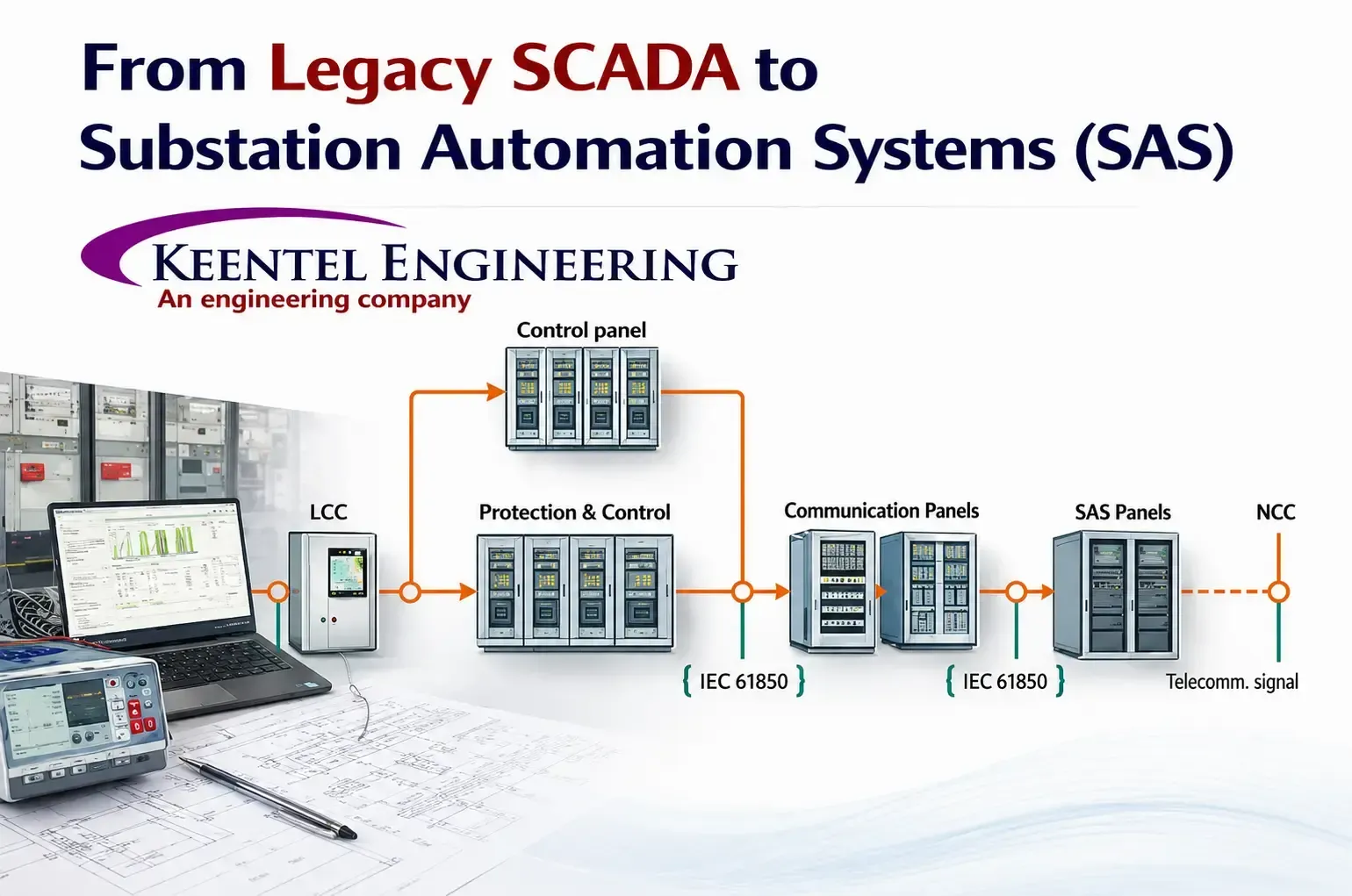
From Legacy SCADA to Smart Substations: The Future of Substation Automation Systems (SAS) By Keentel Engineering Powering the Next Generation Grid
By SANDIP R PATEL • April 18, 2026
Explore the shift from legacy SCADA systems to Smart Substation Automation Systems (SAS). Learn how Keentel Engineering helps modernize power grids with IEC 61850 solutions. Get started today!
Read More →
Advanced Guide to Primary Injection Testing & Current Transformer (CT) Commissioning in Substations By Keentel Engineering – Power System Experts
By SANDIP R PATEL • April 17, 2026
Learn primary injection testing, CT commissioning, and current transformer validation. Ensure reliable substation protection systems discover best practices.
Read More →
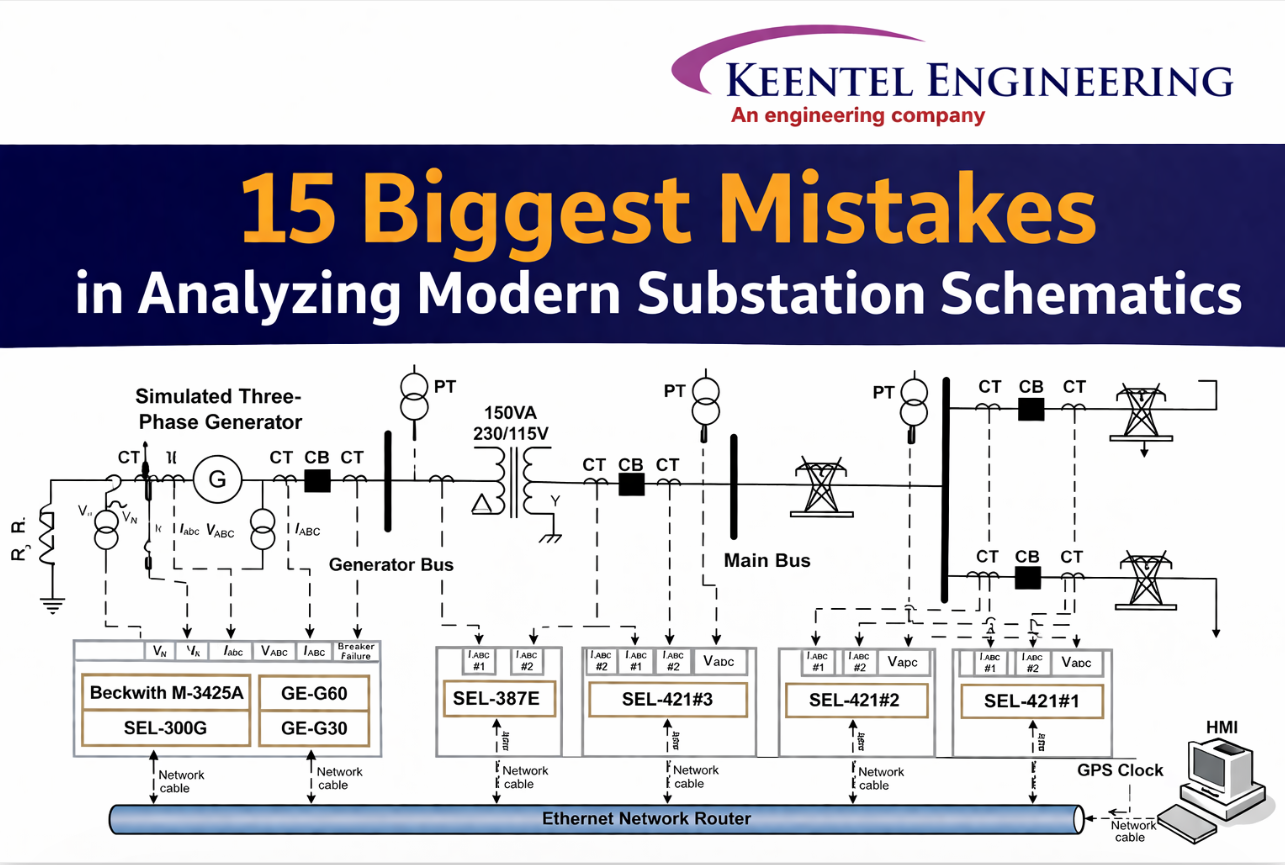
The 15 Biggest Mistakes in Analyzing Modern Substation Schematics
By SANDIP R PATEL • April 11, 2026
Discover 15 critical mistakes in modern substation schematic analysis, including IEC 61850, protection zones, GOOSE, CT/VT issues, and grid reliability risks.
Read More →
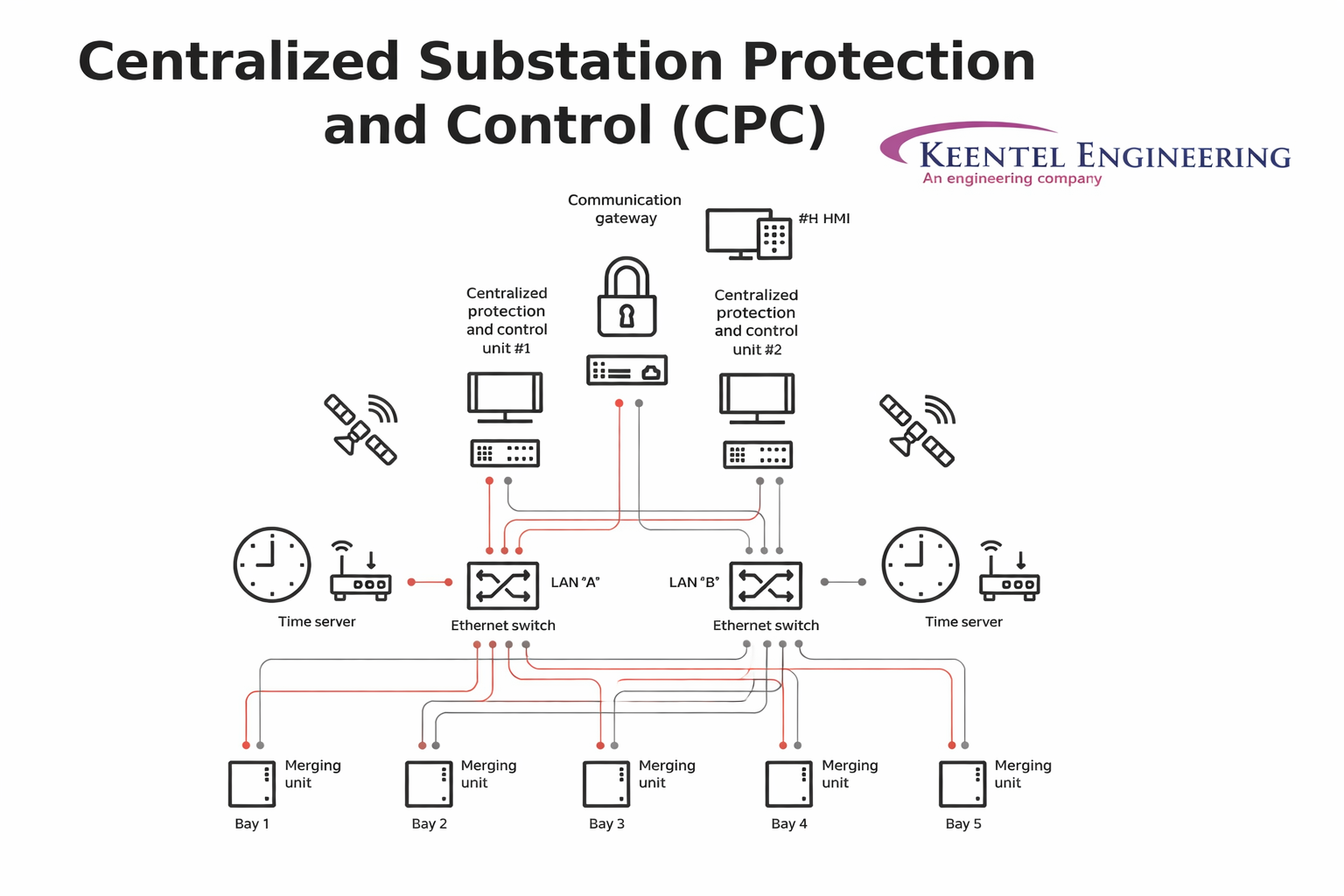
Centralized Substation Protection and Control (CPC): The Future of Smart Grid Reliability
By SANDIP R PATEL • April 6, 2026
CPC centralizes substation protection using real-time data, improving reliability, reducing costs, and enabling smart grids.
Read More →
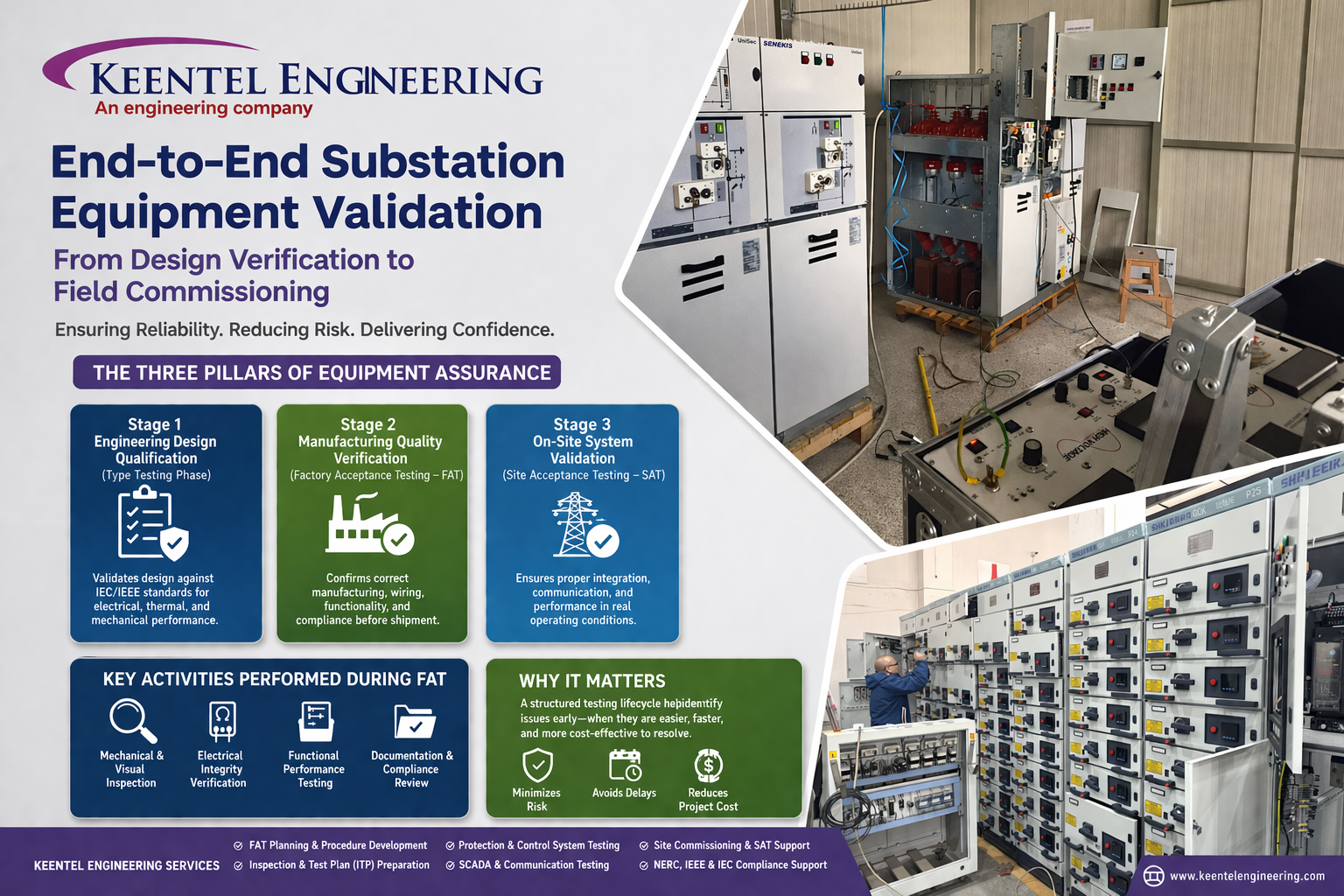
End-to-End Substation Equipment Validation: From Design Verification to Field Commissioning (FAT to SAT) | Keentel Engineering
By SANDIP R PATEL • March 31, 2026
Learn the complete substation testing lifecycle including Type Testing, FAT, and SAT. Discover how to reduce risks, improve reliability, and ensure NERC compliance.
Read More →

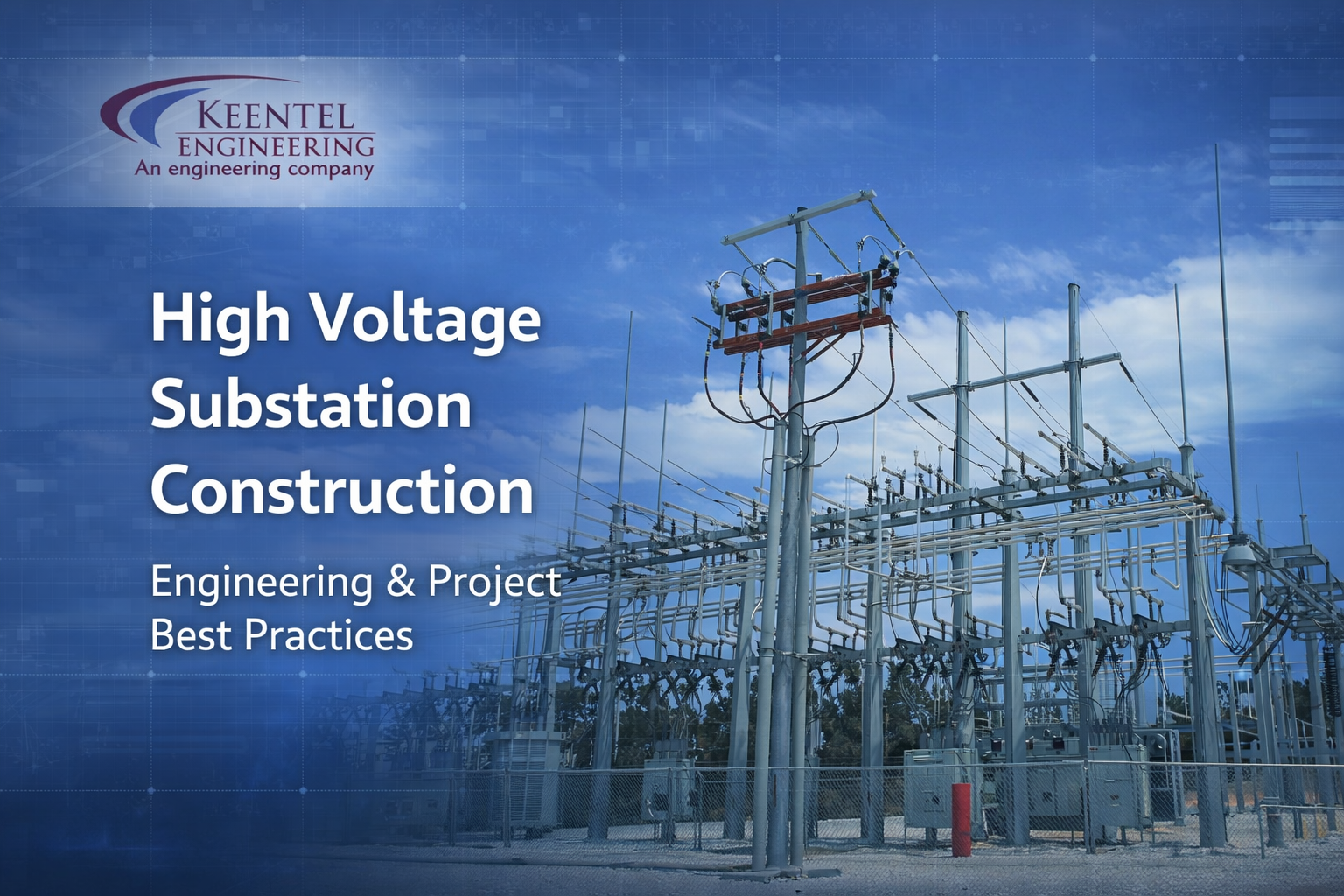
Best Practices for High-Voltage Substation Construction Projects
By SANDIP R PATEL • March 11, 2026
Discover best practices for high-voltage substation construction, including engineering planning, labor productivity benchmarking, equipment installation, and project control strategies.
Read More →
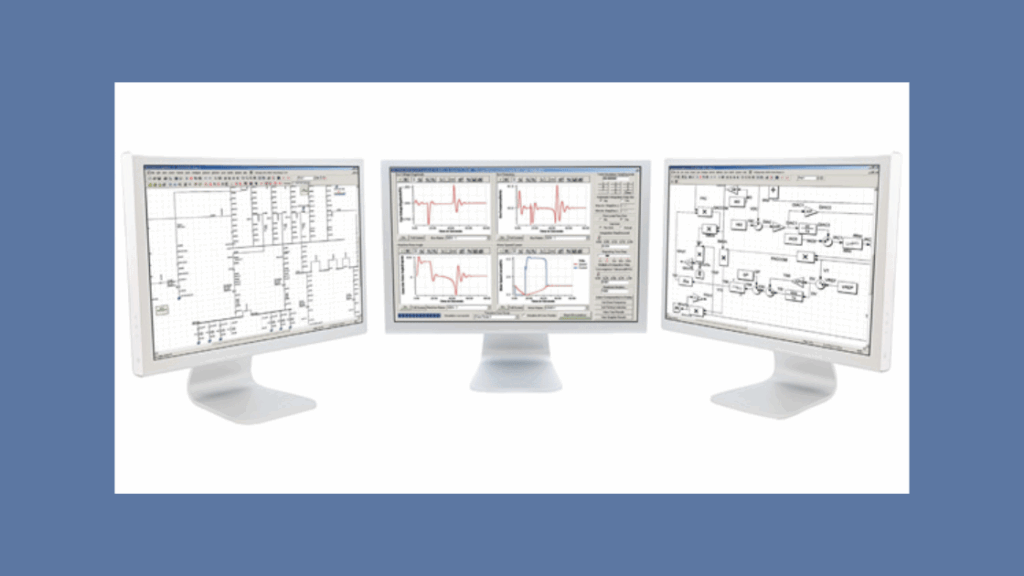
Grid Integration of Large Baseload Power Plants: Engineering Design Considerations and Reliability Requirements
By SANDIP R PATEL • March 11, 2026
Engineering guide to grid integration of large baseload power plants covering system stability, substation design, transformer configuration, and reliability requirements.
Read More →
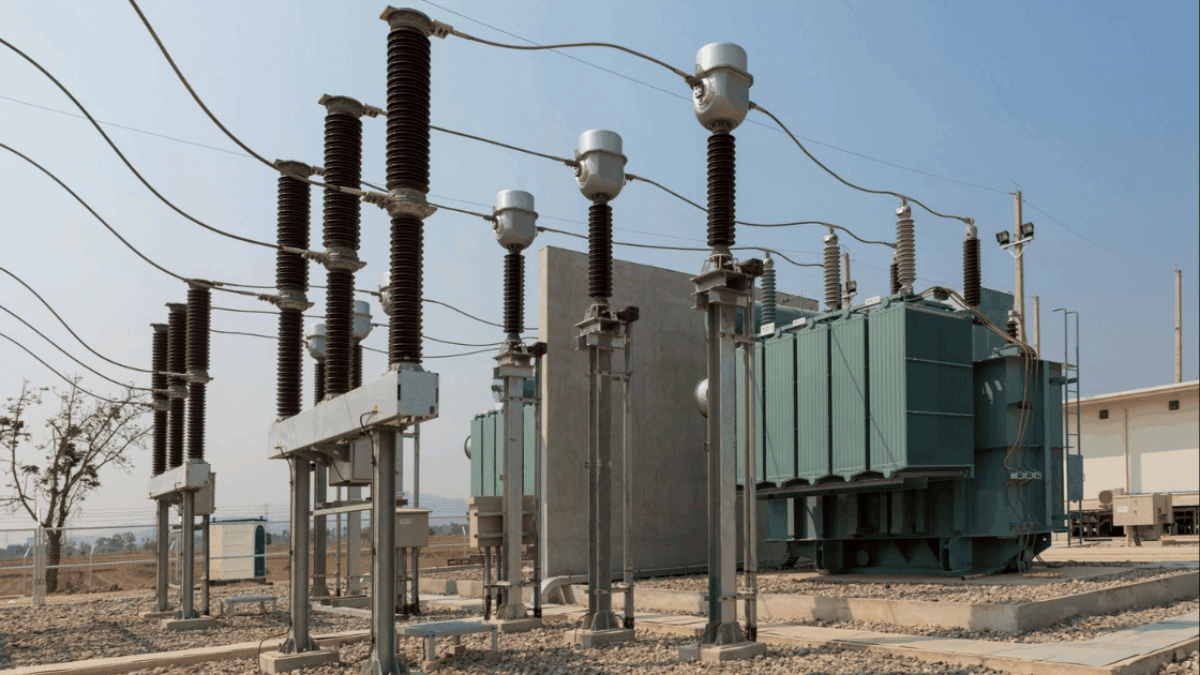
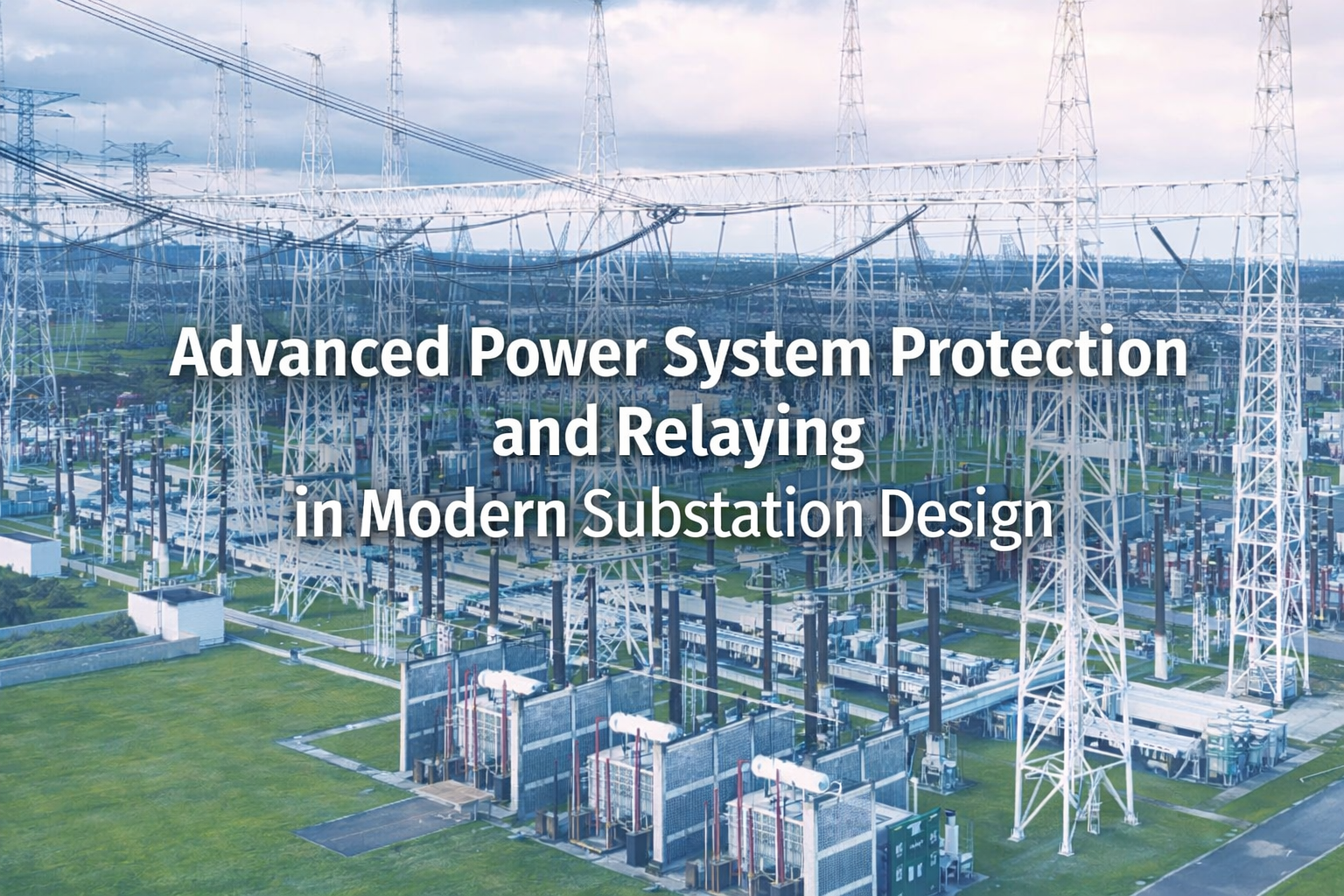
Advanced Power System Protection and Relaying in Modern Substation Design
By SANDIP R PATEL • March 8, 2026
Explore advanced power system protection and relaying used in modern substations, including SCADA integration, relay coordination, fault detection, and digital protection technologies.
Read More →
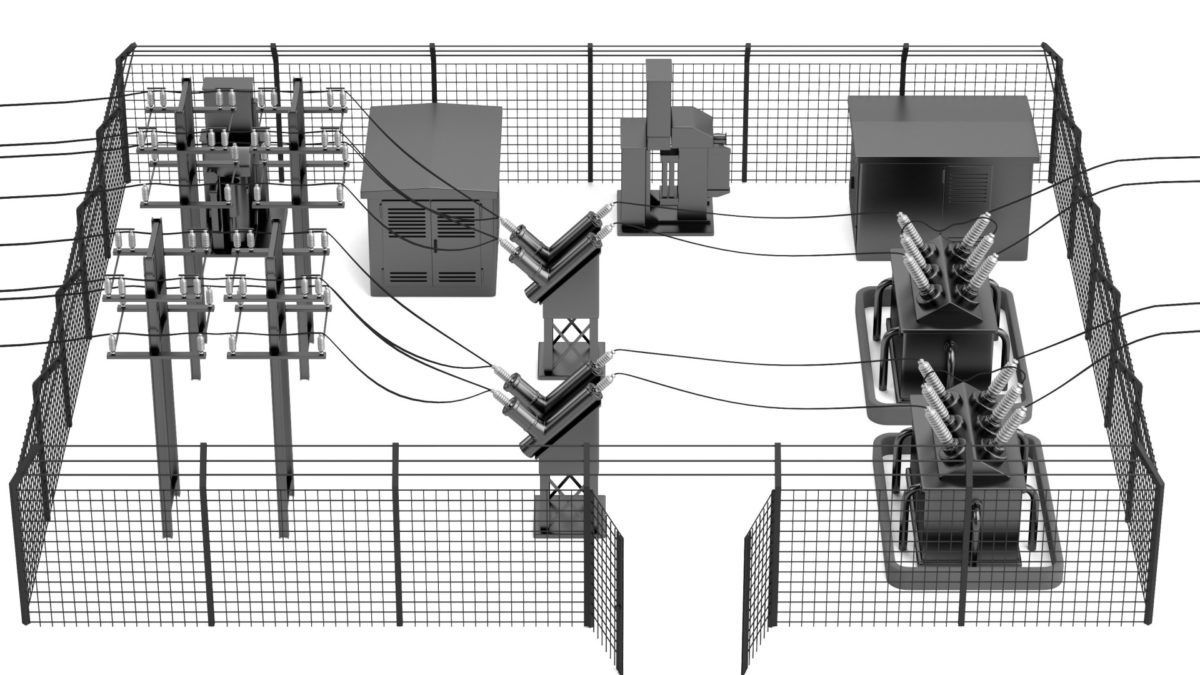
Modern Substation Automation Systems (SAS): Transitioning from Legacy SCADA to Intelligent Digital Substations
By SANDIP R PATEL • March 7, 2026
High-voltage electrical substation with transmission towers, power lines, and switching equipment illustrating advanced power system protection and relaying in modern substation design.
Read More →
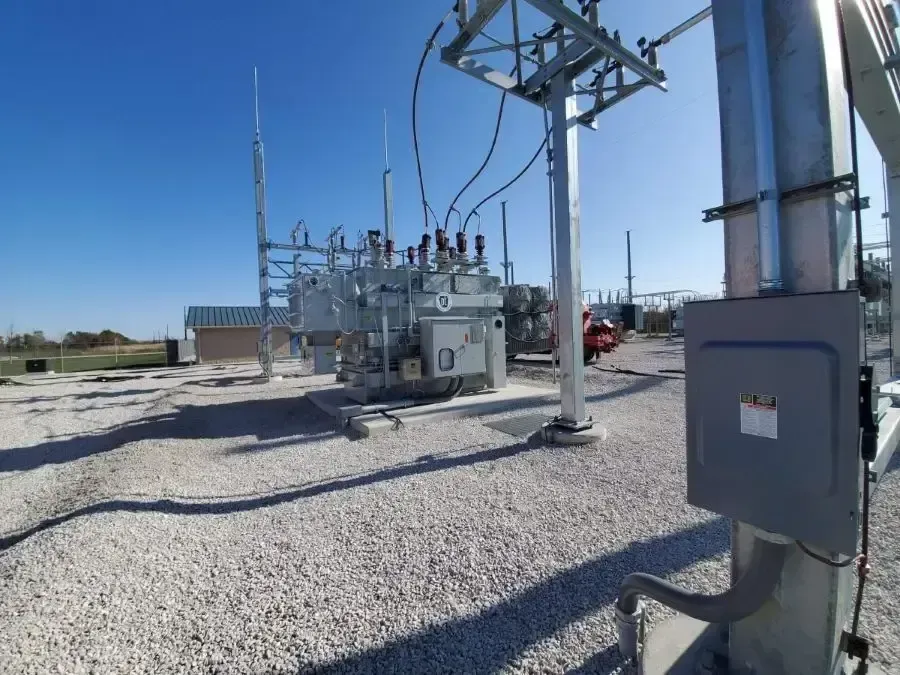
Post-Installation Testing of Gas-Insulated Substations (GIS): Critical Commissioning Procedures for Reliable Grid Operation
By SANDIP R PATEL • March 7, 2026
Explore essential GIS commissioning tests including SF₆ gas quality checks, circuit breaker verification, and high-voltage testing for reliable substation operation.
Read More →

Substation Equipment Maintenance: Best Practices for Reliable Power System Operation
By SANDIP R PATEL • March 7, 2026
Explore proven substation maintenance strategies, transformer diagnostics, relay testing, and condition monitoring techniques to ensure reliable power system operation.
Read More →

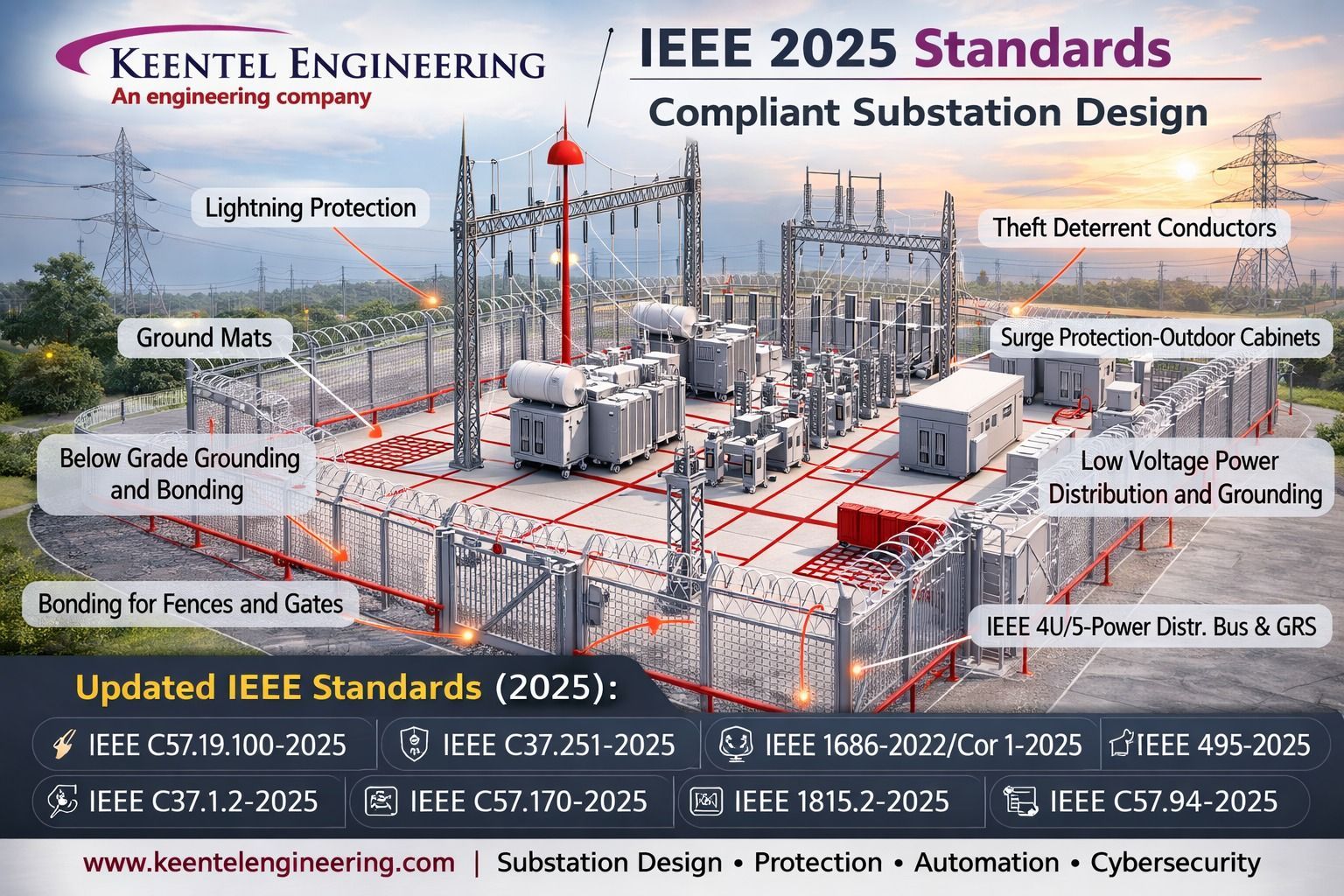
IEEE Standards and the Future of Substation Design: How Keentel Engineering Delivers Compliance, Reliability, and Cybersecure Power Infrastructure
By SANDIP R PATEL • March 3, 2026
Explore IEEE 2025 updates impacting substation design, cybersecurity, transformer reliability, DER integration, and digital automation. Future-proof your grid with Keentel Engineering.
Read More →

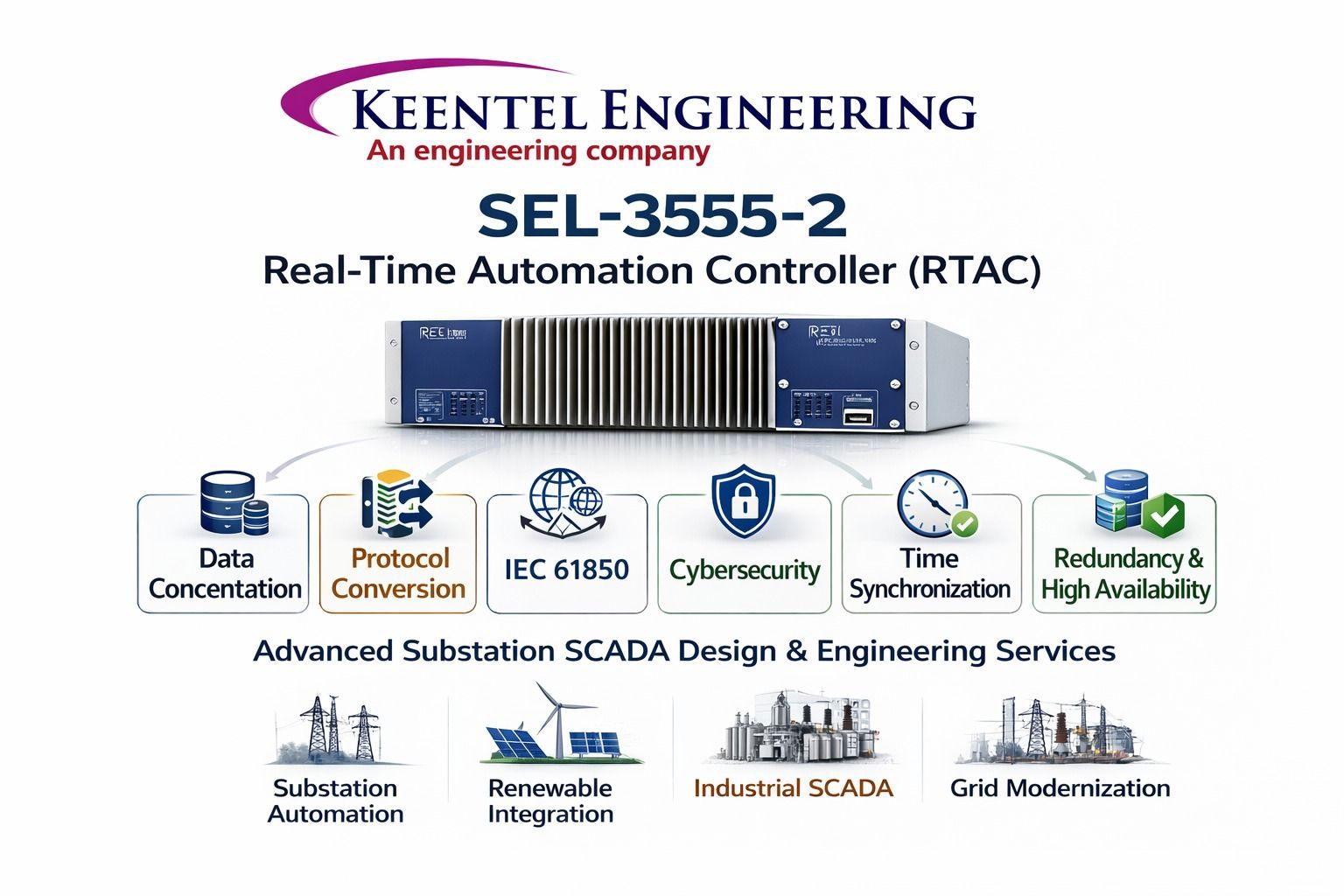
Advanced Substation SCADA Design Using the SEL-3555-2 RTAC How Keentel Engineering Delivers Secure, High-Performance, Standards-Compliant Automation Architectures
By SANDIP R PATEL • February 23, 2026
Explore advanced substation SCADA design using the SEL-3555-2 RTAC. Secure, IEC 61850-compliant, NERC-ready automation by Keentel Engineering.
Read More →

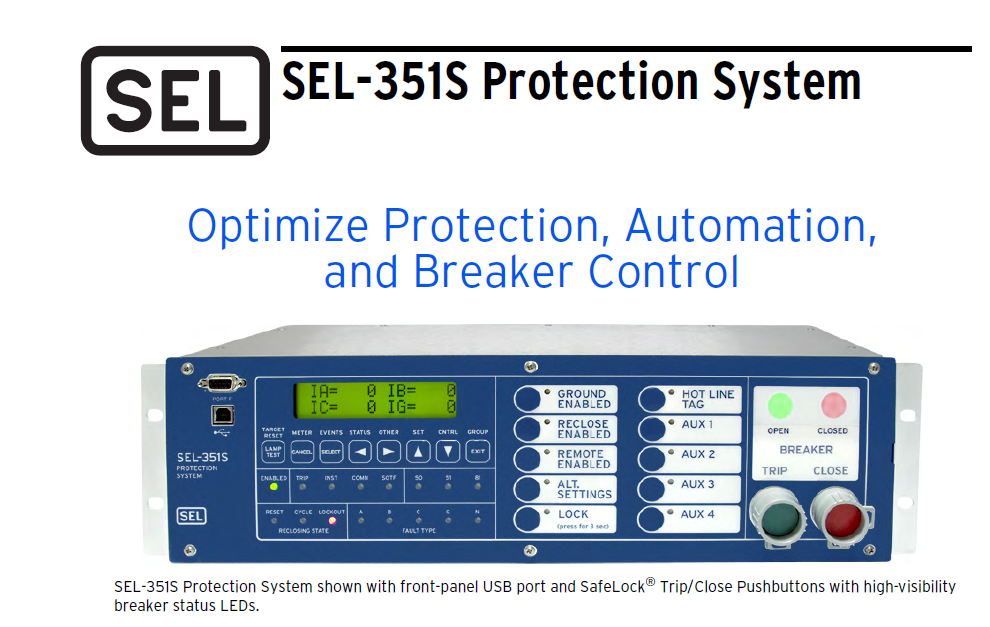
SEL-351S Feeder Protection Relay: Advanced Protection, Automation, and Breaker Control for Modern Substation design
By SANDIP R PATEL • February 20, 2026
Complete guide to the SEL-351S feeder protection relay including overcurrent protection, automation, breaker failure protection, IEC 61850 integration, and synchrophasors.
Read More →
Why “As-Built” Substation Drawings Often Don’t Match Construction Drawings — And How Keentel Engineering Prevents It
By SANDIP R PATEL • February 19, 2026
Learn why as-built substation drawings often differ from construction plans and how stronger QA/QC, constructability reviews, and procurement alignment prevent costly field rework.
Read More →
BIM Beyond Traditional Substation Design: Transforming the Utility Project Lifecycle
By SANDIP R PATEL • February 19, 2026
Discover how BIM transforms substation design into a lifecycle-driven, data-rich utility platform improving engineering, procurement, and operations.
Read More →
Substation Secondary Systems Design – Best Practices for Reliable, Safe, and Compliant Substations
By SANDIP R PATEL • February 8, 2026
Learn best practices for substation secondary systems design—covering protection and control, DC systems, relay panels, CT/VT circuits, redundancy, and compliant substation engineering.
Read More →
Reevaluation of IEEE and IEC Substation Design Standards Under Increasing Fault Current Levels
By SANDIP R PATEL • January 21, 2026
Keentel Engineering white paper on IEEE & IEC substation standards, featuring electrical substations under fault conditions and expert analysis.
Read More →
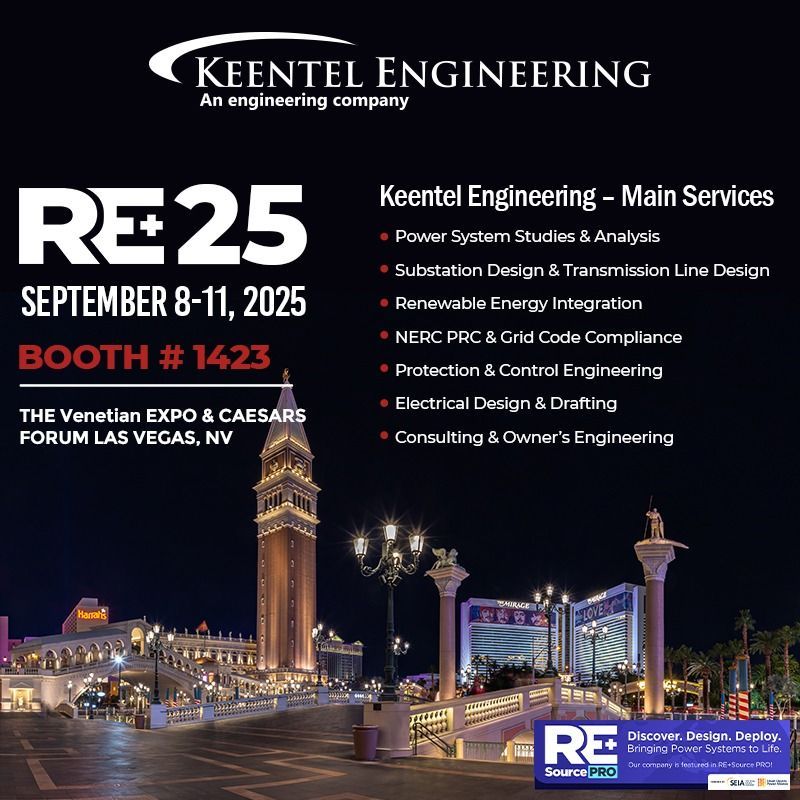
Excited to Connect at RE+ Las Vegas – Booth #1423- Keentel Engineering
By SANDIP R PATEL • August 30, 2025
Join Keentel Engineering at RE+ 2025 in Las Vegas (Booth #1423), Sept 8–11. Explore renewable energy, BESS, substation design, NERC compliance, and advanced power system studies.
Read More →
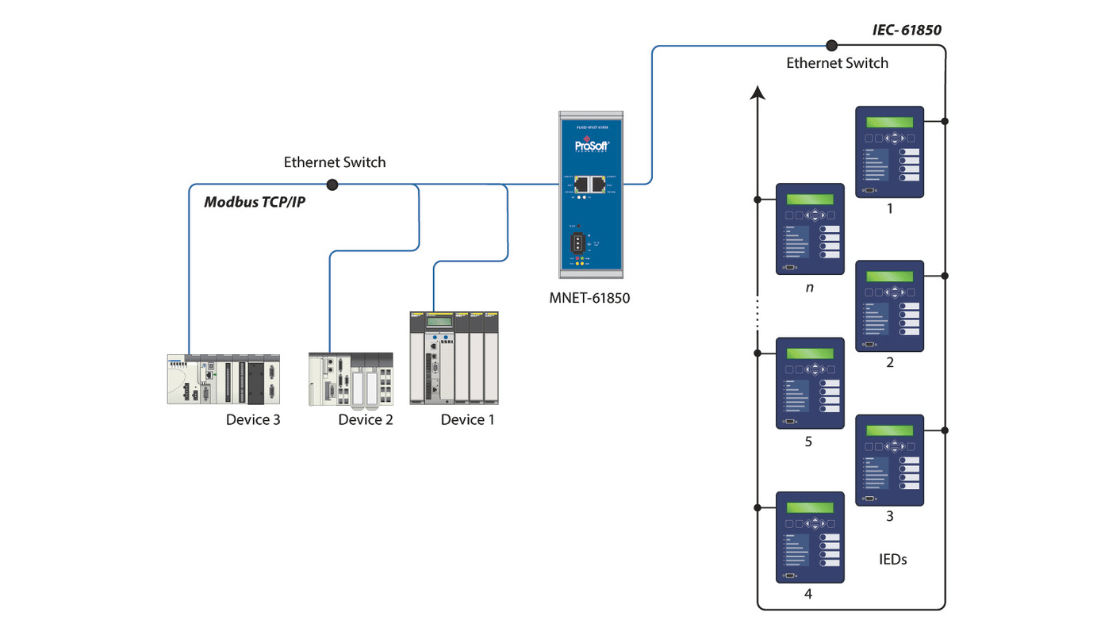
PLX82-MNET-61850 Gateway for NERC-Compliant Substations
By SANDIP R PATEL • June 26, 2025
Enable seamless Modbus to IEC 61850 integration with the PLX82-MNET-61850 gateway. Achieve NERC compliance with audit-ready substation communication.
Read More →
Integrative Applications of IEEE C57 Series Standards for Reliable and Compliant Substation Design
By SANDIP R PATEL • May 21, 2025
Explore how IEEE C57 series standards support transformer reliability, substation diagnostics, and utility compliance in modern substation design.
Read More →
White Paper: Gas Insulated Substations (GIS) – Enhancing Power Network Reliability and Efficiency
By SANDIP R PATEL • May 14, 2025
Learn how GIS boosts HV substation reliability, saves space, ensures SF₆ safety, and optimizes bus schemes, commissioning contact Keentel today.
Read More →
Powering the Future: Transmission Engineering Solutions in the ComEd and PJM Territories
By SANDIP R PATEL • May 14, 2025
Explore Keentel's expert solutions for ComEd & PJM transmission projects—breaker upgrades, HV substation design, relay protection & interconnection studies.
Read More →
Guide to Substation Design and Engineering – Keentel Engineering
By SANDIP R PATEL • May 12, 2025
Discover Keentel Engineering’s step-by-step approach to substation design, ETAP-based simulations, and real-world grid projects—also FAQs and Case studies.
Read More →
Digital Substation Design and Automation with IEC 61850
By SANDIP R PATEL • May 12, 2025
Explore Keentel’s IEC 61850 digital substation design, automation workflows, real implementations, case studies, and FAQs.
Read More →
Optimizing MV Switchgear Design for Cost, Safety & Compliance
By SANDIP R PATEL • May 8, 2025
Improve substation cost per MVA with MV switchgear design using IEC simulations, optimized materials, and efficient, reliable panels.
Read More →
Substation Earthing Design – Protecting Infrastructure and Lives
By SANDIP R PATEL • May 6, 2025
Ensure safe HV/MV operations with Keentel’s CDEGS-based earthing design. We meet EN 50522 & IEEE 80 standards. Protect lives—explore our solutions.
Read More →
Substation Engineering Case Studies: Design, Protection & System Studies
By SANDIP R PATEL • May 3, 2025
Explore substation design case studies including 345kV, GIS, BESS, and 500kV projects with IEEE compliant engineering and power system analysis.
Read More →
IEEE-Compliant EHV, HV & MV Substation Design Services by Keentel
By SANDIP R PATEL • April 23, 2025
Explore Keentel Engineering’s IEEE-compliant EHV, HV & MV substation design services with real-world case studies and proven utility-grade results.
Read More →
Substation Design in Electrical Power System
By SANDIP R PATEL • September 1, 2023
Discover how Keentel Engineering excels in substation design for power system, delivering solutions for secure and efficient power flow.
Read More →
A Guide to the Substation Design Process
By SANDIP R PATEL • January 24, 2022
Learn how to design an electrical substation step-by-step—from planning and layout to regulatory compliance. See Keentel’s engineering guide now.
Read More →
Benefits of Electrical Substation Design
By SANDIP R PATEL • January 17, 2022
Explore the key benefits of electrical substation design, including fault isolation, SCADA monitoring, grid safety, and scalable power systems.
Read More →