A Coordinated Electric System Interconnection Review—the utility’s deep-dive on technical and cost impacts of your project.
Challenge: Frequent false tripping using conventional electromechanical relays
Solution: SEL-487E integration with multi-terminal differential protection and dynamic inrush restraint
Result: 90% reduction in false trips, saving over $250,000 in downtime
| Category | Metric |
|---|---|
| VPP capacity (Lunar Energy) | 650 MW |
| Lunar funding raised | US$232 million |
| Data center BESS example | 31 MW / 62 MWh |
| ERCOT grid-scale batteries | 15+ GW |
| LDES tenders (H1 2026) | Up to 9.3 GW |
| Lithium-ion share of LDES by 2030 | 77% |
| FEOC initial threshold | 55% |
| BESS tariff rate (2026) | ~55% |
| Capacity gain from analytics | 5–15% |
Substation Equipment
Maintenance: Best Practices for Reliable Power System Operation
Mar 7,2026 | blog
Electrical substations are critical infrastructure in modern power systems. They transform voltage levels, protect network assets, and ensure reliable electricity delivery to industrial, commercial, and residential consumers. Because substations operate continuously under high electrical stress, environmental exposure, and mechanical loading, systematic maintenance of substation equipment is essential for grid reliability and operational safety.
Substation assets such as power transformers, circuit breakers, instrument transformers, surge arresters, protection relays, and control systems must operate flawlessly to prevent system disturbances and power outages.
Failure of any major component can lead to:
- Large-scale outages
- Equipment damage
- Safety hazards
- Revenue losses for utilities
- Grid instability
For this reason, utilities and industrial facilities implement structured maintenance strategies that combine preventive maintenance, condition monitoring, and reliability-centered asset management.
At Keentel Engineering, we help utilities, renewable energy developers, and industrial facilities design and implement modern substation maintenance strategies that improve reliability, extend equipment life, and reduce operational costs.
This article provides an in-depth overview of substation maintenance philosophy, equipment inspection techniques, testing procedures, and modern predictive maintenance practices.
Substation Maintenance Philosophy
A comprehensive maintenance strategy ensures reliable operation while minimizing downtime and maintenance costs. Modern substation maintenance programs typically use four approaches.
1. Breakdown Maintenance
Breakdown maintenance refers to repairing equipment only after failure occurs. While this approach may be acceptable for non-critical equipment, it is generally unsuitable for major substation assets such as transformers and circuit breakers.
Waiting for equipment failure can cause severe consequences, including system outages and costly repairs. Therefore, breakdown maintenance is rarely used for critical infrastructure.
2. Preventive Maintenance
Preventive maintenance involves performing scheduled inspections and servicing at predetermined intervals.
Typical preventive maintenance activities include:
- Visual inspection of equipment
- Cleaning of insulators and bushings
- Lubrication of mechanical parts
- Tightening of electrical connections
- Functional testing of protection systems
- Verification of control system operation
- Maintenance intervals are determined based on:
- Manufacturer recommendations
- Equipment operating history
- Environmental conditions
- Utility maintenance policies
Preventive maintenance improves reliability but often requires scheduled shutdowns of equipment.
3. Condition-Based Maintenance
Condition-based maintenance focuses on monitoring equipment condition and performing maintenance only when necessary.
Instead of relying solely on fixed maintenance schedules, engineers analyze diagnostic data to determine equipment health.
Common condition monitoring techniques include:
- Dissolved gas analysis (DGA)
- Infrared thermography
- Insulation resistance testing
- Partial discharge monitoring
- Oil quality analysis
- Vibration monitoring
These methods allow utilities to detect early signs of deterioration and take corrective action before failures occur.
4. Reliability-Centered Maintenance (RCM)
Reliability-centered maintenance is an advanced asset management strategy designed to optimize maintenance planning.
RCM focuses on:
- Maintaining equipment performance at required reliability levels
- Minimizing unnecessary maintenance activities
- Reducing equipment downtime
- Extending asset life cycles
- Improving system availability
This approach integrates engineering analysis, historical data, and real-time monitoring to determine the most cost-effective maintenance strategy.
Major Causes of Substation Equipment Failures
Substation protection systems incorporate both primary protection and backup protection.
Primary Protection
Primary protection is the first line of defense.
It operates quickly to isolate faults within its designated zone.
Examples include:
- Differential protection
- Distance protection
- Overcurrent protection
Backup Protection
- Backup protection operates if the primary protection fails.
Two types of backup protection exist:
Local backup protection
- Located within the same substation.
Remote backup protection
- Located at adjacent substations.
Backup protection typically operates with intentional time delay.
Maintenance of Power Transformers
Power transformers are among the most critical and expensive assets in a substation. Their reliability directly impacts the availability of electrical power.
Routine transformer maintenance includes several inspection and testing procedures.
Visual Inspection
Regular visual inspection helps identify early signs of equipment deterioration.
Engineers should inspect transformers for:
- Dirt or contamination on external surfaces
- Corrosion or rust on the tank
- Oil leakage from joints or valves
- Mechanical damage
- Loose fittings or connections
- Abnormal vibration or noise
The surrounding area must also be kept clean to prevent contamination and overheating.
Monitoring Transformer Oil Levels
Transformer oil serves two important purposes:
1. Electrical insulation
2. Heat dissipation
Low oil levels may lead to insulation breakdown and overheating. Therefore, oil levels in the conservator should be checked regularly.
Breather Maintenance
Transformers use silica gel breathers to remove moisture from air entering the conservator.
Maintenance activities include:
- Checking the color of silica gel
- Replacing saturated silica gel
- Reactivating silica gel through heating
Proper breather maintenance prevents moisture contamination in transformer oil.
Temperature Monitoring
Temperature indicators provide alarms and trip signals when transformer temperature exceeds safe operating limits.
Routine testing ensures that:
- Temperature alarms operate correctly
- Trip signals are triggered at the correct temperature
- Sensors and indicators are properly calibrated
Maintenance of Switchyard Equipment
Switchyard equipment includes devices used for switching, protection, and measurement in high-voltage substations.
These include:
- Circuit breakers
- Isolators
- Current transformers (CT)
- Capacitive voltage transformers (CVT)
- Surge arresters
Circuit Breaker Maintenance
Circuit breakers interrupt fault currents and protect power system equipment.
Maintenance procedures include:
- Cleaning insulators
- Checking operating mechanisms
- Inspecting contact wear
- Verifying operating timing
- Detecting gas leakage in SF6 breakers
- Lubricating moving parts
Loose connections and mechanical wear are common causes of breaker failures.
Instrument Transformer Maintenance
Instrument transformers provide voltage and current signals for metering and protection systems.
Maintenance activities include:
- Insulation testing
- Ratio testing
- Thermographic scanning
- Visual inspection of insulators
- Checking oil levels in oil-filled units
Accurate operation of instrument transformers is essential for proper protection system performance.
Protection Relay Testing
Protection relays detect faults and isolate affected equipment from the power system.
Routine relay testing verifies:
- Pickup current settings
- Time-delay characteristics
- Communication channels
- Protection coordination
Modern relay test systems can simulate faults and verify relay performance under different conditions.
Cable System Maintenance
Substation cables connect equipment and protection systems.
Maintenance tasks include:
- Insulation resistance testing
- Continuity testing
- Fault location testing
- Visual inspection of cable installations
Monitoring cable loading is also important to ensure cables are not overloaded beyond their rated capacity.
Substation Earthing System Maintenance
Earthing systems provide a safe path for fault currents and protect personnel from electric shock.
Maintenance activities include:
- Measuring earth resistance
- Inspecting grounding connections
- Verifying electrode integrity
- Ensuring corrosion protection
Proper grounding is essential for both safety and equipment protection.
Advanced Diagnostic Testing Techniques
Modern substations use advanced diagnostic techniques to monitor equipment condition.
These techniques include:
- Infrared thermography
- Frequency response analysis
- Partial discharge detection
- Dissolved gas analysis
- Insulation resistance monitoring
These tests allow engineers to detect internal problems before they lead to equipment failure.
How Keentel Engineering Supports Substation Maintenance Programs
Keentel Engineering provides specialized services to utilities, renewable energy developers, and industrial facilities worldwide.
Our services include:
- Substation engineering and design
- Transformer diagnostics and testing
- Protection system analysis
- Condition monitoring system design
- Asset management consulting
- Grid reliability studies
- Maintenance strategy development
Our
engineering team helps clients develop cost-effective maintenance programs that improve system reliability and extend equipment life.
FAQs: Substation Equipment Maintenance
1. Why is substation maintenance important?
Substation maintenance ensures reliable operation of electrical equipment, prevents failures, and improves grid stability.
2. What is preventive maintenance in substations?
Preventive maintenance involves scheduled inspections and servicing performed at fixed intervals to prevent equipment failure.
3. What is condition-based maintenance?
Condition-based maintenance uses diagnostic testing and monitoring systems to determine the actual condition of equipment before performing maintenance.
4. What tests are used for transformer diagnostics?
Common transformer diagnostic tests include:
- Dissolved gas analysis
- Insulation resistance testing
- Oil quality testing
- Winding resistance testing
- Thermographic scanning
5. What causes transformer failures?
Transformer failures may result from insulation breakdown, overheating, poor maintenance, lightning surges, or short circuits.
6. Why is thermographic scanning used in substations?
Thermography helps detect overheating components, loose connections, and abnormal electrical conditions.
7. How often should substation equipment be inspected?
Inspection frequency depends on equipment type, operating conditions, and manufacturer recommendations.
8. What is the role of earthing in substations?
Earthing systems safely dissipate fault currents into the ground and protect personnel from electrical hazards.
9. What tools are used for relay testing?
Relay testing tools include manual test kits and automated relay test systems capable of simulating fault conditions.
10. What services does Keentel Engineering provide for substations?
Keentel Engineering offers substation design, diagnostics, protection studies, maintenance planning, and reliability consulting services.

About the Author:
Sandip "Sonny" R. Patel, P.E.
IEEE Senior Member · Founder & CEO, Keentel Engineering
In 1995, Sonny Patel earned his Electrical Engineering degree from the University of Illinois. But degrees don't build legacies — action does.
For three decades, he has worked the power industry from every side of the table: 16 years as a utility engineer at Exelon/Commonwealth Edison; generation leadership across hydroelectric, industrial steam turbine, and a 9 GW renewable fleet; NERC Regional Entity Senior Compliance Engineer and Audit Team Lead, auditing some of the nation's largest utilities; and testing and commissioning lead on equipment up to 765 kV — the very top of the North American grid.Utility. Generator. Regulator. Consultant. Few engineers have seen all four seats. Fewer still have sat in them.
His experience spans nuclear, hydro, conventional generation, renewables, oil and gas, mining — and today's data centers, where he is authoring a three-book series on data center design. He is a Licensed Professional Engineer in six states and a Licensed Electrical Contractor in Florida (Unlimited EC) — he doesn't just design the work; he's qualified to stand behind its execution.Today, as Founder and CEO of Keentel Engineering, Sonny leads a nationwide team of engineers delivering substation design, power system studies, NERC compliance, and commissioning — done right, coast to coast.Three decades. Every side of the table. One standard: accountable engineering.
Services

Let's Discuss Your Project
Let's book a call to discuss your electrical engineering project that we can help you with.
About the Author:
Sandip "Sonny" R. Patel, P.E.
IEEE Senior Member · Founder & CEO, Keentel Engineering
In 1995, Sonny Patel earned his Electrical Engineering degree from the University of Illinois. But degrees don't build legacies — action does.
For three decades, he has worked the power industry from every side of the table: 16 years as a utility engineer at Exelon/Commonwealth Edison; generation leadership across hydroelectric, industrial steam turbine, and a 9 GW renewable fleet; NERC Regional Entity Senior Compliance Engineer and Audit Team Lead, auditing some of the nation's largest utilities; and testing and commissioning lead on equipment up to 765 kV — the very top of the North American grid.
Utility. Generator. Regulator. Consultant. Few engineers have seen all four seats. Fewer still have sat in them.
His experience spans nuclear, hydro, conventional generation, renewables, oil and gas, mining — and today's data centers, where he is authoring a three-book series on data center design. He is a Licensed Professional Engineer in six states and a Licensed Electrical Contractor in Florida (Unlimited EC) — he doesn't just design the work; he's qualified to stand behind its execution.
Today, as Founder and CEO of Keentel Engineering, Sonny leads a nationwide team of engineers delivering substation design, power system studies, NERC compliance, and commissioning — done right, coast to coast.Three decades. Every side of the table. One standard: accountable engineering.
Leave a Comment
Thank you for contacting us.
We will get back to you as soon as possible.
We will get back to you as soon as possible.
Oops, there was an error sending your message.
Please try again later.
Please try again later.
Related Posts
By SANDIP R PATEL
•
September 9, 2026
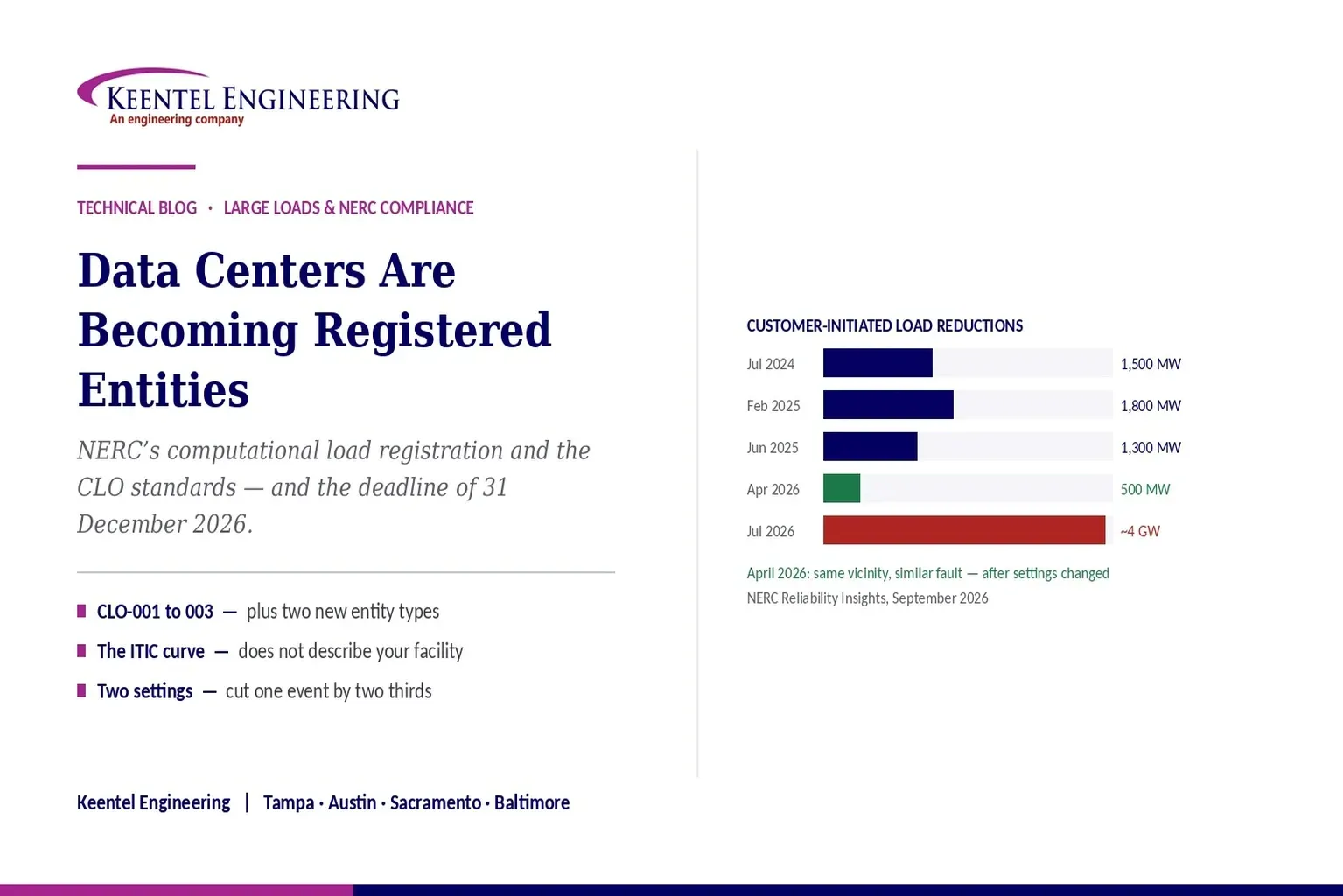
Learn how NERC computational load registration impacts data centers, CLO standards, ride-through requirements, modeling, and grid reliability compliance.
By SANDIP R PATEL
•
September 7, 2026
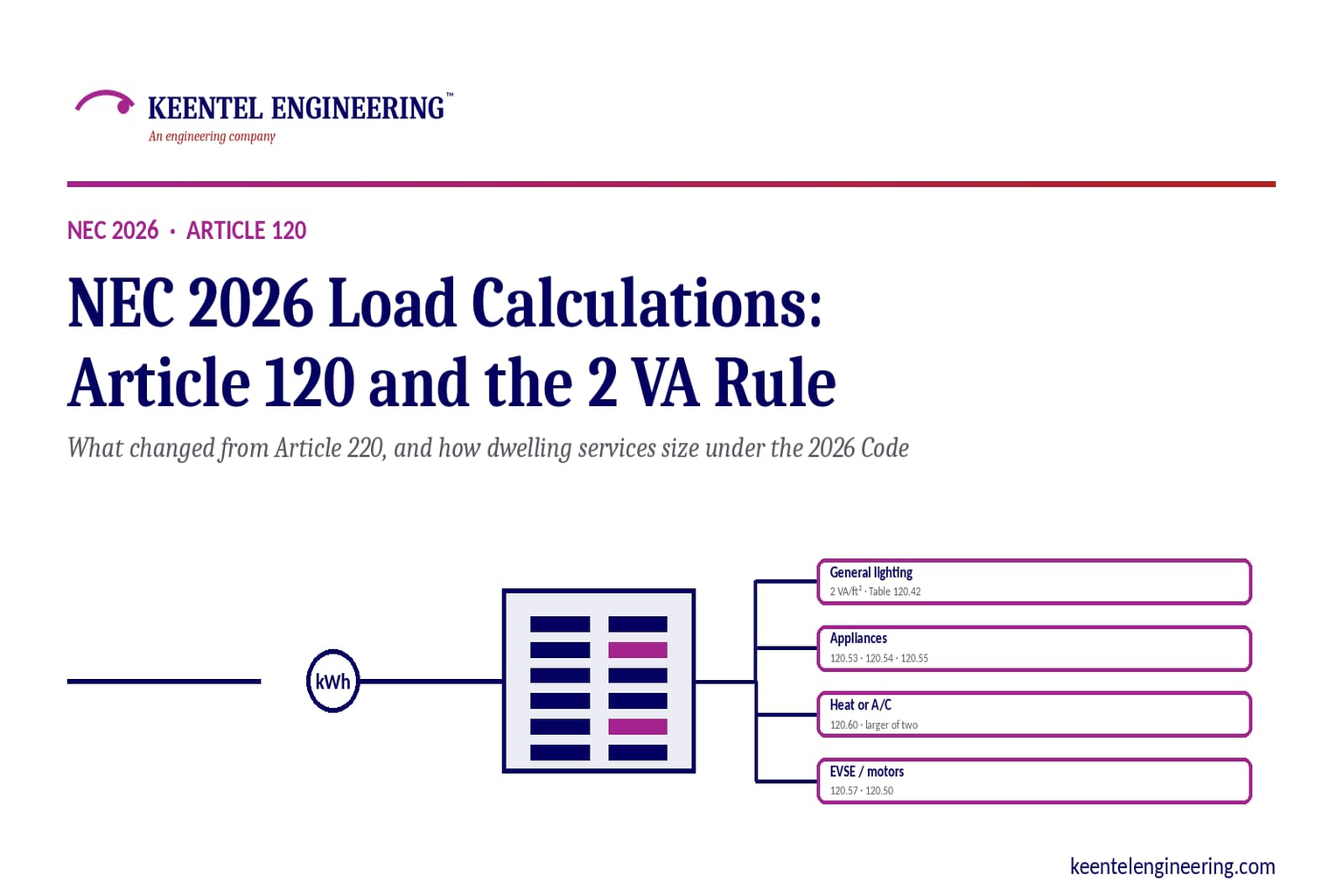
Learn NEC 2026 load calculations, Article 120 changes, the 2 VA rule, EV charging requirements, service sizing, and dwelling calculation methods.
By SANDIP R PATEL
•
September 7, 2026
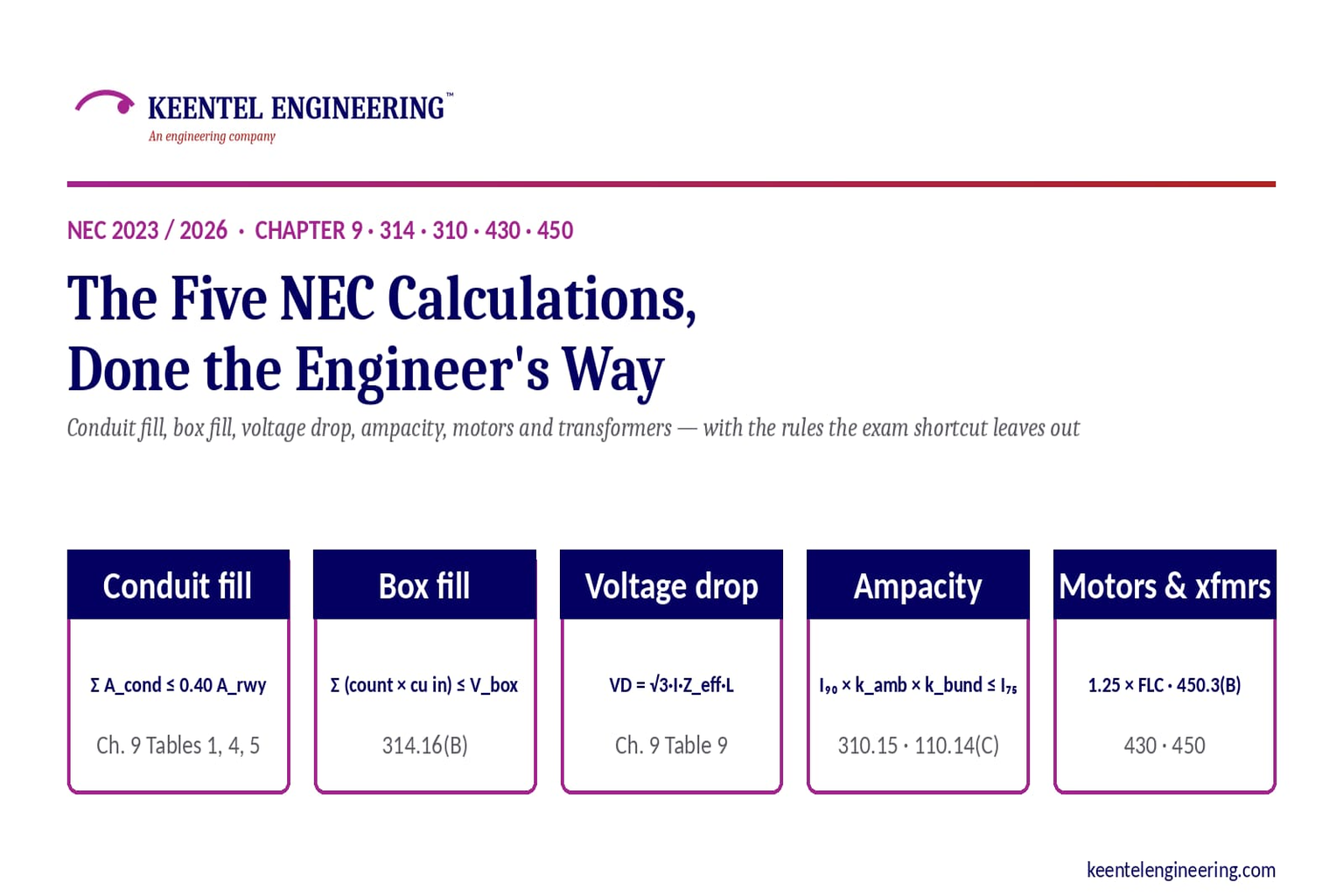
Learn five essential NEC calculations covering conduit fill, voltage drop, ampacity, motor circuits, and transformer protection with engineering examples.
By SANDIP R PATEL
•
September 7, 2026
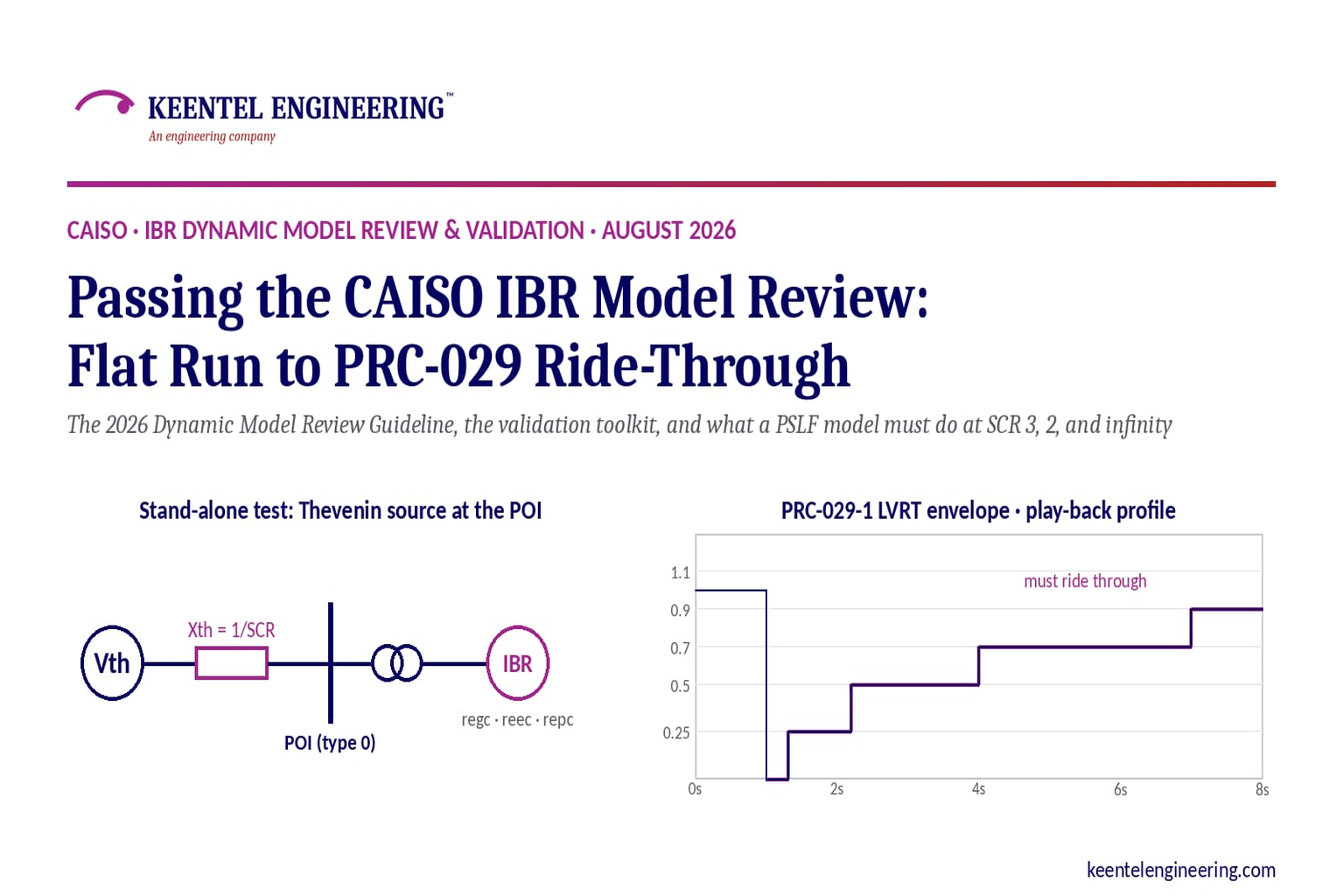
Learn how CAISO reviews IBR models using PSLF validation, PRC-029-1 ride-through requirements, WECC models, and inverter resource compliance testing.
By SANDIP R PATEL
•
September 7, 2026
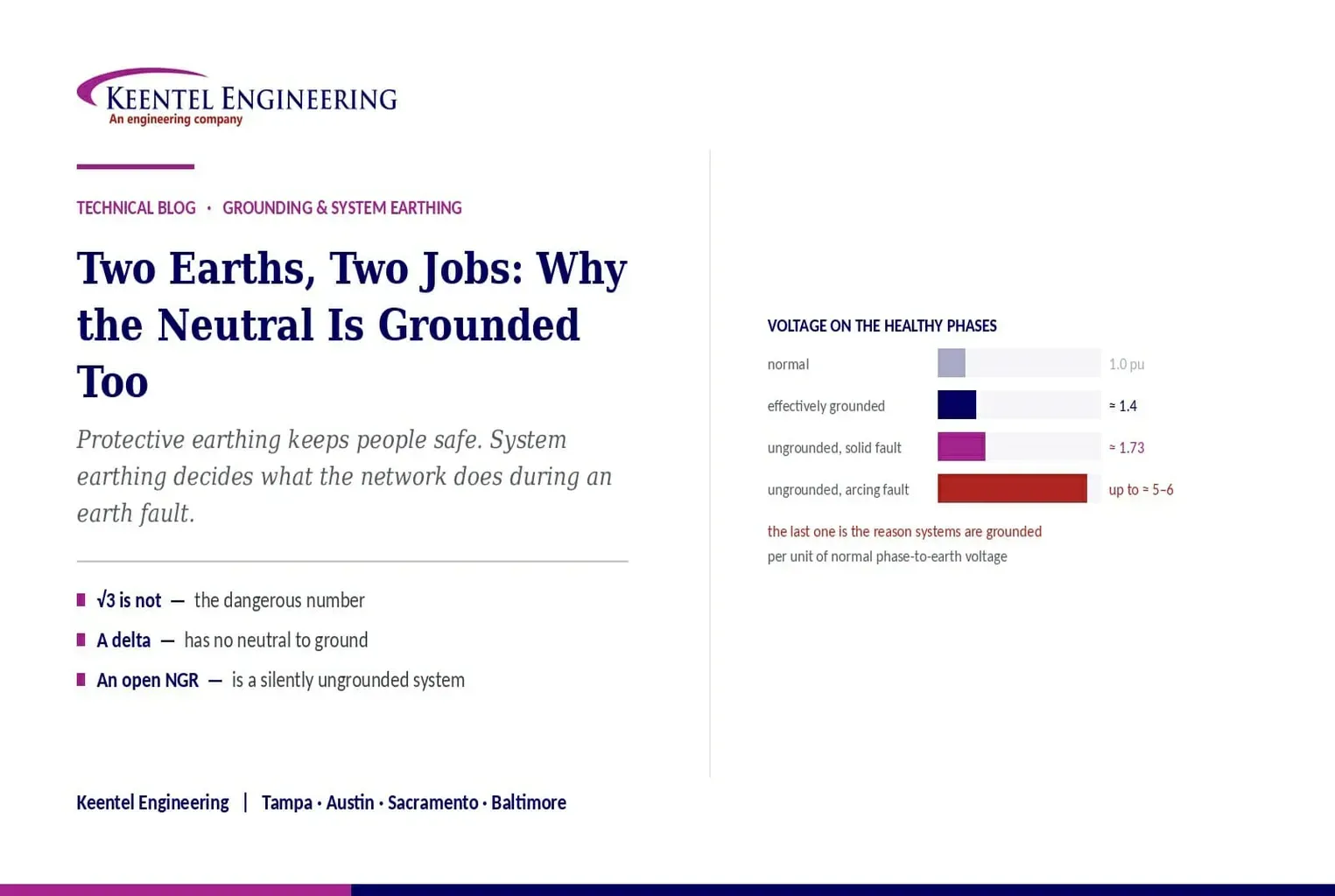
Understand system earthing and protective earthing, neutral grounding methods, effective grounding, ground grids, and insulation coordination for power systems
By SANDIP R PATEL
•
September 6, 2026
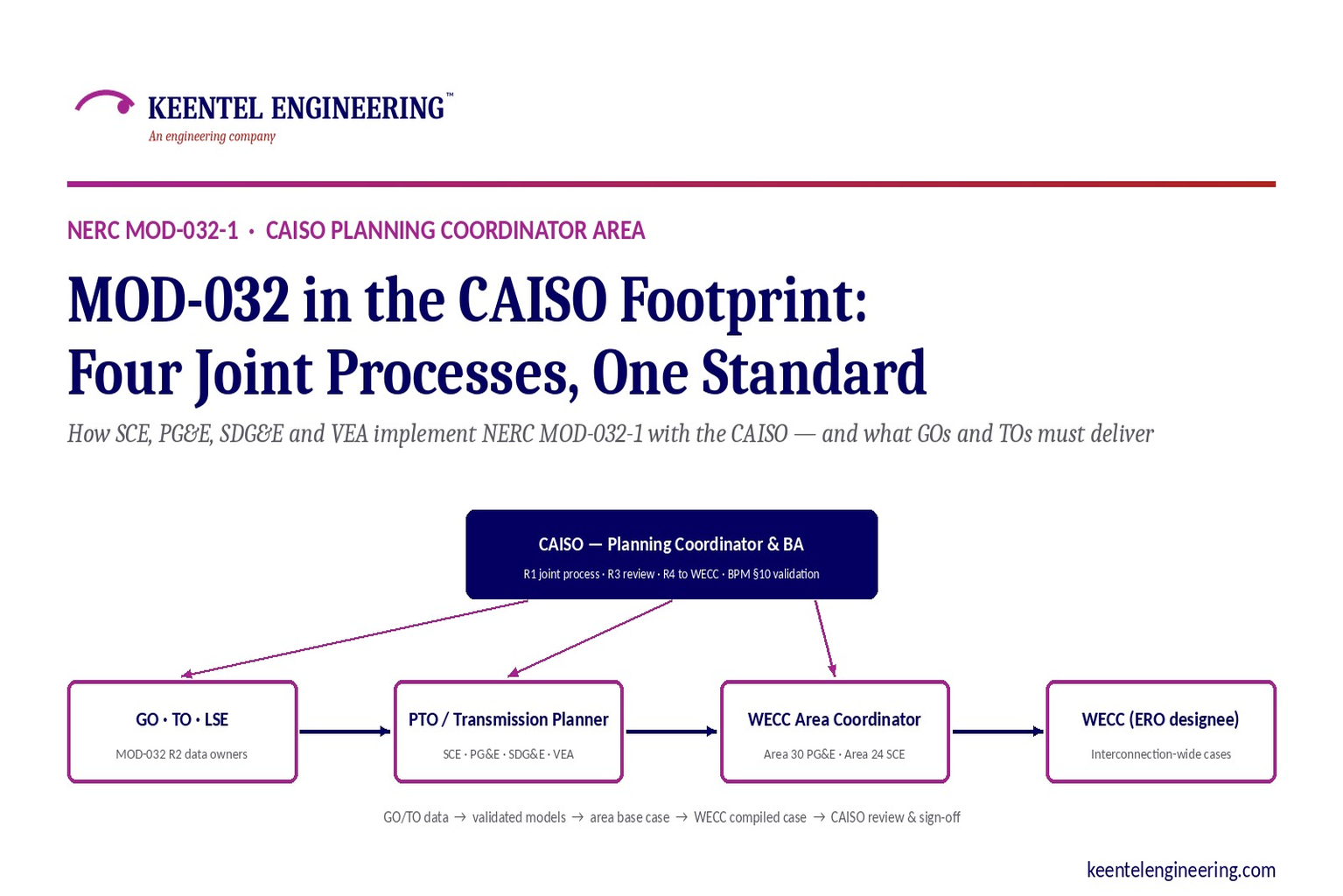
Learn how NERC MOD-032-1 applies across CAISO, SCE, PG&E, VEA and SDG&E, including generator data, PSLF models, EMT requirements and WECC submissions.
By SANDIP R PATEL
•
September 6, 2026
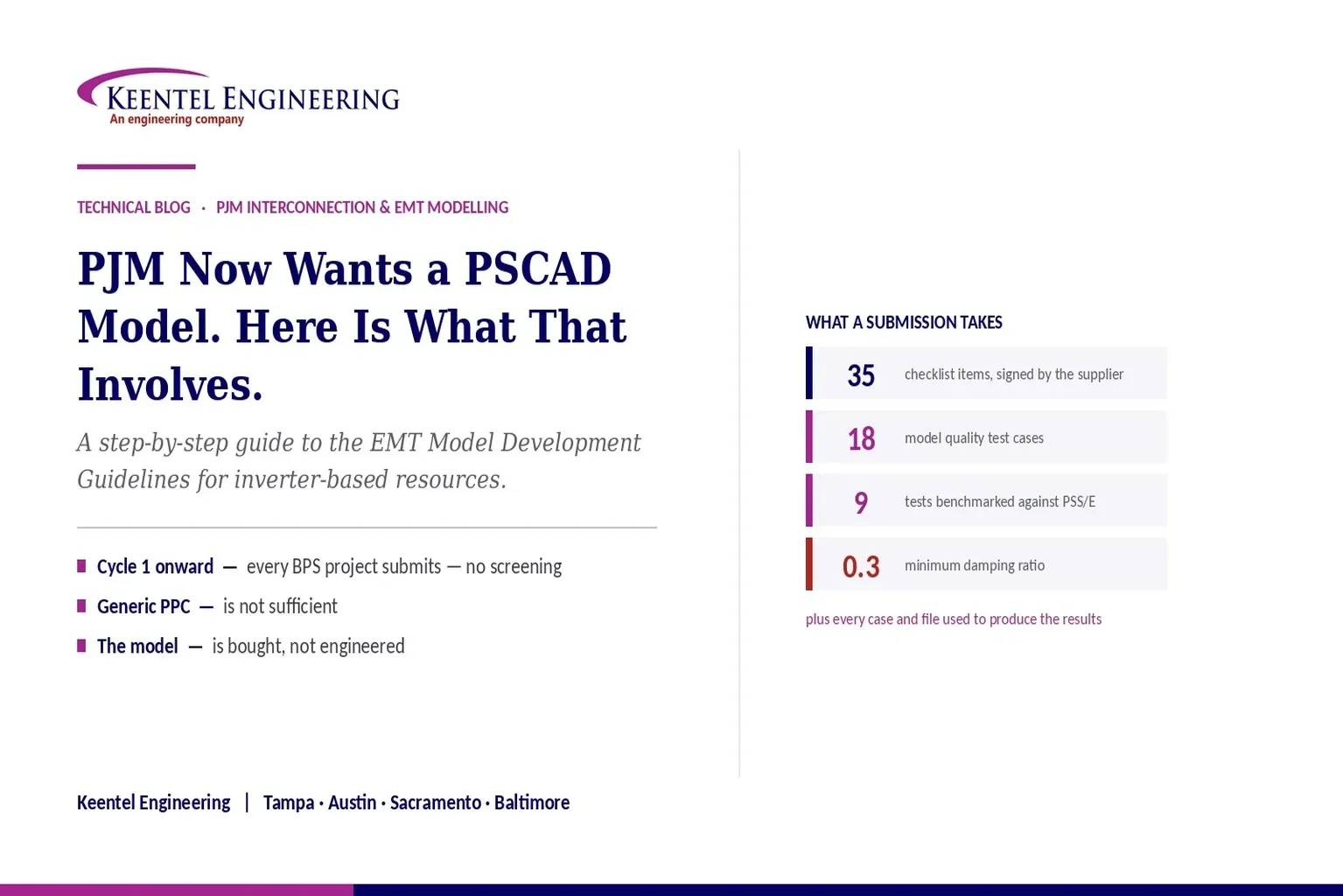
Learn PJM PSCAD model requirements for inverter-based resources, EMT testing, PSS/E benchmarking, ride-through studies, and compliance submissions
By SANDIP R PATEL
•
September 6, 2026
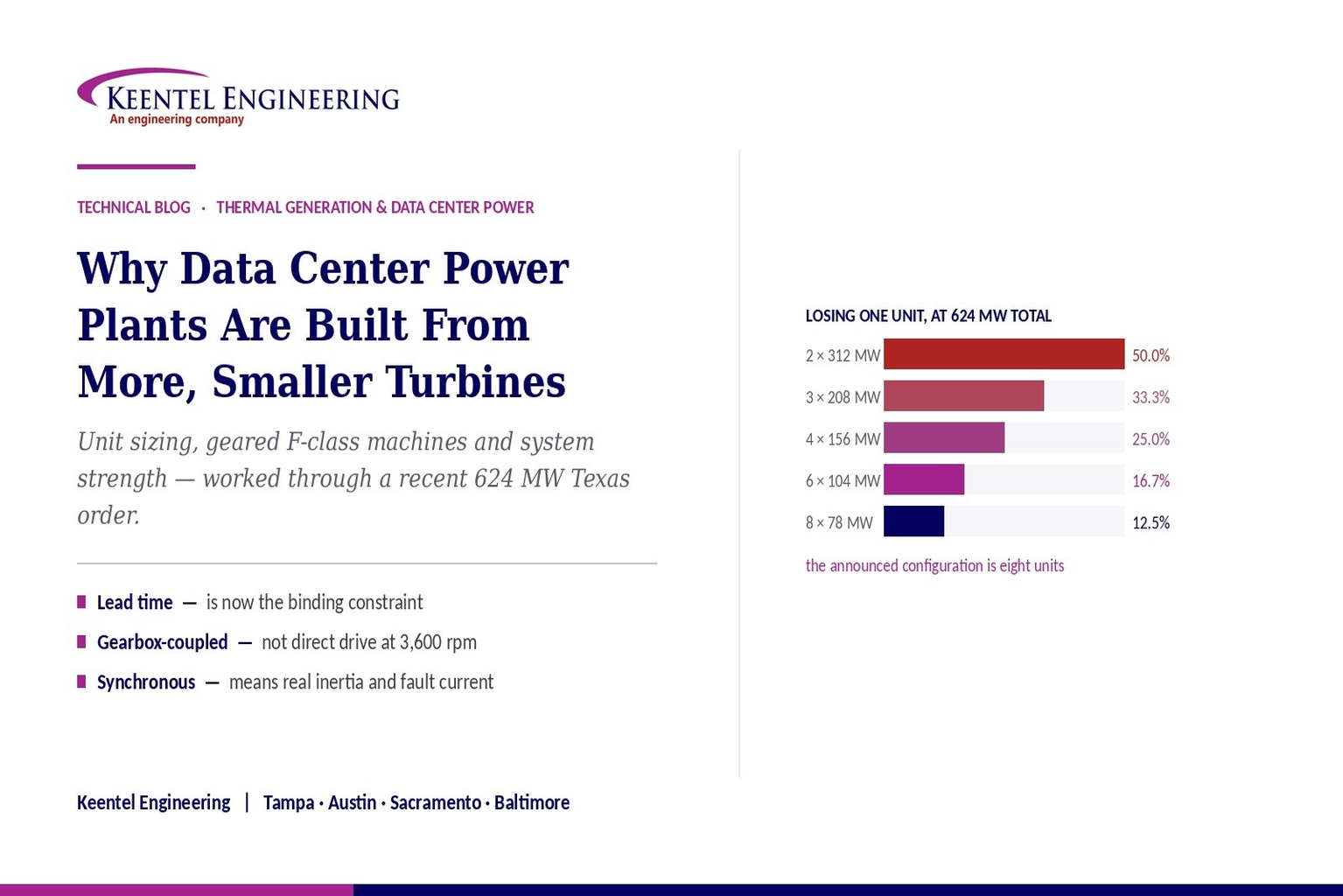
Learn why data center power plants use multiple smaller gas turbines, covering 624 MW capacity, redundancy, grid connection, system strength, and engineering.
By SANDIP R PATEL
•
September 5, 2026
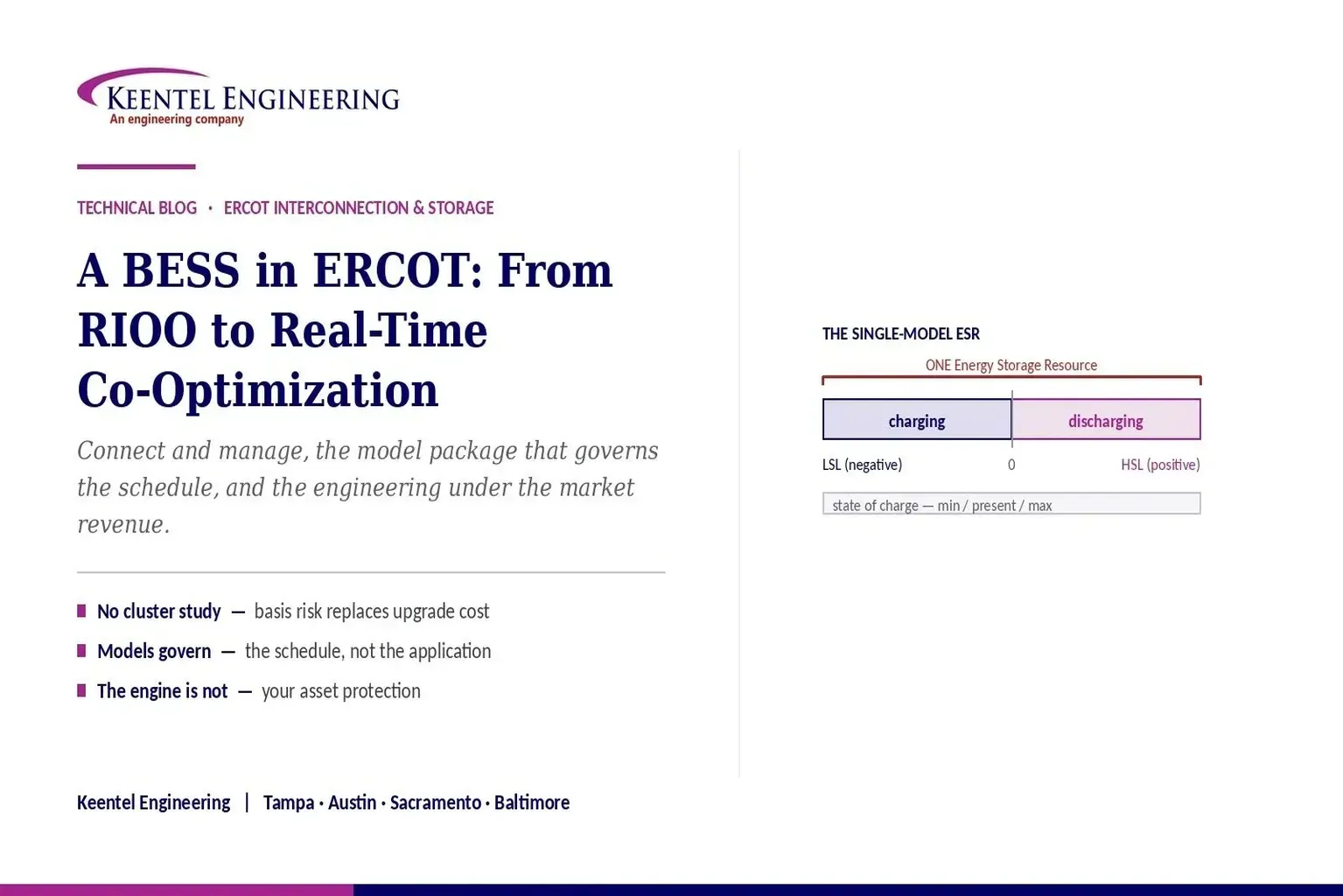
Understand ERCOT BESS interconnection requirements, including model packages, EMT studies, ride-through compliance, telemetry, and real-time co-optimization.