A Coordinated Electric System Interconnection Review—the utility’s deep-dive on technical and cost impacts of your project.
Challenge: Frequent false tripping using conventional electromechanical relays
Solution: SEL-487E integration with multi-terminal differential protection and dynamic inrush restraint
Result: 90% reduction in false trips, saving over $250,000 in downtime
How Do Electrical Substations Benefit Municipal Utilities?
November 22, 2024 | Blog
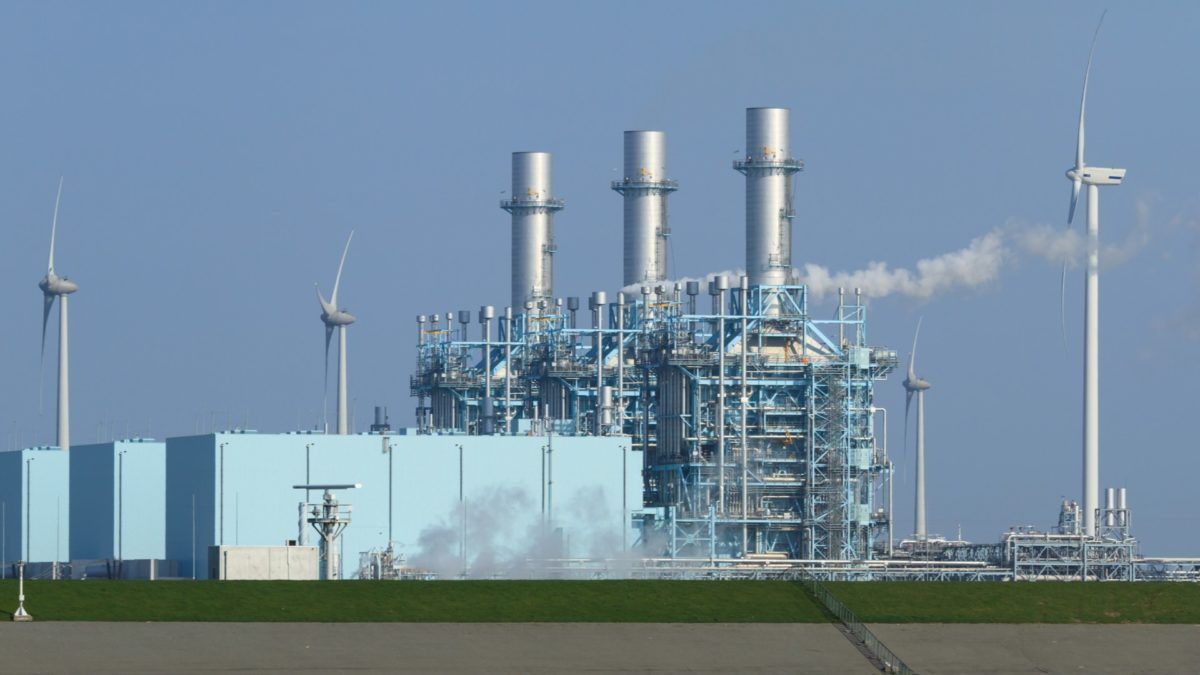
In modern cities, electricity flows seamlessly to homes and businesses, powering everything from essential infrastructure to personal devices. A vital part of this distribution process is the electrical substation. For municipal utilities, these substations serve as critical hubs that support the safe, efficient, and reliable delivery of electricity across urban landscapes.
An electrical substation plays a vital role in converting voltage levels and maintaining stable power delivery across municipal grids.
The Role of Electrical Substations in the Power Grid
Electrical substations act as the backbone of any municipal power grid, converting high-voltage electricity from transmission lines into lower-voltage power suitable for distribution to homes, businesses, and other facilities. These substations also play a critical role in voltage regulation, power factor correction, and network protection.
Many utilities ask what do electrical substations do, and the answer lies in their ability to regulate voltage, protect equipment, and manage power flow.
Step-Down Voltage Conversion
One of the primary functions of an electrical substation is to step down the voltage. Electricity generated at power plants travels through transmission lines at high voltages to reduce loss over long distances. However, before reaching end-users, the voltage needs to be lowered. Substations house transformers that perform this essential function, ensuring electricity is at a usable voltage level by the time it reaches neighborhoods and businesses.
Voltage Regulation
Voltage stability is crucial for a reliable power supply. Electrical substations monitor and control voltage, addressing fluctuations that could damage infrastructure or disrupt service. Through equipment like voltage regulators and tap changers, substations ensure that municipal utilities maintain consistent voltage levels, reducing the risk of overloads or short circuits and thereby enhancing customer satisfaction and operational safety.
Power Factor Correction and Loss Minimization
Power factor correction is another key benefit of substations. By managing the power factor, substations can improve the efficiency of electricity delivery. Reduced power loss translates to more effective resource utilization for municipal utilities, which can lead to lower operational costs and reduced environmental impact.
Enhancing Reliability and Safety for Municipal Utilities
Reliability and safety are critical aspects of utility management, as they directly impact residents and businesses. Electrical substations contribute to these goals in several important ways.
Improve system performance with our power system studies services for load flow and grid optimization.
Grid Resilience and Reliability
Municipal utilities depend on substations for reliable grid performance. Through real-time monitoring and system protection devices, substations can identify and respond to irregularities in power flow, minimizing the likelihood of outages. Additionally, many substations are designed with redundancy, which means that if one component fails, another can take over without impacting service.
Safety and Protection Mechanisms
Substations are equipped with advanced protection mechanisms that safeguard both the equipment and personnel. Circuit breakers and relays within a substation can quickly isolate sections of the network during a fault, preventing damage from cascading throughout the grid. This containment ability protects other parts of the electrical system from outages and allows for faster service restoration, an invaluable feature for municipal utilities focused on uninterrupted service.
Compliance and Standards: The Importance of NERC Guidelines
Adhering to regulatory standards is essential for municipal utilities to avoid costly penalties and maintain operational integrity. The North American Electric Reliability Corporation (NERC) establishes standards to ensure the security and reliability of the power system, and electrical substations are integral to this compliance.
NERC Operation and Planning Standards
NERC’s standards cover both operational and planning aspects. In substations, these standards govern system monitoring, real-time control, and emergency response procedures. Compliance with NERC standards ensures municipal utilities can effectively respond to power fluctuations and emergencies, which is essential for maintaining public safety and trust.
NERC’s planning standards also provide guidelines for future-proofing substations, which helps utilities anticipate and meet growing demands. By adhering to these standards, utilities can better manage long-term planning, integrate new technologies, and improve reliability.
Monitoring and Compliance Support
NERC conducts compliance audits to ensure municipal utilities meet the required standards. Substations equipped with state-of-the-art monitoring and control systems are better positioned to meet these compliance needs. Advanced data collection and analysis tools within substations support regular assessments and audits, providing real-time insights that help utilities maintain compliance and avoid disruptions.
Supporting Renewable Integration and Future Power Needs
The push toward renewable energy is reshaping municipal utilities, and substations are at the heart of integrating renewable resources like solar and wind into the power grid. This shift has brought unique challenges and opportunities, especially as municipalities work to incorporate distributed energy resources (DERs) into their existing infrastructure.
Accommodating Renewable Energy Sources
Electrical substations are designed to manage variable energy outputs from renewables, stabilizing fluctuations to ensure reliable delivery. Voltage and frequency fluctuations are more common with renewable energy sources due to weather-dependent generation, and substations can mitigate these through real-time adjustments. Municipal utilities rely on this capability to ensure renewable energy resources are seamlessly incorporated, supporting community sustainability goals.
Distributed Energy Resource Management
With an increasing number of DERs, substations play a crucial role in grid management. Substations facilitate two-way energy flow, which is essential for municipalities utilizing renewable sources. For example, excess energy generated by a residential solar panel system can be fed back into the grid through a substation. This bi-directional flow helps municipalities achieve energy efficiency while empowering residents and businesses to contribute to grid resilience.
Operational Efficiency and Cost Savings
For municipal utilities, operational efficiency is key to managing costs and meeting budget constraints. Electrical substations contribute to this by automating processes, reducing manual intervention, and minimizing maintenance expenses.
Operational efficiency in substations is achieved through automation, real-time monitoring, and advanced control systems.
Automation and Remote Monitoring
Modern substations are equipped with automation technology and remote monitoring systems. This means that municipal utility operators can monitor substation performance in real-time and perform remote diagnostics, reducing the need for on-site personnel. Automation not only increases operational efficiency but also speeds up response times, helping utilities address potential issues before they escalate.
Reduced Maintenance Costs
With advanced diagnostic equipment, substations can proactively detect wear and potential malfunctions. Condition-based maintenance strategies allow utilities to focus on equipment that genuinely requires attention, saving both time and resources. For municipal utilities, this approach to maintenance reduces the frequency of costly unplanned repairs and extends the life of substation equipment, supporting long-term budget management.
Meeting the Growing Demand for Electricity
Municipalities across North America are experiencing rising electricity demands due to population growth and urban development. Substations enable utilities to scale their operations and meet this increased demand without compromising service quality.
Utility substation design is essential for supporting scalability, reliability, and future energy demand in growing municipalities.
Scalability and Flexibility
Electrical substations are built with scalability in mind, allowing municipal utilities to expand capacity as needed. This flexibility is essential for municipalities in fast-growing areas. Whether a city needs to accommodate a new residential development or an expanding industrial area, substations can be modified to handle higher loads, supporting community growth and development without overburdening existing infrastructure.
Demand Response Programs
Some municipal utilities are implementing demand response programs to manage peak loads. Substations play an essential role in these programs by monitoring demand in real-time and adjusting distribution accordingly. For instance, during periods of high demand, substations can redistribute power more efficiently to prevent blackouts or brownouts. This adaptability enhances the overall resilience of the power grid, allowing municipalities to better serve their residents.
The Value of Electrical Substations for Municipal Utilities
Electrical substations are indispensable assets for municipal utilities, providing essential services such as voltage regulation, grid protection, renewable energy integration, and support for scalability. They are foundational to achieving reliable, safe, and cost-effective electricity distribution that meets regulatory standards and adapts to evolving energy needs. At Keentel Engineering, we specialize in designing and optimizing electrical substations to meet the unique needs of municipal utilities. With over two decades of experience, we are committed to enhancing power systems through innovative engineering solutions that prioritize safety, reliability, and compliance. If your utility is looking to upgrade its infrastructure, streamline operations, or prepare for future energy demands, Keentel Engineering is here to help. Contact us today to learn how our expert team can support your power system needs and take your utility to new heights.

About the Author:
Sandip "Sonny" R. Patel, P.E.
IEEE Senior Member · Founder & CEO, Keentel Engineering
In 1995, Sonny Patel earned his Electrical Engineering degree from the University of Illinois. But degrees don't build legacies — action does.
For three decades, he has worked the power industry from every side of the table: 16 years as a utility engineer at Exelon/Commonwealth Edison; generation leadership across hydroelectric, industrial steam turbine, and a 9 GW renewable fleet; NERC Regional Entity Senior Compliance Engineer and Audit Team Lead, auditing some of the nation's largest utilities; and testing and commissioning lead on equipment up to 765 kV — the very top of the North American grid.Utility. Generator. Regulator. Consultant. Few engineers have seen all four seats. Fewer still have sat in them.
His experience spans nuclear, hydro, conventional generation, renewables, oil and gas, mining — and today's data centers, where he is authoring a three-book series on data center design. He is a Licensed Professional Engineer in six states and a Licensed Electrical Contractor in Florida (Unlimited EC) — he doesn't just design the work; he's qualified to stand behind its execution.Today, as Founder and CEO of Keentel Engineering, Sonny leads a nationwide team of engineers delivering substation design, power system studies, NERC compliance, and commissioning — done right, coast to coast.Three decades. Every side of the table. One standard: accountable engineering.
Services

Let's Discuss Your Project
Let's book a call to discuss your electrical engineering project that we can help you with.
About the Author:
Sandip "Sonny" R. Patel, P.E.
IEEE Senior Member · Founder & CEO, Keentel Engineering
In 1995, Sonny Patel earned his Electrical Engineering degree from the University of Illinois. But degrees don't build legacies — action does.
For three decades, he has worked the power industry from every side of the table: 16 years as a utility engineer at Exelon/Commonwealth Edison; generation leadership across hydroelectric, industrial steam turbine, and a 9 GW renewable fleet; NERC Regional Entity Senior Compliance Engineer and Audit Team Lead, auditing some of the nation's largest utilities; and testing and commissioning lead on equipment up to 765 kV — the very top of the North American grid.
Utility. Generator. Regulator. Consultant. Few engineers have seen all four seats. Fewer still have sat in them.
His experience spans nuclear, hydro, conventional generation, renewables, oil and gas, mining — and today's data centers, where he is authoring a three-book series on data center design. He is a Licensed Professional Engineer in six states and a Licensed Electrical Contractor in Florida (Unlimited EC) — he doesn't just design the work; he's qualified to stand behind its execution.
Today, as Founder and CEO of Keentel Engineering, Sonny leads a nationwide team of engineers delivering substation design, power system studies, NERC compliance, and commissioning — done right, coast to coast.Three decades. Every side of the table. One standard: accountable engineering.
Leave a Comment
Thank you for contacting us.
We will get back to you as soon as possible.
We will get back to you as soon as possible.
Oops, there was an error sending your message.
Please try again later.
Please try again later.
Related Posts
By SANDIP R PATEL
•
September 30, 2026
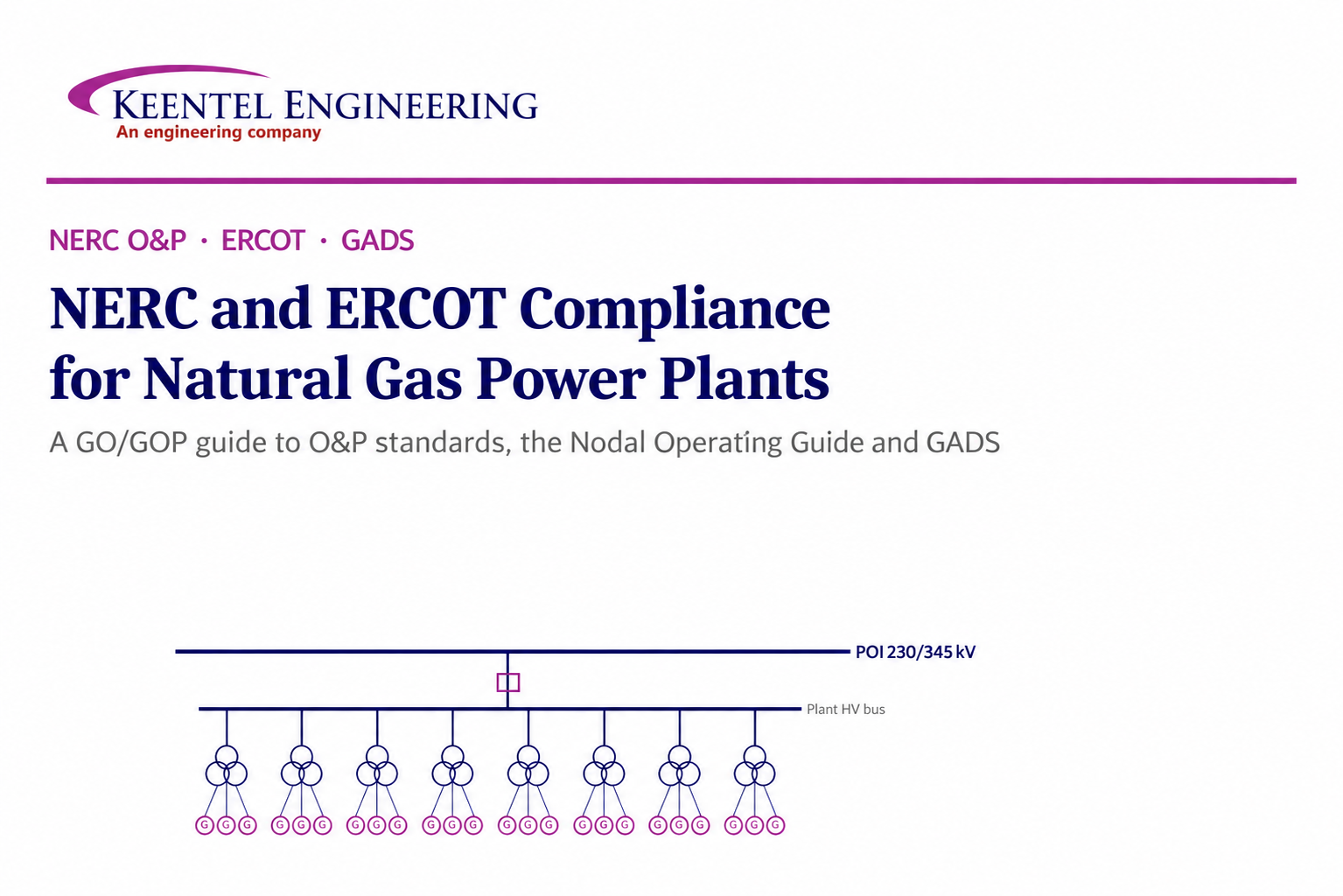
Learn NERC and ERCOT compliance requirements for natural gas power plants, including GO/GOP obligations, O&P standards, GADS reporting, and audits.
By SANDIP R PATEL
•
September 26, 2026
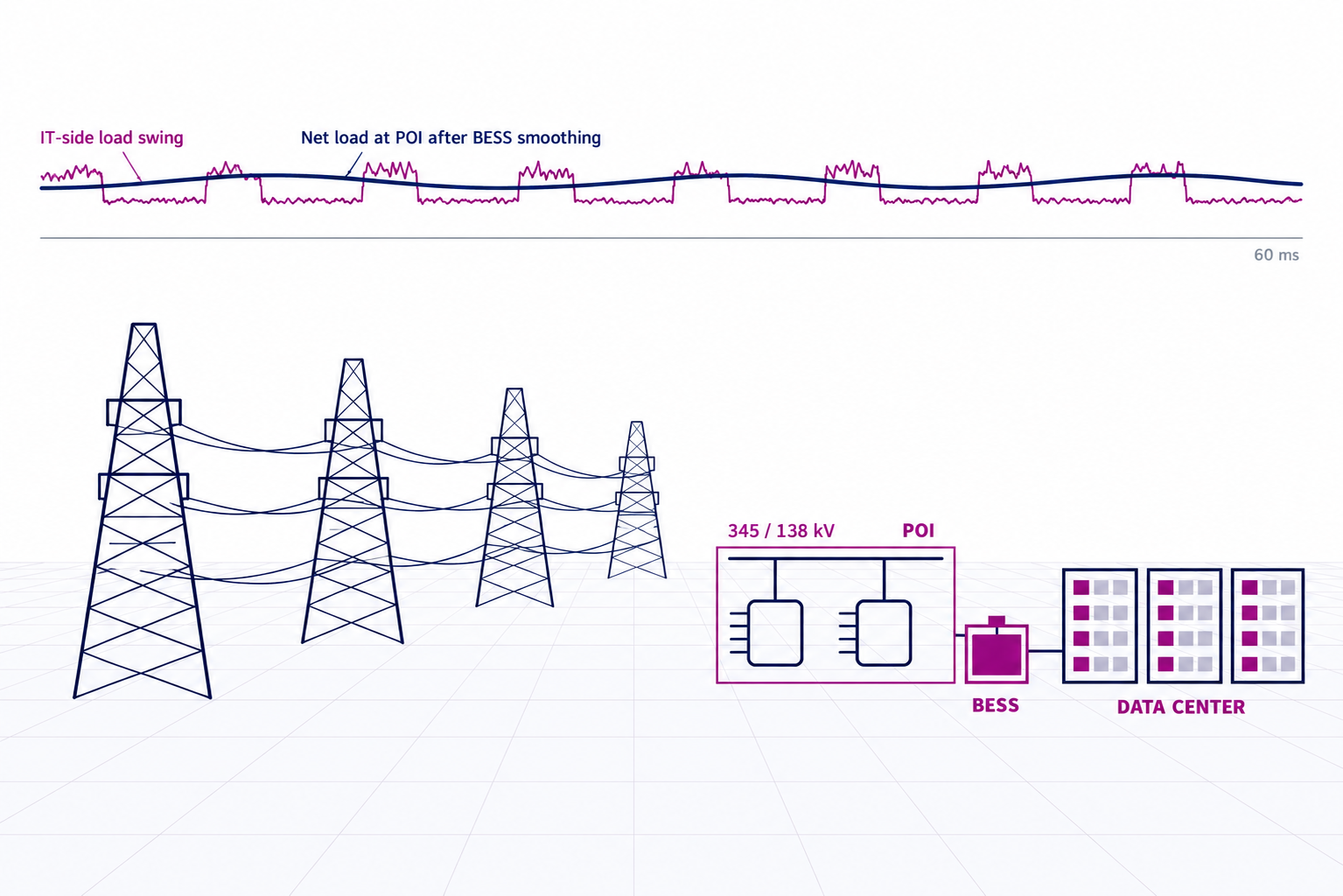
Learn how to prepare a MISO large-load interconnection package, including PSS®E models, BESS smoothing, harmonic data and transmission-owner requirements.
By SANDIP R PATEL
•
September 26, 2026
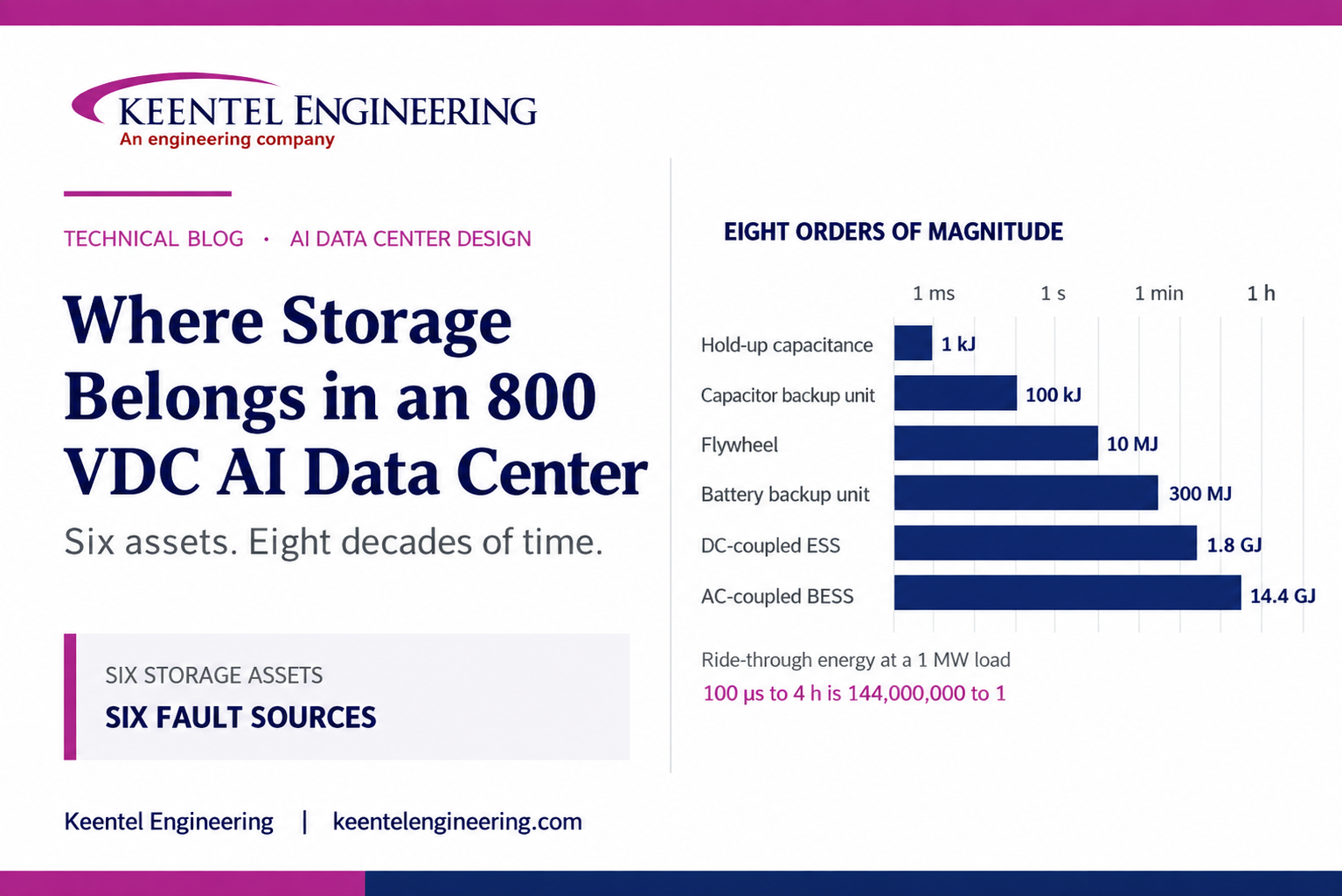
Learn where storage belongs in an 800 VDC AI data center, including capacitors, flywheels, BESS, fault current, protection, grounding, and EMT design.
By SANDIP R PATEL
•
September 26, 2026
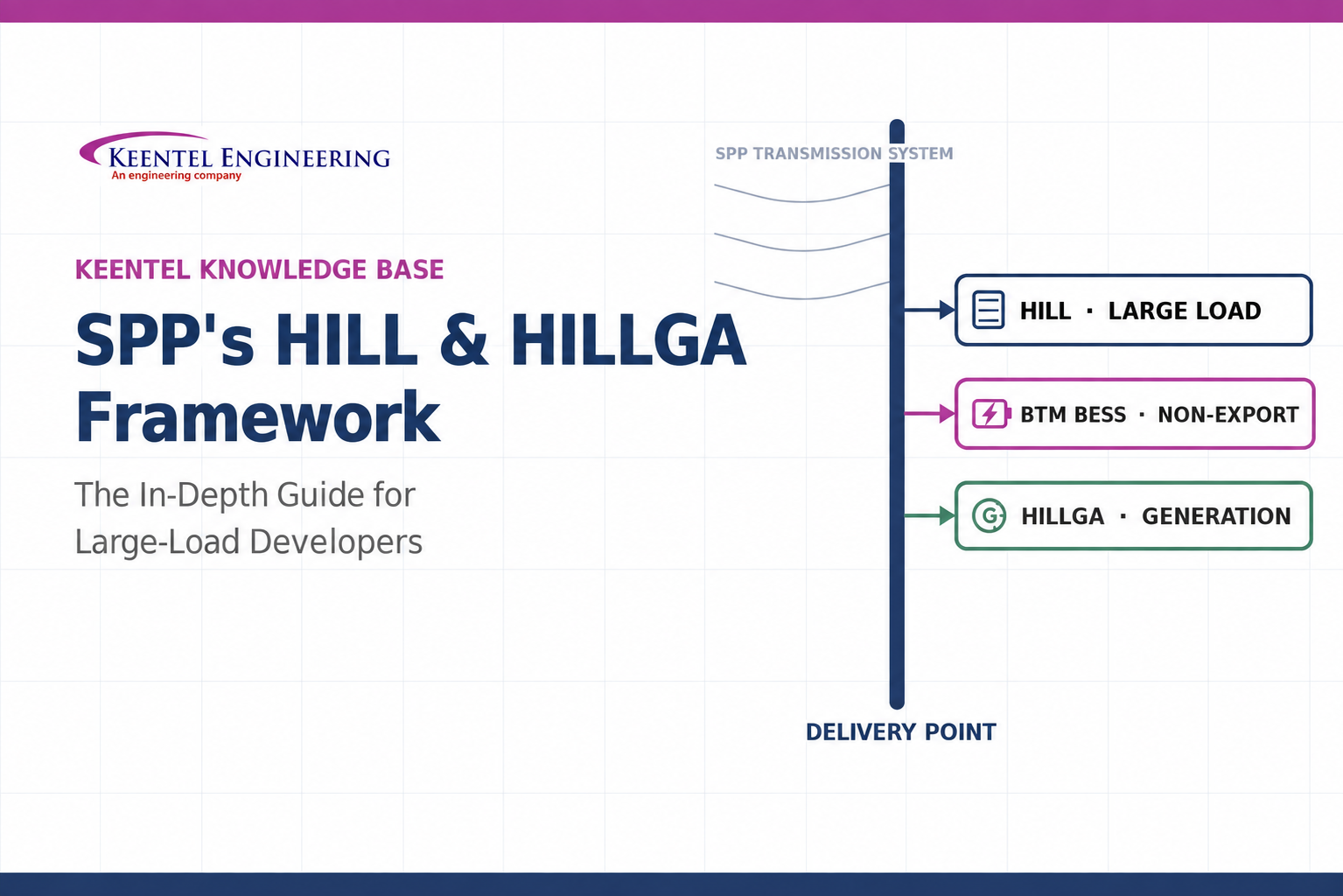
Learn how SPP’s HILL and HILLGA framework works for large-load projects, including studies, BTM generation, modeling, EMT requirements, and firm service.

By SANDIP R PATEL
•
September 25, 2026
Learn how IBR time synchronization, IEEE 2800, IRIG-B verification, and PTP solutions help meet disturbance monitoring compliance requirements.
By SANDIP R PATEL
•
September 24, 2026
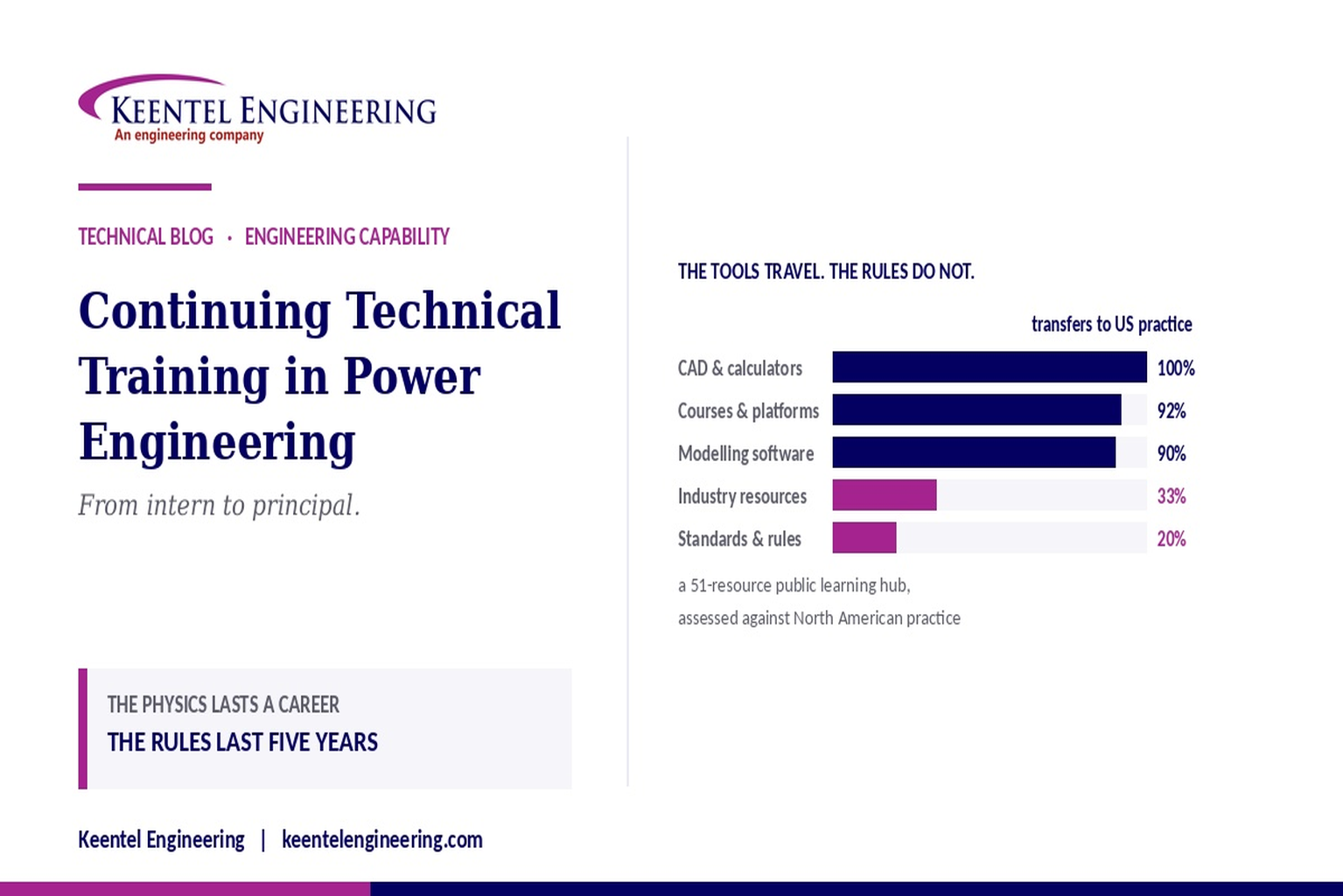
Learn why continuing technical training matters in power engineering, including standards, software skills, PDH requirements, and career growth.
By SANDIP R PATEL
•
September 22, 2026
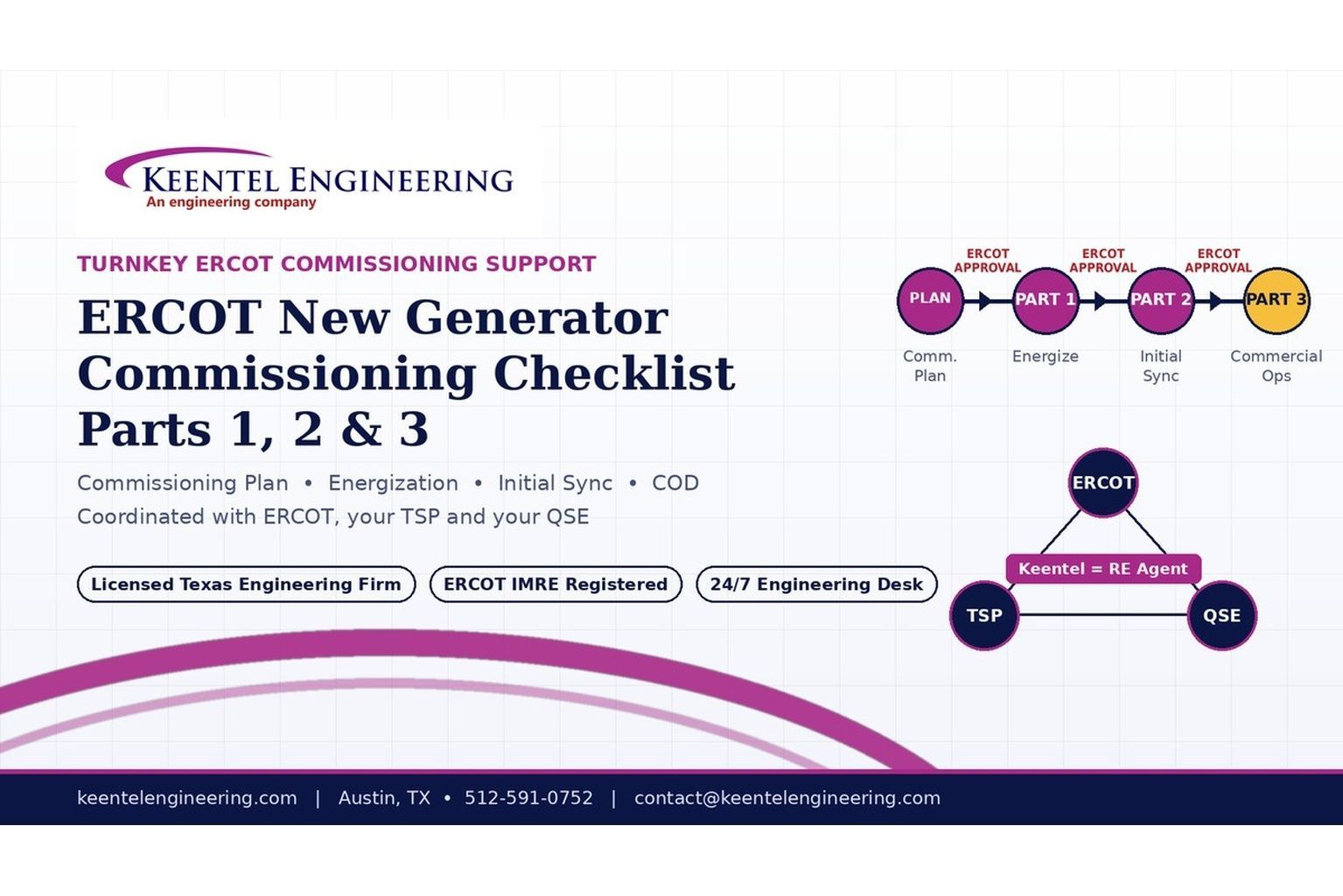
2026 ERCOT commissioning guide covering the Commissioning Plan, Checklist Parts 1–3, BESS requirements, TSP/QSE coordination, field testing and COD.
By SANDIP R PATEL
•
September 22, 2026
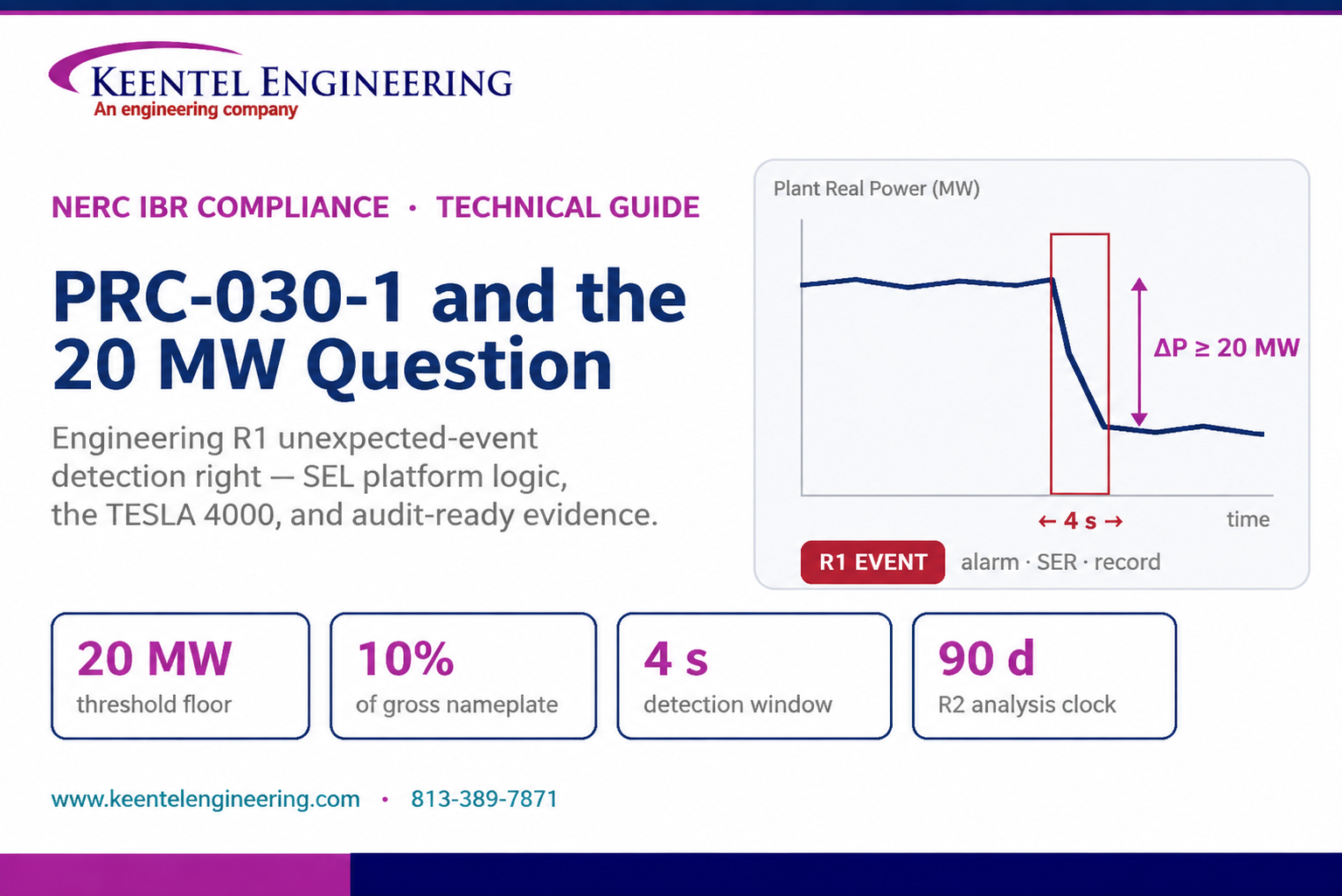
Learn PRC-030-1 R1 event detection requirements for inverter-based resources, SEL platforms, disturbance monitoring, and audit-ready compliance.
By SANDIP R PATEL
•
September 22, 2026
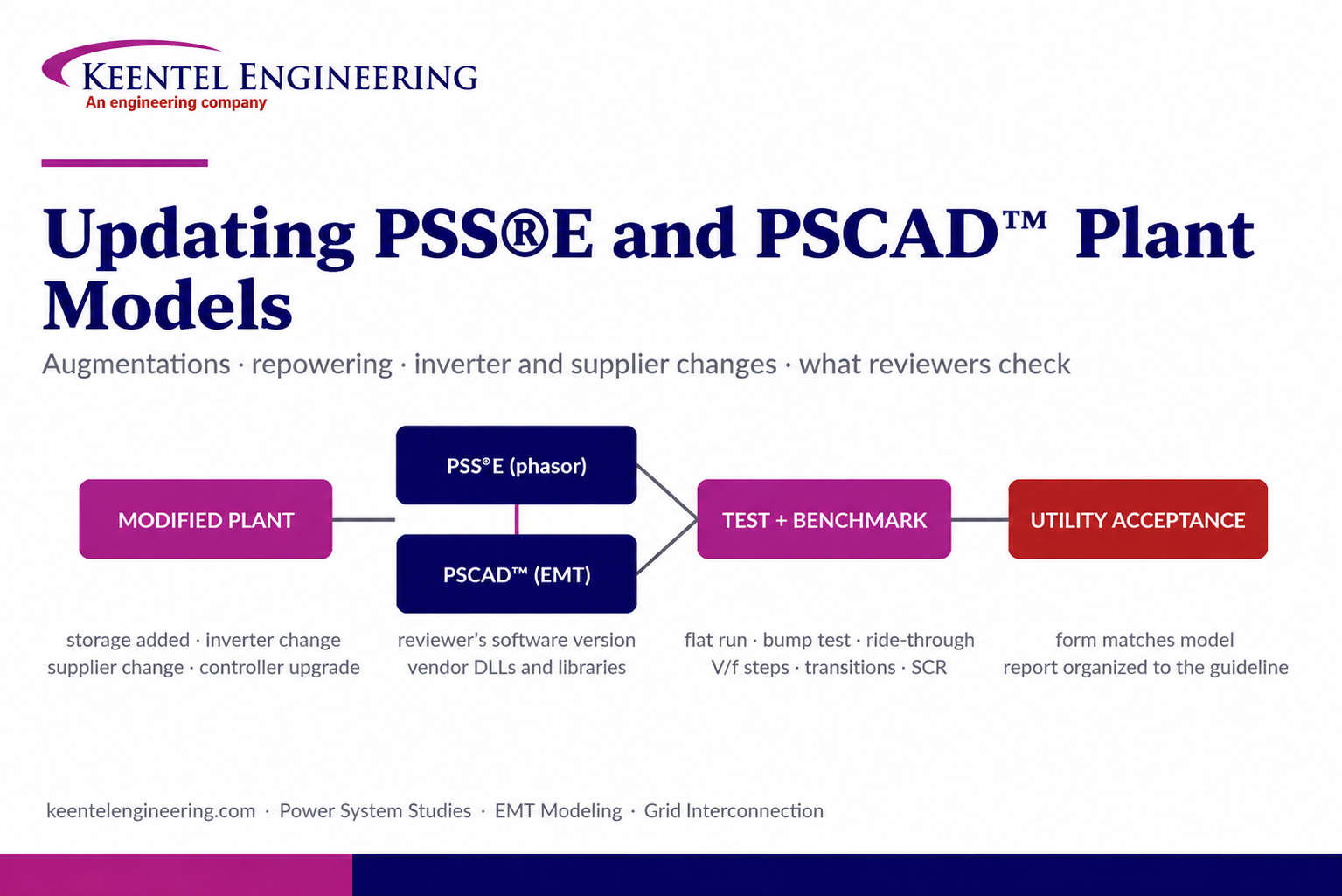
Learn how PSS®E and PSCAD™ model updates support plant augmentations, repowering, equipment changes, testing, benchmarking, and grid compliance.