Dependable Capacity
Designed for current loading, future growth, N-1 contingencies, and renewable variability.
Full-scope electrical, civil, structural, protection & control, and telecommunications engineering for utilities, renewable developers, EPCs, and industrial facilities across the United States.
Our team delivers accurate, compliant, permitting-ready substation design packages engineered for long-term system reliability and seamless grid integration.
You will get:
Trusted by utilities, EPCs, and energy developers across the U.S.
30 + Years of Engineering Excellence • IEEE | NERC | NFPA Compliant • ETAP | AutoCAD | BIM Expertise

Substation design is evolving. Utilities, IPPs, and EPCs face tighter reliability requirements, aging infrastructure, and rapid renewable development. Modern substations must be engineered—not just drafted.
Designed for current loading, future growth, N-1 contingencies, and renewable variability.
Coordinated schemes that minimize fault impact and enable fast restoration.
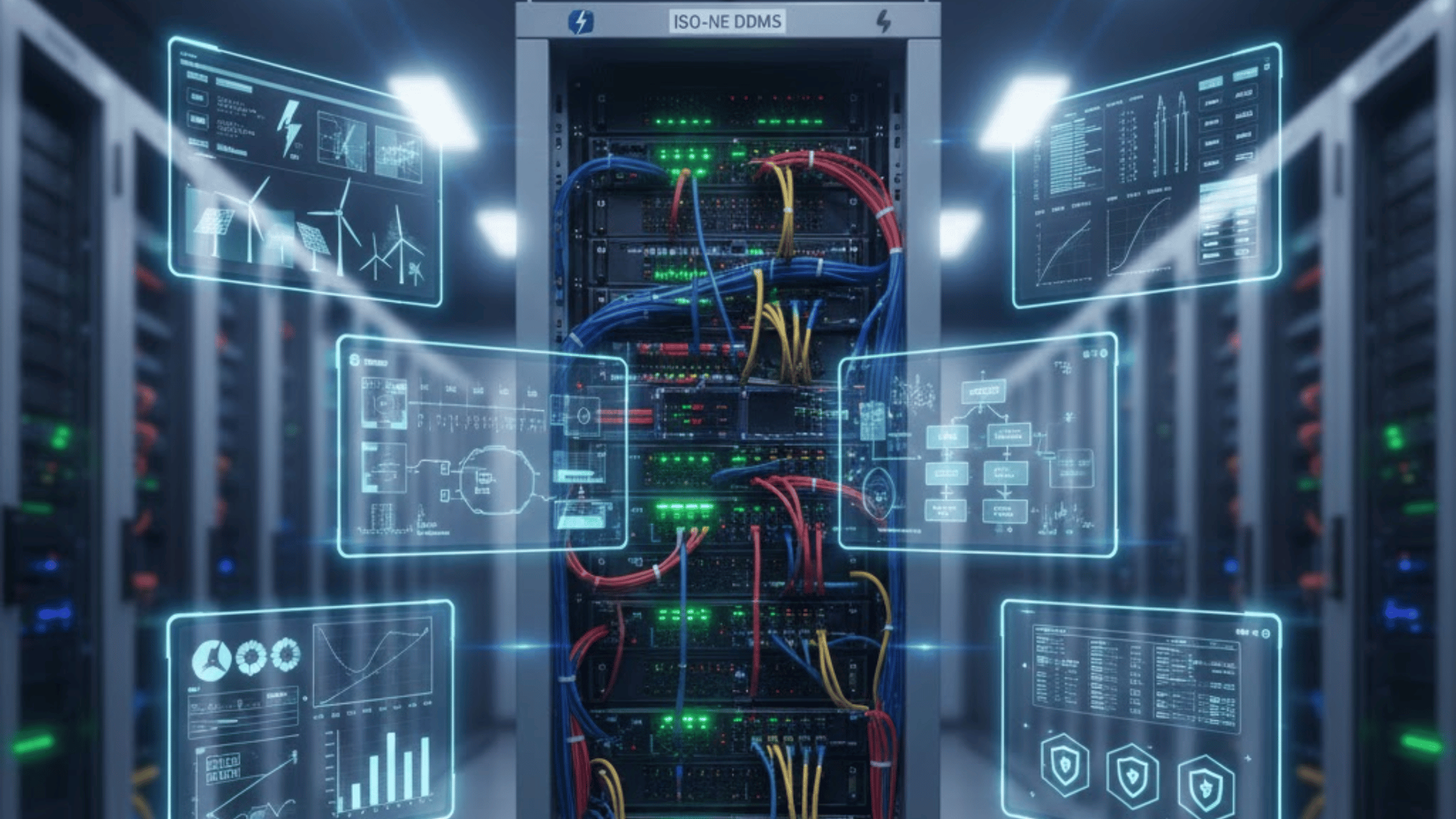
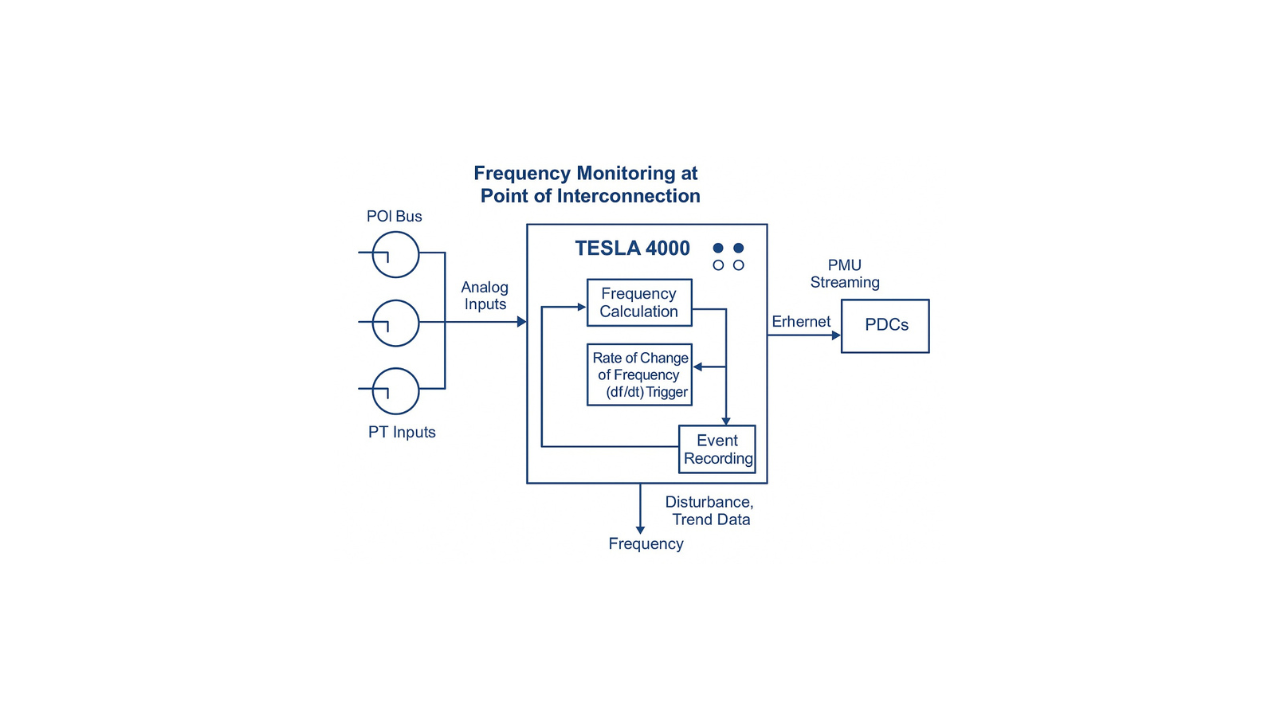
Unified SCADA, IED, and network architectures for real-time visibility.
Alignment with PRC, MOD, FAC, IEEE, and NESC standards.
Redundant and secure designs that protect critical assets.
Specialized controls and modeling for solar, wind, and BESS systems.
A disciplined engineering approach minimizes change orders, reduces outages, and delivers predictable, compliant infrastructure from design through operation.
At Keentel Engineering, we take pride in being the go-to engineering firm for power and utility system planning, design, control, and analysis. Some of the many attributes of our company that set us apart are:
With three decades of hands-on project delivery, we bring unmatched expertise in substation layout, electrical and civil design, relay protection, and grid-tie solutions. We’ve successfully completed projects in complex terrains, urban retrofit scenarios, and renewable integrations.
Our engineering process uses AutoCAD 3D, BIM modeling, and system-level design thinking to ensure accurate planning, reduced errors, and strong communication across all stakeholders.
Our workflow includes 3D substation design, enabling clash-free coordination between structural, electrical, and civil disciplines.
From grounding grid studies to relay settings, we engineer every detail to improve reliability, performance, and safety. Our rigorous QA/QC process ensures compliance with IEEE, NFPA, and ISO/TSO interconnection standards.
Among top electrical substation design companies, Keentel stands out for 30+ years of proven high-voltage project delivery.
Let's Discuss How to Optimize Your Next Project
End-to-end substation engineering and design — from feasibility studies and detailed design to IFC packages and construction support.
Concept layouts, preliminary studies, and technical input for site selection, budgets, and schedules.
Coordinated multi-discipline design aligned with utility standards and project requirements.
General arrangements, equipment clearances, and control house layouts.
Analysis supporting equipment ratings, protection settings, and worker safety.
Reliable designs enabling secure operations and utility integration.
Construction-ready drawings coordinated across all disciplines.
Vendor-aligned material lists and specification documentation.
Reviews ensuring technical accuracy and standards compliance.
Issue-for-construction documents ready for contractors and field teams.
Engineering support through energization, testing, and handover.
Download our Substation Design Services flyer
Please click the Download button to get our Substation Design Services flyer
We deliver utility-grade engineering solutions across electrical, civil, and substation disciplines — combining technical depth, regulatory alignment, and constructible design practices.
Power system studies, equipment sizing, grounding, and substation electrical design for transmission, distribution, and renewable assets.
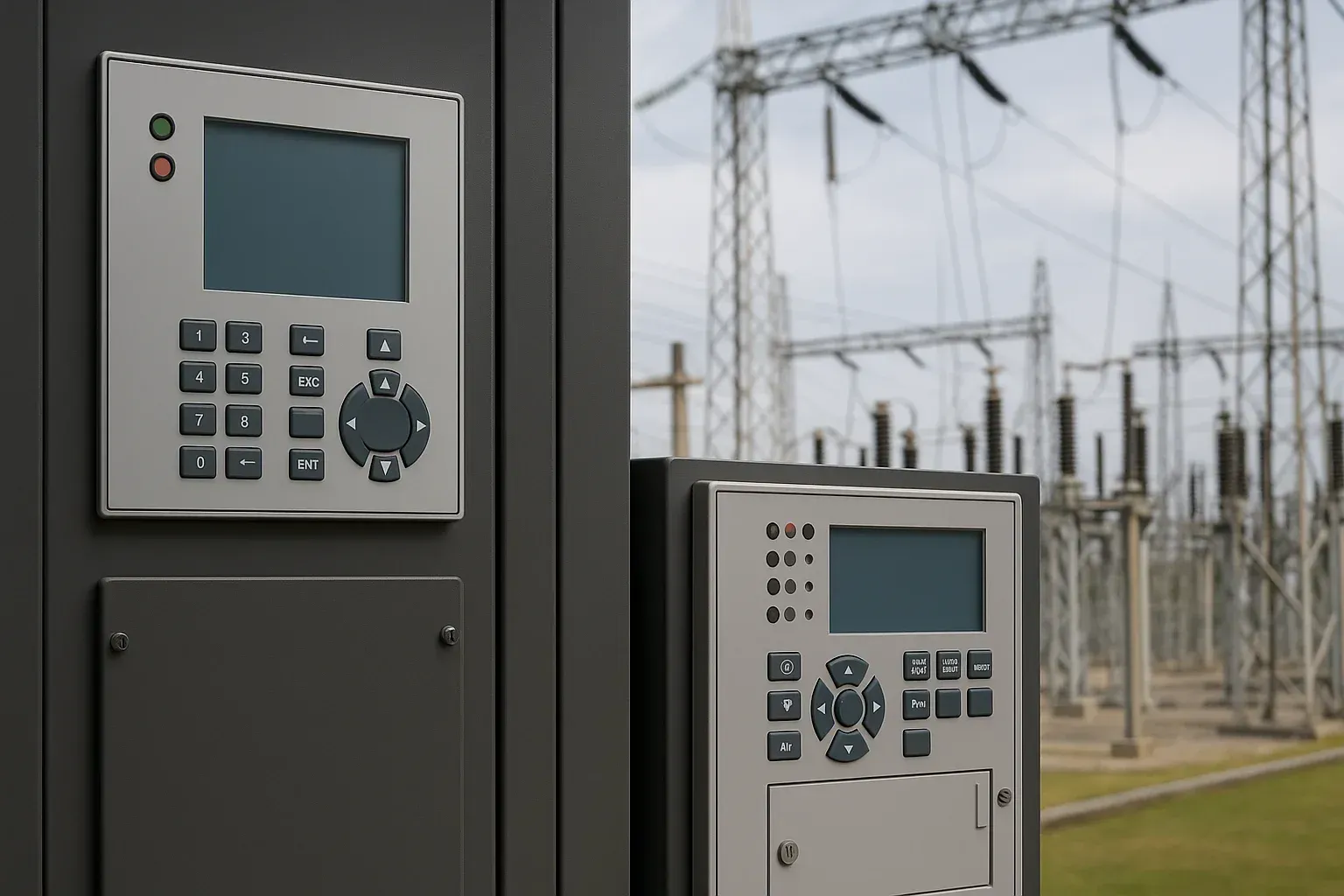
Protection philosophy, relay settings, IEC 61850 integration, and SCADA-ready control systems.
Foundations, steel structures, grading, drainage, and site layouts designed for constructability and long-term reliability.
Substation communications, fiber networks, time synchronization, and secure data infrastructure.
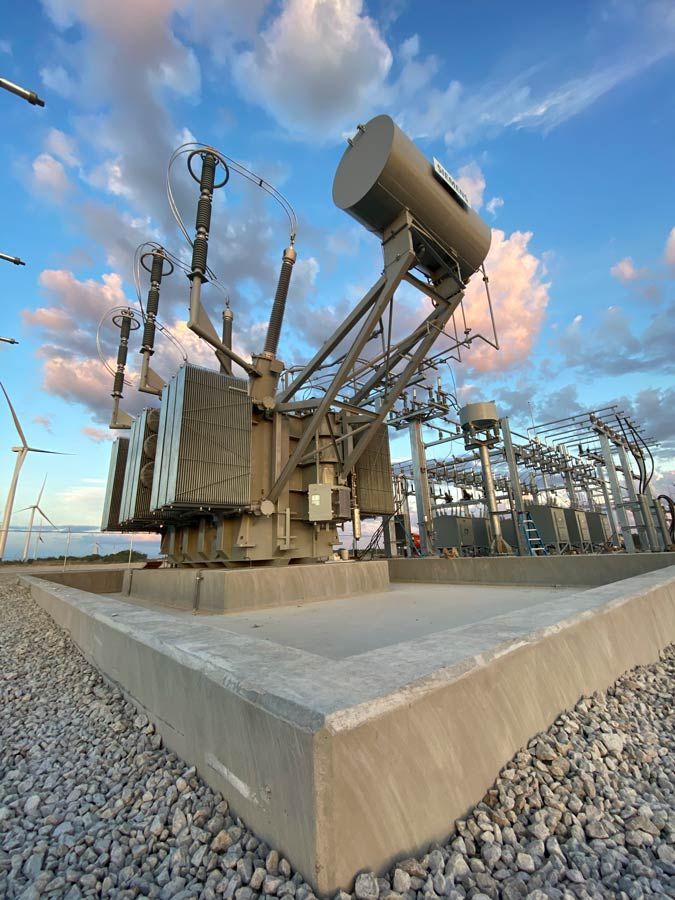
Our engineering team delivers reliable, utility-grade designs across all voltage classes, applications, and project environments.
High-voltage substations engineered for bulk power delivery, reliability, and system stability.
Medium-voltage substations supporting utilities, municipalities, and commercial distribution networks.
Renewable substation design for inverter-based resources and utility interconnection.
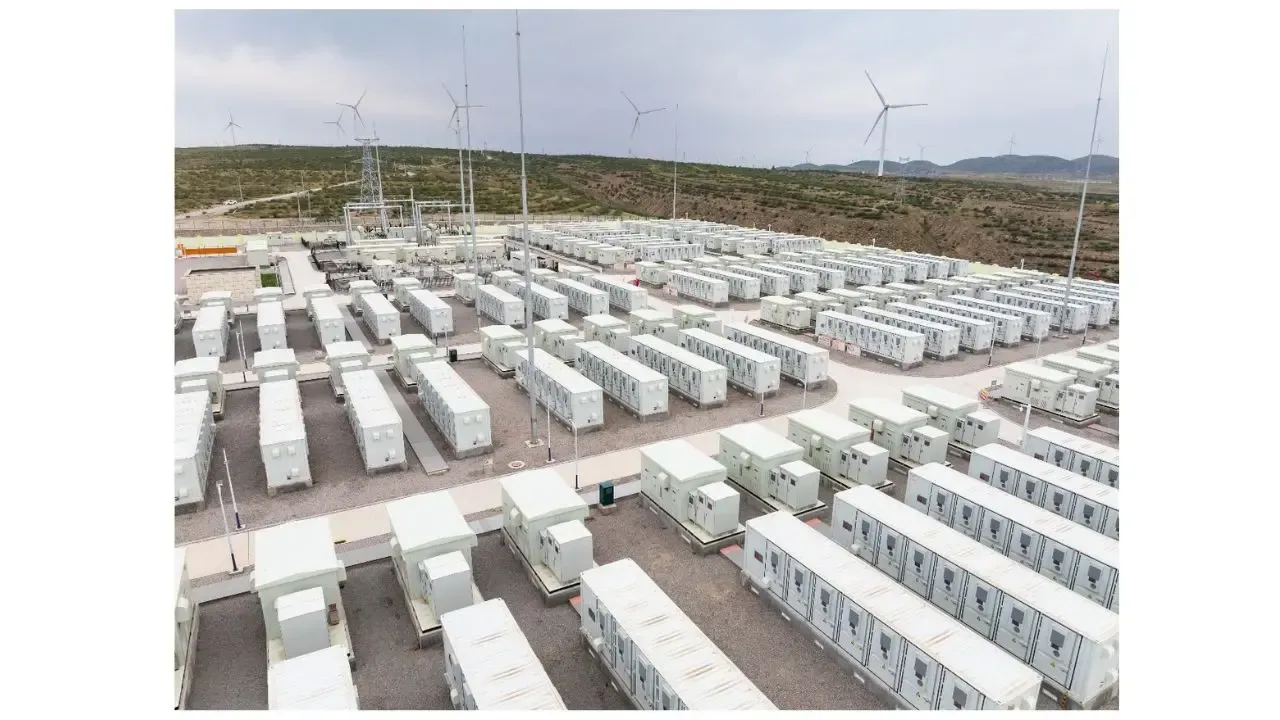
Battery-storage substations with fast-response controls, protection coordination, and adaptive design.
Reliable substations for plants, data centers, campuses, and heavy industrial operations.
Compact GIS facilities and traditional AIS layouts engineered for site constraints and reliability.
Space-restricted projects with optimized layouts and future expansion paths.
Rebuild, expansion, and cutover designs for existing substations while minimizing outages.
Rapid-deployment units for emergency work, maintenance bypass, and temporary service.
A structured, utility-aligned workflow that minimizes redesigns, reduces field conflicts, and ensures consistent engineering quality.
Load growth, voltage class selection, utility standards, permitting needs, protection philosophy, environmental constraints, constructability expectations.
Geotechnical integration, soil resistivity testing, access evaluation, EMF limits, environmental constraints, regulatory coordination.
Layout alternatives, bus configurations, protection philosophy, telecom architecture, IBR integration, early-stage modeling.
Integrated electrical, civil, structural, and P&C engineering with grounding, protection, and study results.
IFC-ready documentation including calculations, schematics, construction drawings, and specifications.
Utility compliance checks, internal design reviews, cross-discipline coordination, and validation.
Final drawing release, utility submissions, and permitting coordination.
RFIs, field support, relay adjustments, and commissioning coordination.
Our engineering approach combines deep technical knowledge, regulatory alignment, and constructible delivery — ensuring safer operations and predictable construction outcomes.
Delivered substation projects across utilities, voltage classes, and ISO/RTO regions with consistent, repeatable results.
Deliverables aligned to utility templates and compliance requirements to reduce review cycles.
Digital workflows and model-based coordination reduce errors and shorten schedules.
IBR modeling, EMT studies, and inverter-specific protection strategies embedded in our designs.
Constructible packages and pre-construction reviews minimize rework and delays.
Licensed engineers across ERCOT, PJM, CAISO, MISO, NYISO, SPP, and municipal utilities.
We partner with stakeholders across the power sector and critical infrastructure to deliver substation designs that align with regulatory, operational, and commercial objectives.
Transmission and distribution substations designed to meet utility standards, reliability targets, and long-term asset plans.
Project-ready substation designs that align with PPA terms, interconnection milestones, and financing requirements.
Collector and POI substation designs tailored to inverter-based resources, grid-code compliance, and curtailment risk.
Constructible, clearly scoped engineering packages that reduce change orders and align tightly with EPC schedules.
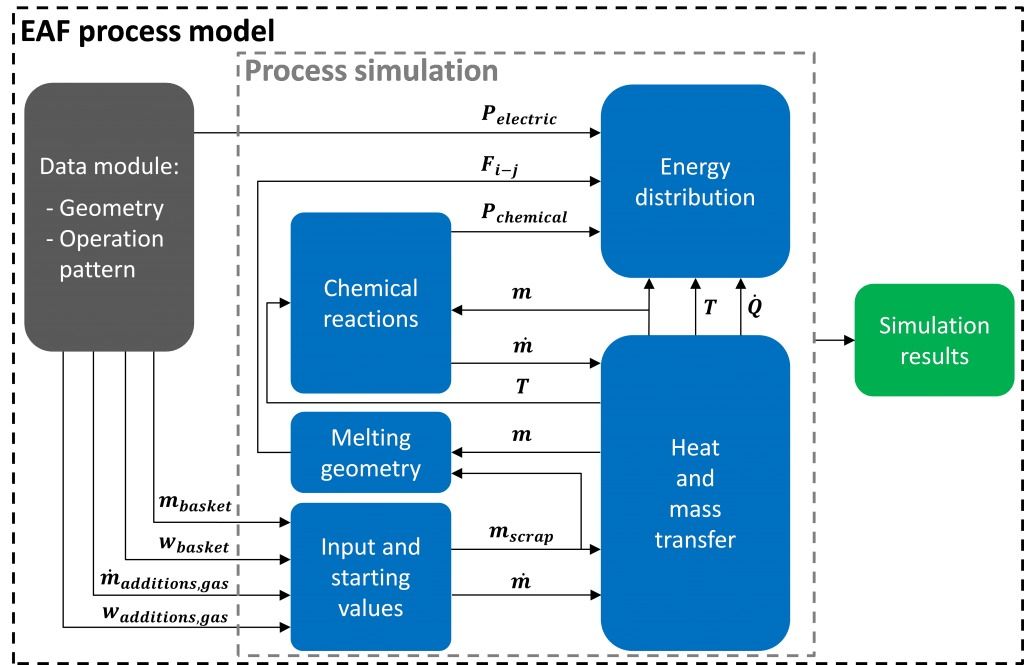
Dedicated substations for refineries, manufacturing plants, mining, steel, and other energy-intensive operations.
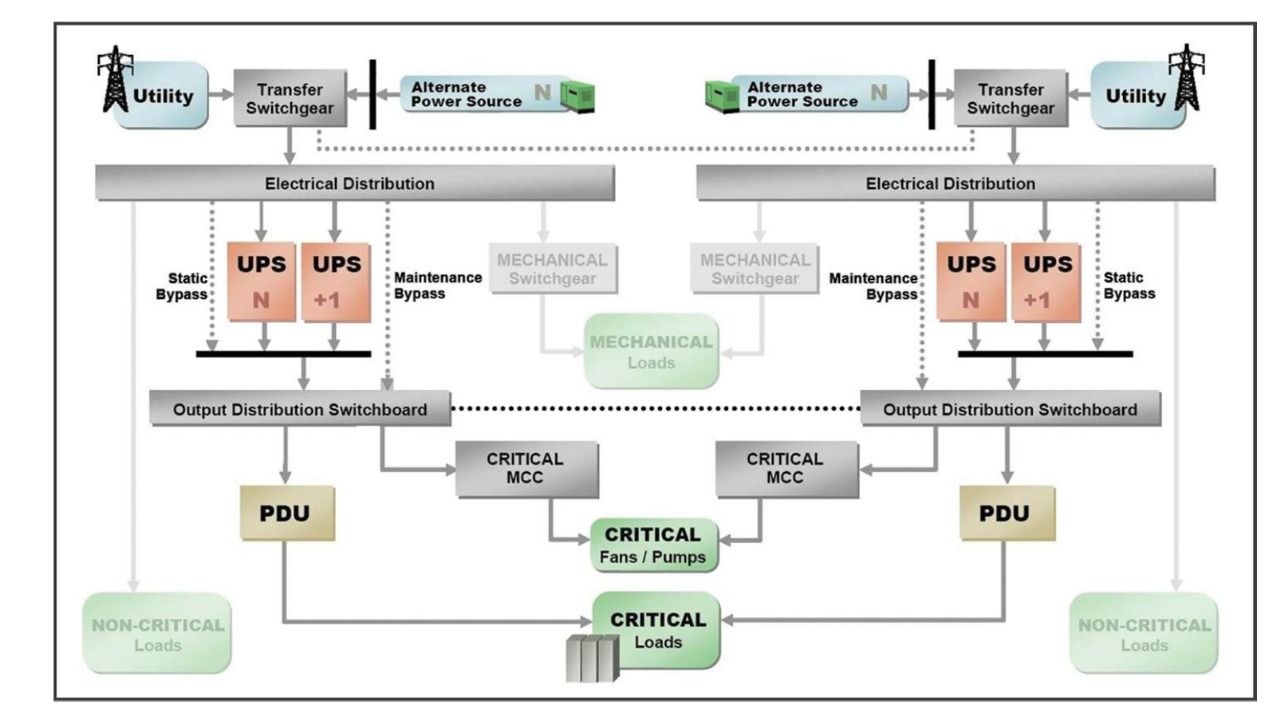
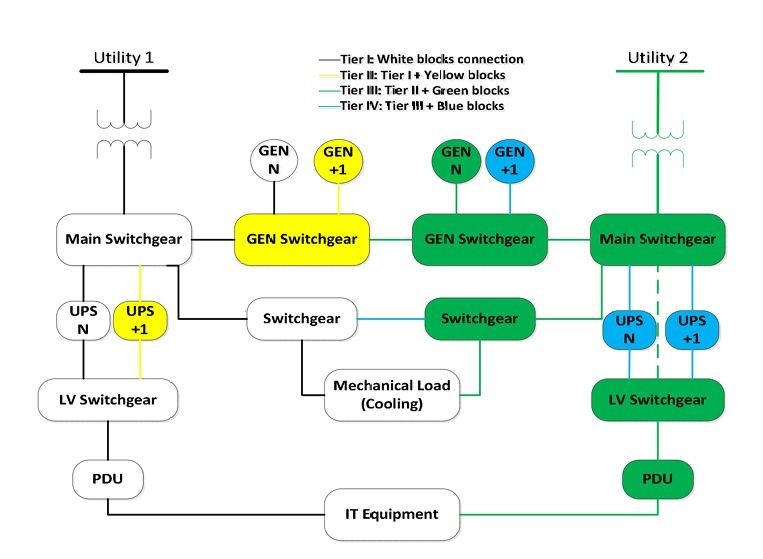
High-availability substation designs for campus-style loads, Tier-certified data centers, and mission-critical facilities.
Representative substation projects across transmission, renewable, GIS, BESS, and industrial applications — paired with brief case studies that show how our engineering approach performs under real-world constraints.
Challenge: A 400 MW wind project required a 345/138 kV interconnection substation delivered on an aggressive utility timeline.
Solution: High-voltage layout development, IEEE 80 grounding, protection coordination, and SCADA/RTU integration as part of a complete high-voltage substation design scope.
Result: 150+ IFC drawings delivered, utility comments cleared in a single review cycle, and energization completed with zero safety observations.
Challenge: A dense urban 230 kV GIS station needed expansion with no unplanned outages or degradation of feeder reliability.
Solution: Engineering of new GIS feeder bays, modernized digital protection, and coordinated structural and duct-bank modifications using 3D modeling.
Result: Expansion completed with zero unplanned outages; the upgraded protection scheme reduced mis-operation risk across the feeder group.
Challenge: A 100 MW / 400 MWh battery project required a collector substation capable of handling high-frequency transients and future load growth.
Solution: EPC-grade designs, transformer specifications, advanced protection settings, and EMT, harmonic, and short-circuit studies for the BESS connection.
Result: All interconnection criteria were met on first submission, and the station was commissioned ahead of schedule.
Every project includes a complete and coordinated set of drawings, studies, and documentation engineered to meet utility, NERC, IEEE, and project-specific requirements.
Our substation engineering is fully aligned with national, regional, and utility-specific compliance requirements to ensure smooth approvals, safe operation, and audit-ready documentation.
Designs follow IEEE standards for equipment ratings, grounding, protection, and electrical safety.
Compliance with electrical code and safety standards governing clearances, grounding, and work practices.
Model validation, protection coordination, and facility ratings requirements integrated into every project.
Substation layouts, drawings, and specifications tailored to each utility’s preferred methods and review formats.
Engineering aligned with regional transmission operator requirements across PJM, MISO, CAISO, ERCOT, and more.
GOOSE messaging, substation automation, and digital communication architecture built to IEC standards.
We deliver high-performance renewable substation engineering built for fast-changing inverter technologies, variable generation, and modern grid requirements.
Substation layouts, grounding, power flow, and protection tailored for high-density solar arrays.
Engineered to handle variable wind generation, changing dispatch, and remote collection circuits.
Full-scope substation design for hybrid resources, standalone batteries, and high-speed response systems.
Correct matching of inverter output, transformer MVA, impedance, and protection for reliable performance.
Design aligned with PRC, MOD, and evolving IBR interconnection and grid-support requirements.
Analysis and design that ensure stable power quality on weak and constrained grids.
Fault-level support strategies for weak-grid renewables, including advanced IBR behavior modeling.
Our renewable-focused substation engineering aligns with the latest inverter-based resource standards, modeling practices, and NERC Level 3 IBR compliance expectations—helping utilities and developers streamline approvals and reduce technical risk.
Most substation and grid-interconnection projects require a core set of power system studies. The matrix below summarizes why each analysis is performed and where it is typically required.
| Study | Purpose | Required For |
|---|---|---|
| LF
Load Flow
|
Validate system capacity and identify thermal or voltage constraints under different operating scenarios. | Utilities, developers, and large-load customers. |
| SC
Short Circuit
|
Confirm breaker duties, interrupting ratings, and proper protection coordination. | All substations and major equipment additions. |
| AF
Arc-Flash
|
Quantify incident energy, label equipment, and define safe working boundaries. | Personnel safety (OSHA, NFPA 70E, utility safety programs). |
| GR
Grounding
|
Verify touch/step voltages and overall ground grid performance. | IEEE 80 compliance and utility engineering requirements. |
| HM
Harmonics
|
Assess harmonic distortion and flicker from inverter-based resources or nonlinear loads. | Solar, wind, BESS and other IBR-heavy projects. |
| IC
Insulation Coordination
|
Select BIL levels and surge protection so equipment withstands lightning and switching events. | High-voltage systems and transmission-class substations. |
To explore each analysis in more depth, visit our detailed overview of power system studies covering modeling, protection, grounding, and grid performance analysis.
Project cost and schedule depend on technical scope, utility requirements, and site complexity. Below is a high-level summary of factors that typically influence budgets and timelines.
Priority articles curated for project teams and decision makers. Use arrows or dots to browse; sliders pause on hover.
Why strong substation design reduces lifecycle costs, improves safety, and eases utility approvals.
Read articleComprehensive overview of services, deliverables, and expected timelines for utility and developer projects.
Read guideHow IEC 61850 and automation accelerate commissioning and simplify protection coordination.
Read articleDesign considerations, space savings, and maintenance needs for GIS installations.
Read articleReal project examples and applied engineering work — selected for decision makers and procurement teams.
Ground grid design and verification for personnel safety and IEEE-80 compliance.
View case studyCollector station design, EMT & harmonic studies, and protection strategy for a large-scale BESS.
View case studyPower electronic modeling and reliability testing for heavy industrial loads.
View case studyAdvanced FACTS control and dynamic balancing in a transmission corridor.
View case studyDownload our Substation Design Services flyer
Please click the Download button to get our Substation Design Services flyer
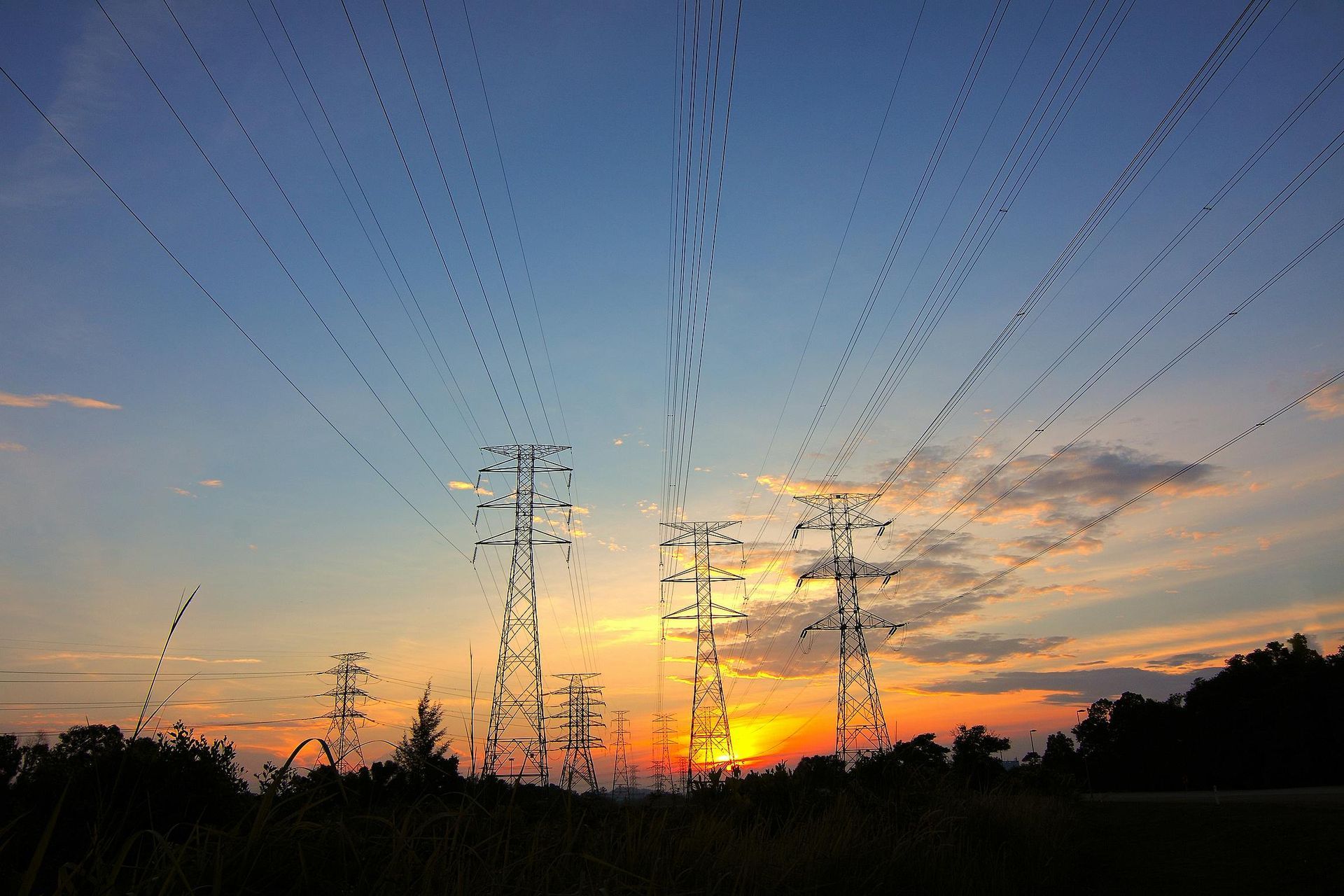
We stay current on the latest utility and smart grid standards. Our engineers design substations that are built for future expansion, automation, and integration with digital relays, smart SCADA, and real-time monitoring systems.
We don’t just meet specs — we shape systems that align with your long-term grid strategy.
For more information or service assistance, call us on 813-389-7871.
A substation is a critical facility in the electrical power system where voltage levels are transformed, power is switched, or distributed to ensure efficient and safe delivery of electricity from generation sources to end-users.
A substation designer works with engineers to create the drawings and documents needed to build or upgrade a substation. They prepare detailed design packages, including layout plans, equipment placement, wiring diagrams, material lists, and cable schedules for transmission or distribution substations.
• Transformers
• Circuit Breakers
• Disconnect Switches
• Busbars
• Protection Relays
• Lightning Arresters
• Control and SCADA systems
Key considerations include site location, voltage levels, fault levels, load capacity, safety, environmental impact, and compliance with standards like IEEE and IEC.
AIS uses air as an insulating medium, requiring more space but is cost-effective. GIS uses gas (e.g., SF6) for insulation, allowing compact designs but at a higher cost.
The layout depends on factors like available space, voltage levels, type of substation, reliability requirements, and operational flexibility. Single-line diagrams are used to plan layouts.
Voltage levels are based on system requirements, load demands, and distance of power transmission. Common levels include 132kV, 230kV, and 500kV.
A robust grounding system ensures personnel safety, equipment protection, and reliable operation. Design includes calculating ground grid resistance and step-and-touch voltage limits.
Short-circuit studies are conducted using software like ETAP or PSSE. Inputs include system impedance, transformer ratings, and network configuration.
P&C involves monitoring and safeguarding substation equipment from faults using relays, circuit breakers, and SCADA systems.
Relay selection is based on fault type, system voltage, current levels, and required protection schemes. Common brands include SEL, GE, and ABB.
SCADA (Supervisory Control and Data Acquisition) enables remote monitoring and control of substation equipment, improving reliability and response times.
Timelines vary based on size and complexity, ranging from 12 to 36 months, including design, procurement, construction, and commissioning phases.
Safety measures include PPE, proper grounding, arc flash studies, and adherence to OSHA or local safety regulations.
Substations are monitored using SCADA and regularly maintained through inspections, testing, and condition-based maintenance programs.
Periodic testing ensures the reliability and longevity of equipment, identifies potential failures, and ensures compliance with standards.
Thermal imaging detects hotspots in equipment like transformers and breakers, preventing failures and unplanned outages.
A digital substation uses IEC 61850-based communication, replacing conventional copper wiring with fiber optics for enhanced reliability and scalability.
Renewable sources are connected via collector systems to step-up transformers and integrated into the grid while managing power variability.
Keentel Engineering serves this exact need—our protection & control engineers handle relay coordination, SCADA/RTU configuration, and control building integration for utility-grade substations.
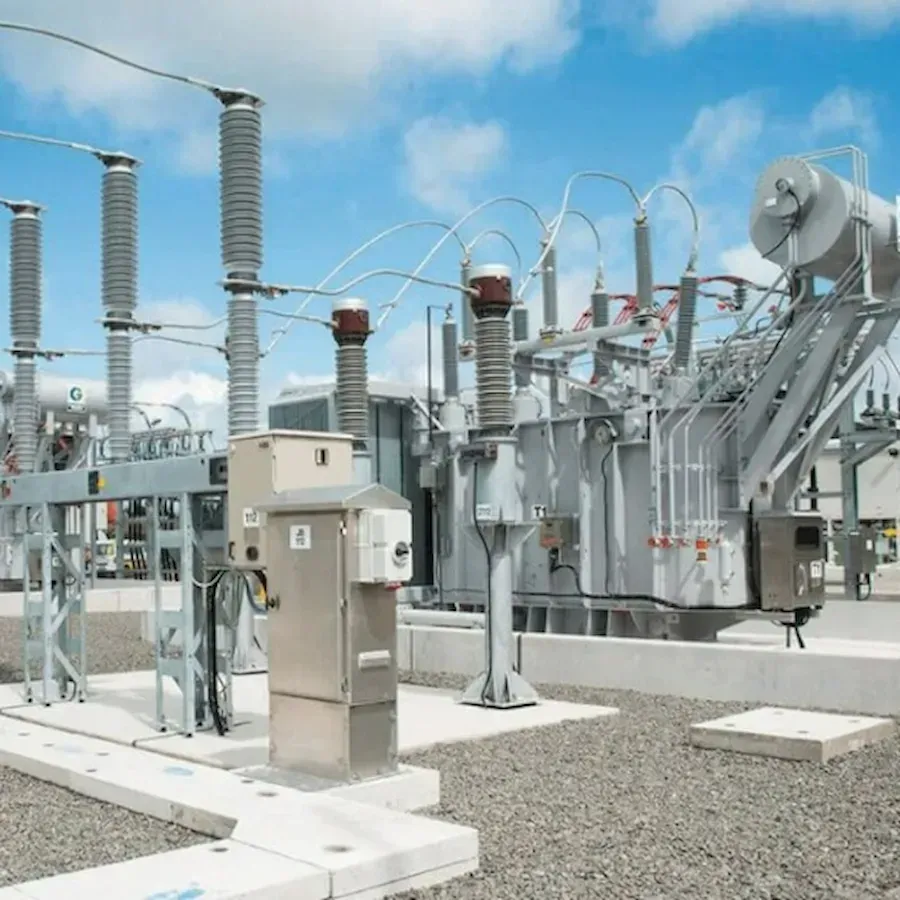


Serving for more than two decades, we are a name you can trust and count on for your power system and engineering support needs. We can provide innovative solutions to take your business to greater heights.
400 N Ashley Dr STE #2600
Tampa, FL 33602
Copyright 1995-2025 Keentel Engineering All Rights Reserved