A Coordinated Electric System Interconnection Review—the utility’s deep-dive on technical and cost impacts of your project.
Challenge: Frequent false tripping using conventional electromechanical relays
Solution: SEL-487E integration with multi-terminal differential protection and dynamic inrush restraint
Result: 90% reduction in false trips, saving over $250,000 in downtime
The Trust Test: Why Energy Performance Evaluations Are the Backbone of Modern Solar Projects
July 28, 2025 | Blog
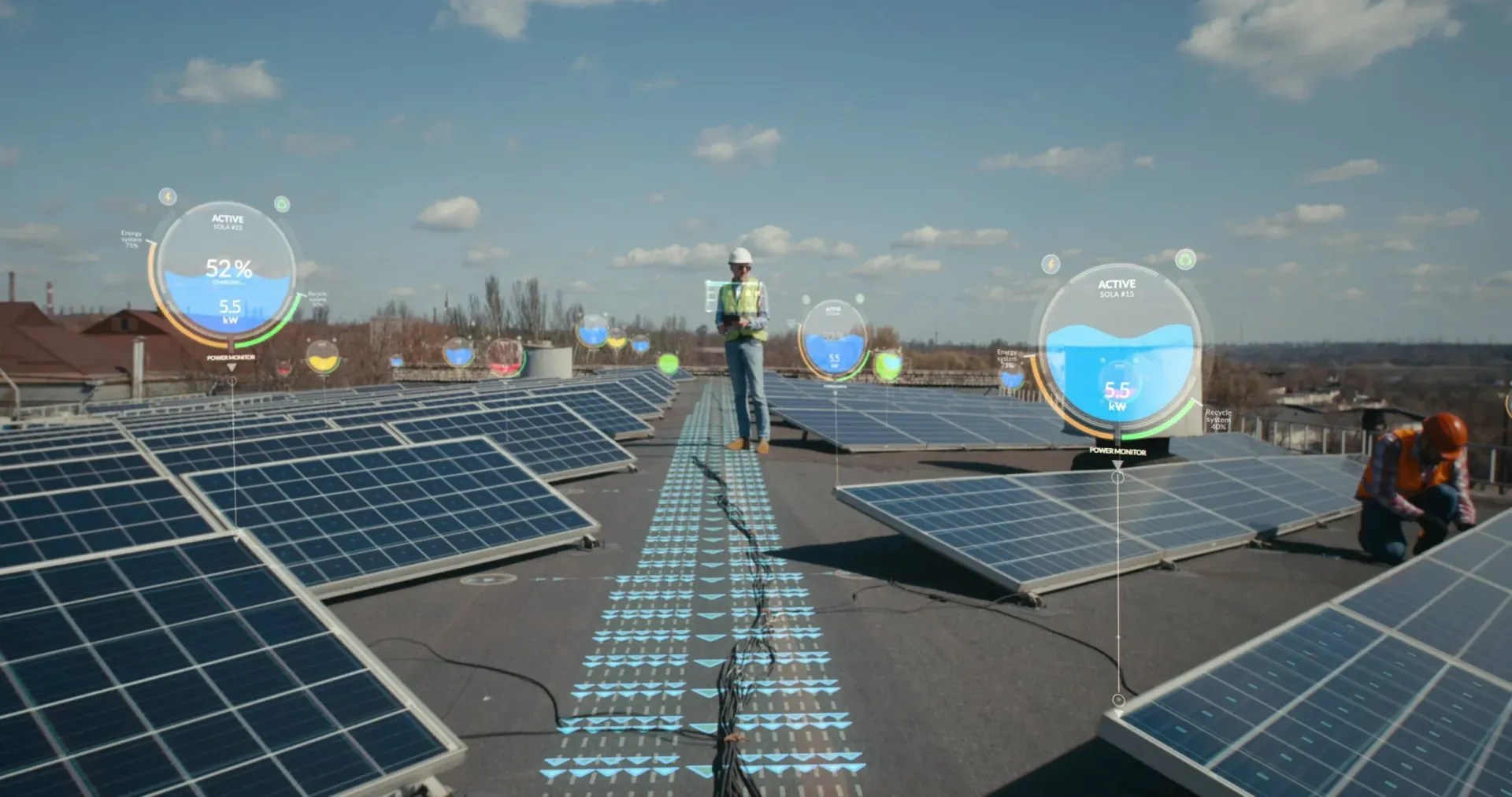
The Magic Isn’t in the Panels—It’s in the Proof
It’s easy to install solar panels on a rooftop. It’s far more challenging to prove they consistently deliver energy under real-world conditions.
That’s where a PV System Energy Performance Evaluation comes in—not as a bonus, but as the moment of truth. Think of it like the first time your technology powers a hospital, or the first harvest from a solar-powered irrigation system. It’s not about saying “it works.” It’s about proving:
"It works under pressure, in different seasons, through shading, soiling, heat, and degradation."
At
Keentel Engineering, this process isn’t just technical—it’s reputational. Energy performance evaluation is how we help developers, investors, and utilities eliminate doubt and gain long-term confidence in their utility-scale solar projects.
Capacity Tests, Performance Ratios & the Big Picture
Before long-term energy evaluations became the standard, most developers relied on basic snapshots like Capacity Tests and Performance Ratio (PR) assessments.
Capacity Tests are conducted during system commissioning to verify rated output under ideal lab-like conditions. They matter—but they’re a honeymoon phase.
Performance Ratio (PR) measures how well your PV system converts available sunlight into usable electricity. But PR is heavily weather-dependent. A cloudy week can make a well-performing system look weak, and vice versa.
The truth? These metrics were good for a day. But the solar market now demands a full-year evaluation—a documentary, not a snapshot.
That’s where Energy Performance Evaluation fills the gap. It delivers a 12-month performance verification framework aligned with real-world operating data, enabling utilities and asset managers to make data-driven decisions on system health, degradation, and uptime.
The Contractual Compass
Today, energy yield guarantees aren’t optional—they’re expected by investors, power purchase agreement (PPA) partners, and financial institutions.
They’re not buying solar panels. They’re buying verified energy outcomes.
A robust Energy Test Agreement lays the foundation. It clearly defines:
Test Boundary: What’s inside the evaluation scope (e.g., inverter losses, system layout) and what’s outside (e.g., extreme weather, utility outages).
Expected vs. Measured Energy: The “expected” is modeled using tools like PVsyst or HelioScope; the “measured” is gathered via site-level data acquisition systems.
Guaranteed Energy Threshold: The minimum annual output agreed upon. Fall short, and penalties may apply.
This is where engineering meets finance and law, and where Keentel Engineering’s utility-scale solar farm consulting ensures accuracy across all stakeholders.
From Hypothesis to Heatmap
Energy modeling isn’t just prediction—it’s precision. At Keentel Engineering, we use industry-standard tools like PVsyst, HelioScope, and SAM to forecast system performance with accuracy. The trick?
Use the same model framework to simulate both predicted and expected energy, but differentiate the weather inputs:
- Predicted = historical weather
- Expected = real-time test weather
However, consistency is key. A single uncalibrated sensor, incorrect inverter loss input, or overlooked shading parameter can shift your energy guarantee results by 5% or more—potentially triggering contractual penalties.
Our approach? Rigor. Repeatability. Redundancy.
We hardwire this level of accuracy into our solar farm engineering support for developers, EPCs, and asset managers.
A Sensor Never Sleeps
Think of every utility-scale PV system as having two nervous systems:
- The hardware that generates electricity
- The sensor infrastructure that measures every watt and weather variable
From irradiance and module temperature to wind speed and AC/DC output, these sensors aren’t just tools—they’re witnesses.
At Keentel, we insist on:
- Redundant sensors
- Annual sensor calibration
- Cross-verification with clear-sky models and trusted weather stations
When your plant underperforms, logs don’t lie. But they must be reliable. That’s why we build redundancy into every performance monitoring system we deploy.
The 7-Step Gospel of PV Energy Testing
A reliable Energy Performance Evaluation is only as strong as the process behind it. Here’s the methodology we follow across all grid-scale PV systems:
- Set Model Inputs – Lock historical weather data + fixed system design
- Collect Measured Data – Use high-resolution sensors + meteorological data loggers
- Clean and Validate – Identify anomalies, remove false readings
- Calculate Expected Energy – Run forecast using validated weather
- Adjust for Outages – Account for force majeure (e.g., grid faults, extreme weather)
- Compare Output – Is Measured ≥ Expected × (1 – Tolerance)?
- Report & Deliver – Create defensible, audit-grade technical documentation
This isn’t just testing—it’s bankability engineering. And Keentel gets it done right.
Soiling, Snow & Surprise Storms
In the real world, PV performance is shaped by more than just irradiance.
- Dust from nearby construction
- Snow accumulation on north-facing arrays
- Bird droppings or fallen leaves
- Curtailments from utility inverters
These aren’t anomalies—they’re variables. And every successful PV performance guarantee hinges on whether these are classified inside or outside the test boundary.
At Keentel, we document, model, and validate all edge-case scenarios. That means no surprises when it comes time for stakeholder review.
When Data Lies
Data can be deceptive. Even high-quality sensors drift or fail over time.
We’ve seen it all:
- Negative nighttime readings
- Unrealistic irradiance spikes
- Flatlines during peak solar hours
That’s why Keentel Engineering deploys redundancy at the hardware and software level. When Sensor A says 850 W/m² and Sensor B says 915 W/m², we don’t assume—we investigate.
Our engineers rely on:
- Pattern recognition
- Cross-sensor comparisons
- Environmental context
Because in solar energy testing, data isn’t sacred. It’s suspect until verified.
Tying the Bow: Validation and Reporting
At Keentel Engineering, we treat the Energy Performance Evaluation Report as more than paperwork—it’s the technical foundation for stakeholder trust.
A well-structured report is your defense in disputes, your proof in audits, and your handshake with financiers.
Every evaluation report should include:
- Test Dates – Start to end, with seasonal relevance
- Site Map and Boundaries – Define what’s inside and outside the test scope
- Data Filtering Protocols – How anomalies were identified and excluded
- Model Assumptions – Including module specs, inverter losses, and degradation rates
- Comparison Graphs – Expected vs. measured energy trends over time
- Calibration Certificates – Verifying sensor accuracy and standards compliance
- Pass/Fail Criteria – Tied to contractual thresholds
- Human Interpretation – Engineering commentary that contextualizes the data
This isn’t a spreadsheet—it’s a narrative of performance.
Our Power System Studies and evaluation documentation are routinely used in investor reviews, Independent Engineer audits, and utility interconnection validations.
From Compliance to Confidence
Energy testing isn’t just a box-checking exercise. At Keentel, it’s how we prove that your PV plant works as promised—even when the sun doesn’t cooperate.
In a market flooded with solar claims and unpredictable results, Keentel Engineering provides:
- Predictable performance through robust forecasting and validation
- Reliable measurement using calibrated, redundant instrumentation
- Audit-ready transparency for PPAs, lenders, and utilities
This is more than compliance—it’s engineering-backed confidence.
Whether you're deploying a 5 MW tracker system in Texas or a 150 MW fixed-tilt array in California, our team delivers bankable proof through transparent, standards-driven testing.
Ready to make your energy yield unquestionable?
👉 Partner with Keentel Engineering — where solar isn’t just predicted. It’s proven.
FAQs About PV Solar Farm Energy Performance Evaluations
1. What is an energy performance evaluation?
It’s a long-term, data-driven assessment of how much energy a solar PV system produces compared to modeled expectations. At Keentel, we conduct evaluations to meet utility, PPA, and investor-grade standards.
2. Why is energy testing important for solar farms?
Because performance guarantees underpin financing. Accurate testing proves that your PV system performs as promised—building trust with stakeholders and unlocking future development opportunities.
3. How is it different from a capacity test?
Capacity tests are short-term, ideal-conditions snapshots. Energy performance evaluations are year-long and account for variables like weather, soiling, curtailment, and system degradation.
4. What does "expected energy" mean?
It refers to the system’s modeled output using real-time, site-specific weather data—distinct from historical predictions.
5. What is “guaranteed energy”?
The contractual minimum the system must produce—failure to meet it could trigger penalties or compensation clauses.
6. What is a test boundary?
It defines what’s inside the scope (modules, inverters, sensors) and what’s outside (weather, grid faults).
7. Which modeling software is accepted?
Common tools include PVsyst, SAM, and HelioScope. Consistency in inputs is more critical than the software itself.
8. How long should a test run?
12 months is ideal to capture seasonal variability and system response across diverse weather conditions.
9. What sensors are required?
At a minimum:
- Irradiance sensor (pyranometer)
- Ambient and module temperature sensors
- Wind speed anemometer
- Calibrated energy meter
10. What if sensors fail?
We recommend redundant sensors, regular calibration, and logic rules to cross-check and validate all readings.
11. What are force majeure events?
These are external disruptions (e.g., utility outages, storms, fire) that temporarily invalidate data and must be excluded.
12. How is sensor data validated?
Through:
- Data cleaning (removing outliers)
- Cross-verification with satellite or clear-sky models
- Logging all data edits and assumptions
13. What causes poor measured energy results?
Often due to:
- Shading
- Soiling
- Inverter clipping
- Faulty modeling
- Temperature effects
14. Is soiling included in evaluations?
Yes—but teams must agree if it falls within or outside the test boundary. This affects responsibility and risk.
15. Is Performance Ratio (PR) reliable?
Only with weather-corrected inputs. Otherwise, it can mislead and misrepresent system health.
16. What’s the difference between predicted and expected energy?
- Predicted uses historical weather.
- Expected uses real-time test-period data.
17. Should sensors be calibrated?
Absolutely. We follow annual calibration protocols, with all certifications stored in the final test report.
18. Can the testing process be automated?
Partially—data acquisition can be automated, but human analysis is still required for modeling and validation.
19. What happens if data is missing?
It must be flagged and excluded from both measured and expected datasets to avoid skewed results.
20. How accurate should irradiance sensors be?
An accuracy level of ±2% or better is essential for credible yield evaluation.
21. What is test uncertainty?
The combined margin of error due to sensor inaccuracies, modeling limitations, and data noise.
22. How can I reduce uncertainty?
By using
- High-grade sensors
- Consistent modeling assumptions
- Redundant measurement systems
23. What’s included in the final report?
Visit our Power System Studies page to see how we include:
- Site map and boundaries
- Data cleaning steps
- Modeling inputs
- Compliance results
- Appendices with sensor data and calibration records
24. Can I use utility meter data?
Yes, if the utility meter is within the test boundary and well-calibrated. Otherwise, it may introduce discrepancies.
25. What if the system fails the test?
Options include:
- Re-analysis
- Corrective actions
- Invoking performance guarantees
26. Is energy testing mandatory by regulation?
Not by law—but it's often required by PPA contracts, financiers, and Independent Engineers.
27. Is there a difference between residential and utility-scale testing?
Yes—residential testing is rare. Utility-scale testing is mandatory, longer-term, and more complex.
28. What tools help with performance evaluations?
We recommend:
- PVsyst for modeling
- Solmetric tools for I-V curve tracing
- Calibrated Kipp & Zonen pyranometers
- Cloud-based data acquisition systems (DAS)
29. Do unexpected weather conditions affect testing?
Only expected vs. predicted values. Performance evaluations always compare measured vs. expected.
30. Why work with Keentel Engineering?
Because we provide more than numbers—we offer proof, precision, and peace of mind. From PV modeling to NERC-aligned reporting, our team ensures your solar farm is validated, not just connected.
👉 Visit our Substation Design Services and Owner’s Engineer Services to learn how we integrate PV performance testing with grid-level engineering.
Want to ensure your next PV project passes the trust test?
Partner with Keentel Engineering—where performance isn't just predicted, it's verified.

About the Author:
Sandip "Sonny" R. Patel, P.E.
IEEE Senior Member · Founder & CEO, Keentel Engineering
In 1995, Sonny Patel earned his Electrical Engineering degree from the University of Illinois. But degrees don't build legacies — action does.
For three decades, he has worked the power industry from every side of the table: 16 years as a utility engineer at Exelon/Commonwealth Edison; generation leadership across hydroelectric, industrial steam turbine, and a 9 GW renewable fleet; NERC Regional Entity Senior Compliance Engineer and Audit Team Lead, auditing some of the nation's largest utilities; and testing and commissioning lead on equipment up to 765 kV — the very top of the North American grid.Utility. Generator. Regulator. Consultant. Few engineers have seen all four seats. Fewer still have sat in them.
His experience spans nuclear, hydro, conventional generation, renewables, oil and gas, mining — and today's data centers, where he is authoring a three-book series on data center design. He is a Licensed Professional Engineer in six states and a Licensed Electrical Contractor in Florida (Unlimited EC) — he doesn't just design the work; he's qualified to stand behind its execution.Today, as Founder and CEO of Keentel Engineering, Sonny leads a nationwide team of engineers delivering substation design, power system studies, NERC compliance, and commissioning — done right, coast to coast.Three decades. Every side of the table. One standard: accountable engineering.
Services

Let's Discuss Your Project
Let's book a call to discuss your electrical engineering project that we can help you with.
About the Author:
Sandip "Sonny" R. Patel, P.E.
IEEE Senior Member · Founder & CEO, Keentel Engineering
In 1995, Sonny Patel earned his Electrical Engineering degree from the University of Illinois. But degrees don't build legacies — action does.
For three decades, he has worked the power industry from every side of the table: 16 years as a utility engineer at Exelon/Commonwealth Edison; generation leadership across hydroelectric, industrial steam turbine, and a 9 GW renewable fleet; NERC Regional Entity Senior Compliance Engineer and Audit Team Lead, auditing some of the nation's largest utilities; and testing and commissioning lead on equipment up to 765 kV — the very top of the North American grid.
Utility. Generator. Regulator. Consultant. Few engineers have seen all four seats. Fewer still have sat in them.
His experience spans nuclear, hydro, conventional generation, renewables, oil and gas, mining — and today's data centers, where he is authoring a three-book series on data center design. He is a Licensed Professional Engineer in six states and a Licensed Electrical Contractor in Florida (Unlimited EC) — he doesn't just design the work; he's qualified to stand behind its execution.
Today, as Founder and CEO of Keentel Engineering, Sonny leads a nationwide team of engineers delivering substation design, power system studies, NERC compliance, and commissioning — done right, coast to coast.Three decades. Every side of the table. One standard: accountable engineering.
Leave a Comment
Thank you for contacting us.
We will get back to you as soon as possible.
We will get back to you as soon as possible.
Oops, there was an error sending your message.
Please try again later.
Please try again later.
Related Posts
By SANDIP R PATEL
•
October 3, 2026
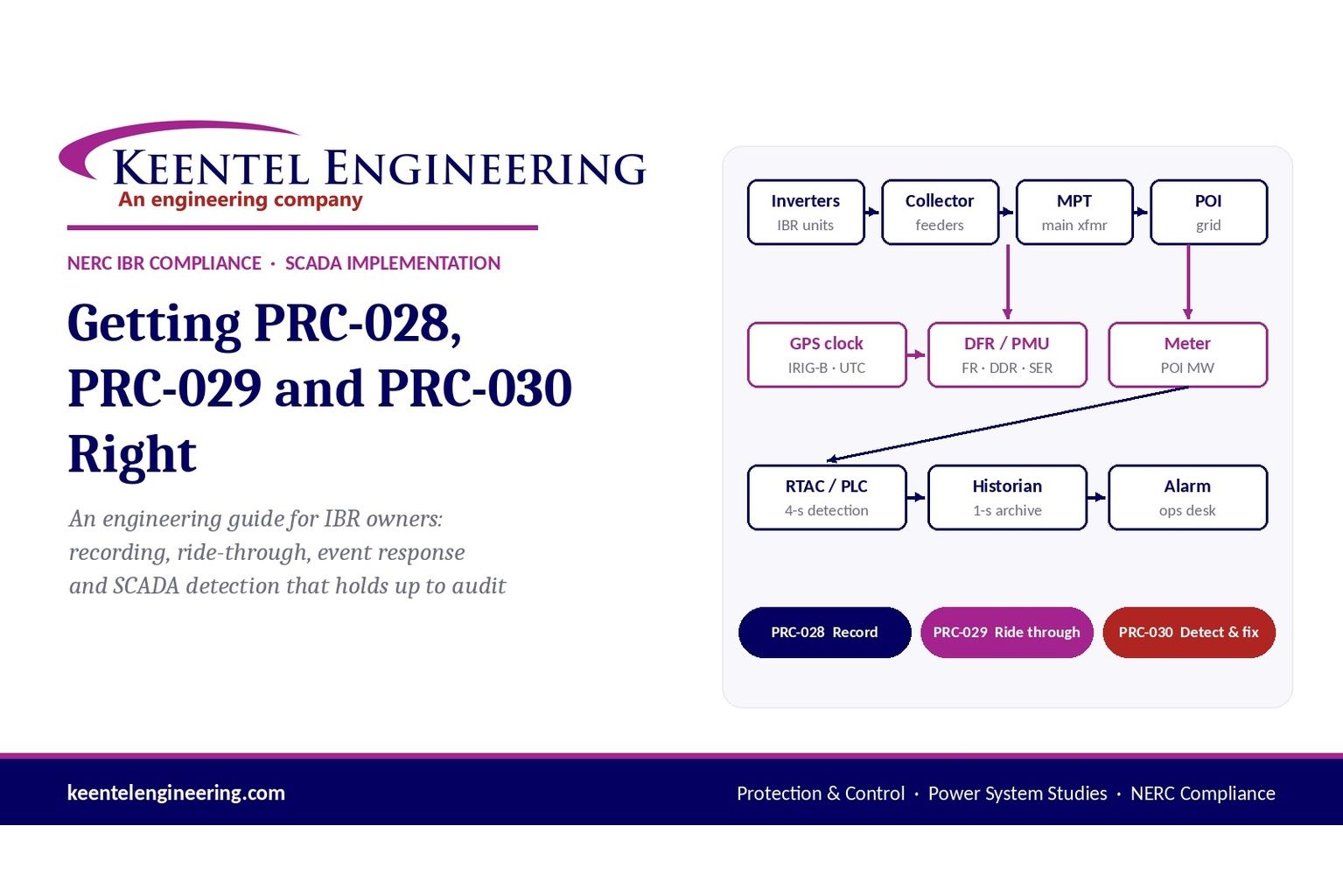
Engineering guide to PRC-028 disturbance recording, PRC-029 ride-through and PRC-030 event detection for inverter-based resources.
By SANDIP R PATEL
•
October 3, 2026
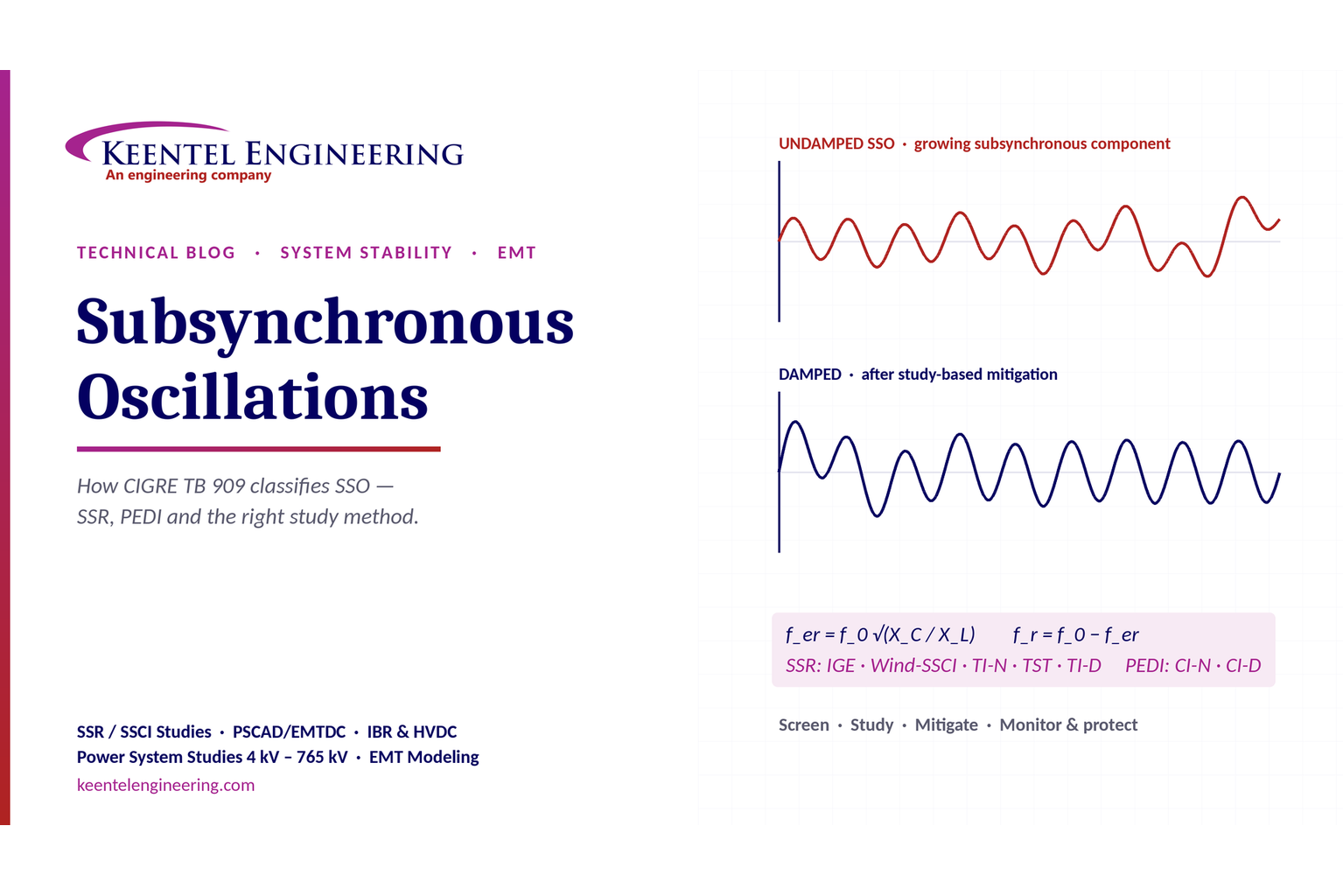
A practical guide to SSO classification, SSR, PEDI, Wind-SSCI, EMT analysis, mitigation and protection based on CIGRE TB 909.
By SANDIP R PATEL
•
October 3, 2026
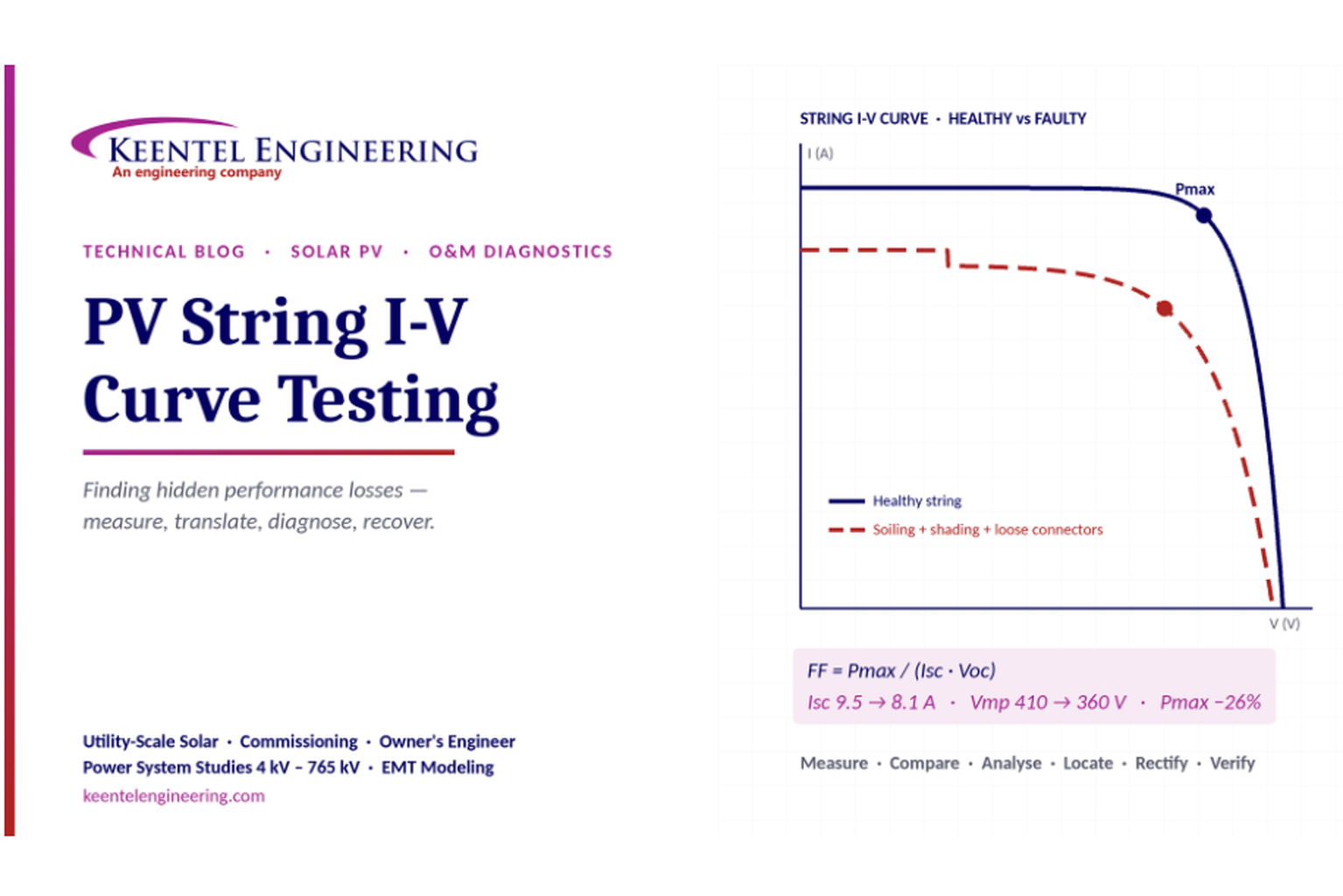
Learn how PV string I-V curve testing identifies hidden solar performance losses, including soiling, shading, mismatch, degradation, and wiring faults.
By SANDIP R PATEL
•
October 3, 2026
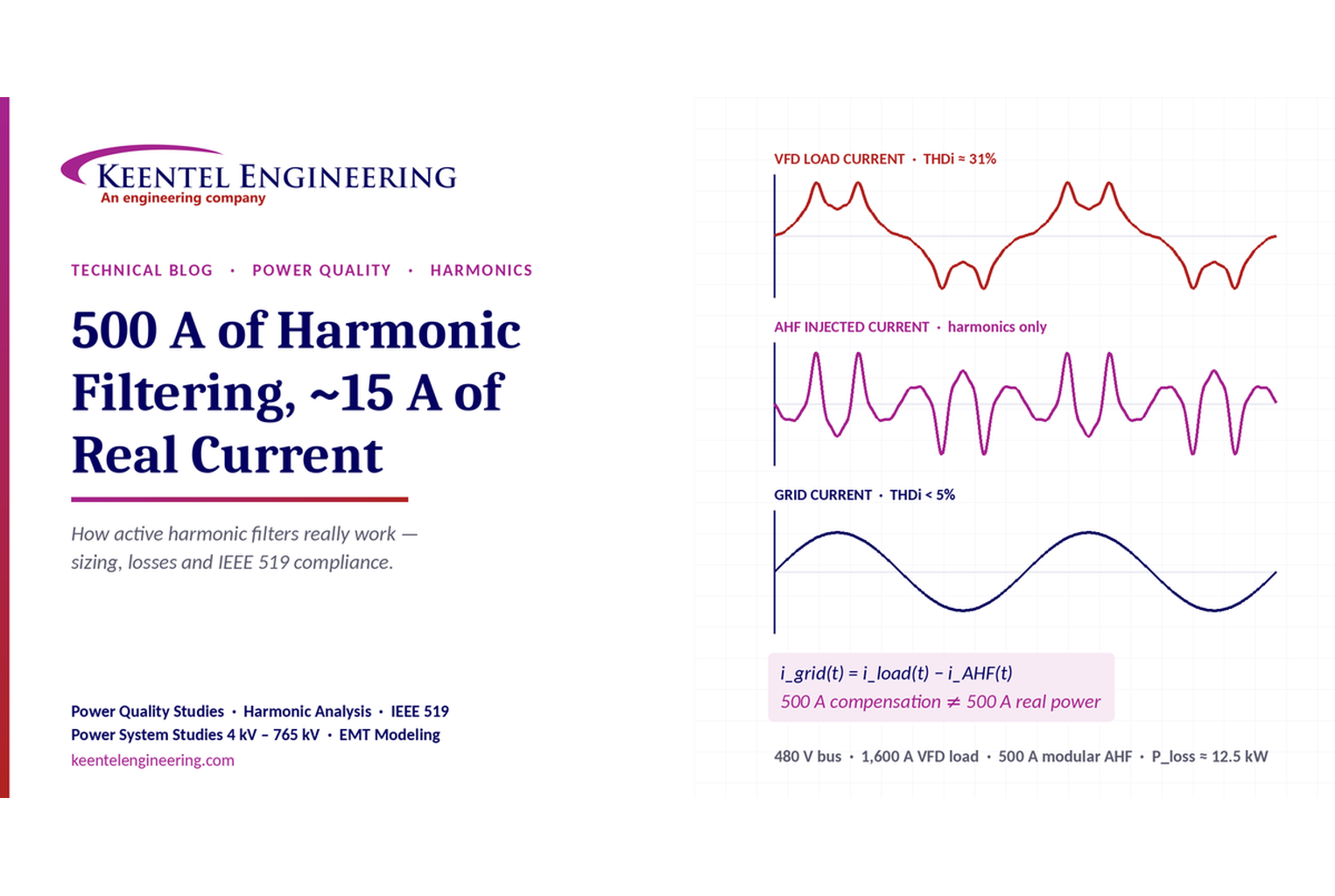
Learn how active harmonic filters work, how to size AHF systems, reduce VFD harmonics, calculate losses, and meet IEEE 519 TDD limits at the PCC.
By SANDIP R PATEL
•
October 3, 2026
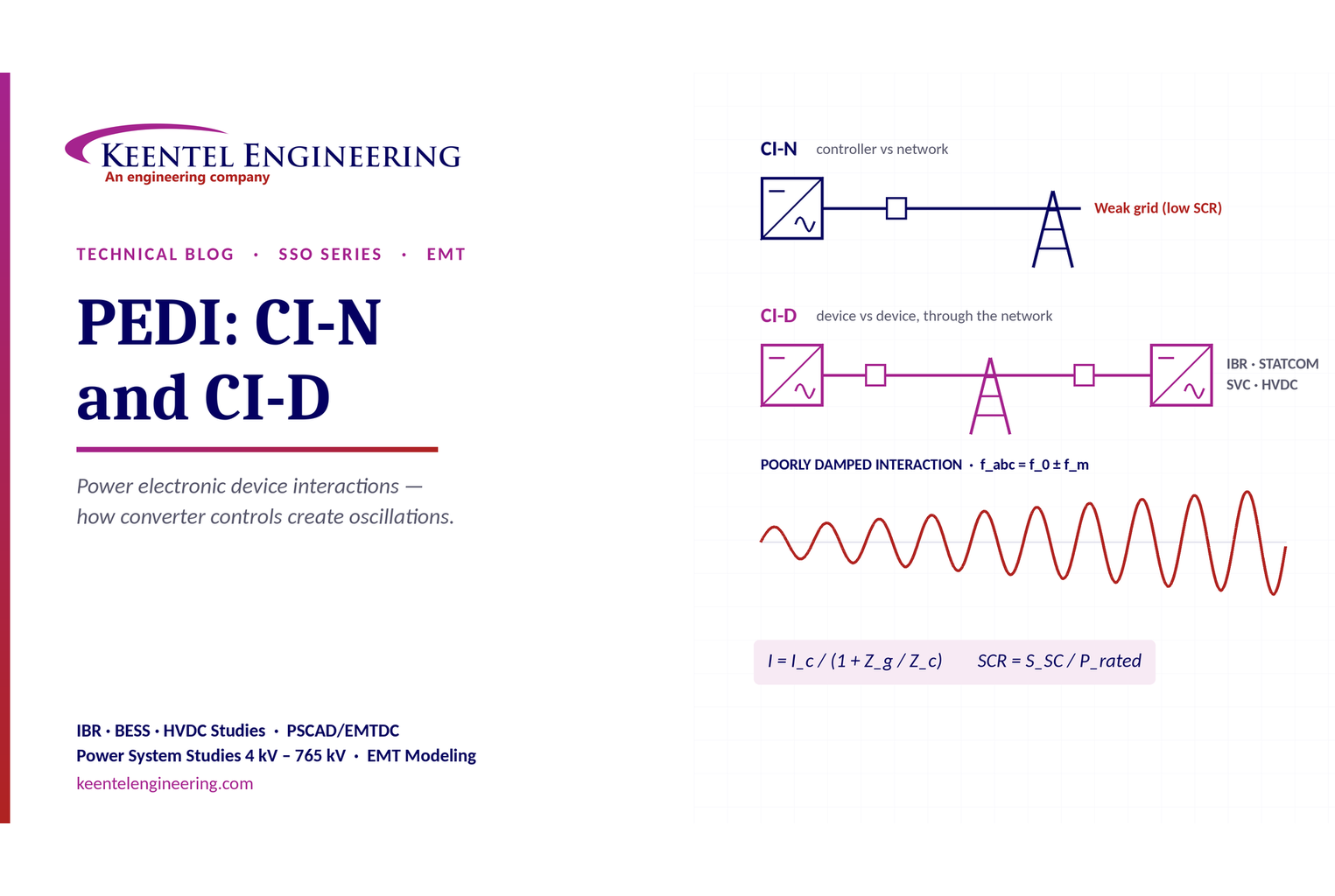
Learn power electronic device interactions (PEDI), including CI-N and CI-D, weak-grid stability, SCR, EMT studies, impedance analysis and mitigation for IBRs.
By SANDIP R PATEL
•
October 3, 2026
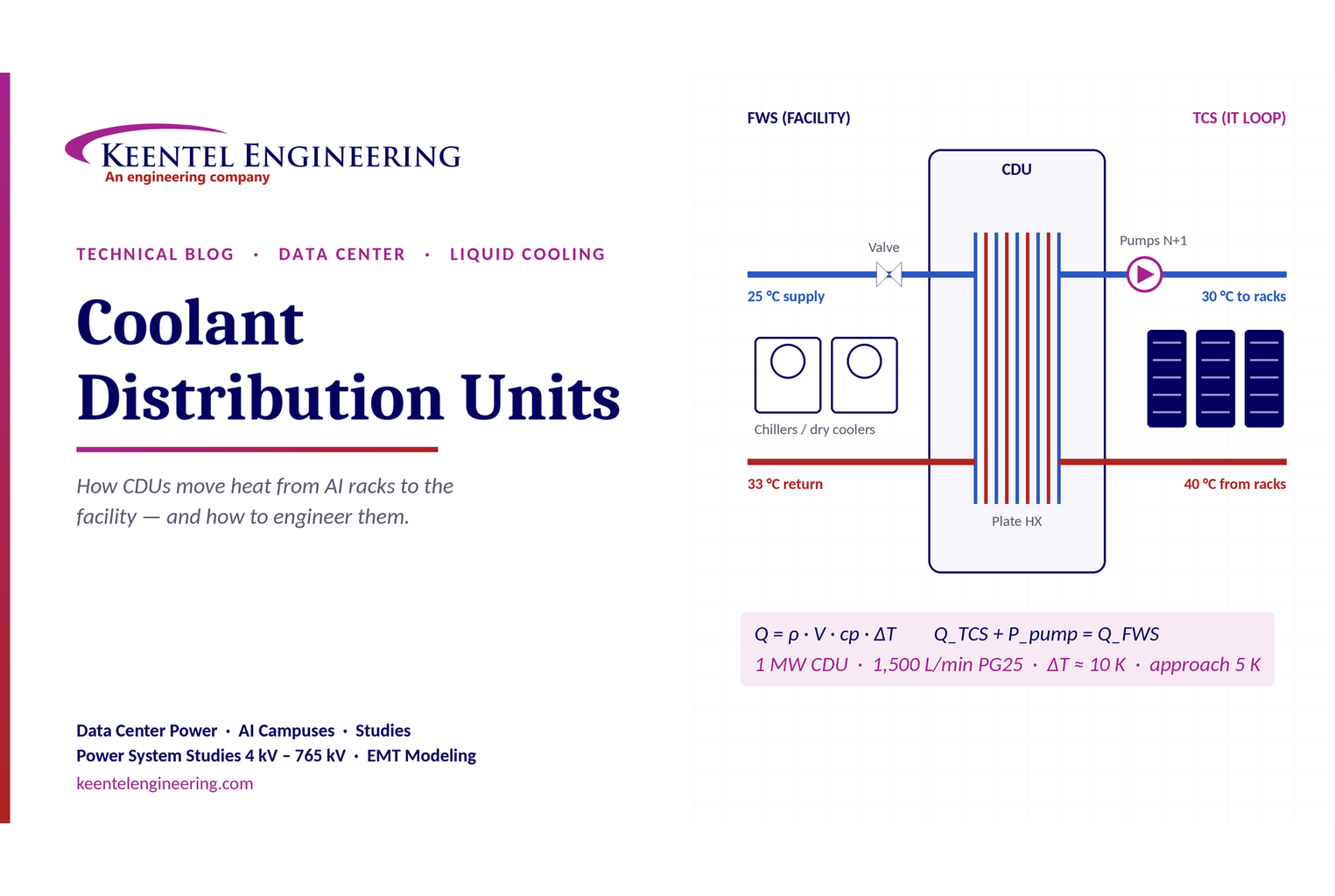
Learn how data center coolant distribution units (CDUs) work, including FWS and TCS loops, heat transfer, sizing, redundancy and liquid cooling for AI data centers.
By SANDIP R PATEL
•
October 3, 2026
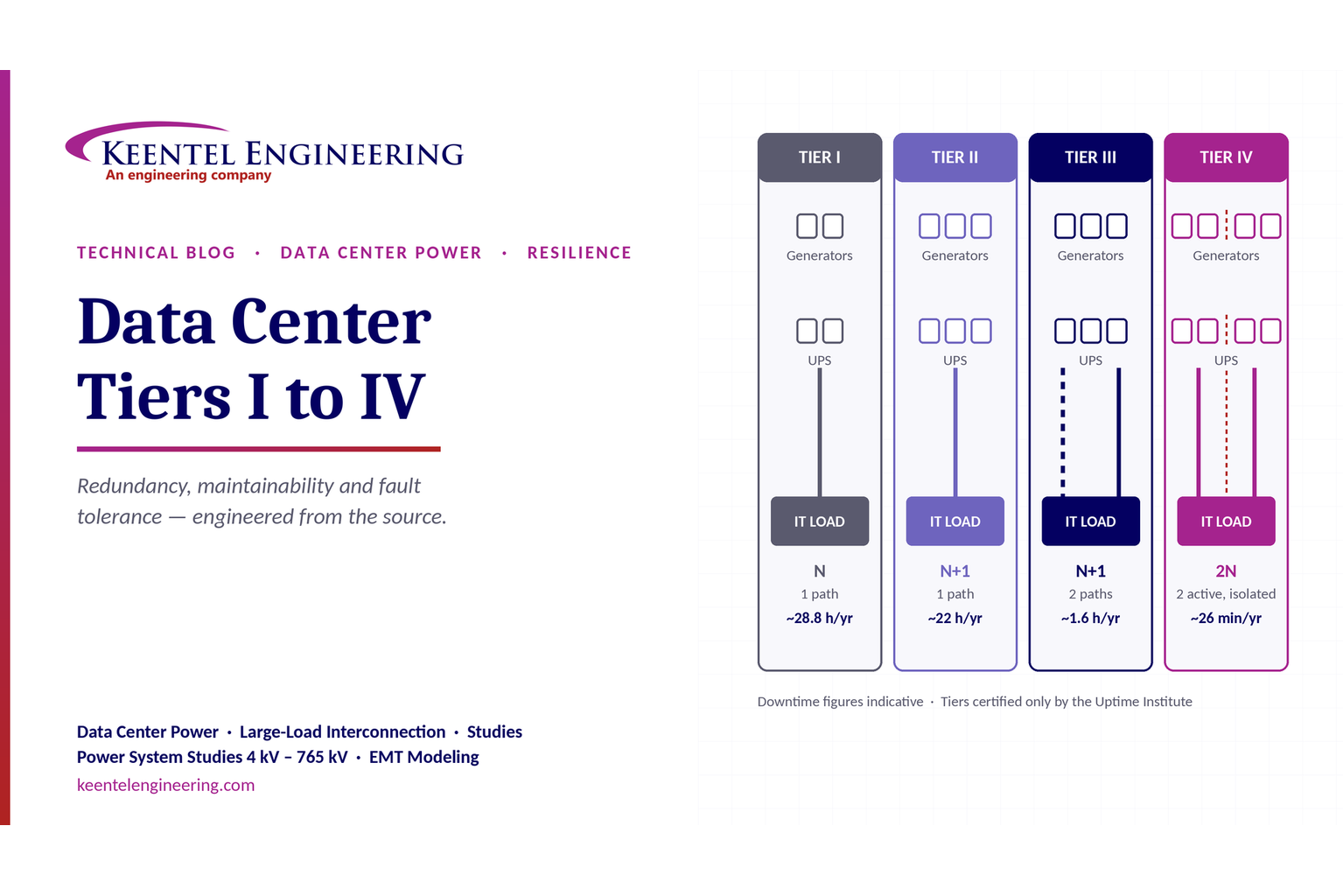
Compare Data Center Tiers I–IV, including redundancy, uptime, Tier III concurrent maintainability, Tier IV fault tolerance, UPS, generators and power design.
By SANDIP R PATEL
•
October 3, 2026
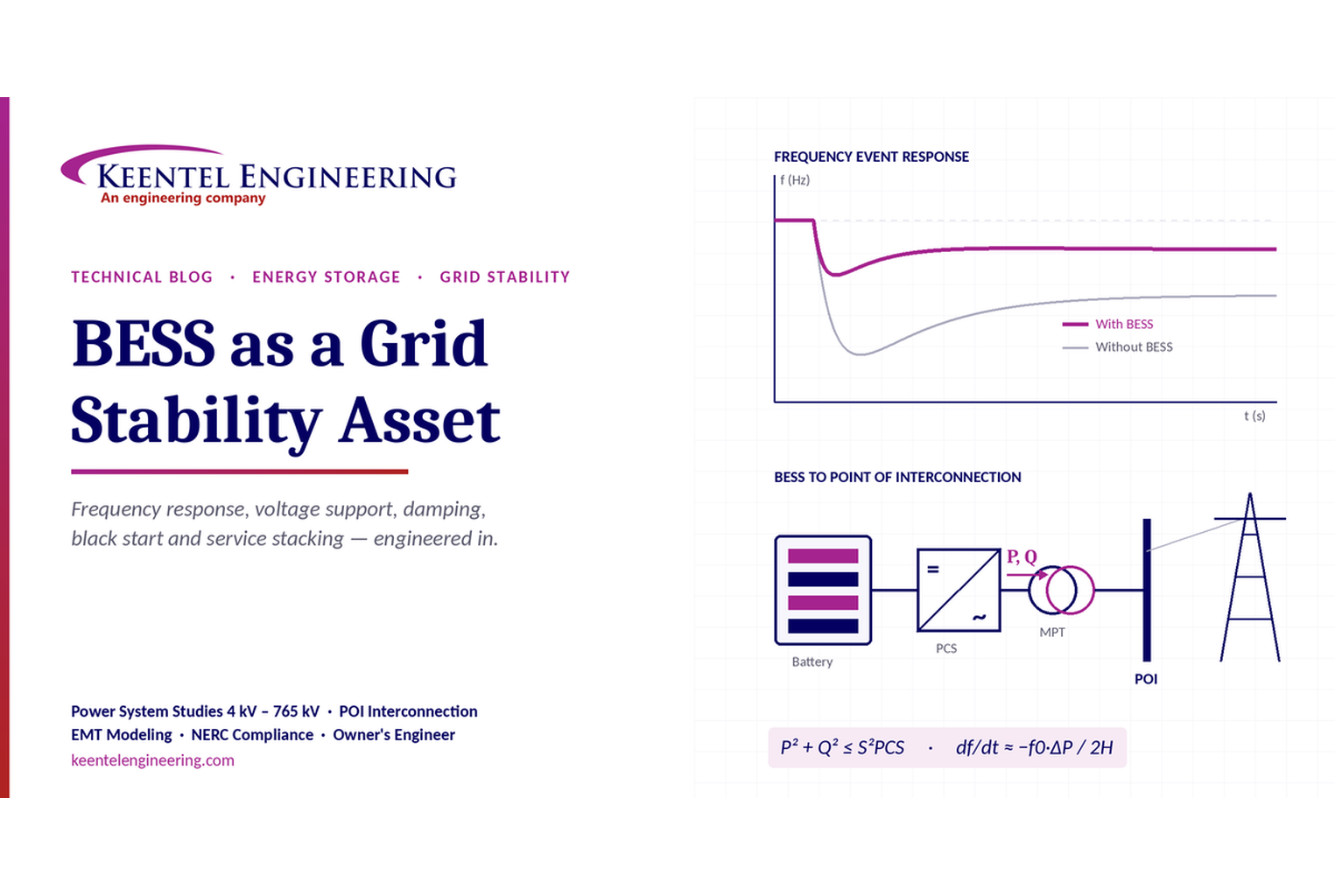
Learn how BESS supports grid stability through fast frequency response, voltage support, oscillation damping, black start, grid-forming controls and EMT studies.
By SANDIP R PATEL
•
October 3, 2026
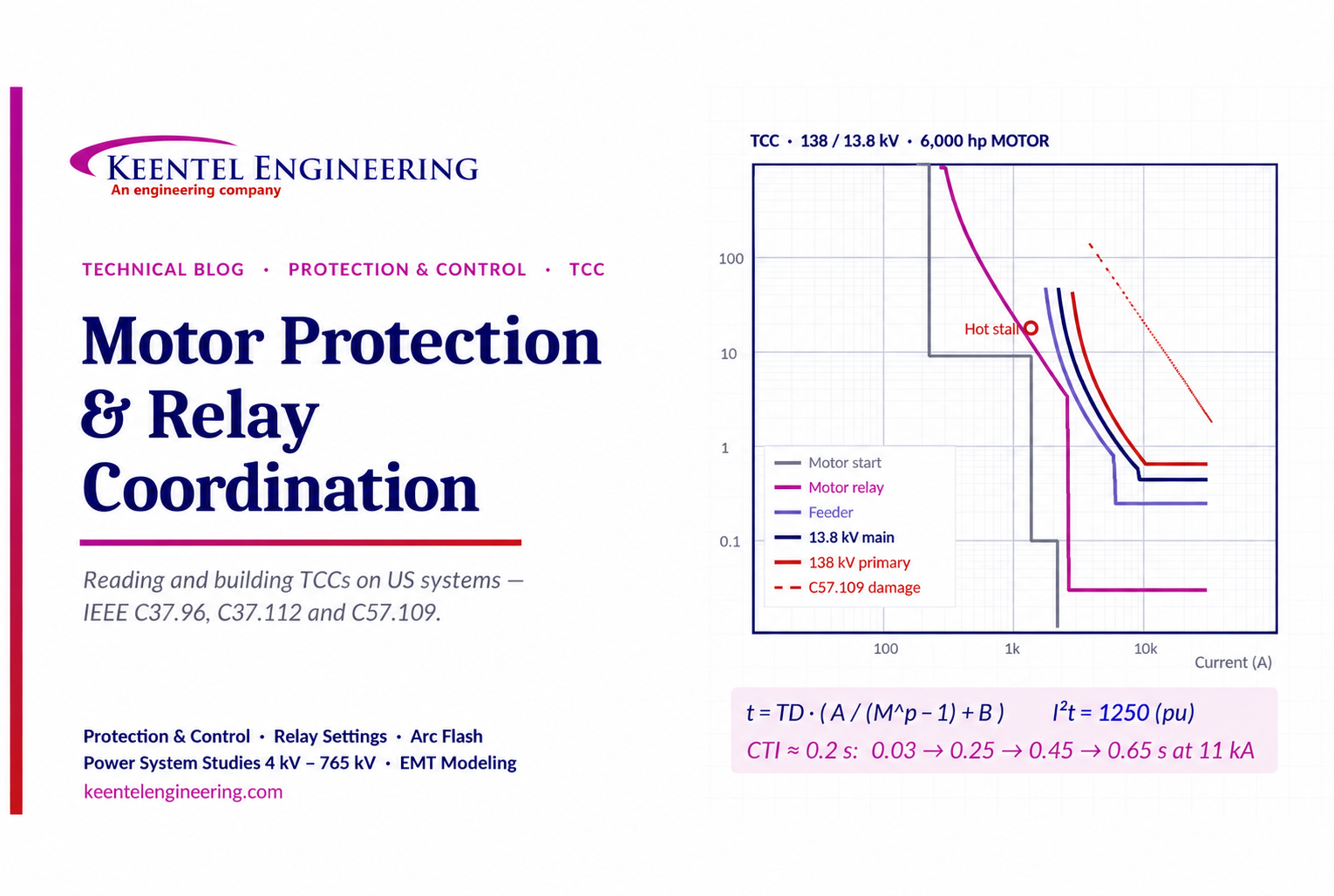
Learn motor protection and relay coordination using TCC curves, IEEE standards, transformer damage limits, CTI settings and a 138/13.8 kV example.